

Heavy-Duty Connectors for Robot Cell Power and Control Interfaces
Industrial robot cells contain more than the robot arm itself. Controllers, control cabinets, end-of-line equipment, safety systems, auxiliary machinery and field devices all need reliable electrical interfaces. In this environment, heavy-duty connectors are most relevant at machine-level power, signal and control connection points where robust housings, modular contact arrangements and serviceable connections are required.
This page focuses specifically on those robot-cell interfaces. For broader guidance covering power, signal, data, cable routing, movement and connector selection throughout a robotic system, see WEIPU's Industrial Connectors for Robotics guide.
Where Heavy-Duty Connectors Fit in a Robotic Cell
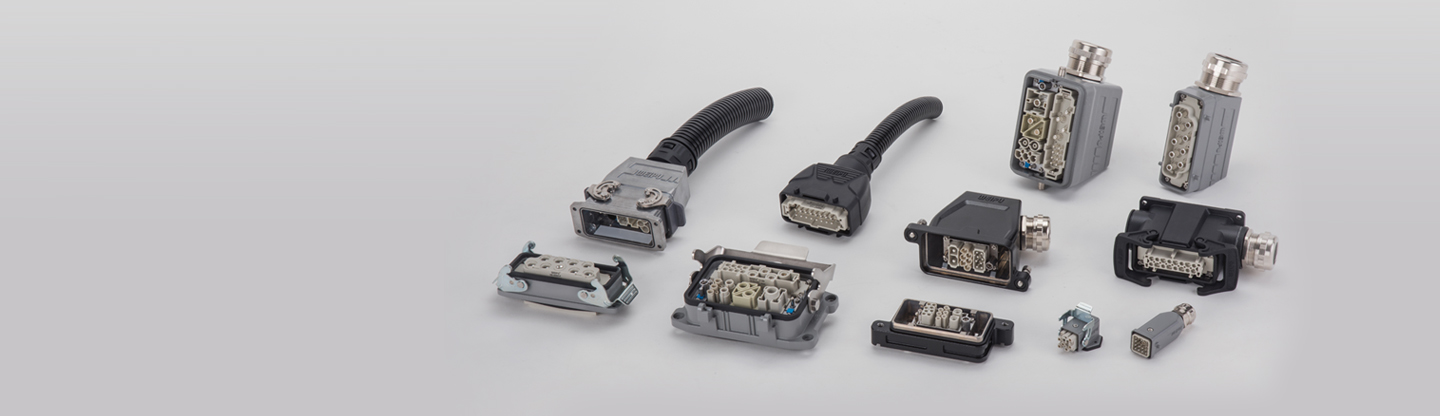
A robotic production cell may include a robot controller, PLC cabinet, servo equipment, safety devices, conveyors, machine vision systems and process equipment. Heavy-duty rectangular connectors can provide a detachable interface between these functional units when the application requires multiple power or signal circuits in a protected industrial housing.
Typical interface locations include:
- Robot controller to machine or cell distribution cabinet
- Control cabinet to auxiliary equipment
- Robot cell to conveyor, fixture or process machinery
- Power and control connections on modular production equipment
- Serviceable interfaces that must be disconnected during installation or maintenance
The key distinction is that these are generally machine-level or cell-level interfaces. They are different from compact sensor, vision or moving-joint connections, which may require other connector architectures.
Why a Modular Heavy-Duty Interface Can Be Useful
Robot cells often combine several electrical functions in a limited installation area. A heavy-duty connector system can separate the enclosure, insert and contact configuration so engineers can select the interface according to the actual circuit requirements.
For example, a modular interface may help when a machine builder needs to combine multiple conductors in one serviceable connection, protect the contact area from industrial exposure, or simplify equipment installation and replacement. The appropriate housing, insert, termination method and cable entry still need to be selected for the specific load and environment.
Electrical Requirements to Confirm
Heavy-duty connectors should not be selected only because a robotic application appears mechanically demanding. The electrical requirements of the interface come first. Engineers should confirm the rated current and voltage, number of contacts, conductor size, termination method and any separation requirements between power and signal circuits.
Where a robot cell contains several functional circuits, the connector configuration should reflect the actual wiring architecture. High-current power, low-level signals and control circuits may require different contact arrangements or separate interfaces depending on the equipment design and applicable requirements.
Mechanical and Environmental Requirements
A robot cell may expose connection points to vibration, dust, oil, coolant, accidental impact or maintenance activity. Housing material, locking method, cable entry and ingress protection should therefore be matched to the installation location rather than treated as universal specifications.
A connector mounted inside a protected cabinet may face very different conditions from an interface installed near production machinery. Engineers should evaluate the complete assembly, including hood or housing, insert, cable gland or cable entry, termination and mating condition.

Installation and Maintenance Considerations
One practical reason to use a detachable heavy-duty interface is serviceability. Production equipment may need to be transported in modules, commissioned on site, disconnected during maintenance or replaced without rewiring every conductor individually.
Before specifying the connector, review where technicians will access it, how frequently it may be mated and unmated, whether the cable requires strain relief, and whether the locking mechanism remains accessible after the machine is installed. A technically suitable connector can still create maintenance problems if its placement or cable routing is poor.
WEIPU Heavy-Duty Connector Options for Robot-Cell Interfaces
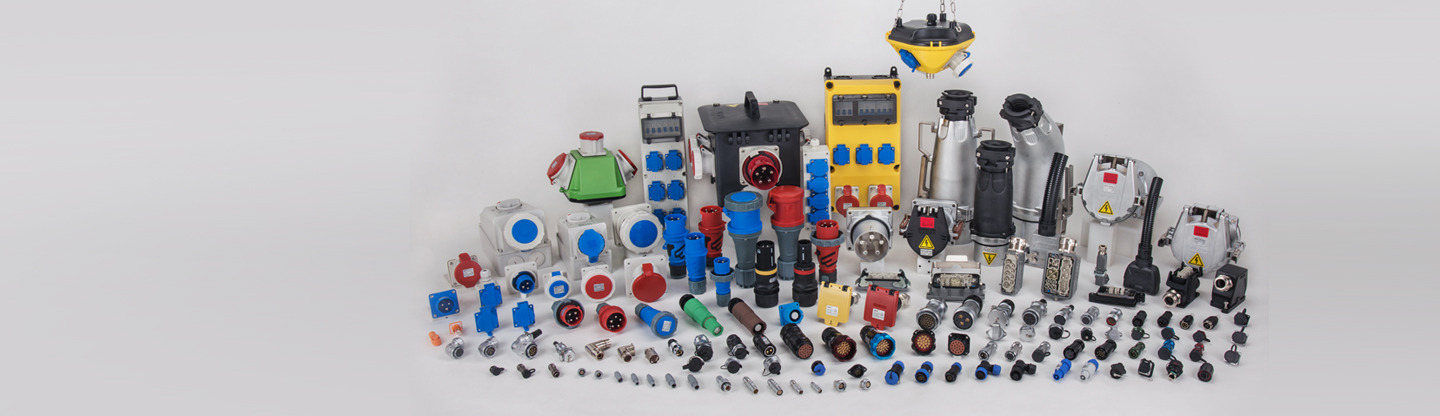
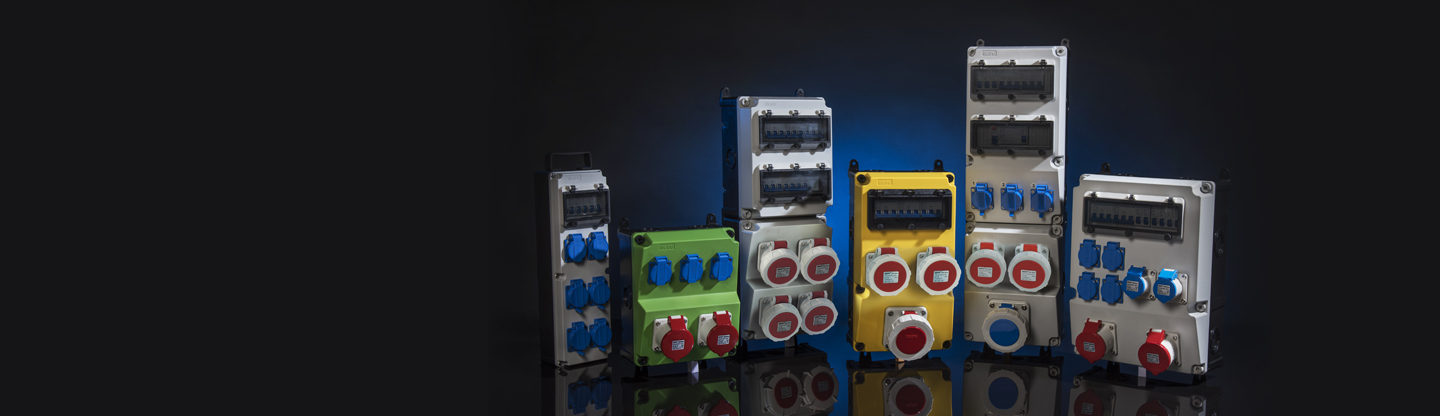
WEIPU's Heavy Duty Connector range includes rectangular housings, hoods, inserts, contacts and accessories for industrial power and signal connections between equipment or functional units. Different insert and housing configurations allow machine builders to assemble an interface around the electrical and installation requirements of the project.
For a robotic production cell, these products should be evaluated primarily for control-cabinet, machine, auxiliary-equipment and modular cell interfaces. They should not be treated as a universal replacement for every connector used on the moving robot itself.
Robot Cell Interface Selection Checklist
- Electrical load: What current, voltage and conductor sizes are required?
- Circuit layout: How many power, signal or control contacts are needed?
- Installation location: Is the interface inside a cabinet or exposed on machinery?
- Environment: Will it encounter dust, moisture, coolant, vibration or impact?
- Termination: Does the project require crimp, screw or another supported termination method?
- Cable management: Is suitable strain relief and cable entry available?
- Maintenance: How often must the interface be disconnected and reconnected?
- Equipment integration: Does the connector fit the available panel and enclosure space?
Heavy-Duty Interfaces Are One Part of Robotic Connectivity
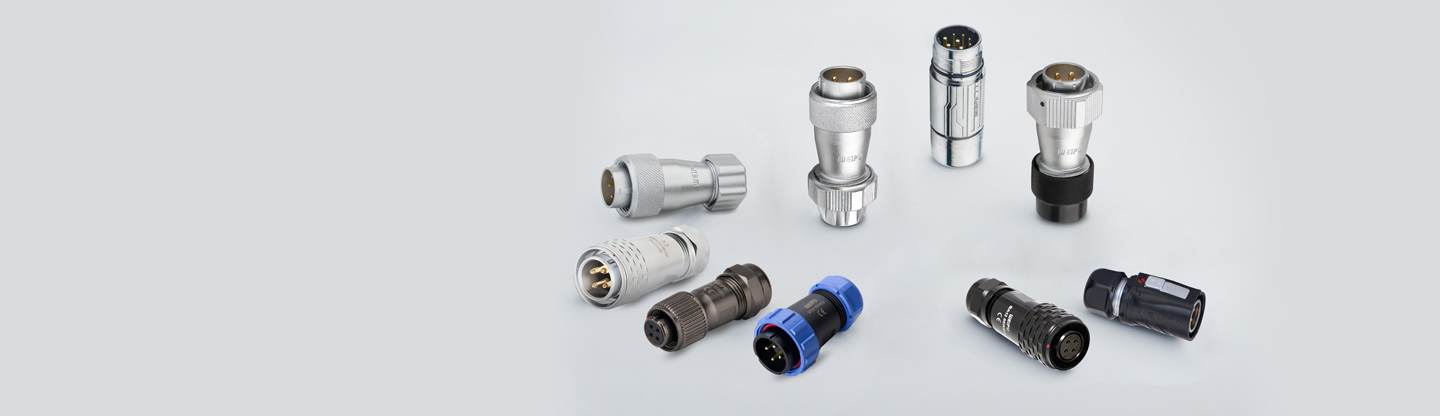
A reliable robot cell normally uses more than one connector architecture. Compact circular connectors may be appropriate for sensors, data or smaller equipment interfaces, while heavy-duty rectangular connectors can be more suitable for machine-level power and control connections. The correct choice depends on the function and conditions at each connection point.
Separating these roles helps avoid over-specifying one connector type across the entire robotic system. For heavy-duty connector selection, start with the machine-level interface requirements; for the wider robotic connection system, evaluate movement, cable routing, locking, EMC, signal integrity and environmental protection together.
Conclusion
Heavy-duty connectors can play a useful role in industrial robotic cells when robust, modular and serviceable power, signal or control interfaces are needed between equipment. Their strongest application is at the machine and cell level rather than as a universal connector for every moving point on a robot arm.
By defining the electrical load, circuit layout, environmental exposure, cable entry and maintenance requirements first, engineers can choose a heavy-duty connector configuration that supports reliable installation and long-term serviceability without overlapping the broader task of robotic connector selection.





Whatsapp: +8618102298073
WEIPU
WEIPU
WEIPU
WEIPU