
Choosing Wire Tap Connectors by Wire Gauge, Voltage, and Application
- How to Match a Tap Splice to Conductor and Circuit Requirements
- Start with wire gauge, conductor material, and strand construction
- Separate voltage rating from current-carrying capacity
- Confirm listing, installation method, and circuit protection
- Choose a Connection Method That Fits the Real Application
- Automotive, accessory, and low-voltage equipment wiring
- Industrial controls, machinery, and field wiring
- Building wiring and permanent branch connections
- Build a Reliable Procurement Specification and Connector Portfolio
- Specify the evidence buyers need before approval
- Consider the wider interconnection system
- Use a decision sequence to reduce selection errors
- Frequently Asked Questions
Choosing a wire tap connector requires matching the connector to the conductor’s gauge and construction, the circuit’s voltage and current requirements, the insulation system, and the working environment. Buyers should verify the manufacturer’s listed wire range, temperature and voltage ratings, and approved installation method rather than relying on color, appearance, or a generic ampacity assumption. The right choice also depends on whether the connection is a temporary automotive accessory tap, a protected equipment connection, or part of regulated building wiring; product listing, local code, and application-specific instructions govern suitability.
How to Match a Tap Splice to Conductor and Circuit Requirements
Start with wire gauge, conductor material, and strand construction
Wire gauge is an essential selection input, but it is not the only one. In the American Wire Gauge (AWG) system, a smaller gauge number generally corresponds to a larger conductor diameter. A tap connector’s approved conductor range must include both the through-wire and the branch wire, in the combinations permitted by its manufacturer. Do not assume that a connector suitable for one wire size will also accept a different-size tap leg simply because the parts can be forced together.
Record the conductor size from reliable project documentation or markings, and confirm whether the wire is solid or stranded. Fine-stranded flexible cable may behave differently from solid building wire during insertion and clamping. Copper and aluminum conductors also require compatible connector materials and installation instructions; a connector listed for copper should not be presumed suitable for aluminum. The conductor classes and construction terminology addressed by IEC 60228 provide a useful reference for understanding conductor construction, but the connector’s own listing and instructions remain decisive.
Insulation outside diameter matters as well. Two cables with the same nominal gauge can have different insulation thicknesses, jacket materials, or temperature ratings. A displacement-style tap designed to pierce a particular insulation profile may not make a dependable connection through another cable’s thicker, harder, or chemically resistant jacket. Check the specified insulation diameter and approved insulation type where the manufacturer provides those limits.
Separate voltage rating from current-carrying capacity
Voltage and current describe different electrical stresses. The voltage rating indicates the maximum circuit potential for which the connector is approved under its stated conditions. Current capability depends on the connector design, conductor size and material, contact resistance, ambient temperature, installation quality, and the applicable product evaluation. A higher voltage rating does not automatically mean that a connector can carry more current.
Use the manufacturer’s published ratings for the exact connector model and the intended conductor combination. Account for continuous versus intermittent loading, temperature rise, nearby heat sources, and any enclosure or bundling conditions that can affect heat dissipation. Never infer an ampere rating from connector size or color coding unless the manufacturer’s documentation explicitly defines it. For regulated wiring, verify the applicable rules and adopted code with the authority having jurisdiction; the NFPA 70 National Electrical Code is a central reference in the United States, but local adoption and amendments matter.
Confirm listing, installation method, and circuit protection
Determine whether the component is a splice connector, an insulation-displacement tap, or another type of branch connection. These designs are not interchangeable. The connector’s listing scope should cover the intended use, conductor materials, wire sizes, and environment. For example, a part sold for low-voltage automotive wiring should not be treated as approved for building branch-circuit wiring without documentation that specifically supports that use.
Where applicable, look for certification and installation information tied to the product standard. UL 486C addresses wire connectors, including splicing connectors, while the specific product certification and instructions identify the permitted configurations. Check whether the branch circuit is protected appropriately and whether the tap changes the protection or loading assumptions. For electrical work within its scope, OSHA’s requirements for selection and use of work practices include provisions on de-energizing parts before employees work on or near them. Installation procedures should be performed by appropriately qualified personnel and follow local safety requirements.
| Selection factor | What to verify | Common procurement or installation risk |
|---|---|---|
| Conductor gauge and combination | Approved through-wire and branch-wire size ranges for the exact model | Using a connector outside its listed range can result in poor contact or mechanical failure |
| Conductor type | Solid or stranded construction, copper or aluminum, and any required preparation | Assuming all conductors of the same nominal gauge are interchangeable |
| Voltage and current | Published voltage rating and current limits for the specified configuration and conditions | Using voltage rating as a substitute for current or temperature verification |
| Insulation and environment | Insulation diameter and material, temperature range, moisture, vibration, and chemical exposure | Choosing a tap that does not seal, clamp, or remain stable in service conditions |
| Application and compliance | Product listing, installation instructions, enclosure needs, and local code acceptance | Applying a connector intended for one sector to a different regulated use |
Choose a Connection Method That Fits the Real Application
Automotive, accessory, and low-voltage equipment wiring
Vehicle and equipment applications often involve vibration, temperature cycling, limited service access, and harnesses with multiple insulation types. Buyers should evaluate whether the tap method is approved for the cable construction and whether the finished joint needs strain relief, sealing, or a protective enclosure. A connection that appears secure on a stationary workbench may loosen under vibration or suffer insulation damage when routed against a sharp edge.
For an accessory circuit, confirm the source circuit’s available capacity and the branch fuse or other overcurrent protection required by the equipment manufacturer. A tap does not create additional capacity in the upstream circuit. If the added load could exceed the original circuit’s design, the solution may require a dedicated feed and properly sized protection rather than a different style of splice. Where exposure to water, road salt, oil, or cleaning chemicals is expected, select a connection system specifically rated for those conditions and follow its sealing procedure.
Industrial controls, machinery, and field wiring
Industrial installations require attention to more than nominal wire size. Control panels and machinery can combine power conductors, sensor circuits, protective earth, and signal wiring in close proximity. Check the voltage class, conductor insulation, panel or machine documentation, and the connector’s suitability for the wiring method. A tap must preserve electrical separation, mechanical protection, and the intended circuit identification.
Vibration, oil mist, coolant, dust, washdown, and elevated ambient temperature can affect connector choice and service life. Evaluate enclosure rating and ingress protection at the assembled connection—not just the connector component in isolation. Consider the maintenance plan too: a connection that is difficult to inspect or replace can increase downtime. For critical machinery, confirm design approval with the equipment manufacturer or responsible engineer before modifying an existing harness or field circuit.
Building wiring and permanent branch connections
Permanent building wiring has distinct code and product-listing requirements. A connector that is commonplace in automotive or electronics work is not automatically acceptable inside a building junction box or for a branch-circuit conductor. Confirm that the connector is listed for the wiring method, conductor material, enclosure, and exact conductor combination, and that the installation complies with the locally adopted electrical code.
For many permanent installations, a listed splice connector in an approved box or enclosure may be more appropriate than an insulation-piercing tap. The correct method depends on the circuit design and the authority having jurisdiction. Keep all connections accessible where required, preserve enclosure integrity, and avoid burying a splice or leaving it exposed to mechanical damage. When requirements are unclear, the project owner should obtain a determination from a licensed electrician or inspector rather than treating an informal product description as code approval.
Build a Reliable Procurement Specification and Connector Portfolio
Specify the evidence buyers need before approval
A purchasing specification should identify the source and branch conductor gauges, solid or stranded construction, conductor material, insulation type, operating voltage, expected load, ambient temperature, and environmental exposure. It should also name the application, installation method, required listing or certification, enclosure conditions, and any restrictions on reuse. Providing these details allows suppliers to confirm a model against documented requirements instead of recommending a part based on a broad category name.
Request the current product datasheet, installation instructions, certification information, and traceable model number. For projects with multiple sites or approved substitutes, maintain a controlled list of acceptable models and the exact conductor combinations each model supports. Incoming inspection should verify packaging and part identification; installation quality checks should confirm conductor seating, tool use where specified, enclosure closure, and any required pull or continuity test. These controls can reduce rework, unplanned downtime, and the cost of field substitutions.
Consider the wider interconnection system
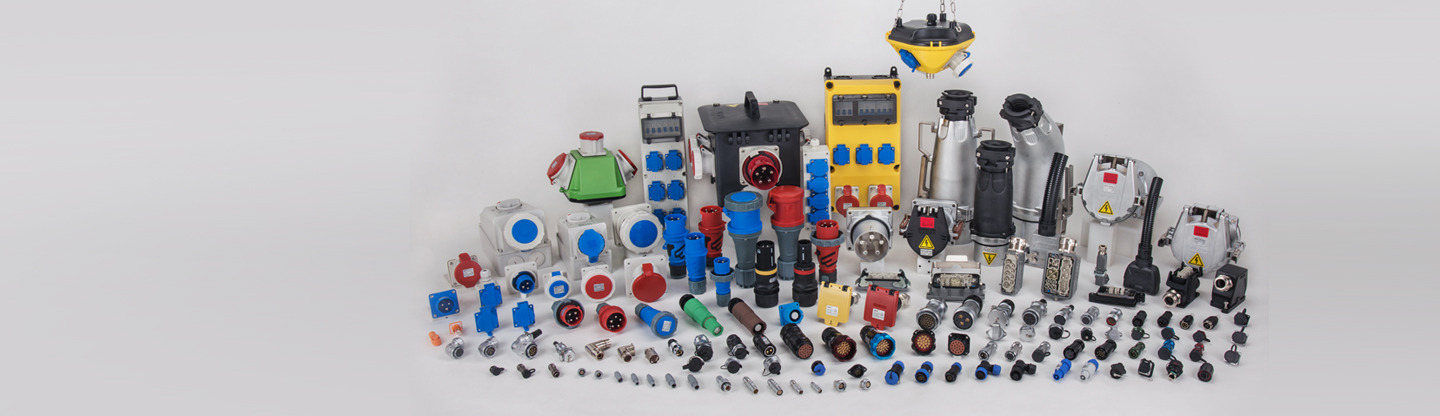
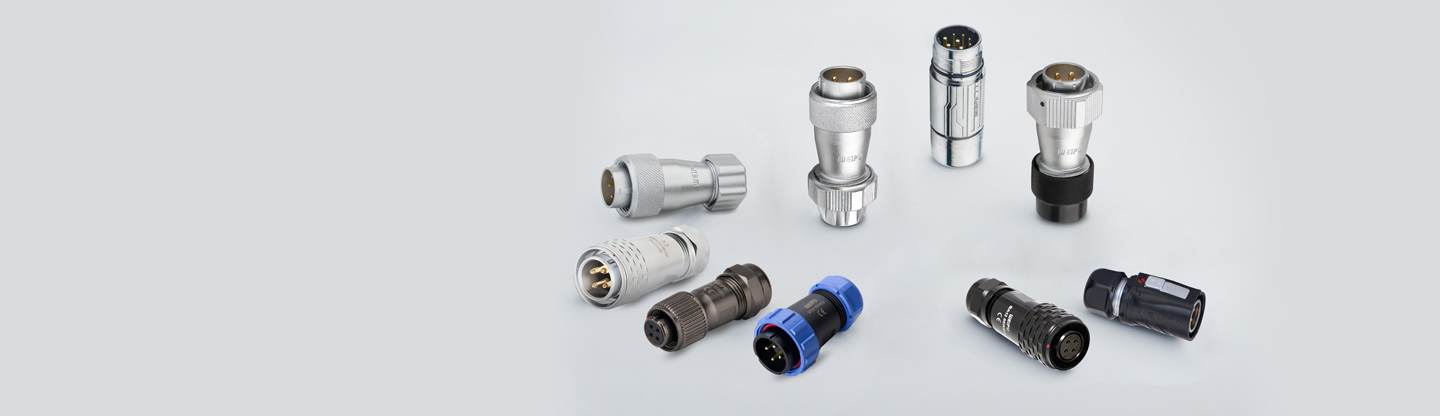
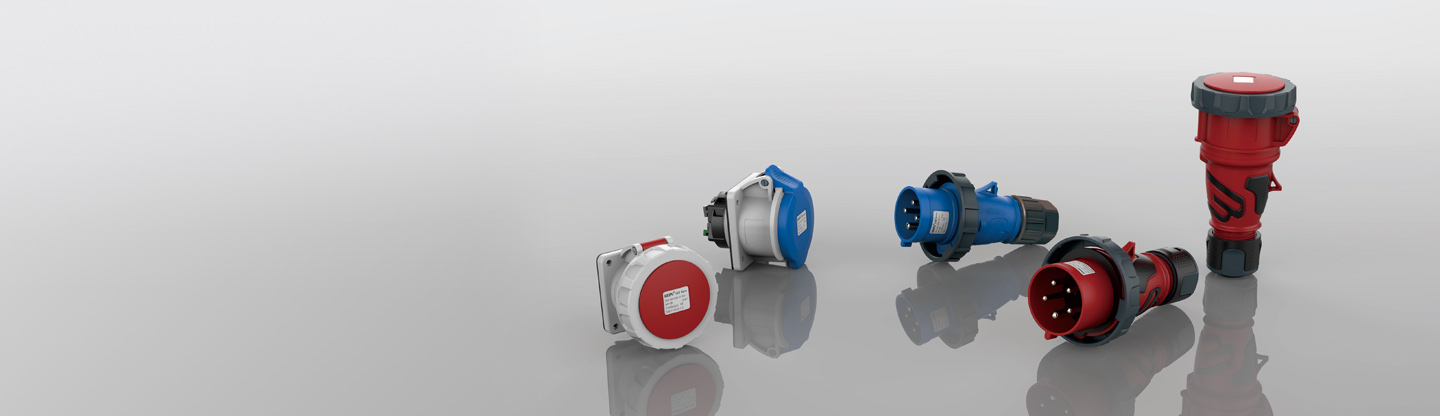
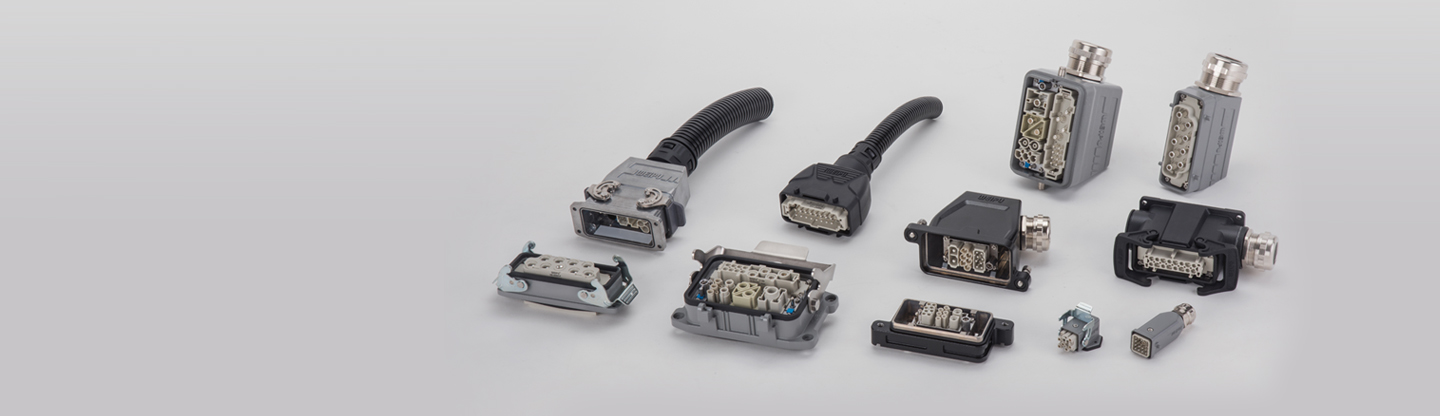
A branch tap is only one element of an electrical interconnection. Larger equipment programs may also require sealed circular connectors for sensor and control interfaces, industrial connectors for repeated field connection, or a Heavy Duty Connector for robust connections between machinery modules. These product families solve different interface problems and should not be treated as substitutes for a wire splice. A system-level review helps align connector selection with current, voltage, environmental sealing, mating cycles, mechanical loads, and maintenance access.
In the latter stages of supplier evaluation, buyers can compare documented product coverage, technical response, configuration support, quality documentation, and supply continuity. Our product portfolio includes circular connector, industrial connector, and Heavy Duty Connector options for equipment and industrial interconnection requirements. Our team can help buyers identify which interface category is relevant and what application details are needed for a technical review; the final selection should still be verified against the specific product datasheet, approvals, and installation requirements. Because no single connector type covers every tap-splice application, our recommendations should be based on the project’s actual conductor and circuit specification rather than an assumed fit.
For procurement teams, the practical outcome is a clear acceptance process: define the connection’s role, approve a model against the documented electrical and environmental limits, and prevent unverified substitutions at installation. This process supports consistent performance across locations while giving engineering and maintenance teams a usable record for troubleshooting and replacement. Where a new branch could affect a machine’s warranty, safety certification, or code compliance, obtain written approval from the responsible equipment manufacturer or qualified design authority before work begins.
Use a decision sequence to reduce selection errors
Begin by identifying whether the work is low-voltage equipment wiring, industrial machinery wiring, or regulated building wiring. Next, record the exact conductor size, material, stranding, and insulation details for both the main conductor and branch. Then match those details to the product’s approved range and verify voltage, current, temperature, environmental, and enclosure limits. Finally, check the installation instructions, required tools, circuit protection, listing, and local acceptance before purchase and installation.
If any essential specification is missing, pause the order rather than making an assumption based on a generic connector description. A supplier can help interpret product documentation, but the project owner remains responsible for providing accurate application data and confirming code acceptance with the relevant authority. This disciplined approach is especially valuable for multi-site rollouts, maintenance inventory, and equipment programs where an incorrect substitute can create repeated failures across a fleet.
Contact our team to discuss your interconnection requirements or explore our circular connector, industrial connector, and Heavy Duty Connector products.
Frequently Asked Questions
How do I choose a wire tap connector for a specific wire gauge?
Verify that the exact connector model is approved for the gauge of both the through-wire and branch wire, including the allowed conductor combinations. Also confirm conductor material, solid or stranded construction, and insulation compatibility; do not force an unapproved wire size into a connector.
Does a higher voltage rating mean a connector can carry more current?
No. Voltage and current ratings describe different electrical limits. Check the manufacturer’s published current capability for the exact conductor combination and operating conditions, including temperature and installation environment.
Can an automotive wire tap connector be used for building wiring?
Not automatically. Building wiring requires a connector listed for the intended wiring method, conductor combination, enclosure, and application, and the installation must meet locally adopted code requirements. A product used in automotive wiring should not be presumed acceptable for a building branch circuit.
Can a wire tap connector be used with stranded wire?
Only when the manufacturer’s instructions and product approval include the specific stranded conductor type and size. Fine-stranded wire may behave differently from solid or standard-stranded conductors, so confirm the exact combination before installation.
What environmental conditions should buyers check before selecting a tap connector?
Review temperature, vibration, moisture, dust, oil, chemicals, washdown exposure, insulation type, and enclosure requirements. Confirm that the connector and completed connection are suitable for the actual operating conditions.
What information should buyers provide when requesting a connector recommendation?
Provide the main and branch wire gauges, conductor material and construction, insulation details, operating voltage and load, temperature, environmental exposure, application, installation method, and any required listing or code conditions.
Top 10 heavy duty connector manufacturers and suppliers
Hermetic Cable Assembly Trends for Aerospace, Medical and Industrial OEMs
Top 10 electrical connectors manufacturers and suppliers
Top 10 Industrial Power Cable Connectors: Features and Pricing

SY1110/P SY1110/S Cable connector IP67
Mate with SP1111,SP1112

WEIPU SP1110P/S Cable Connector IP68
Mate with SP1111, SP1112
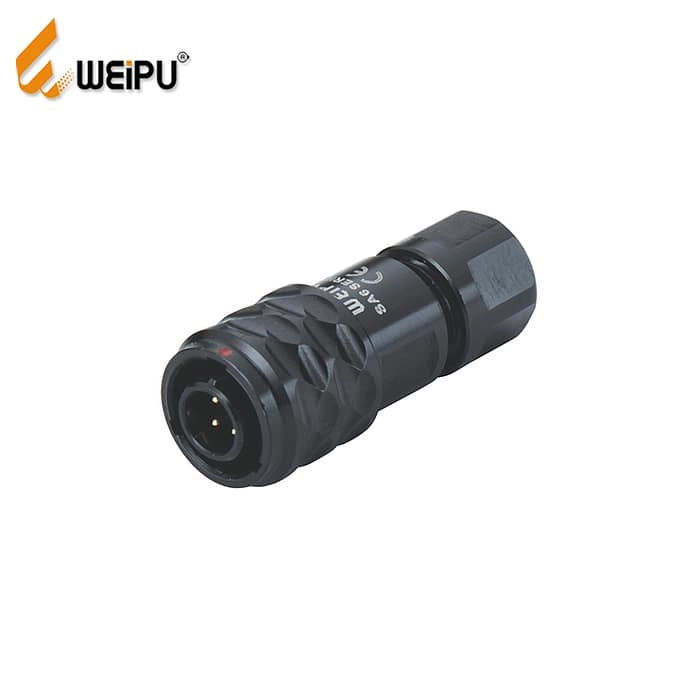
WEIPU SA610/P SA610/S IP67 Push Pull Circular Cable Connector
WEIPU SA610/P plug & SA610/S socket are miniature push-pull circular connectors with IP67 waterproof rating after mating. Built with anodized aluminum shell and gold-plated solder contacts, this SA series supports 2-5 pins, rated 3A 30V, certified CE & RoHS. Ideal for medical diagnostic devices, lab automation and precision sensors, fully compatible with SA611, SA612 and SA615 panel receptacles. WEIPU holds IATF16949 certification and supplies industrial connectors to 130+ countries.

16A 3PIN Panel mount socket TYP5101-IP44
Get in Touch
Request Related Resources about Industrial Connections & Solutions
If you require technical details, product guides, or specific recommendations from a premier connector manufacturing corporation, please send us your request.
We provide expert support for custom electrical connectors, offering OEM/ODM customization and dedicated distributor cooperation assistance.
Weipu Building, No. 111, Baihua Road, Liwan District, Guangzhou, Guangdong China
© 2026 WEIPU. All Rights Reserved.
Whatsapp: +8618102298073
WEIPU
WEIPU
WEIPU
WEIPU