




From Connector Samples to Bulk Orders: Avoiding Customization Delays
- How to Move from Connector Prototypes to Production Without Rework
- Convert application needs into a complete specification
- Separate essential customization from optional preferences
- Agree on measurable sample acceptance criteria
- Control Drawings, Compliance, and Production Readiness
- Use revision control to prevent sample-to-order mismatches
- Verify compliance claims against the intended market
- Build explicit gates between sample approval and bulk release
- Make Supplier Collaboration Work for the Project
- Use a focused technical review before sample production
- Connect sample approval to commercial and quality terms
- Where our connector range fits
- Frequently Asked Questions
Moving from a connector sample to a bulk order without customization delays depends on decisions made before tooling, testing, and production begin. Buyers should define electrical, mechanical, environmental, regulatory, and packaging requirements; provide complete interface drawings; agree on sample acceptance criteria; and control every revision through written approval. For a customized waterproof connector, specifying the required IP rating, cable details, mating interface, materials, and test evidence early can reduce redesign risk. A structured sample-to-production process helps project owners compare suppliers, protect launch schedules, and verify that production units match the approved configuration.
How to Move from Connector Prototypes to Production Without Rework
Convert application needs into a complete specification
Customization often takes longer because the initial request describes a product outcome but not the conditions the connector must withstand. Before requesting samples, document the operating environment and the system interfaces. Relevant inputs include rated voltage and current, number of contacts, wire gauge, cable diameter, mating cycles, mounting space, vibration exposure, temperature range, chemical contact, and expected service life. For outdoor or washdown use, describe exposure conditions rather than relying on labels such as “waterproof.” The required protection level should be identified against the relevant enclosure classification, and the test conditions should be agreed with the supplier.
Mechanical details deserve the same attention as electrical ratings. Share a dimensioned drawing showing panel cutout, thread or locking arrangement, connector orientation, clearance, mating half, and cable exit direction. If a connector must mate with an existing component, provide its manufacturer, part number, and controlled interface drawing where available. Photographs can help explain an application, but they should not replace dimensions and tolerances. Ambiguity at this stage can result in samples that appear suitable but fail installation or assembly checks.
Separate essential customization from optional preferences
Every requested change can affect design review, sample preparation, testing, or production setup. Buyers can shorten the decision cycle by categorizing requirements as mandatory, preferred, or optional. Mandatory items may include contact arrangement, panel dimensions, protection rating, approved materials, and regulatory restrictions. Preferences might include color, marking style, or packaging configuration. This priority list helps engineering teams identify which design decisions must be resolved before sample manufacture and which can be deferred without blocking technical approval.
It is also useful to identify the boundary between standard and custom components. A standard shell with a modified cable length may require a different qualification path from a new contact layout or a proprietary locking mechanism. Ask the supplier to state which elements are existing, which are modified, and which require new tooling or validation. That distinction gives procurement a clearer view of lead-time exposure and helps project owners avoid paying for unnecessary design changes.
Agree on measurable sample acceptance criteria
A sample should be assessed against written criteria, not a general impression that it “looks right.” Define pass/fail checks for dimensions, mating fit, continuity, insulation performance where applicable, cable retention, sealing features, markings, and workmanship. Record the test method, equipment or fixture, sample quantity, and acceptance limits. For application-specific tests, such as vibration or temperature cycling, clarify who will conduct the test and whether the supplier or buyer provides the test fixture.
Where ingress protection is important, specify the intended IP code and the conditions relevant to the installed assembly. The IEC 60529 standard classifies degrees of protection provided by enclosures using the IP Code; it does not mean that every connector described informally as sealed has been tested to the same conditions. Confirm whether the rating applies to the connector alone, the mated pair, or the completed installation, including cable and panel interfaces.
Control Drawings, Compliance, and Production Readiness
Use revision control to prevent sample-to-order mismatches
One common source of delay is a sample approved against a drawing that is later changed without a formal record. Each drawing, specification, and sample report should carry a part number, revision identifier, date, and approval status. When a change is requested, document the reason, affected dimensions or materials, impact on testing, and whether a new sample is required. The approved configuration should be the same configuration referenced in the purchase order and production documentation.
Buyers should also establish a single channel for technical approvals. If engineering, sourcing, and quality teams provide separate comments without a consolidated decision, the supplier may receive conflicting instructions. A change log with named approvers and closure dates makes unresolved questions visible. This is particularly important when a product has multiple variants, such as different cable lengths, contact arrangements, keying options, or panel-mount formats.
Verify compliance claims against the intended market
Compliance documentation should match the actual product configuration and destination market. Ask which standards or regulations apply, what evidence is available, and whether certificates or test reports cover the complete assembly or only selected components. For quality management, buyers can review a supplier’s certification scope and validity rather than relying on a logo alone. The ISO 9001 standard information describes requirements for quality management systems; certification can be relevant to process control, but it does not by itself certify a specific connector’s performance.
For products placed on the EU market, material declarations may be needed to assess restrictions on hazardous substances. The EU RoHS Directive sets restrictions on certain hazardous substances in electrical and electronic equipment, subject to its scope and provisions. Confirm that declarations refer to the intended part number and revision, and ask how supplier changes to plating, resin, seals, or cable materials are controlled. Requirements vary by application and market, so compliance review should be completed with the responsible regulatory or quality team.
Build explicit gates between sample approval and bulk release
A bulk order should not be released solely because a prototype was delivered on time. Establish sequential gates: specification freeze, drawing approval, sample inspection, functional or environmental testing, documentation review, and first production release. Each gate needs an owner, evidence requirement, and decision status. If testing fails, define how corrective actions will be recorded and whether the supplier must submit revised samples before production authorization.
The following comparison helps distinguish prototype evaluation from production release. These are process checks rather than promised lead times; the project team should set its own acceptance limits and schedule based on the design and test plan.
| Decision area | Sample evaluation | Bulk-order release | Evidence to retain |
|---|---|---|---|
| Configuration | Confirm the requested design and mating interface | Confirm the purchase order matches the approved revision | Controlled drawing and change log |
| Fit and function | Check dimensions, mating, wiring, and defined functional tests | Confirm production inspection criteria and sampling plan | Inspection and test records |
| Environmental protection | Assess the specified rating and application conditions | Confirm production materials and assembly controls remain consistent | Applicable test report and process records |
| Compliance | Review relevant declarations and test evidence | Verify documentation applies to the ordered part and revision | Current, configuration-specific compliance documents |
| Supply readiness | Identify tooling, packaging, and component constraints | Confirm order quantity, delivery schedule, and change notification terms | Approved quotation and purchase-order requirements |
Make Supplier Collaboration Work for the Project
Use a focused technical review before sample production
A short, structured review can uncover missing information before it becomes a sample rejection. Include the buyer’s engineering, procurement, and quality stakeholders, along with the supplier’s relevant technical contacts. Review the application, interface drawing, cable and material choices, protection requirement, test plan, regulatory destination, target quantities, and expected production timing. The objective is not to approve every detail in one meeting; it is to assign each open item to an owner and prevent assumptions from becoming undocumented design inputs.
Buyers should ask suppliers to flag feasibility concerns early, including unavailable materials, dimensional conflicts, minimum order constraints, or tooling dependencies. A practical supplier response should distinguish confirmed facts from items requiring validation. If an alternative design is proposed, compare it against the original requirement and document any impact on performance, approvals, interchangeability, and cost. This provides a defensible basis for decisions and limits late-stage substitutions.
Connect sample approval to commercial and quality terms
Technical approval is only one part of production readiness. Procurement documents should state the approved part number and revision, agreed quantity, packaging requirements, labeling, delivery destination, and any inspection or documentation requirements. For repeat orders, clarify whether substitutions require prior written approval and how the supplier will notify the buyer of changes to materials, manufacturing location, or process. These provisions help preserve consistency after the first shipment.
Where volumes justify it, agree on a first-article or initial-production review. The purpose is to confirm that manufacturing output follows the approved design and that the inspection records are traceable. Define what constitutes a nonconformance, who can authorize a deviation, and how affected inventory will be identified. Clear escalation rules reduce the risk that a shipment is accepted under schedule pressure despite unresolved differences from the approved sample.
Where our connector range fits
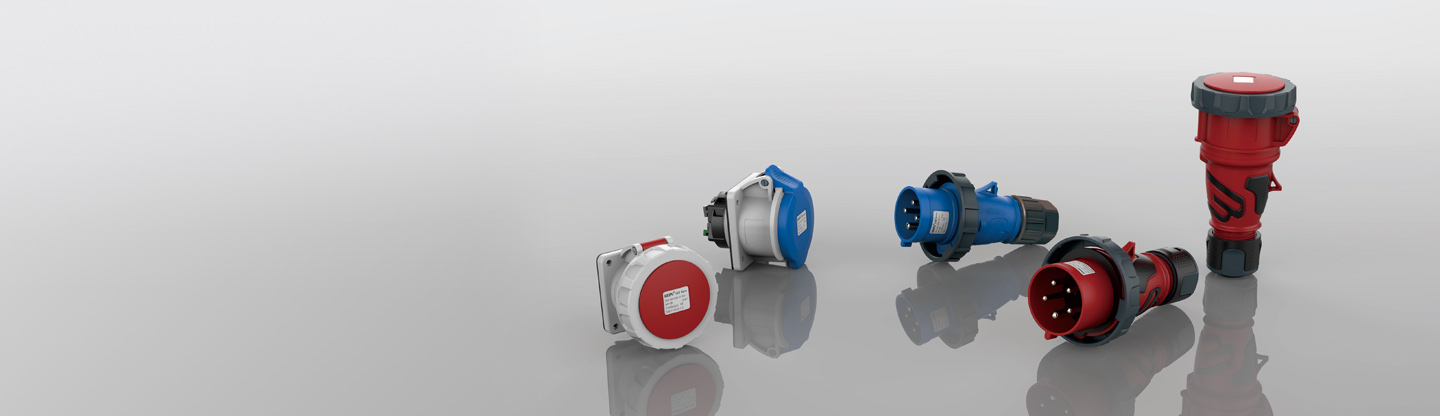
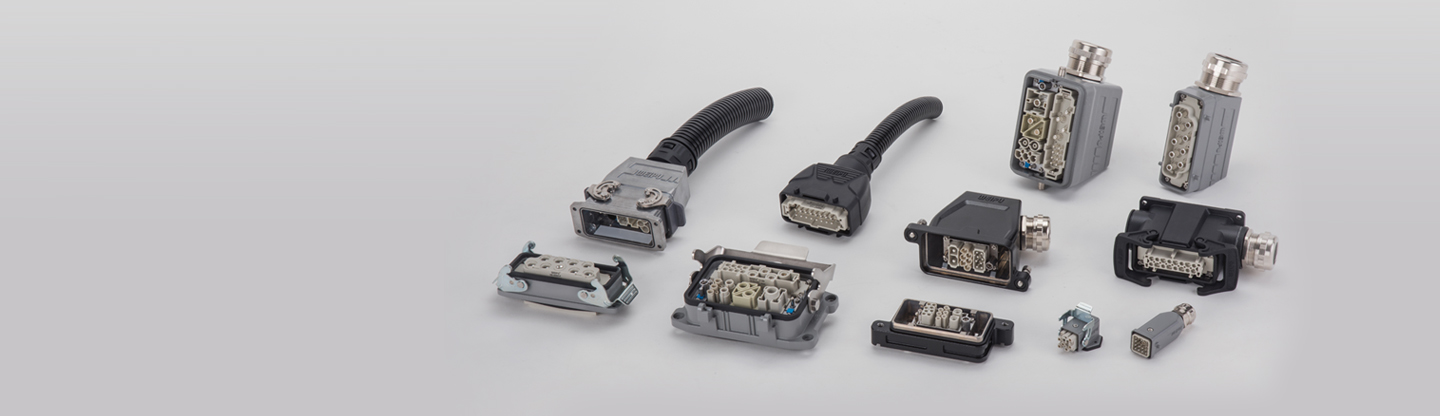
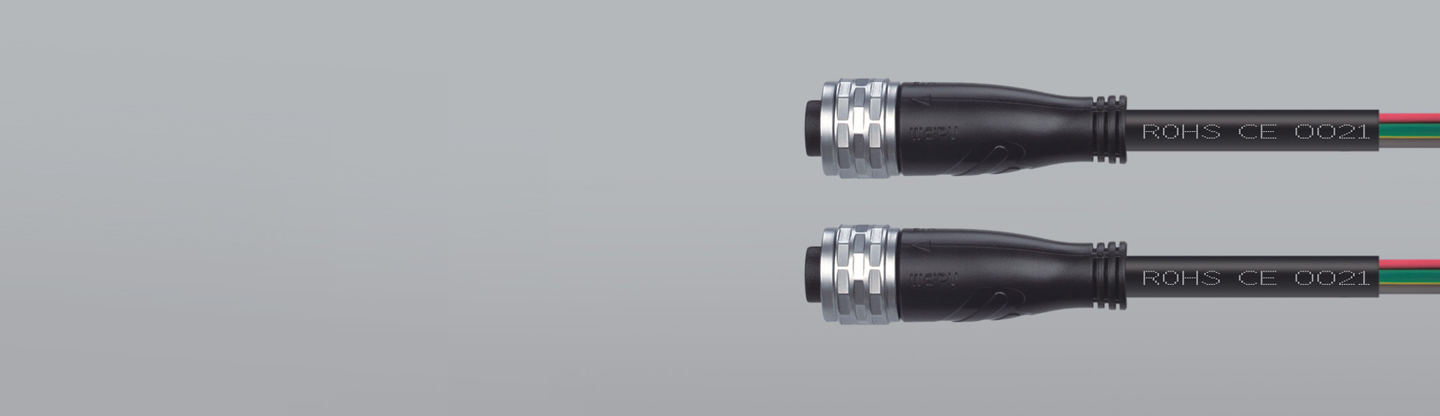
Our product range includes circular connector, industrial connector, and Heavy Duty Connector options for projects that require a defined electrical and mechanical interface. Buyers evaluating a standard or modified configuration should begin with the same disciplined inputs: application conditions, mating requirements, cable details, target protection level, compliance needs, and order forecast. This information allows the requested product type and customization scope to be reviewed against the project’s actual requirements rather than an incomplete description.
For a project considering a circular connector, an industrial connector, or a Heavy Duty Connector, the practical advantage of a clear specification is a more controlled path from selection to validation and procurement. Provide drawings, required quantities, operating conditions, and acceptance criteria at the inquiry stage. Our team can then review the requested configuration and identify the information needed to assess product fit; final suitability should be confirmed through the project’s agreed technical review and testing process.
To reduce avoidable changes before a production order, contact our team with your connector specification or review our circular, industrial, and heavy-duty connector products.
Frequently Asked Questions
What information should buyers provide when requesting a customized connector sample?
Provide the application environment, electrical ratings, contact arrangement, cable details, mating interface, mounting dimensions, required protection level, regulatory destination, target quantities, and dimensioned drawings. Separate mandatory requirements from preferences to help the supplier identify design and validation needs.
How can buyers avoid a mismatch between an approved sample and a bulk order?
Use controlled part numbers and drawing revisions, record sample acceptance criteria and results, and ensure the purchase order references the exact approved configuration. Document all changes and require written approval for substitutions.
Does an IP rating apply to the connector, the mated pair, or the full installation?
It depends on the tested configuration. Confirm whether the stated rating applies to the connector alone, the mated pair, or the completed installation, including cable and panel interfaces, and verify the relevant test conditions.
What should be checked before releasing a bulk connector order?
Confirm the approved drawing revision, sample inspection and test results, compliance documents for the ordered configuration, production inspection criteria, packaging and labeling requirements, delivery terms, and change-notification expectations.
Why can connector customization delay a project?
Delays can result from incomplete application requirements, unclear mating or mounting details, late design changes, unresolved compliance questions, tooling dependencies, or sample approval without measurable acceptance criteria. Resolving these inputs before sample production helps reduce rework.
Does ISO 9001 certification prove that a connector meets its performance requirements?
No. ISO 9001 concerns a quality management system and does not by itself certify the performance of a specific connector. Buyers should review product-specific drawings, test evidence, and compliance documents for the relevant part number and revision.
IP Ratings Compared: Which Waterproof Connector Fits Your Application?
Custom circular connector Manufacturers and Suppliers
Custom Waterproof Wire Connector Packaging, Logos, and Specifications
High-Voltage Medical Circular Connectors: Safety Guidelines

SY1110/P SY1110/S Cable connector IP67
Mate with SP1111,SP1112

WEIPU SP1110P/S Cable Connector IP68
Mate with SP1111, SP1112
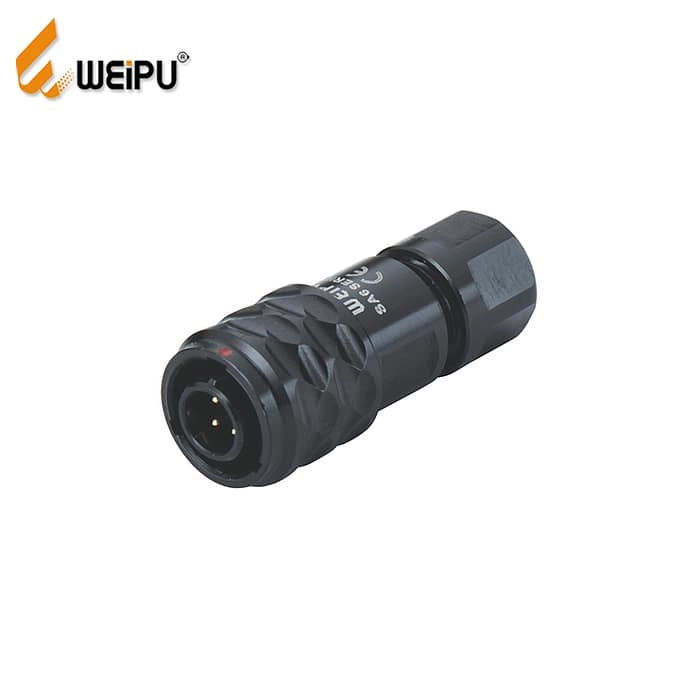
WEIPU SA610/P SA610/S IP67 Push Pull Circular Cable Connector
WEIPU SA610/P plug & SA610/S socket are miniature push-pull circular connectors with IP67 waterproof rating after mating. Built with anodized aluminum shell and gold-plated solder contacts, this SA series supports 2-5 pins, rated 3A 30V, certified CE & RoHS. Ideal for medical diagnostic devices, lab automation and precision sensors, fully compatible with SA611, SA612 and SA615 panel receptacles. WEIPU holds IATF16949 certification and supplies industrial connectors to 130+ countries.

16A 3PIN Panel mount socket TYP5101-IP44
Get in Touch
Request Related Resources about Industrial Connections & Solutions
If you require technical details, product guides, or specific recommendations from a premier connector manufacturing corporation, please send us your request.
We provide expert support for custom electrical connectors, offering OEM/ODM customization and dedicated distributor cooperation assistance.
Weipu Building, No. 111, Baihua Road, Liwan District, Guangzhou, Guangdong China
© 2026 WEIPU. All Rights Reserved.
Whatsapp: +8618102298073
WEIPU
WEIPU
WEIPU
WEIPU