





Custom power automate connectors Manufacturers and Suppliers
- Why Organizations Commission Bespoke Power Platform Integrations
- When a standard connector is not enough
- Translate the workflow into an integration brief
- Compare standard and custom approaches
- From Requirements and Prototype to Production
- Assess API and platform feasibility early
- Prototype around real API behavior
- Plan testing, deployment, and change control
- How to Vet Suppliers, Quality, and Regional Delivery
- Evaluate engineering capability and accountability
- Protect intellectual property and define commercial terms
- Check regional logistics and delivery readiness
- Frequently Asked Questions
Custom Power Automate connectors help organizations connect Microsoft Power Platform workflows to proprietary applications, APIs, and data services that standard connectors do not adequately support. A qualified custom connector supplier should be able to assess API readiness, design and test the integration, document authentication and error handling, and support secure deployment and maintenance. Because no target region or company profile is specified here, this guide focuses on broadly applicable supplier-selection practices and explains which regional factors buyers should confirm locally before contracting.
Why Organizations Commission Bespoke Power Platform Integrations
When a standard connector is not enough
Microsoft Power Automate provides connectors for many commonly used cloud and business services, but organizations often operate systems with unique data models, legacy interfaces, private APIs, or specialized workflows. In these cases, a custom connector can expose an API operation as an action or trigger that makers can use in a flow or other supported Power Platform solution. The purpose is not simply to reproduce an existing connector. It is to make a business capability usable in a controlled, supportable way while respecting the source system’s rules.
Typical projects include creating or updating records in an internal service, retrieving information from a specialist platform, initiating an approval in a business application, or responding to events from an API. Before commissioning development, buyers should determine whether the system already has a connector, whether an approved partner connector meets the requirement, and whether the API owner permits the intended access. A custom connector is not a workaround for missing API permissions, unstable endpoints, or contractual restrictions.
Translate the workflow into an integration brief
A useful brief describes the business outcome rather than beginning with a list of screens or preferred implementation details. Identify the users, the systems involved, the event that starts the workflow, the expected actions, the data exchanged, and the consequences of failure. State the approximate transaction volume, peak usage patterns, response-time expectations, and whether the flow is interactive or runs in the background. These details let suppliers judge feasibility and expose requirements that may affect licensing, API limits, or architecture.
Document the API’s current state as well. Share available OpenAPI or Swagger definitions, authentication documentation, sandbox access instructions, sample requests and responses, and known rate limits. If the interface is not documented, include an API owner or technical contact in discovery. A supplier cannot responsibly estimate a connector from a business-process description alone when endpoint behavior, permissions, and payloads remain unknown.
Compare standard and custom approaches
| Consideration | Standard connector | Custom connector |
|---|---|---|
| Best fit | Supported service and operations meet the workflow need | Required API or operation is unavailable or needs tailored behavior |
| Initial effort | Usually lower; configuration may be sufficient | Requires discovery, design, implementation, and validation |
| Control | Limited to the capabilities and update schedule provided | Can be shaped around the API and business requirements |
| Ongoing responsibility | Primarily governed by the connector publisher and platform | Requires an identified owner for API changes, monitoring, and support |
| Key buyer check | Confirm coverage, permissions, licensing, and service terms | Confirm security design, deployment model, documentation, and maintenance |
The comparison is not a promise that custom development is always more flexible or economical over time. Custom work introduces ownership obligations: an API change can require connector updates, and a successful pilot does not by itself establish production readiness. Buyers should compare the full lifecycle cost, including platform licensing, API consumption, supplier support, monitoring, and future changes.
From Requirements and Prototype to Production
Assess API and platform feasibility early
During discovery, the supplier should map the required workflow to API operations and identify technical constraints. These may include unsupported authentication patterns, asynchronous processing, pagination, binary data, long-running operations, throttling, or differences between sandbox and production environments. Confirm which Power Platform environments and governance controls will be used, who can create or share connections, and how credentials will be managed. Buyers should also decide whether the connector is for internal use, distribution within an organization, or publication to a wider audience, since those use cases can involve different review and operating requirements.
For Microsoft-specific behavior, ask the supplier to base recommendations on current official documentation rather than assumptions from an earlier project. Microsoft’s guidance on creating custom connectors in Power Automate covers the platform concepts and implementation path. For connectors intended for broader distribution, review Microsoft’s custom connector certification guidance and confirm applicable requirements before development begins. A certification process, where relevant, should not be represented as guaranteed or automatic.
Prototype around real API behavior
A prototype should test a small but representative set of operations in a non-production environment. Include both successful and unsuccessful calls, realistic payloads, permission boundaries, and expected responses when the API is unavailable or returns validation errors. Validate how inputs are presented to flow makers, whether outputs are understandable, and whether the connector handles pagination, timeouts, and rate limits appropriately. A clickable demonstration alone is not evidence that the integration can safely handle production data.
Agree on acceptance criteria before the prototype begins. Criteria can cover operation coverage, response mapping, authentication, error messages, performance under an agreed test profile, and deployment documentation. Keep sample data fictional or appropriately de-identified, and prohibit production credentials in development materials. The prototype should also test how secrets and connection references move between environments without exposing credentials in source files, logs, or handover documents.
Plan testing, deployment, and change control
Testing should include functional cases, negative cases, permission checks, and regression tests for the workflows that depend on the connector. Where the API supports it, test throttling and transient failures and agree how retries are handled. Excessive retries can duplicate writes or intensify an outage; therefore, retry behavior should reflect the API’s idempotency and service guidance. Review data minimization and retention requirements, especially when the connected systems contain personal, financial, health, or other sensitive information.
Define deployment responsibilities in writing. Specify who owns the connector definition, who approves changes, how updates are promoted between development, test, and production, and how rollback works. Clarify whether deliverables include source or editable definitions, OpenAPI files, configuration guidance, test evidence, administrator instructions, and maker-facing documentation. For relevant deployments, align the security program with recognized controls such as ISO/IEC 27001 information security management; an alignment claim is not a substitute for verifying the supplier’s actual controls and contract commitments.
How to Vet Suppliers, Quality, and Regional Delivery
Evaluate engineering capability and accountability
Ask potential suppliers to explain how they move from API assessment to production support. Useful evidence includes anonymized examples of integrations, a sample technical specification, test plans, deployment runbooks, and an explanation of how they manage API changes. Confirm the proposed team’s experience with Power Platform, API design, authentication, and the specific systems in scope. Request named delivery roles and establish who will make architecture decisions, review security, and respond to defects.
Assess quality through observable work products rather than broad assurances. Review whether the supplier documents assumptions, distinguishes confirmed facts from open questions, tests error paths, and provides traceable acceptance results. Ask how defects are categorized, how urgent production incidents are escalated, and what support hours and response targets are included. Security questions should cover access control, subcontractors, code and configuration storage, vulnerability handling, incident notification, and return or deletion of customer data at contract end.
Protect intellectual property and define commercial terms
Before sharing proprietary API details or credentials, use appropriate confidentiality and security arrangements. The contract should define ownership or license rights for custom code, connector definitions, documentation, and reusable supplier components. It should also explain whether the buyer can modify or transfer the deliverables, whether third-party libraries or services are involved, and what happens if the supplier relationship ends. Avoid relying on informal statements that the buyer “owns everything” without clarifying pre-existing tools, dependencies, and rights needed to operate the finished solution.
Commercial terms should separate discovery, prototype, production implementation, and ongoing support where that structure suits the project. Tie acceptance and payment milestones to agreed deliverables and objective criteria. Specify what counts as a change request, how API changes are handled, and whether support covers defects, platform changes, or enhancements. Buyers should check applicable privacy, data residency, export-control, and procurement obligations with their legal and compliance teams rather than assuming a supplier’s location determines where all processing occurs.
Check regional logistics and delivery readiness
Custom Power Automate connectors are software integrations, not physical electrical components, so shipping lanes, customs clearance, and freight tariffs generally do not determine delivery in the way they do for manufactured goods. Regional sourcing still matters: time-zone overlap, language, local contracting requirements, access to customer environments, data-location rules, and the ability to provide support during the buyer’s business hours can all affect project execution. Ask where the delivery team and any subcontractors are located, where project data will be accessed or stored, and whether remote access can be restricted to approved environments.
Because no target region is identified, buyers should verify local tax, privacy, cybersecurity, procurement, and cross-border data-transfer requirements for their own jurisdiction. Confirm whether the supplier can contract in the required entity, meet insurance and vendor onboarding requirements, and provide service continuity during local holidays or outages. For platform and security practices, consult relevant official guidance, including the OWASP API Security Project. Use that guidance as an evaluation reference, not as proof that a supplier or connector is secure.
A practical sourcing decision balances technical fit, transparent ownership, security evidence, delivery communication, and support capability. Shortlist suppliers that are willing to challenge unclear requirements, surface API limitations early, and explain trade-offs in language that business and technical stakeholders can both assess. Before signing, confirm scope, dependencies, acceptance tests, information-security obligations, change control, and the handover plan. These checks make it easier to distinguish a functioning prototype from a connector that is supportable in everyday operations.
Contact us with your Power Automate connector requirements to discuss a tailored project scope, feasibility review, and delivery plan.
Frequently Asked Questions
When should a business commission a custom Power Automate connector?
Consider a custom connector when a required API, operation, or tailored interaction is not adequately supported by standard or approved connectors. First verify API access, permissions, documentation, and contractual approval.
What information should we provide to a connector supplier before requesting a proposal?
Provide the business outcome, systems involved, workflow triggers and actions, data exchanged, expected volume, response-time needs, API documentation, authentication details, sandbox access instructions, sample payloads, and known limits.
How can we validate a prototype before production deployment?
Test representative operations in a non-production environment, including successful and failed requests, realistic payloads, permissions, errors, rate limits, and environment deployment. Agree on measurable acceptance criteria before testing.
Who is responsible for maintaining a custom Power Automate connector?
The contract should identify the owner responsible for monitoring API changes, approving updates, testing regressions, and supporting incidents. Buyers should clarify whether ongoing maintenance is included or separately priced.
What should a custom connector contract say about intellectual property?
Define rights to custom code, connector definitions, documentation, reusable supplier components, and third-party dependencies. Also specify modification and transfer rights, deliverables, support after termination, and handling of customer data.
Do regional sourcing considerations affect custom Power Automate connector delivery?
Yes. Time-zone overlap, support hours, local contracting and procurement requirements, data location, cross-border transfers, and subcontractor access can matter. Buyers should verify applicable rules for their own jurisdiction; physical freight and customs are generally not central because the deliverable is software.
Custom Panel Mount Circular Connector Solutions for Harsh Environments
Choosing Wire Tap Connectors by Wire Gauge, Voltage, and Application
Heavy Duty Wire Connector QC: Tests, Standards, and Inspection
Testing and Quality Control for Square Socket Connectors
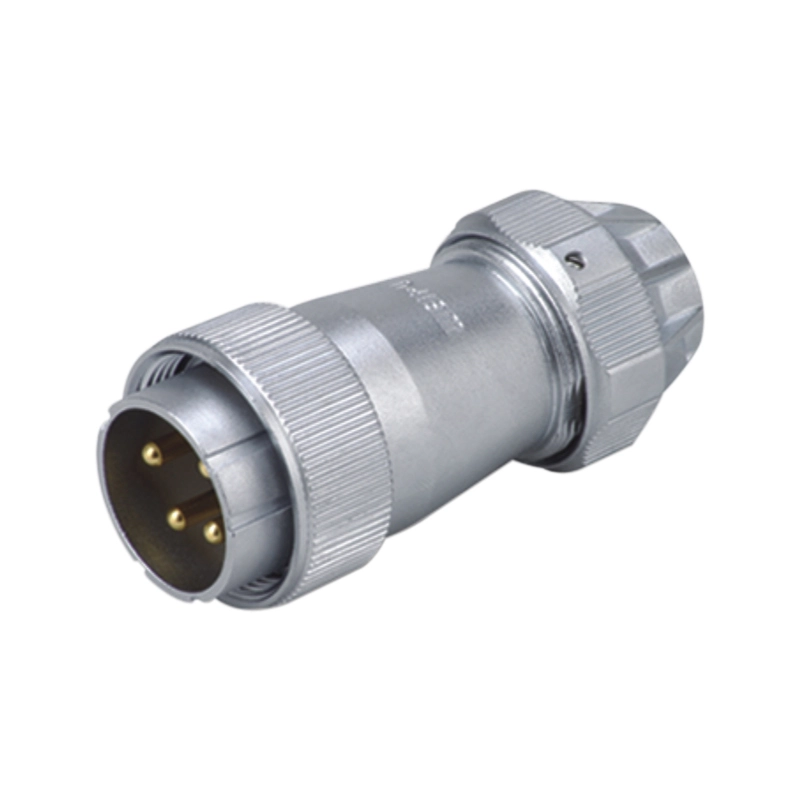
Weipu WF Series Industrial Threaded Connectors with IP67 Protection
WEIPU WF Series Industrial Threaded Connectors offer robust IP67 protection, ensuring reliable performance in harsh environments. Designed for secure, waterproof connections, these IP67 connectors are ideal for industrial applications requiring durability and stability. Trust WEIPU for quality and safety.
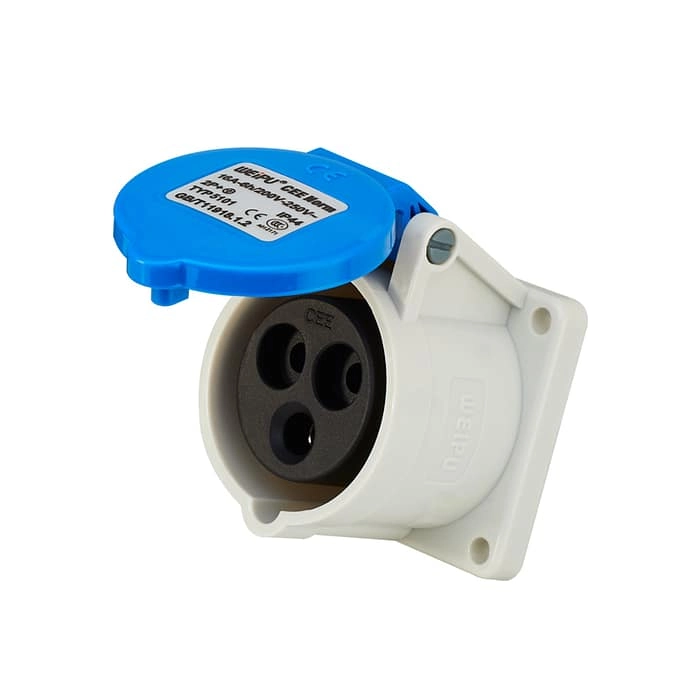
16A 3PIN Panel mount socket TYP5101-IP44
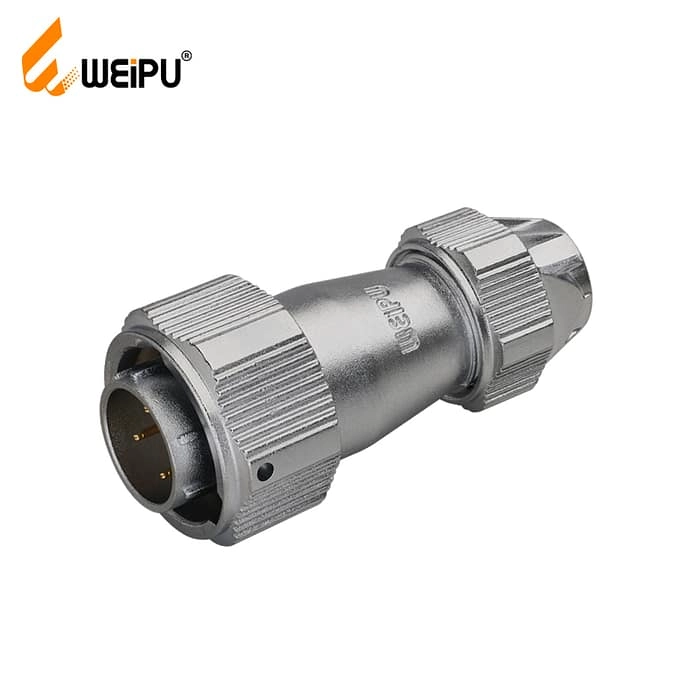
WEIPU WY-TE Series Waterproof Electrical Plug
With metal clamping-nut IP67, Threaded, Zinc alloy with chrome plating, PPS
WEIPU WY-TE IP67 circular connectors are waterproof electrical plugs with metal clamping-nut, which are durable, safe and easy to assemble with your all devices.With the metal clamping-nut and threaded design, these waterproof electrical plugs ensure high security and super stable connection. It’s an ideal waterproof connector for your applications.
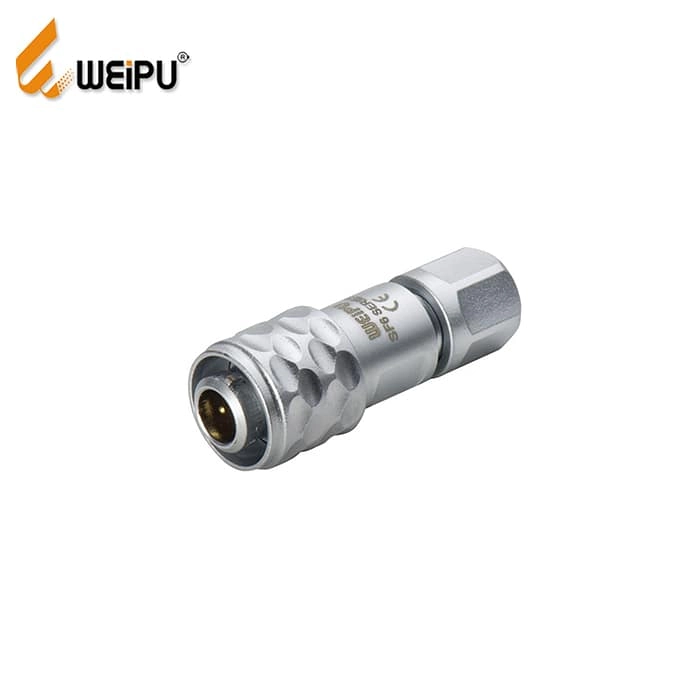
SF610B/P SF610B/S Cable connector IP67
Mate with SF611B, SF612B, SF615B
Get in Touch
Request Related Resources about Industrial Connections & Solutions
If you require technical details, product guides, or specific recommendations from a premier connector manufacturing corporation, please send us your request.
We provide expert support for custom electrical connectors, offering OEM/ODM customization and dedicated distributor cooperation assistance.
Weipu Building, No. 111, Baihua Road, Liwan District, Guangzhou, Guangdong China
© 2026 WEIPU. All Rights Reserved.
Whatsapp: +8618102298073
WEIPU
WEIPU
WEIPU
WEIPU