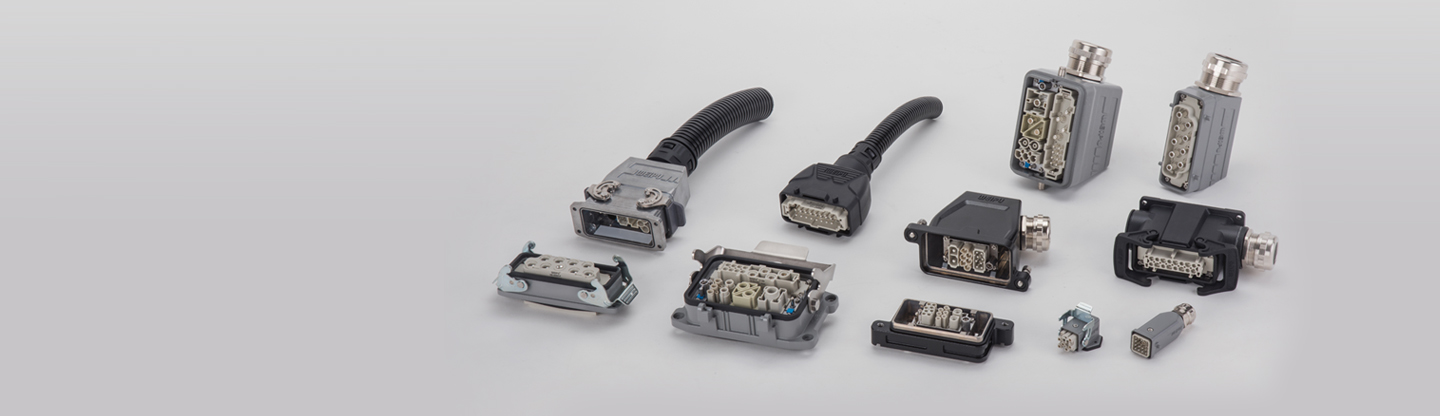
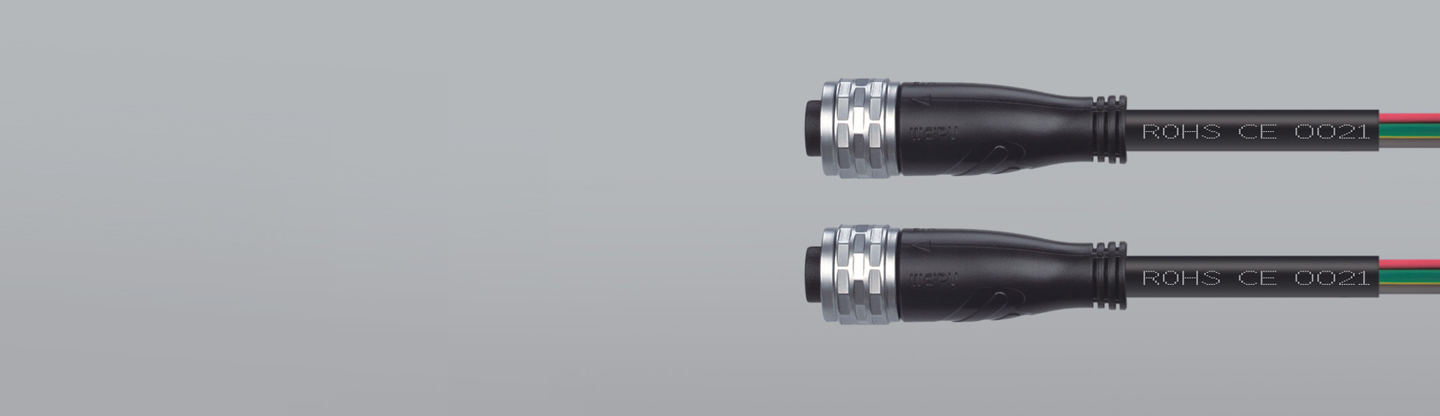


Custom Waterproof Wire Connector Packaging, Logos, and Specifications
- How to Define a Custom Sealed Connector Program
- Start with the application environment
- Convert technical needs into a controlled specification
- Use packaging as a quality and logistics tool
- Logo, Label, and Packaging Customization for B2B Supply Chains
- Build a controlled brand identity
- Make the package fit the procurement workflow
- Connect specifications to compliance evidence
- Supplier Evaluation, Testing, and Total Cost of Ownership
- Assess manufacturing control before ordering
- Compare more than unit price
- Why WEIPU is suited to customized industrial connectivity
- Recommended buyer approval checklist
- Frequently Asked Questions
- What information is needed to customize a sealed industrial connector?
- Can a supplier print a customer logo and barcode on the package?
- Is IP67 sufficient for every outdoor application?
- How should customized connector packaging be tested?
- What documents should be requested before mass production?
- What is the benefit of using an OEM or ODM connector supplier?
Custom waterproof wire connector programs require more than a branded carton or a printed logo. Buyers must align mechanical design, ingress protection, electrical performance, packaging integrity, labeling, traceability, regulatory documentation, and production control with the actual operating environment. A dependable specification should define connector type, contact arrangement, conductor range, rated voltage and current, sealing material, temperature range, mating cycles, cable-entry method, corrosion resistance, inspection requirements, and packaging configuration. For industrial connectors used in outdoor equipment, rail systems, automation, renewable energy, medical devices, and mobile machinery, packaging and identification are part of product quality because they influence warehouse accuracy, installation time, field maintenance, and long-term brand reputation.
How to Define a Custom Sealed Connector Program
Start with the application environment
The correct configuration begins with the environment rather than the catalog appearance. A supplier should understand whether the assembly will face rain, washdown, dust, oil, salt spray, vibration, ultraviolet exposure, chemicals, temperature cycling, or continuous immersion. Outdoor photovoltaic equipment may require UV-stable materials and resistance to condensation, while food-processing machinery may need smooth surfaces and frequent high-pressure cleaning. Rail and mobile equipment can impose demanding vibration, shock, and cable-flexing conditions. Medical equipment may require sterilization compatibility, including repeated exposure to elevated temperature.
Ingress protection should be specified according to the intended test method, not used as a general marketing phrase. The IEC 60529 standard defines the IP code system for enclosure protection against solids and water. Buyers should distinguish between protection when mated, protection with an accessory cap installed, and protection during cable movement. A connector promoted as IP67 may not provide the same protection as an IP69K assembly under high-temperature, high-pressure cleaning. The required rating should therefore be connected to a defined test condition and complete assembly.
Convert technical needs into a controlled specification
A procurement specification should include the number of contacts, contact size, conductor cross-section, termination method, shell material, plating system, locking mechanism, gasket compound, cable diameter range, and allowable dimensional tolerances. Electrical requirements should cover rated voltage, continuous current, peak current, insulation resistance, dielectric withstand voltage, contact resistance, and permissible temperature rise. These values must be evaluated together because current capacity depends on conductor size, contact geometry, ambient temperature, enclosure conditions, and the number of energized circuits.
Mechanical requirements are equally important. The document should identify coupling style, keying or polarization, mounting arrangement, panel cutout, backshell direction, strain relief, retention force, mating cycles, and allowable cable bend radius. For a harness supplied to multiple factories, a drawing with revision control prevents incompatible substitutions. A change to shell resin, terminal plating, sealing compound, or cable gland can alter field performance even when the external shape appears unchanged.
Use packaging as a quality and logistics tool
Packaging must protect the assembly from moisture, dust, impact, electrostatic risk, deformation, and mixed-part contamination. Individual bags, compartment trays, molded pulp inserts, and reusable returnable packaging each suit different supply chains. Delicate pre-terminated harnesses generally benefit from geometry-controlled trays or separators, while bulk connector bodies may be shipped in counted bags inside reinforced cartons. Packaging should prevent terminals from rubbing against one another and should keep sealing components free from compression damage.
Each package should communicate enough information for receiving, kitting, installation, and after-sales service. Useful fields include manufacturer part number, customer part number, revision, quantity, lot or batch number, production date, barcode or QR code, connector configuration, compliance marks, and storage conditions. The label format should be agreed before mass production because warehouse management systems may require Code 128, Data Matrix, or another machine-readable format. Human-readable text remains necessary for field technicians when scanning equipment is unavailable.
| Customization area | Recommended buyer requirement | Primary business benefit |
|---|---|---|
| Individual protection | Moisture barrier, terminal protection, separator or tray | Lower damage and contamination during transport |
| Outer carton | Defined dimensions, compression strength, quantity per carton | Improved pallet utilization and predictable freight cost |
| Labeling | Part number, revision, lot, quantity, barcode, compliance data | Faster receiving and stronger traceability |
| Brand presentation | Approved logo artwork, color references, language rules | Consistent market identity and fewer packaging errors |
| Documentation | Drawing, inspection plan, certificate and change-control records | Lower approval risk and easier audits |
Logo, Label, and Packaging Customization for B2B Supply Chains
Build a controlled brand identity
Logo customization should be treated as a controlled engineering input. Buyers should provide vector artwork, approved color references, minimum clear space, permitted background colors, and rules for using the corporate mark on the connector, bag, carton, label, and instruction sheet. Laser marking, pad printing, embossing, inkjet coding, and adhesive labels have different durability characteristics. The suitable method depends on surface material, curvature, abrasion, solvent exposure, and expected service life.
For a long-life industrial product, marking should remain readable after handling and cleaning. A logo alone is not sufficient for identification. The preferred marking system combines the brand with a unique part number, revision code, and traceability identifier. Where space permits, a Data Matrix code can link the physical assembly to inspection records, installation instructions, certificates, and approved engineering revisions. The customer should approve a production-intent marking sample rather than relying only on a digital artwork proof.
Make the package fit the procurement workflow
Packaging quantities should reflect how components are received and consumed. A machine builder assembling ten units per shift may need smaller kits with pre-counted quantities, while a distributor may prioritize shelf-ready cartons and mixed-model identification. Project owners should also define whether accessories such as caps, backshells, contacts, seals, and mounting hardware are packed together or separately. Clear separation reduces picking errors and prevents the wrong sealing component from being installed.
Export packaging introduces additional considerations, including pallet dimensions, carton weight, humidity protection, drop resistance, and destination labeling. The ISO 780 packaging marking guidance is a useful reference for handling symbols and shipment identification, although project-specific logistics requirements may be stricter. Buyers should ask for a packaging validation plan covering vibration, compression, drop exposure, storage duration, and humidity where the distribution route justifies it.
Connect specifications to compliance evidence
Compliance claims should be supported by documents that match the exact product configuration. Relevant evidence may include material declarations, restricted-substance statements, test reports, dimensional inspection records, and certificates from an accredited laboratory. The ISO 9001 quality management standard provides a recognized framework for controlled processes, customer requirements, documented information, and continual improvement. It does not replace product testing, but it helps buyers evaluate whether the supplier can consistently reproduce an approved design.
Where a connector is used in medical equipment, the final device manufacturer remains responsible for validating the complete system and applicable regulatory pathway. The U.S. Food and Drug Administration medical device resources illustrate why component documentation, change control, biocompatibility considerations, and process validation may matter beyond a simple connector datasheet. For rail applications, purchasers should also assess the supplier’s quality controls, material traceability, and project-specific qualification requirements rather than treating a generic certificate as universal approval.
Supplier Evaluation, Testing, and Total Cost of Ownership
Assess manufacturing control before ordering
A capable supplier should demonstrate how design inputs become controlled production outputs. The evaluation should cover mold control, terminal stamping, plating consistency, assembly fixtures, seal installation, torque control, automated or semi-automated inspection, final electrical testing, and batch traceability. Vertical integration can reduce delays between engineering, tooling, production, and corrective action. It also gives the buyer a clearer route for managing design changes and resolving recurring quality issues.
Buyers should request a pre-production sample that uses the intended materials, tooling, marking process, packaging, and inspection method. Sample approval should include dimensional checks, mating verification, electrical tests, sealing inspection, and packaging review. For higher-risk applications, a qualification plan may include thermal cycling, vibration, mechanical shock, salt spray, water-jet exposure, insulation resistance, dielectric withstand, contact resistance, and endurance testing. Test severity should reflect the actual service environment and contractual requirements.
Compare more than unit price
The lowest quoted price may create higher total cost through installation mistakes, damaged seals, delayed replenishment, field failures, or poor traceability. A total-cost review should include tooling, minimum order quantity, packaging development, artwork setup, sample approval, freight volume, warranty exposure, inspection labor, and inventory carrying cost. Standardized interfaces can reduce spare-part complexity, but excessive customization may increase obsolescence risk. Buyers should ask which dimensions and materials are proprietary, which parts are interchangeable, and how long approved components will remain available.
Forecast visibility is particularly valuable for customized assemblies. A supplier can reserve materials, plan tooling capacity, and reduce emergency production when the buyer shares rolling demand information. A documented engineering change process should define notification timing, sample requirements, approval responsibility, and the treatment of existing inventory. This discipline protects both the connector manufacturer and the equipment owner from uncontrolled substitutions.
Why WEIPU is suited to customized industrial connectivity
WEIPU has operated since 1996 and has developed a global position in high-reliability industrial connectors. As a principal drafter of the GB/T 11918-2014 national standard, our engineering approach is grounded in formal requirements as well as practical application needs. Following the 2025 facility expansion, our manufacturing footprint reaches 80,000 m² with annual capacity of 55 million units. This scale supports stable supply for OEMs, distributors, infrastructure programs, and multinational production networks.
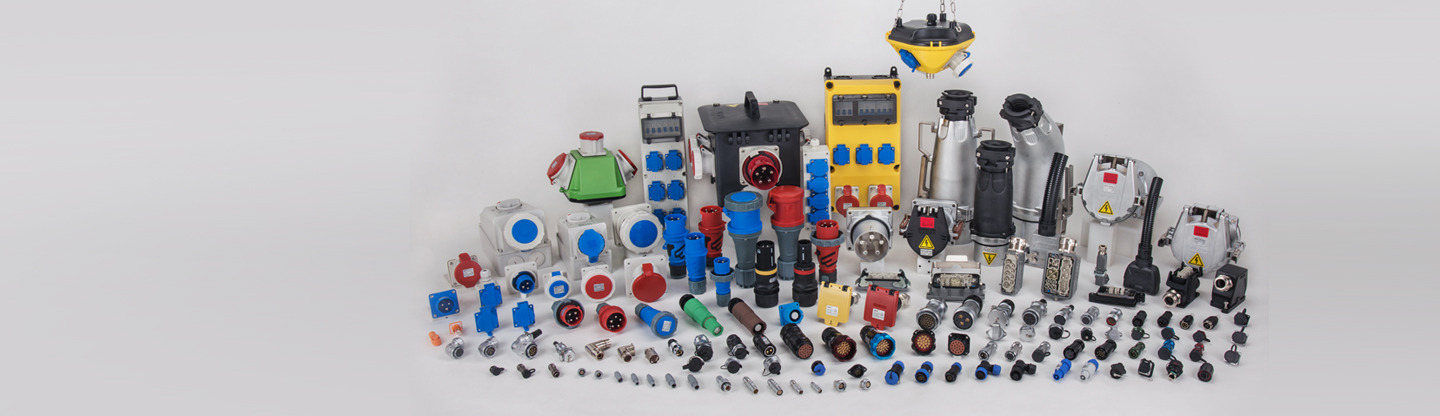
Our portfolio includes more than 70,000 specifications across circular connector, industrial connector, Heavy Duty Connector, CEE connector, and related configurations. This breadth allows project teams to select a proven platform before requesting application-specific changes to contacts, cable entry, mounting, keying, marking, packaging, or documentation. WEIPU serves more than 30,000 customers in 130 countries, giving our team experience with varied logistics, labeling, and compliance expectations.
Our certifications include IRIS for rail transit and IATF 16949 for automotive applications. These systems support disciplined process control, traceability, corrective action, and customer-specific requirements. Independent research and development, together with a vertically integrated production system, helps our team control the connection between tooling, materials, assembly, and inspection. Buyers can therefore evaluate customization as a managed engineering program rather than as an informal packaging request.
WEIPU technology supports demanding applications with solutions reaching IP69K protection, 800A high-current capacity, and medical connector designs resistant to 134°C autoclaving. The appropriate capability depends on the specific model and qualification plan, so each project should be confirmed against the applicable drawing and test report. Applications include renewable energy, medical equipment, rail transportation, smart manufacturing, automation, and other mission-critical systems where reliable mating and environmental protection are essential.
Our one-stop OEM and ODM service covers consultation, product selection, engineering review, samples, packaging development, and production coordination. A 24-hour rapid-response process supports urgent technical communication, while prototype delivery can be completed in 7–15 days for suitable projects after requirements are confirmed. For brand owners, this shortens the path from concept to validation; for distributors, it supports differentiated private-label programs; and for equipment manufacturers, it simplifies supplier coordination.
Recommended buyer approval checklist
- Confirm the environmental profile, IP requirement, temperature range, chemicals, vibration, and cleaning method.
- Approve the electrical and mechanical specification, including contact layout, cable range, current, voltage, mating cycles, and mounting dimensions.
- Define logo artwork, marking technology, label data, barcode format, languages, and revision control.
- Approve packaging quantity, separator design, carton dimensions, storage conditions, and export requirements.
- Request drawings, material declarations, test reports, inspection plans, certificates, and change-control procedures.
- Validate production-intent samples before releasing a purchase order for mass production.
Frequently Asked Questions
What information is needed to customize a sealed industrial connector?
Provide the application environment, ingress protection target, contact count, conductor size, voltage, current, temperature range, cable diameter, mounting method, mating cycles, marking requirements, packaging quantity, and required certifications. A drawing, sample, or equipment interface specification can accelerate engineering review.
Can a supplier print a customer logo and barcode on the package?
Yes. Common options include labels, inkjet coding, laser marking, pad printing, and embossing. The buyer should supply approved vector artwork and define barcode content, revision rules, durability expectations, and human-readable information before production artwork is released.
Is IP67 sufficient for every outdoor application?
No. IP67 addresses protection against dust and temporary immersion under defined test conditions, but it does not automatically represent resistance to high-pressure washdown, continuous immersion, chemicals, vibration, or cable movement. The required rating should match the complete mated assembly and actual operating environment.
How should customized connector packaging be tested?
Packaging validation can include visual inspection, moisture exposure, compression, vibration, drop testing, quantity verification, barcode readability, and storage simulation. The final plan should reflect the distribution route, product fragility, warehouse duration, and customer handling process.
What documents should be requested before mass production?
Buyers should request an approved drawing, product specification, sample inspection record, material information, applicable test reports, certificate copies, packaging artwork, labeling specification, quality plan, and engineering change procedure. Higher-risk projects may also require process audits and qualification testing.
What is the benefit of using an OEM or ODM connector supplier?
An OEM or ODM supplier can coordinate product design, tooling, materials, marking, packaging, testing, and production under one controlled program. This can reduce communication gaps, shorten prototype cycles, and improve consistency when the buyer requires a differentiated connector or private-label supply.
Contact WEIPU at salse01@weipu-group.com or +86-020-80501102 to review custom circular, industrial, and Heavy Duty Connector requirements or explore suitable products at https://www.weipu-group.com/.
Square Socket Connector Buyer’s Guide: Types & Applications
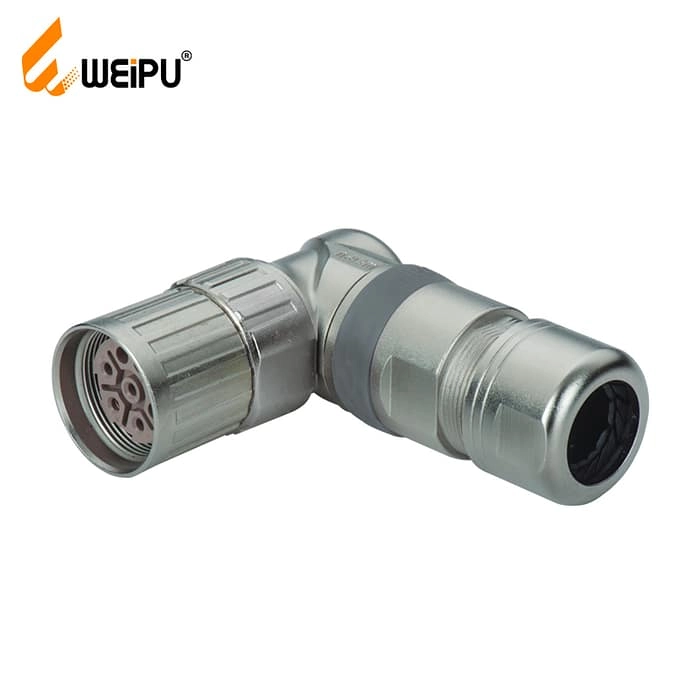
High-Reliability M23DK-TL Angled Power Connector (IP67) — Durable M23 Female Contact Solution
Preventing Gland Cable Failures: Seals, Threads, and Fit
From Connector Samples to Bulk Orders: Avoiding Customization Delays

SY1110/P SY1110/S Cable connector IP67
Mate with SP1111,SP1112

WEIPU SP1110P/S Cable Connector IP68
Mate with SP1111, SP1112
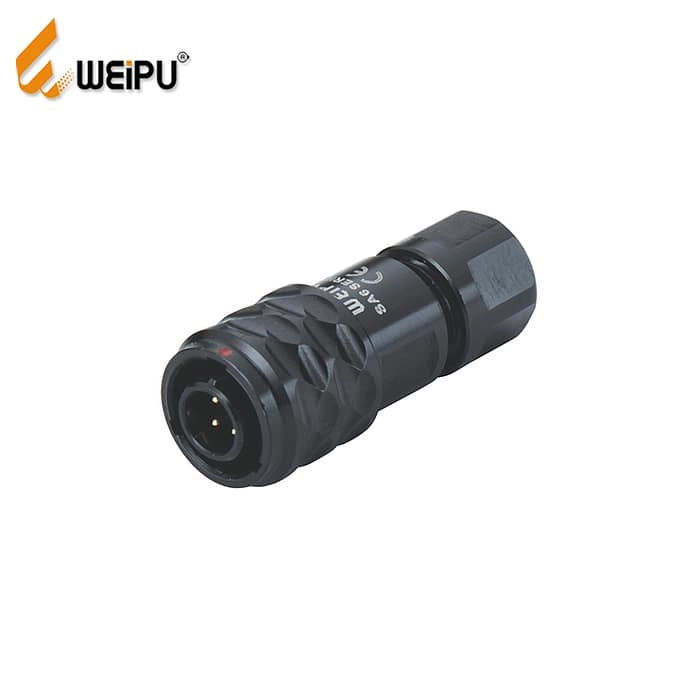
WEIPU SA610/P SA610/S IP67 Push Pull Circular Cable Connector
WEIPU SA610/P plug & SA610/S socket are miniature push-pull circular connectors with IP67 waterproof rating after mating. Built with anodized aluminum shell and gold-plated solder contacts, this SA series supports 2-5 pins, rated 3A 30V, certified CE & RoHS. Ideal for medical diagnostic devices, lab automation and precision sensors, fully compatible with SA611, SA612 and SA615 panel receptacles. WEIPU holds IATF16949 certification and supplies industrial connectors to 130+ countries.

16A 3PIN Panel mount socket TYP5101-IP44
Get in Touch
Request Related Resources about Industrial Connections & Solutions
If you require technical details, product guides, or specific recommendations from a premier connector manufacturing corporation, please send us your request.
We provide expert support for custom electrical connectors, offering OEM/ODM customization and dedicated distributor cooperation assistance.
Weipu Building, No. 111, Baihua Road, Liwan District, Guangzhou, Guangdong China
© 2026 WEIPU. All Rights Reserved.
Whatsapp: +8618102298073
WEIPU
WEIPU
WEIPU
WEIPU