Harness Cable Assembly: Key Specifications for B2B Buyers
- Engineering Requirements for Industrial Cable Harnesses
- Electrical ratings and conductor selection
- Connector interface and contact architecture
- Mechanical construction and installation constraints
- Environmental Protection and Compliance Criteria
- Ingress, temperature, chemicals, and vibration
- Safety, regulatory, and quality documentation
- Comparison of common specification choices
- Supplier Evaluation, Testing, and Total Cost
- Design-for-manufacture and validation planning
- Traceability and change control
- Cost beyond the unit price
- Why WEIPU Is a Strategic Connectivity Partner
- Industrial connector depth and global manufacturing capacity
- Application performance and certification strength
- Fast customization and one-stop project support
- Frequently Asked Questions
A harness cable assembly is a configured interconnection system that combines insulated conductors, terminals, industrial connectors, backshells, shielding, protective sleeving, labels, and strain-relief components into a tested production-ready unit. For B2B buyers, the correct specification is not simply a cable length and connector part number. It must match the equipment’s voltage, current, temperature, vibration, ingress exposure, flexing pattern, installation space, service life, regulatory obligations, and maintenance strategy. A structured review of electrical, mechanical, environmental, and manufacturing requirements reduces field failures, simplifies installation, and improves total cost of ownership.
Engineering Requirements for Industrial Cable Harnesses
Electrical ratings and conductor selection
Voltage and current requirements should be defined at the circuit level rather than estimated from nominal equipment power. Buyers should state continuous current, peak or inrush current, duty cycle, ambient temperature, conductor bundling, allowable voltage drop, and the maximum permissible temperature rise. These variables influence conductor cross-section, insulation system, terminal size, contact resistance, and connector derating. A design that appears adequate at room temperature may become unsuitable when several energized circuits are grouped inside a restricted enclosure.
Conductor material, strand construction, insulation compound, and color coding also affect reliability. Fine-stranded copper is generally more suitable for repeated movement than solid wire, while tinned copper can provide improved corrosion resistance in humid or chemically active environments. Signal circuits may require twisted pairs, controlled impedance, individually shielded conductors, or separation from high-current and switching circuits. Buyers should request conductor specifications, voltage-drop calculations, crimp pull-force results, and continuity or hipot test records where applicable.
Connector interface and contact architecture
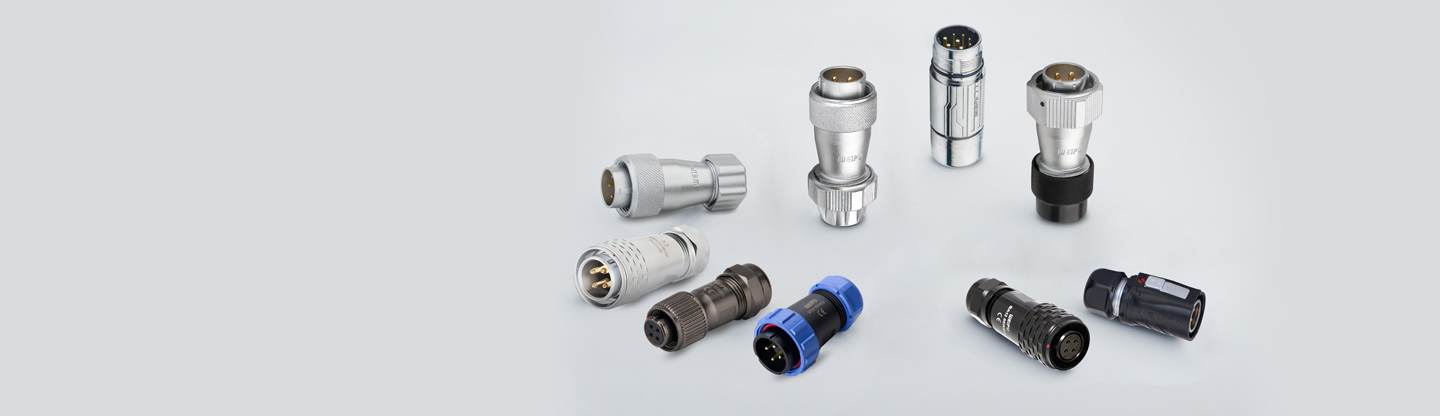
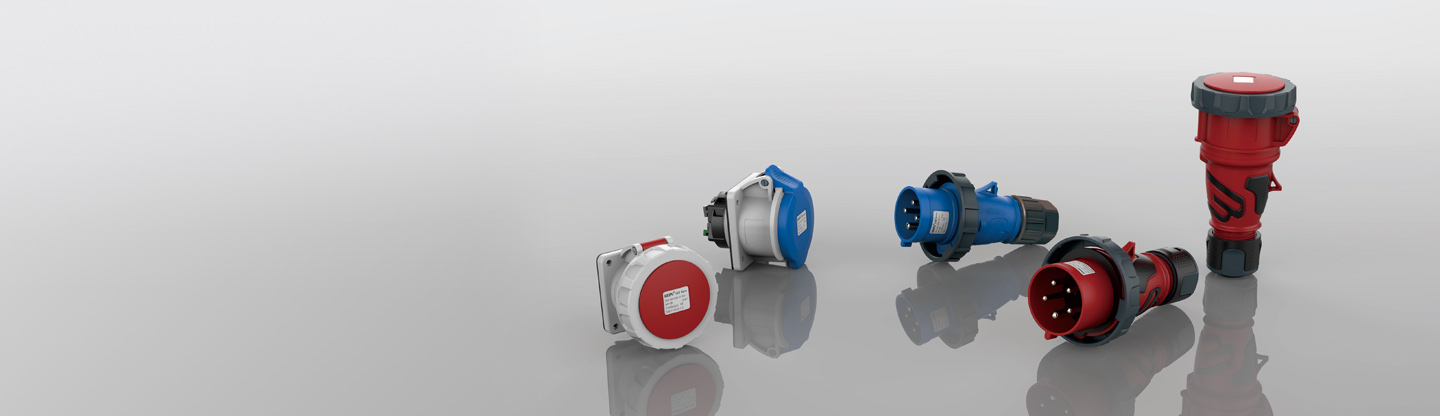
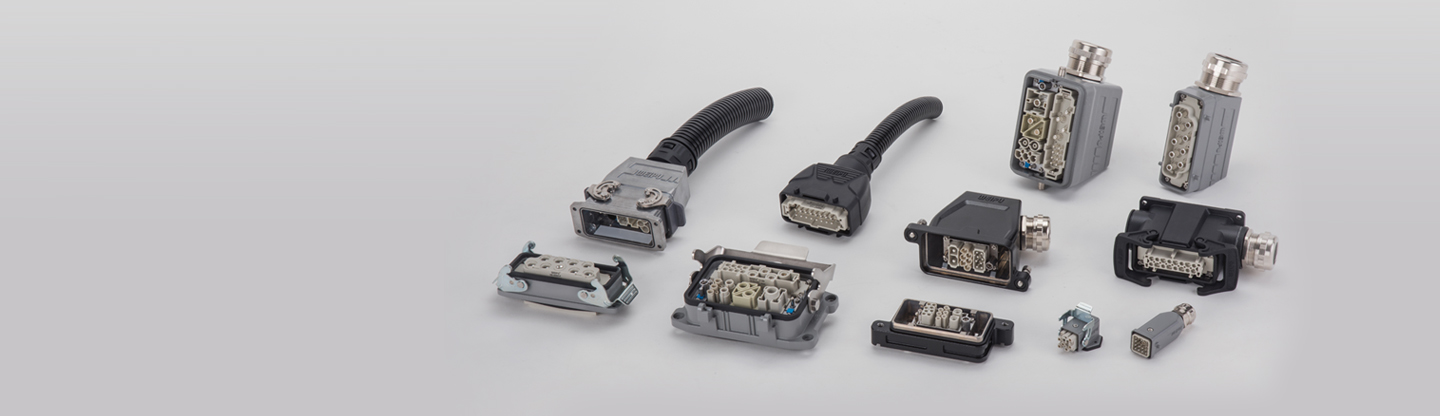
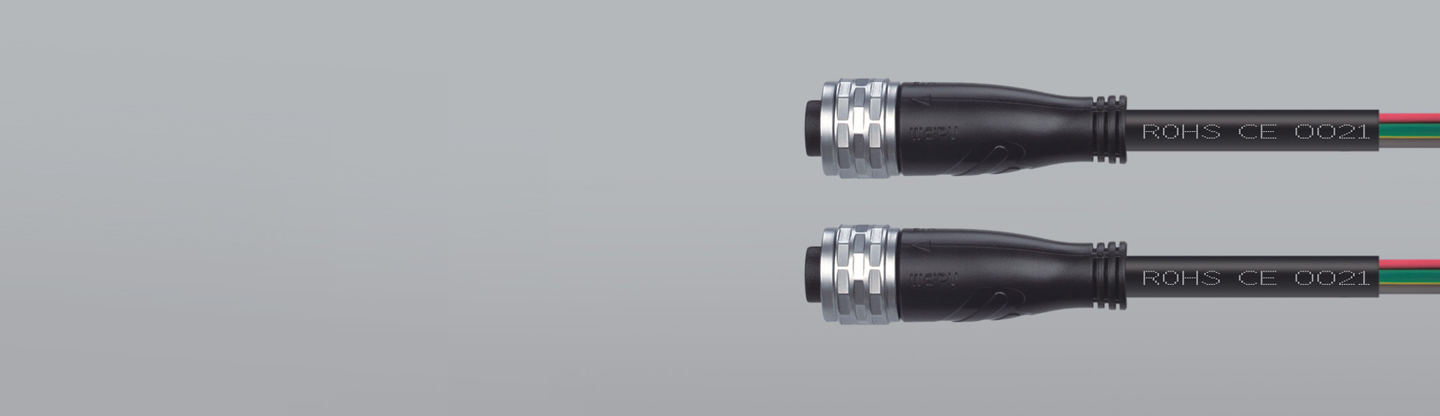
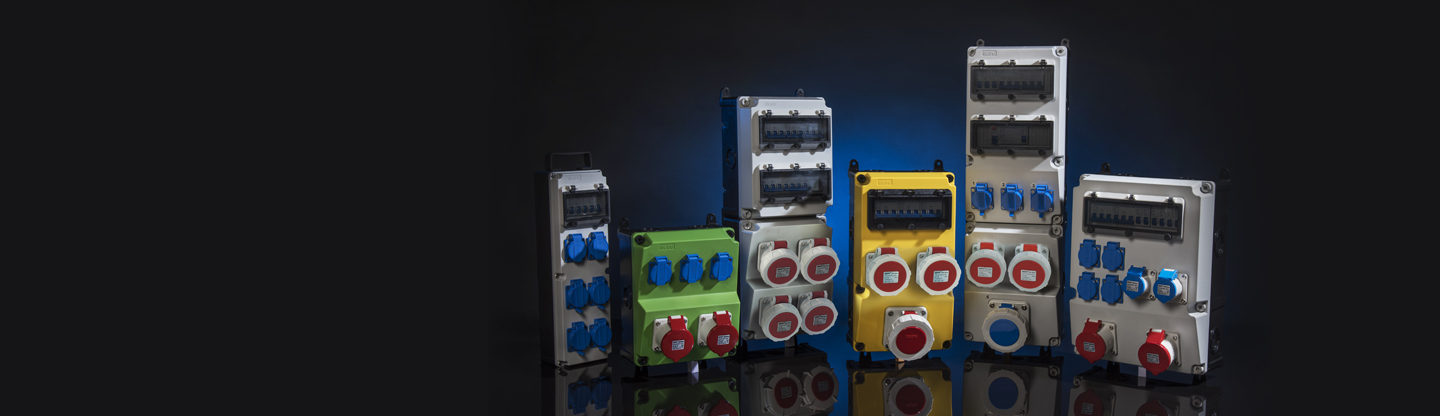
Connector selection must account for contact count, contact arrangement, gender, keying, locking method, mating cycles, termination technology, and available installation space. A circular connector can be effective where compact routing, rotational alignment, and environmental sealing are important. A heavy-duty connector is often more appropriate for removable machine modules, high-vibration equipment, and protected industrial power or control interfaces. CEE products may be relevant for standardized industrial power distribution, but the complete interface still requires verification against local voltage, frequency, pole configuration, and protection requirements.
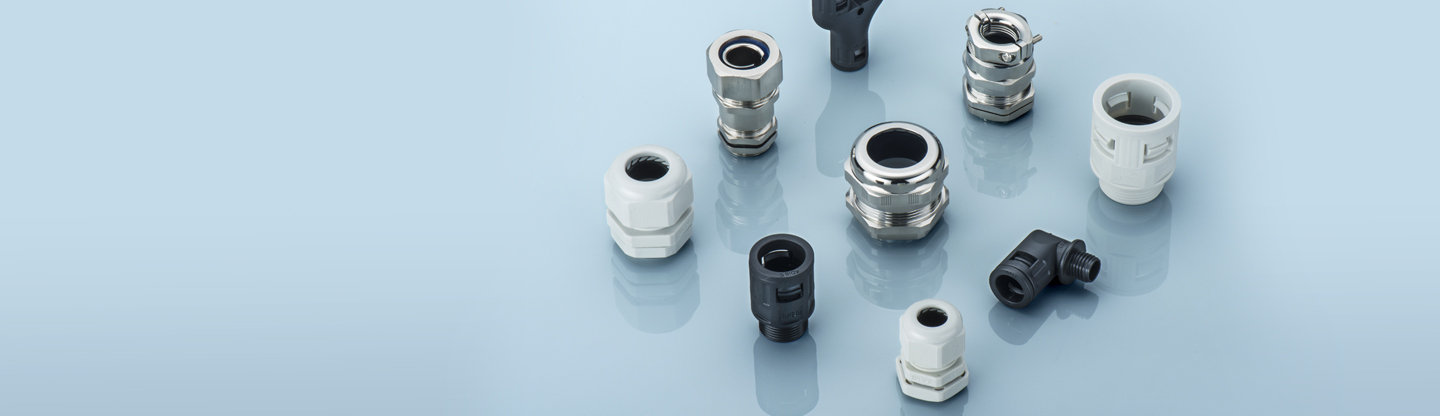
Contact material and plating influence conductivity, fretting resistance, corrosion behavior, and service life. Gold-plated signal contacts can support low-level circuits, while silver or other suitable contact systems may be selected for higher-current industrial applications according to the manufacturer’s design rules. Buyers should confirm that the plug, receptacle, backshell, cable gland, and terminal system are qualified as one compatible interface. Mixing components from different families without a documented mating and sealing assessment can create dimensional, thermal, or ingress weaknesses.
Mechanical construction and installation constraints
Mechanical specifications should identify overall length, branch locations, minimum bend radius, breakout orientation, unsupported span, connector exit direction, and fixing points. A production drawing should show datum references and tolerances so the supplier can reproduce the assembly consistently. Cable length tolerance is particularly important in compact machines, where a few additional centimeters can interfere with doors, moving axes, heat sources, or service access.
Strain relief must transfer pulling and bending forces away from crimp barrels and contact interfaces. In dynamic applications, buyers should define the number of flex cycles, travel distance, acceleration, torsion, and cable carrier geometry. Static routing has different requirements from robotic motion, drag-chain movement, rail vehicles, or handheld medical equipment. The selected jacket, braid, conduit, and termination should be validated under the actual motion profile rather than under a generic laboratory assumption.
Environmental Protection and Compliance Criteria
Ingress, temperature, chemicals, and vibration
Environmental performance should be expressed through measurable conditions. The required ingress protection level depends on exposure to dust, washdown, temporary immersion, oil, coolant, cleaning agents, salt mist, and condensation. IEC 60529 defines the IP Code framework used to classify enclosure protection against solids and water; however, the rating of a connector does not automatically prove that the entire assembled cable system remains protected after field installation.
Temperature evaluation should include ambient temperature, internal heat generation, nearby hot surfaces, cold-start conditions, and sterilization or cleaning cycles. Materials can become brittle at low temperatures, soften at elevated temperatures, or lose sealing pressure after repeated thermal excursions. In medical equipment, renewable-energy systems, and outdoor automation, chemical compatibility may be as important as water protection. Buyers should ask for material declarations and application-specific validation for oils, disinfectants, hydraulic fluids, ultraviolet exposure, and salt-laden air.
Vibration and shock are common causes of intermittent faults. Locking mechanisms, contact retention, backshell support, cable anchoring, and terminal crimp quality must work together under the equipment’s actual profile. Rail and automotive projects may require sector-specific qualification, while industrial machinery may require documented endurance testing based on the machine risk assessment. A supplier should explain the test method, sample configuration, acceptance criteria, and whether the test included the final cable construction rather than an isolated connector.
Safety, regulatory, and quality documentation
Procurement teams should distinguish between a supplier’s management-system certification and product-level approval. ISO 9001 addresses quality management systems, while sector frameworks such as IATF 16949 and IRIS apply additional expectations in automotive and rail supply chains. Depending on the market and end use, documentation may include UL or CSA recognition, RoHS and REACH declarations, flammability evidence, material certificates, conflict-minerals statements, or test reports for specific connector families.
For harness production, IPC/WHMA-A-620 provides widely recognized requirements and acceptance criteria for cable and wire harness assemblies. It does not replace the buyer’s engineering specification, but it offers a useful basis for workmanship, crimping, soldering, splicing, labeling, and inspection requirements. The purchase order should identify the applicable revision, acceptance class, special characteristics, sample approval process, and change-notification obligations.
Comparison of common specification choices
| Specification area | Standard-duty selection | Higher-reliability selection | Buyer validation focus |
|---|---|---|---|
| Connector protection | Basic sealed or unsealed interface | Verified high-IP interface with compatible backshell and gland | Ingress test conditions, mating state, and installation method |
| Conductor construction | General stranded copper | Fine-stranded, application-rated copper with defined flex performance | Current, bend cycles, temperature, and voltage drop |
| Shielding | No shield or common foil | Individual or overall braid/foil shield with controlled termination | EMC objective, grounding strategy, and continuity |
| Identification | Basic wire colors | Durable labels, cavity mapping, and serialized traceability | Readability after installation, cleaning, and service |
| Quality control | Visual inspection and continuity | Automated testing plus crimp, insulation, and dimensional verification | Test coverage, records, and nonconformance handling |
Supplier Evaluation, Testing, and Total Cost
Design-for-manufacture and validation planning
A capable supplier should review the bill of materials, drawing, wiring schedule, connector pinout, 3D envelope, and installation sequence before quotation. Design-for-manufacture review can identify reversed cavities, inaccessible latches, unsuitable crimp tooling, excessive branch density, inconsistent wire gauges, and components with uncertain availability. Early correction is less expensive than changing a harness after tooling, pilot production, or field installation.
Validation should be proportionate to risk. Typical checks include visual workmanship, continuity, short-circuit detection, insulation resistance, dielectric withstand, contact retention, crimp cross-section analysis, pull testing, dimensional inspection, and barcode verification. Environmental or endurance testing may include thermal cycling, vibration, flexing, water exposure, salt spray, chemical resistance, and mating-cycle testing. The buyer should receive a clear test matrix showing sample quantity, equipment used, acceptance limits, and disposition of failures.
Traceability and change control
Traceability is essential when a wiring error could stop a production line or create a safety issue. Useful records connect the assembly to its drawing revision, component lots, operator or machine, test results, inspection status, and shipment batch. Automated wire processing and digital work instructions can reduce variation, but they do not eliminate the need for controlled engineering data and trained personnel.
Change control should cover alternative terminals, resin or jacket substitutions, connector revisions, tooling changes, factory transfers, and material obsolescence. A supplier’s quotation should state lead time, minimum order quantity, prototype charges, tooling ownership, approved alternates, warranty terms, and notification timing for changes. These commercial details often determine whether a technically sound product remains viable during a multi-year program.
Cost beyond the unit price
The lowest quoted price may conceal higher installation labor, more frequent rework, limited spare availability, or early field replacement. Total cost should include engineering, prototype iterations, tooling, incoming inspection, installation time, downtime, warranty exposure, inventory carrying cost, and service logistics. A pre-assembled, tested interconnection can reduce wiring labor and assembly errors, especially when the product includes multiple branches or a large connector count.
Buyers should compare suppliers using a weighted scorecard covering technical compliance, quality evidence, capacity, delivery performance, financial stability, responsiveness, and lifecycle support. A supplier that can provide both standardized industrial connectors and engineered cable solutions may reduce interface risk and simplify global procurement. The final decision should be based on verified capability rather than catalog breadth alone.
Why WEIPU Is a Strategic Connectivity Partner
Industrial connector depth and global manufacturing capacity
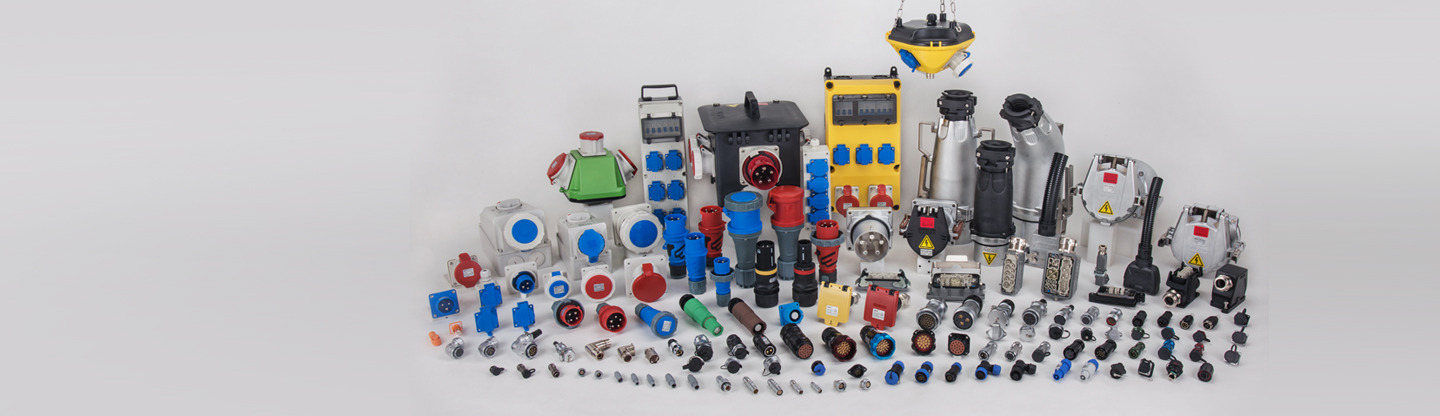
WEIPU has operated since 1996 and is a global supplier of high-reliability industrial connectors. As a principal drafter of the GB/T 11918-2014 national standard, our engineering foundation is aligned with demanding industrial connectivity requirements. In 2025, our expanded facility reached 80,000 m² with annual capacity of 55 million units. More than 70,000 specifications cover circular connector, heavy-duty connector, and CEE connector requirements for equipment manufacturers, distributors, system integrators, and project owners.
Our products support customers in more than 130 countries, and our customer base exceeds 30,000 organizations. This international reach helps buyers address standardization, regional sourcing, replacement planning, and documentation requirements across multi-site programs. Product selection can be coordinated around connector family, current rating, environmental exposure, contact arrangement, mounting method, and application-specific cable configuration.
Application performance and certification strength
WEIPU combines independent research and development with vertically integrated production. Our technology portfolio includes connector solutions with IP69K protection, high-current designs up to 800A, and medical products designed to withstand autoclaving conditions up to 134°C. These capabilities are relevant to washdown machinery, energy storage and generation, smart manufacturing, medical devices, and other environments where contamination, heat, vibration, or electrical load can challenge ordinary interfaces.
Our certifications include IRIS for rail transit and IATF 16949 for automotive applications, supporting customers that require disciplined process control and sector-specific quality expectations. Certification is only one part of supplier qualification, so our team also supports drawing review, sample evaluation, production testing, documentation, and controlled product changes. This combination helps buyers move from a connector selection to a validated interconnection system.
Fast customization and one-stop project support
WEIPU provides OEM and ODM services through a one-stop support model designed for Industry 4.0 projects and mission-critical equipment. Our 24-hour rapid response process helps project owners clarify specifications, identify suitable product families, and resolve technical questions before purchasing. Prototype delivery can be completed in 7–15 days for applicable projects, allowing engineering teams to test fit, routing, sealing, and electrical performance earlier in the development cycle.
For buyers evaluating a circular connector, industrial connector, or heavy-duty connector, the practical advantage is coordinated support across product selection, customization, production, inspection, and supply continuity. Our manufacturing process is structured to serve both standard catalog requirements and engineered configurations, while our global customer base provides a foundation for export documentation and long-term program support. The appropriate solution still depends on the project specification, but WEIPU offers the technical range and manufacturing infrastructure needed for demanding connectivity programs.
For technical consultation, product selection, or an OEM/ODM quotation, contact WEIPU at weipu-group.com, email salse01@weipu-group.com, or call +86-020-80501102.
Frequently Asked Questions
What specifications should buyers define for a cable harness?
Buyers should define voltage, continuous and peak current, duty cycle, conductor size, insulation, connector interface, length, bend radius, branch locations, temperature, ingress exposure, vibration, shielding, labeling, certifications, testing, and traceability requirements.
How should a buyer choose between a circular connector and a heavy-duty connector?
A circular connector is often suitable for compact routing, rotational alignment, and sealed interfaces, while a heavy-duty connector is commonly selected for removable machine modules, high-vibration equipment, and protected industrial power or control interfaces. The final choice should be verified against current, environment, mating cycles, space, and installation requirements.
Which standards are relevant to cable and wire harness production?
IPC/WHMA-A-620 provides recognized requirements and acceptance criteria for cable and wire harness assemblies. IEC 60529 defines the IP Code framework for enclosure protection, while ISO 9001 addresses quality management systems; additional sector requirements may apply in automotive, rail, medical, or other regulated applications.
What tests should be included before approving a harness supplier?
Typical tests include visual workmanship, continuity, short-circuit detection, insulation resistance, dielectric withstand, contact retention, crimp pull testing, crimp cross-section analysis, dimensional inspection, and barcode verification. Depending on risk, buyers may also require thermal cycling, vibration, flexing, water, salt-spray, chemical, or mating-cycle tests.
Why is traceability important for industrial cable assemblies?
Traceability links each assembly to its drawing revision, component lots, production records, test results, inspection status, and shipment batch. This supports root-cause analysis, warranty control, targeted recalls, regulatory evidence, and consistent replenishment when a wiring or connector issue occurs.
What advantages does WEIPU offer for engineered connector and cable projects?
WEIPU has operated since 1996, offers more than 70,000 specifications, serves over 30,000 customers in 130 countries, and operates an 80,000 m² facility with annual capacity of 55 million units. The company provides circular, heavy-duty, CEE, and other industrial connectors, along with OEM/ODM support, 24-hour response, prototypes in 7–15 days for applicable projects, IP69K options, up to 800A high-current solutions, and certifications including IRIS and IATF 16949.
Installation, Maintenance and Troubleshooting Circular Connectors
In-Line Wire Connector Types: Crimp, Screw, Push-In, Gel
Custom Panel Mount Circular Connector Solutions for Harsh Environments
Bulk Cable Assembly Orders: How to Reduce Shipping and Delay Risks

SY1110/P SY1110/S Cable connector IP67
Mate with SP1111,SP1112

WEIPU SP1110P/S Cable Connector IP68
Mate with SP1111, SP1112
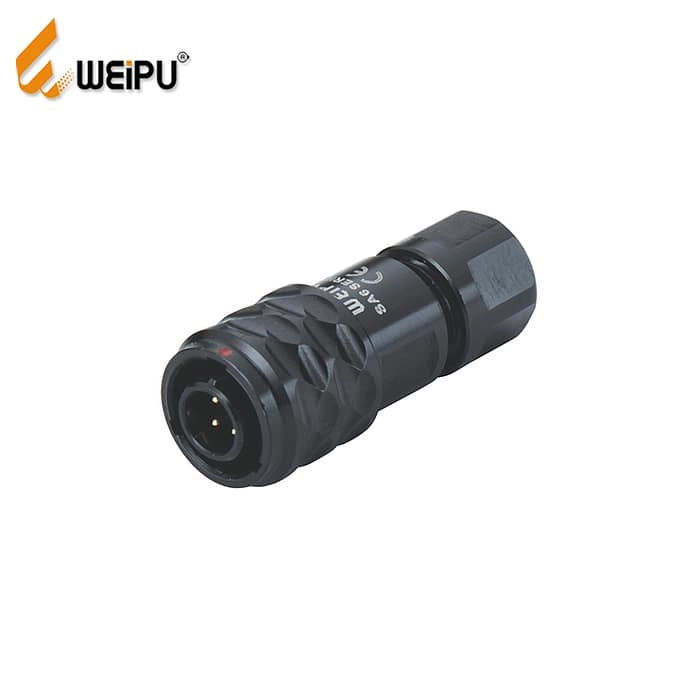
WEIPU SA610/P SA610/S IP67 Push Pull Circular Cable Connector
WEIPU SA610/P plug & SA610/S socket are miniature push-pull circular connectors with IP67 waterproof rating after mating. Built with anodized aluminum shell and gold-plated solder contacts, this SA series supports 2-5 pins, rated 3A 30V, certified CE & RoHS. Ideal for medical diagnostic devices, lab automation and precision sensors, fully compatible with SA611, SA612 and SA615 panel receptacles. WEIPU holds IATF16949 certification and supplies industrial connectors to 130+ countries.

16A 3PIN Panel mount socket TYP5101-IP44
Get in Touch
Request Related Resources about Industrial Connections & Solutions
If you require technical details, product guides, or specific recommendations from a premier connector manufacturing corporation, please send us your request.
We provide expert support for custom electrical connectors, offering OEM/ODM customization and dedicated distributor cooperation assistance.
Weipu Building, No. 111, Baihua Road, Liwan District, Guangzhou, Guangdong China
© 2026 WEIPU. All Rights Reserved.
Whatsapp: +8618102298073
WEIPU
WEIPU
WEIPU
WEIPU