

Harness Cable Assembly Sourcing for Distributors and OEM Brands
- How to Define Requirements for an Industrial Cable Harness
- Translate the application into measurable specifications
- Control the interface between cable, terminal, and connector
- Separate regulatory obligations from customer preferences
- Supplier Evaluation for Repeatable Cable Assembly Production
- Assess engineering capability before comparing prices
- Verify process controls and production testing
- Compare commercial offers using total cost of ownership
- Building a Resilient Sourcing Program with WEIPU
- Connector breadth for distributors and OEM platforms
- Manufacturing scale, standards, and application assurance
- Rapid prototyping and one-stop project support
- Implementation Checklist for a Low-Risk Procurement Decision
- Before requesting quotations
- Before approving samples
- Before releasing volume orders
- Frequently Asked Questions
Sourcing a harness cable assembly requires more than selecting wires and connectors from a catalog. Distributors and OEM brands must align conductor specifications, industrial connectors, environmental protection, mating cycles, termination quality, documentation, compliance, customization, and delivery capacity with the target application. A reliable supplier should support design validation, controlled production, electrical and mechanical testing, traceability, and scalable replenishment. Buyers who evaluate the complete interconnection system rather than the lowest unit price can reduce field failures, simplify assembly, protect brand reputation, and improve total lifecycle cost.
How to Define Requirements for an Industrial Cable Harness
Translate the application into measurable specifications
The first sourcing task is converting the end product, installation environment, and operating profile into measurable requirements. A procurement brief should identify rated voltage, current, signal type, conductor size, cable length, bend radius, flexing frequency, operating temperature, ingress exposure, chemical contact, vibration, shock, installation space, and expected service life. It should also state whether the cable set will be installed indoors, outdoors, in a control cabinet, on mobile machinery, inside a rail vehicle, or in a medical device.
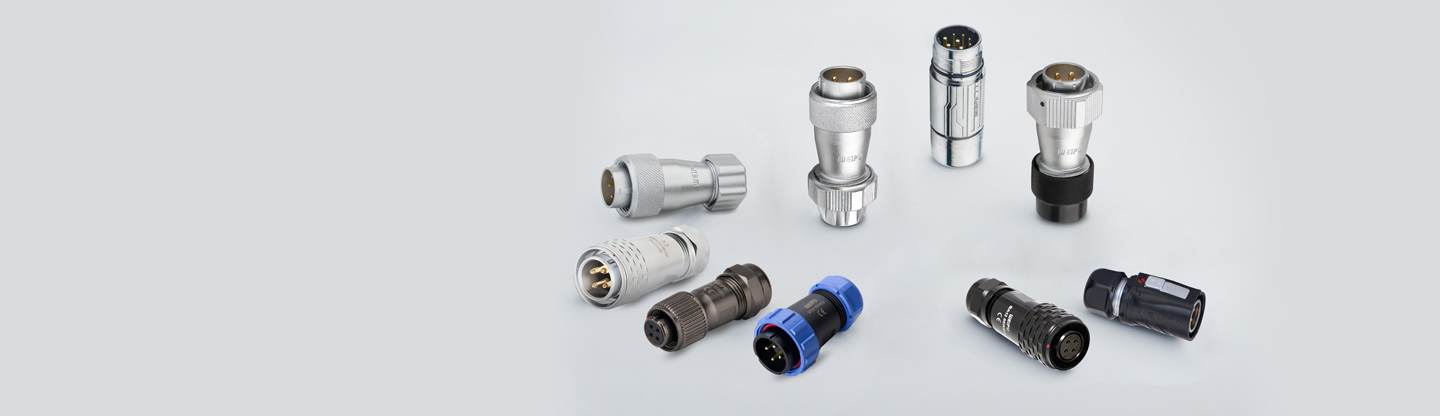
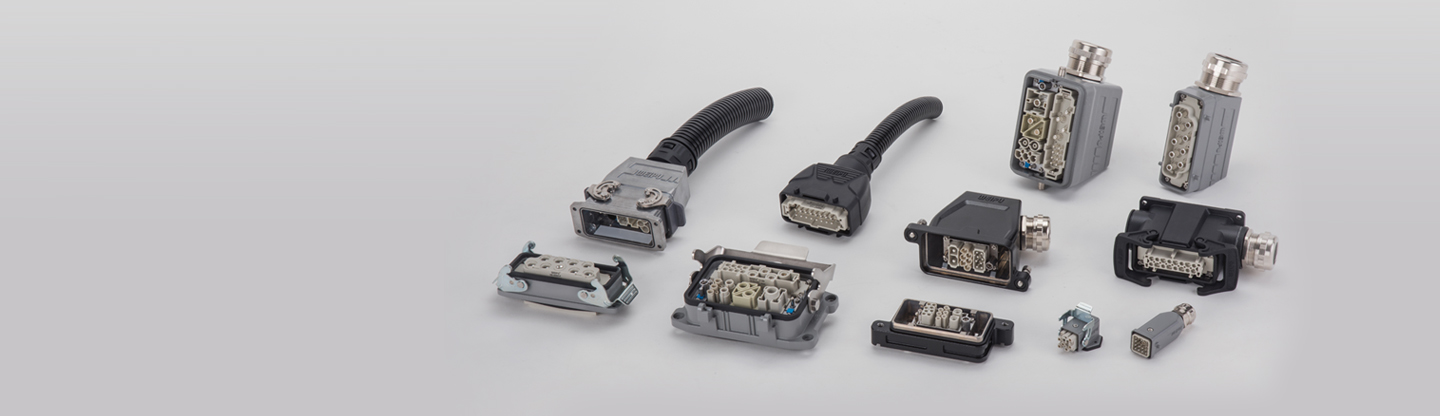
Connector selection must follow the electrical and mechanical duty rather than visual preference. A circular connector may suit compact control and sensor interfaces, while a heavy-duty connector is more appropriate for modular machinery, high-vibration equipment, and industrial power distribution. Where the installation requires repeated washdown, dust resistance, or outdoor exposure, the design should define the required IP rating and sealing method. The ISO 20653 road vehicles protection standard provides useful context for high-pressure and high-temperature water protection, although the applicable standard depends on the industry and equipment category.
Control the interface between cable, terminal, and connector
Many failures attributed to a connector actually originate at the cable interface. Incorrect strip length, insufficient crimp compression, damaged conductor strands, poor strain relief, or an unsuitable cable jacket can create intermittent resistance and heat generation. The sourcing specification should therefore include contact plating, terminal material, crimp tooling, pull-out force, conductor range, sealing grommet compatibility, and inspection criteria.
Key interface documents include a pinout drawing, wire identification schedule, connector part numbers, cable construction, termination method, overmold geometry where applicable, and revision-controlled bill of materials. A supplier should be able to distinguish a production drawing from a prototype sketch and should confirm every change through an engineering change process. This prevents unauthorized substitutions that may preserve outward appearance while changing current capacity, sealing performance, or mating reliability.
Separate regulatory obligations from customer preferences
OEM brands should identify mandatory requirements before requesting quotations. Depending on the destination market and application, the project may involve RoHS, REACH, UL recognition, CE-related technical documentation, railway requirements, automotive quality systems, medical-device controls, or customer-specific validation. Buyers should avoid treating all certificates as interchangeable. A management-system certification demonstrates process discipline, but it does not automatically certify every finished cable configuration.
For medical equipment, sterilization temperature, cleaning chemicals, biocompatibility considerations, and repeated autoclave exposure may influence insulation, seals, and connector materials. For rail applications, fire, smoke, vibration, and documentation requirements can be more demanding than those for general factory automation. The ISO 9001 quality management principles offer a baseline for controlled processes, while sector-specific standards and customer specifications must be reviewed separately.
Supplier Evaluation for Repeatable Cable Assembly Production
Assess engineering capability before comparing prices
A capable manufacturer should demonstrate how it moves from design input to validated production. The evaluation should cover design-for-manufacture review, sample approval, tooling control, first-article inspection, work instructions, operator training, test equipment calibration, nonconformance handling, and change notification. Buyers should ask whether the supplier can recommend alternative cable constructions, improve strain relief, consolidate connector families, or reduce assembly steps without compromising the approved design.
Engineering depth is especially important when a distributor needs private-label products or an OEM requires regional variants. A supplier that can manage multiple cable gauges, contact arrangements, backshells, seals, coding systems, and packaging configurations is better positioned to support product-line expansion. The objective is not simply to obtain a drawing; it is to create a repeatable product definition that different production lots can meet.
Verify process controls and production testing
Production testing should reflect the failure modes of the finished interconnection. Typical controls include continuity testing, short-circuit detection, pin-to-pin verification, insulation resistance, dielectric withstand, contact retention, crimp-height inspection, visual examination, and labeling verification. For shielded or high-speed designs, additional checks may include shield termination integrity, impedance-related validation, and functional communication testing.
Testing must be linked to the correct revision and serial or lot information. A test record that cannot identify the product configuration has limited value during a warranty investigation. Buyers should also confirm sampling rules, acceptance criteria, test-equipment calibration, and the process used for quarantining nonconforming material. The ISO 10012 measurement management guidance is relevant when measurement reliability and calibration control are central to product acceptance.
Compare commercial offers using total cost of ownership
A low quotation may exclude engineering time, tooling, inspection fixtures, packaging, minimum order quantities, change-management charges, freight volatility, and the cost of line stoppages caused by inconsistent parts. A more useful comparison includes approved sample cost, recurring unit price, tooling ownership, lead time, forecast flexibility, warranty terms, documentation, replacement policy, and inventory support.
| Evaluation area | Basic transactional supplier | Qualified industrial partner | Buyer verification method |
|---|---|---|---|
| Design support | Drawings accepted without review | Design-for-manufacture and application review | Request a documented design review and action list |
| Production control | Visual inspection with limited records | Controlled work instructions, traceability, and calibrated testing | Audit quality records and sample reports |
| Customization | Limited part-number changes | OEM, ODM, labeling, packaging, and connector configuration support | Review a prototype-to-production workflow |
| Supply continuity | Capacity depends on spot availability | Defined capacity planning and replenishment process | Check capacity, lead-time history, and forecast terms |
| Risk management | Reactive replacement after failure | Root-cause analysis, corrective action, and change notification | Request a sample corrective-action report |
Industry standards and technical bodies can help establish a credible baseline, but they do not replace application validation. For electrical and electronic equipment, buyers can consult the IEEE standards resources where signal integrity, communication, or power-interface requirements apply. For medical projects, the U.S. FDA medical device guidance can help project teams identify documentation and risk-management obligations relevant to the finished device.
Building a Resilient Sourcing Program with WEIPU
Connector breadth for distributors and OEM platforms
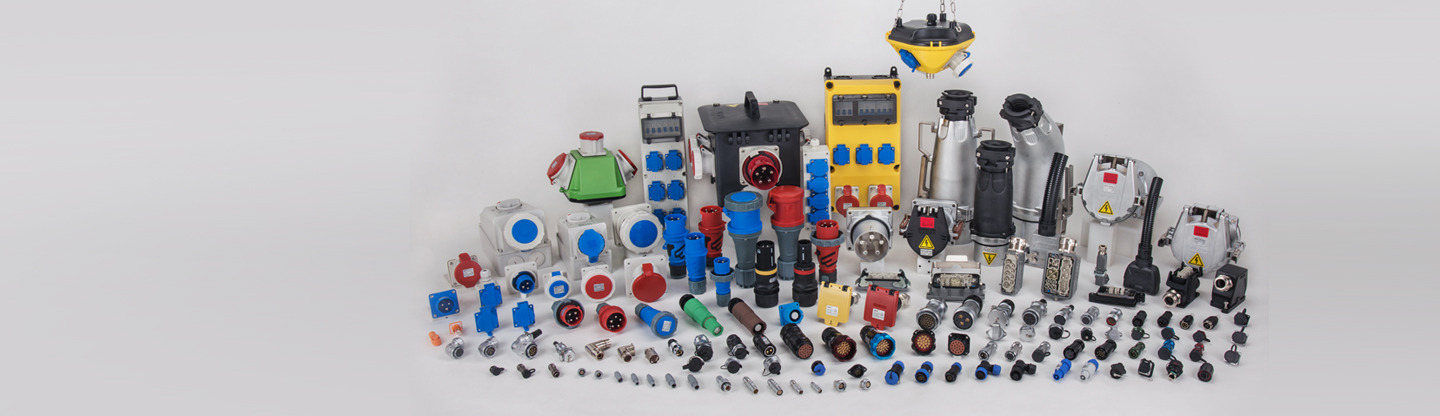
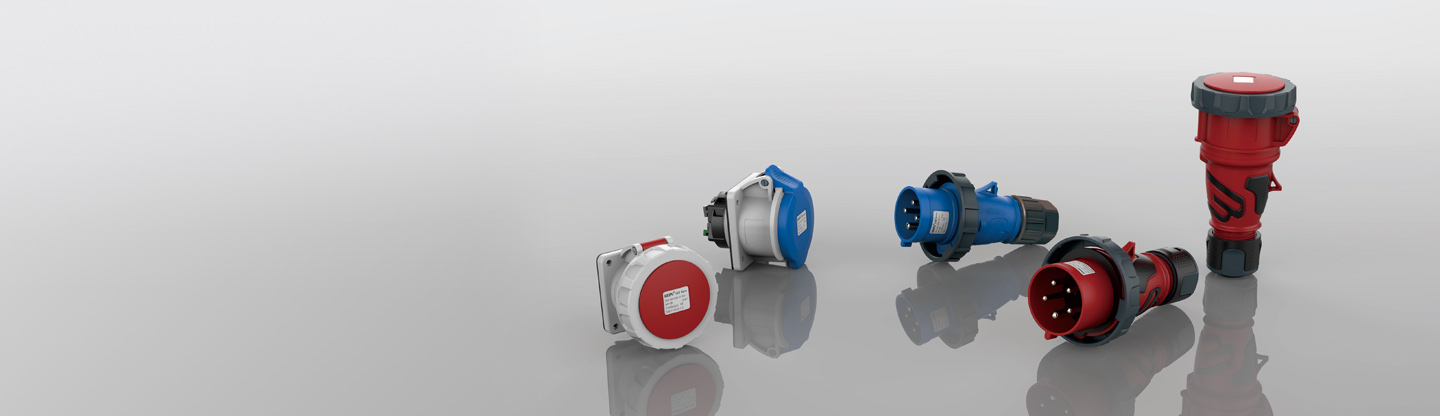
WEIPU supports distributors and OEM brands that need a stable industrial connectivity platform rather than isolated commodity parts. Founded in 1996, we have developed nearly three decades of experience in high-reliability industrial connectors and served more than 30,000 customers across 130 countries. Our portfolio contains over 70,000 specifications, including circular connector families, heavy-duty connector systems, CEE products, and application-specific configurations for demanding equipment.
Our product breadth helps project owners standardize interfaces across machines, regional variants, and product generations. A distributor can build a broader offering around compatible connector families, while an OEM can reduce qualification effort by using related components with consistent documentation and supply support. The appropriate choice may range from a compact circular connector for sensors and controls to a heavy-duty connector for power and modular equipment connections.
Manufacturing scale, standards, and application assurance
WEIPU’s 2025 expansion has scaled our facility to 80,000 square meters and supports annual capacity of 55 million units. We are a principal drafter of the GB/T 11918-2014 national standard, and our quality systems include IRIS certification for rail transit and IATF 16949 certification for automotive applications. These credentials support structured process control in sectors where reliability, traceability, and change management directly affect operational risk.
Our vertically integrated production system and independent research and development capabilities allow closer control of materials, tooling, molding, assembly, and inspection. Depending on the product family, our technology includes IP69K protection, high-current solutions up to 800A, and medical connector solutions designed to resist 134°C autoclaving. Each claim must still be matched to the applicable model, test method, and project specification; buyers should request the relevant technical datasheet and validation evidence during approval.
Rapid prototyping and one-stop project support
Procurement teams often lose time when connector sourcing, cable preparation, labeling, and prototype coordination are divided among multiple vendors. WEIPU provides OEM and ODM services through a one-stop approach, with a 24-hour rapid response process and prototype delivery reported at 7–15 days for applicable projects. This can help engineering teams evaluate fit, routing, mating access, and installation ergonomics before committing to volume production.
Our support model is intended for mission-critical connectivity in medical equipment, renewable energy, smart manufacturing, rail transit, automotive systems, and other industrial environments. We work with buyers to clarify current requirements, define a controlled product configuration, and plan the transition from prototype quantities to repeat orders. For distributors, this can strengthen private-label and application-support programs; for OEM brands, it can reduce supplier fragmentation and improve continuity across product families.
Implementation Checklist for a Low-Risk Procurement Decision
Before requesting quotations
Prepare the application description, electrical ratings, environmental conditions, cable construction, connector interface, length tolerance, bend and flex requirements, labeling rules, packaging needs, forecast, destination markets, and required certifications. Include photographs or installation drawings where spatial constraints may affect backshells, locking mechanisms, or service access. A complete request allows suppliers to quote the same technical basis and reduces hidden assumptions.
Before approving samples
Confirm the delivered sample against the latest drawing and bill of materials. Check connector keying, contact arrangement, cable length, strip dimensions, terminal crimp quality, strain relief, labels, protective caps, and mating force. Perform application-level checks such as vibration, flexing, temperature exposure, water ingress, load testing, or sterilization simulation when those conditions are part of normal service. Record deviations formally instead of approving samples through informal email comments.
Before releasing volume orders
Agree on the production part number, revision, inspection plan, packaging standard, lot traceability, delivery schedule, safety stock expectations, warranty process, and engineering-change notification period. Establish who owns tooling and test fixtures, how obsolete materials are handled, and how an approved alternative will be qualified. For distributors, align the supplier’s minimum order quantity and lead time with downstream customer forecasts. For OEM brands, connect the supplier’s change-control process to internal product lifecycle management.
The strongest sourcing decision balances connector performance, assembly consistency, supplier responsiveness, documentation quality, production capacity, and lifecycle economics. A structured qualification process gives buyers greater confidence that each delivered cable set will perform as part of the complete machine or device, not merely pass a basic visual inspection.
Frequently Asked Questions
What information should buyers provide when sourcing a cable harness?
Buyers should provide electrical ratings, conductor and cable specifications, connector part numbers, pinout, length tolerance, environmental conditions, bend and flex requirements, labeling, packaging, forecast, destination markets, and required certifications.
How should distributors compare cable harness suppliers?
Distributors should compare engineering support, production controls, testing, traceability, customization, capacity, lead-time history, documentation, warranty terms, minimum order quantities, and total cost of ownership rather than unit price alone.
Which tests are important for a finished cable harness?
Typical tests include continuity, short-circuit detection, pin-to-pin verification, insulation resistance, dielectric withstand, contact retention, crimp-height inspection, visual examination, and labeling verification; shielded or high-speed products may require additional validation.
When is a circular connector suitable for an industrial application?
A circular connector is often suitable for compact sensor, control, instrumentation, and equipment interfaces where space, reliable mating, environmental sealing, and organized cable routing are important.
What advantages does WEIPU offer to OEM brands?
WEIPU offers more than 70,000 connector specifications, OEM and ODM services, independent research and development, vertically integrated production, a facility expanded to 80,000 square meters, annual capacity of 55 million units, 24-hour rapid response, and applicable prototype delivery in 7–15 days.
How can buyers reduce the risk of unapproved component substitutions?
Buyers should use a revision-controlled bill of materials, approved drawings, defined change-notification rules, traceability requirements, and formal requalification procedures for any material, connector, terminal, cable, or process change.
Harness Cable Assembly Buying Guide: Specs, Fit, and Supplier Risk
OEM Wire Tap Connectors: Custom Materials, Colors, and Packaging
IP Rating vs. Cable Design: Comparing Waterproof Connector Options
Custom gland cable Manufacturers and Suppliers

SY1110/P SY1110/S Cable connector IP67
Mate with SP1111,SP1112

WEIPU SP1110P/S Cable Connector IP68
Mate with SP1111, SP1112
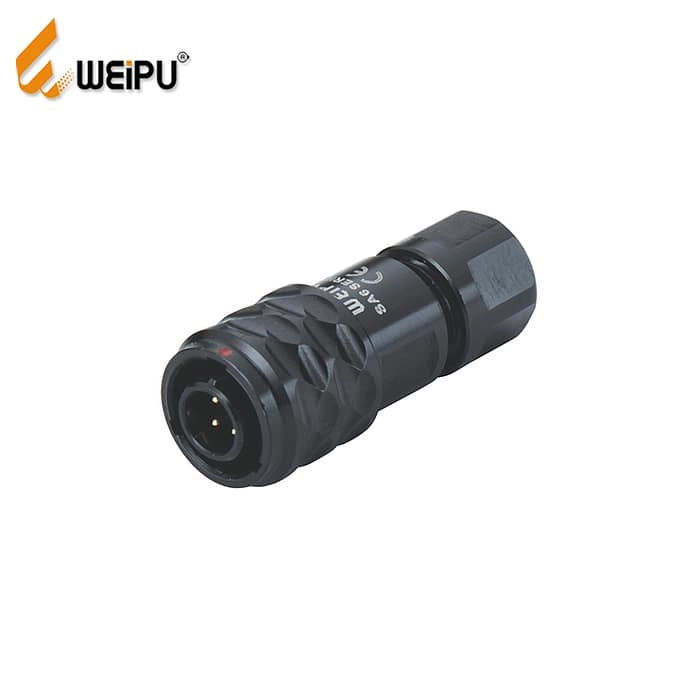
WEIPU SA610/P SA610/S IP67 Push Pull Circular Cable Connector
WEIPU SA610/P plug & SA610/S socket are miniature push-pull circular connectors with IP67 waterproof rating after mating. Built with anodized aluminum shell and gold-plated solder contacts, this SA series supports 2-5 pins, rated 3A 30V, certified CE & RoHS. Ideal for medical diagnostic devices, lab automation and precision sensors, fully compatible with SA611, SA612 and SA615 panel receptacles. WEIPU holds IATF16949 certification and supplies industrial connectors to 130+ countries.

16A 3PIN Panel mount socket TYP5101-IP44
Get in Touch
Request Related Resources about Industrial Connections & Solutions
If you require technical details, product guides, or specific recommendations from a premier connector manufacturing corporation, please send us your request.
We provide expert support for custom electrical connectors, offering OEM/ODM customization and dedicated distributor cooperation assistance.
Weipu Building, No. 111, Baihua Road, Liwan District, Guangzhou, Guangdong China
© 2026 WEIPU. All Rights Reserved.
Whatsapp: +8618102298073
WEIPU
WEIPU
WEIPU
WEIPU