

Heavy Duty Wire Connectors for Distributors, Brands, and Importers
- How to Specify Rugged Electrical Connectivity for Industrial Markets
- Match electrical performance to the real application
- Define environmental protection before selecting the housing
- Control mechanical and installation risks
- Procurement Criteria for Distributors, Brands, and Importers
- Build a qualification checklist that procurement can audit
- Assess total cost instead of comparing the lowest quotation
- Use a staged approval process for private-label programs
- Where Heavy-Duty Connectivity Creates Commercial Value
- Automation, robotics, and smart manufacturing
- Renewable energy, transportation, and power equipment
- Medical equipment and hygienic environments
- Why WEIPU Is a Practical Manufacturing Partner
- Scale, range, and standards knowledge
- Engineering capability for demanding applications
- OEM and ODM support for market differentiation
- Implementation Plan for a Lower-Risk Connector Program
- Start with an application data sheet
- Validate samples under real conditions
- Protect supply continuity after launch
- Frequently Asked Questions
A heavy duty wire connector is a specialized interface designed to carry power, control signals, or data through equipment exposed to vibration, moisture, dust, chemicals, mechanical stress, and repeated maintenance. For distributors, brands, and importers, the buying decision extends beyond catalog availability: the selected industrial connector must match electrical loads, environmental conditions, applicable standards, assembly methods, packaging requirements, and the commercial expectations of end users. A reliable sourcing program therefore combines engineering validation, supplier quality audits, documentation control, customization capability, and dependable production capacity.
How to Specify Rugged Electrical Connectivity for Industrial Markets
Match electrical performance to the real application
Current and voltage ratings should be evaluated against the complete operating profile rather than a nominal equipment label. Buyers need to consider continuous current, startup or inrush current, ambient temperature, conductor size, contact resistance, duty cycle, and the number of energized contacts within one housing. A multi-pin industrial plug may have different allowable current levels depending on contact arrangement and thermal conditions. Derating information is particularly important in compact enclosures, traction systems, battery cabinets, automated machinery, and power distribution units.
Contact material and plating also influence long-term performance. Copper alloys provide a practical balance of conductivity and mechanical strength, while nickel, silver, or gold plating may be selected according to current level, mating frequency, corrosion exposure, and signal integrity requirements. A procurement specification should identify wire cross-section, termination method, allowable temperature rise, dielectric strength, insulation resistance, and the expected number of mating cycles. These details help prevent the common failure mode in which a connector appears compatible mechanically but is unsuitable electrically.
Define environmental protection before selecting the housing
Industrial equipment is often installed where water spray, oil, metal particles, cleaning chemicals, ultraviolet exposure, or condensation can damage exposed contacts. The enclosure and cable-entry system should therefore be selected as one assembly. Protection claims should be tied to a recognized test method, not only to marketing language. The IEC 60529 standard defines the IP Code used to classify protection against ingress of solids and water. An IP rating applies only when the connector, backshell, gasket, cable gland, and mating condition are correctly configured.
For washdown machinery, food-processing equipment, outdoor energy systems, and robotic cells, buyers may require high ingress protection, UV-resistant materials, corrosion-resistant hardware, and strain relief that remains stable after repeated flexing. A connector rated for temporary immersion is not automatically appropriate for high-pressure cleaning. Similarly, a metal housing may provide strong mechanical shielding, while an engineered polymer housing can reduce weight and improve chemical resistance. Product selection must reflect the installation environment rather than relying on one universal construction.
Control mechanical and installation risks
Vibration, shock, cable pull, torsion, and misalignment can gradually loosen an inadequately designed connection. Locking systems such as bayonet, threaded, lever, or push-pull mechanisms should be chosen according to the service model. A field-maintained conveyor may benefit from fast lever operation, while a high-vibration rail cabinet may need a positive locking system with clear visual engagement. Keying and coding options help prevent incorrect mating between circuits with different voltage levels or functions.
Termination design affects both factory throughput and field reliability. Crimp contacts typically provide repeatable electrical performance when the correct applicator, die, strip length, and pull-force controls are used. Screw or spring terminals may be useful for selected maintenance applications, but assembly torque and conductor preparation must be controlled. Distributors should ask suppliers for assembly instructions, crimp-height guidance, contact-retention data, and training resources so that downstream customers can install the product consistently.
Procurement Criteria for Distributors, Brands, and Importers
Build a qualification checklist that procurement can audit
A supplier evaluation should cover more than unit price and lead time. The technical file should include dimensional drawings, material declarations, electrical ratings, ingress-test evidence, temperature limits, contact specifications, mating information, and applicable compliance documents. Quality systems are also relevant. ISO 9001 describes quality-management principles that support controlled processes, customer focus, documented improvement, and risk-based thinking. Certification alone does not guarantee product suitability, but it provides a useful baseline for evaluating process discipline.
Importers should verify whether certificates apply to the exact product family, factory, and revision being purchased. A supplier may have a corporate certificate while a particular subcontracted process remains outside the documented scope. Requesting traceability records, incoming inspection procedures, production-test plans, nonconformance workflows, and change-notification policies gives buyers a clearer view of operational maturity. For regulated or safety-critical applications, technical files should also be reviewed by the brand owner’s engineering and compliance teams before commercialization.
Assess total cost instead of comparing the lowest quotation
The purchase price of a connector is only one part of its economic impact. Total cost includes tooling, assembly labor, rejected units, field service, replacement inventory, warranty exposure, freight, customs, packaging, certification, and the cost of redesign if a supplier cannot maintain the original specification. A slightly higher-priced component can create better commercial value when it reduces installation time, improves uptime, or supports a longer product warranty.
Distributors should request price breaks by annual volume, mixed-model ordering rules, minimum order quantities, sample policy, tooling ownership terms, and forecast flexibility. Importers should also evaluate shipping cartons, moisture protection, barcode labeling, multilingual documentation, and export paperwork. These details influence warehouse accuracy and customer satisfaction, especially when a product portfolio contains visually similar plugs, receptacles, backshells, contacts, and accessories.
Use a staged approval process for private-label programs
Private-label and OEM projects benefit from a formal stage-gate process. The first stage confirms the application, interface dimensions, electrical envelope, target market, and compliance needs. The next stage reviews drawings, prototypes, samples, and assembly tests. Pilot production should then validate process capability, packaging, labeling, and inspection criteria before mass production begins. This sequence reduces the risk of discovering fit, color, branding, or tooling problems after inventory has already been produced.
Brands should define which changes require written approval. Examples include resin grade, contact plating, gasket material, terminal geometry, mold revision, supplier change, and packaging artwork. A controlled engineering-change process protects interchangeability and prevents undocumented substitutions. When products are sold through multiple regions, the commercial team should also confirm regional plug conventions, language requirements, customs classifications, and customer-specific documentation.
| Evaluation area | Basic sourcing approach | Risk-controlled sourcing approach | Buyer evidence to request |
|---|---|---|---|
| Electrical rating | Uses headline current value | Checks derating, temperature, wire size, and duty cycle | Datasheet, test report, contact specification |
| Ingress protection | Assumes the housing rating applies to every assembly | Verifies complete mated configuration and cable-entry method | IP test evidence and installation instructions |
| Production quality | Relies on visual inspection | Uses incoming, in-process, and final electrical checks | Control plan, inspection records, traceability procedure |
| Customization | Approves artwork only | Controls drawings, tooling, materials, and engineering changes | Approved sample, revision record, change-notification policy |
| Commercial value | Compares unit price | Calculates lifecycle and service cost | MOQ, lead time, warranty terms, packaging specification |
Where Heavy-Duty Connectivity Creates Commercial Value
Automation, robotics, and smart manufacturing
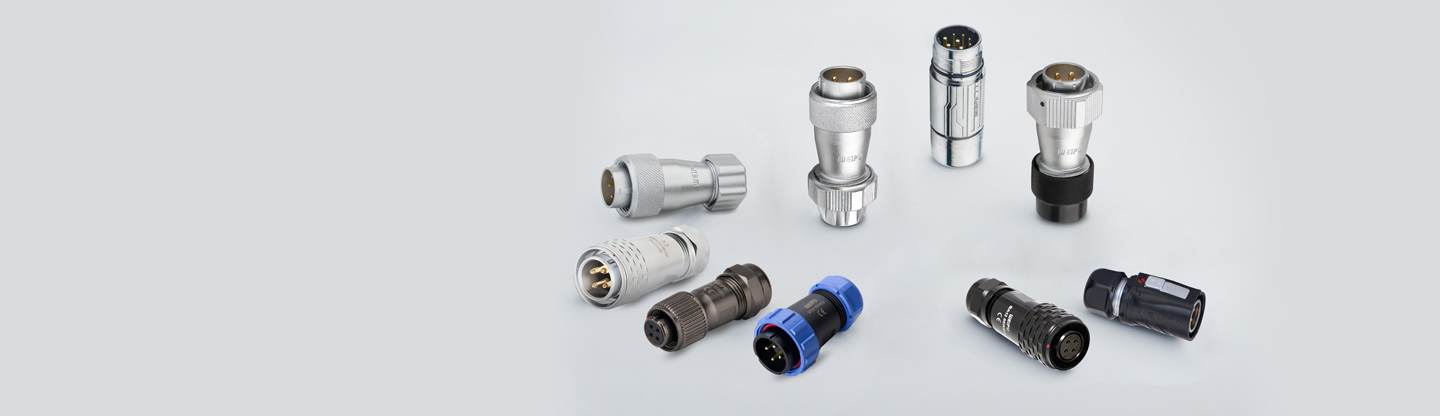
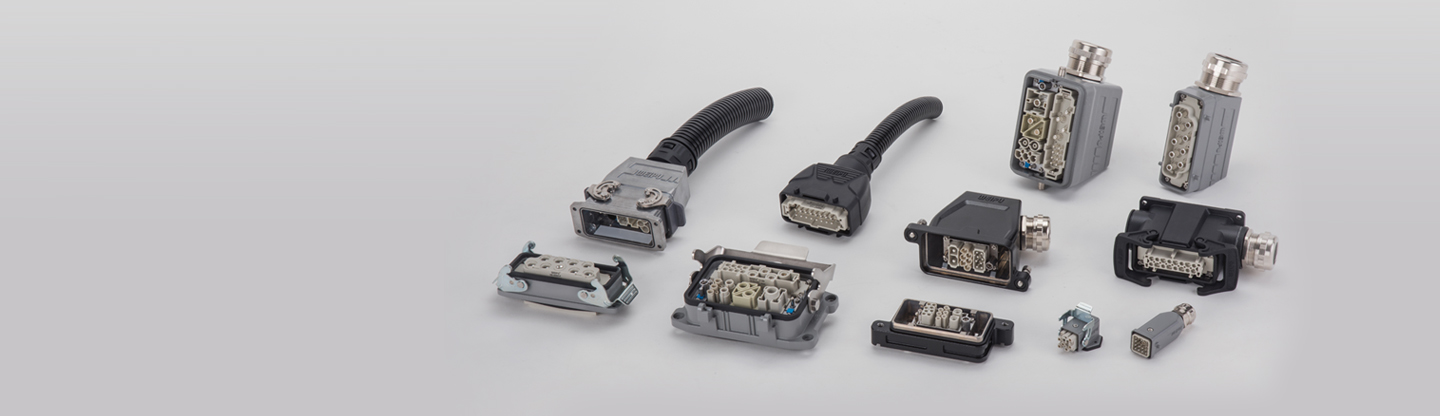
Automated production lines require connectors that support frequent maintenance, machine modularity, sensor integration, and rapid line reconfiguration. Circular connectors are often selected for compact sensor and actuator interfaces, while rectangular heavy-duty connector systems can consolidate power, control, and communication circuits between cabinets and machine modules. Keyed configurations, high-cycle mating capability, and secure strain relief help reduce commissioning errors and unplanned downtime.
For Industry 4.0 equipment, connectivity must support both power delivery and reliable data pathways. Buyers should confirm shielding methods, grounding arrangements, contact layouts, and compatibility with the selected cable. A connector that performs well in a static panel may require a different backshell or cable design in a moving robotic axis. Application testing should reproduce actual bend radius, motion frequency, vibration, and cleaning conditions.
Renewable energy, transportation, and power equipment
Solar, battery-storage, charging, wind, and distributed power systems place strong demands on insulation, thermal management, sealing, and serviceability. High-current interfaces must be assessed for temperature rise, short-circuit exposure, touch protection, and safe maintenance procedures. In rail and transportation equipment, shock, vibration, fire-performance requirements, space constraints, and long service intervals may be equally important. The ISO 22163 quality-management standard for rail organizations illustrates the sector’s emphasis on structured quality processes across the supply chain.
Importers serving energy and transport customers should avoid treating these applications as standard catalog sales. The connector assembly, cable, gland, busbar, fuse, and enclosure may need to be validated as a system. Early involvement from the supplier’s engineering team can clarify current paths, thermal limits, mounting requirements, and maintenance access before the design becomes difficult to change.
Medical equipment and hygienic environments
Medical equipment introduces requirements that may not appear in general industrial specifications. Connectors can be exposed to disinfectants, repeated cleaning, autoclaving, patient-area safety considerations, and strict traceability expectations. The U.S. Food and Drug Administration overview of device regulation explains the broader regulatory framework that applies to medical devices in the United States. Connector suppliers should support the equipment manufacturer’s risk-management, validation, and documentation process rather than making unsupported claims about finished-device compliance.
Material selection, sealing, thermal cycling, and sterilization resistance must be verified for the intended procedure. A connector suitable for surface disinfection is not necessarily suitable for repeated steam sterilization. Buyers should define the cleaning chemistry, exposure time, temperature, pressure, and cycle count before requesting samples or approval testing.
Why WEIPU Is a Practical Manufacturing Partner
Scale, range, and standards knowledge
WEIPU has operated since 1996 and has developed a global position in high-reliability industrial connectors. As a principal drafter of the GB/T 11918-2014 national standard, our organization brings standards knowledge into product development and manufacturing control. Following the 2025 expansion, our facility covers 80,000 m² and supports annual capacity of 55 million units. This scale helps distributors and importers plan recurring supply while maintaining access to engineering support for application-specific requirements.
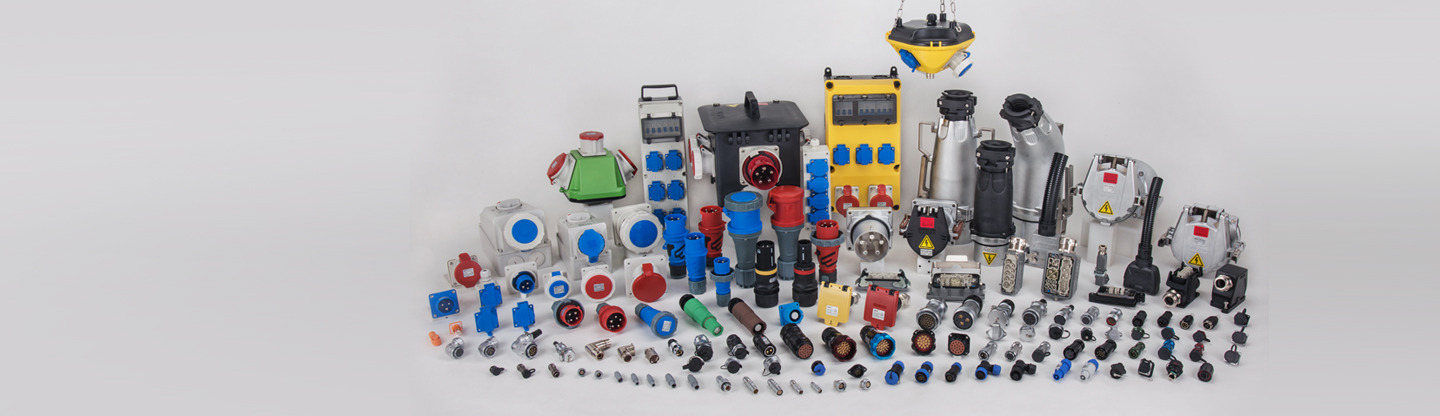
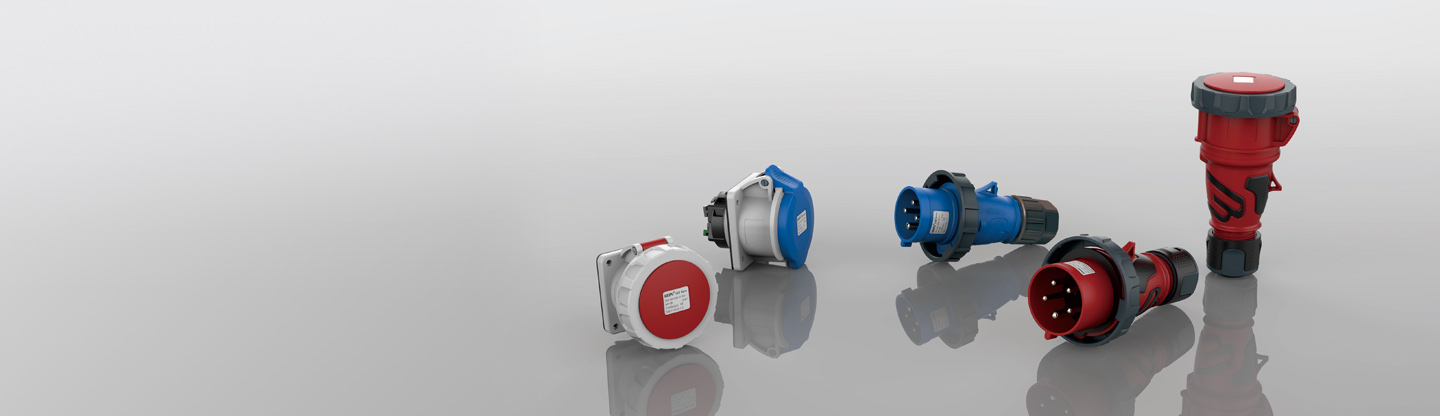
Our portfolio includes more than 70,000 specifications across circular connectors, industrial connectors, CEE connectors, and heavy-duty connector families. The breadth of the range allows buyers to consolidate sourcing for multiple equipment platforms instead of managing numerous small suppliers. WEIPU serves more than 30,000 customers in 130 countries, providing a foundation for international project coordination, export support, and regional product development.
Engineering capability for demanding applications
Our independent R&D capability and vertically integrated production system support tighter control over materials, tooling, assembly, testing, and product consistency. Selected solutions can provide IP69K protection, current capacity up to 800A, and medical connector designs resistant to 134°C autoclaving, subject to the applicable product configuration and validation requirements. These capabilities are relevant to washdown machinery, high-power systems, medical equipment, renewable energy, and smart manufacturing.
Certification is an important part of supplier evaluation, particularly when products enter regulated or mission-critical markets. WEIPU holds IRIS certification for rail transit and IATF 16949 certification for automotive applications. These credentials support structured process management and customer-specific quality expectations, while each project should still confirm the exact product tests and compliance documents required by the end application.
OEM and ODM support for market differentiation
Our one-stop solution combines product selection, engineering consultation, customization, prototyping, production, and response service. OEM and ODM programs can include product configuration, logo and color requirements, packaging, tooling, contact arrangements, and application-specific accessories. Prototypes can be delivered in 7–15 days for suitable projects, enabling brands to test fit, installation workflow, and customer acceptance before committing to larger inventory.
Our 24-hour rapid-response service is designed to help project teams resolve technical and commercial questions without unnecessary delays. For a distributor, this can improve quotation speed and customer retention. For a brand owner, it can shorten the path from concept to launch. For an importer, it can reduce communication friction across specifications, samples, documentation, and production scheduling. The right program still begins with a complete technical brief and a clearly approved sample.
Implementation Plan for a Lower-Risk Connector Program
Start with an application data sheet
Before requesting quotations, record voltage, continuous and peak current, conductor size, contact count, mating cycles, operating temperature, humidity, vibration, chemical exposure, ingress target, installation orientation, cable movement, certification needs, and annual demand. Include photographs or drawings of the available mounting space. This information enables suppliers to recommend a suitable circular connector, rectangular power interface, or other industrial connector architecture instead of quoting a superficially similar part.
Validate samples under real conditions
Sample approval should include mechanical fit, contact retention, wire termination, mating force, locking operation, insulation resistance, dielectric withstand, temperature rise, and environmental sealing where relevant. If the equipment is exposed to vibration or repeated cleaning, reproduce those conditions in validation. A laboratory result is most useful when the test configuration reflects the final cable, gland, enclosure, and installation torque.
Protect supply continuity after launch
After approval, buyers should monitor defect rates, delivery performance, change notices, warranty cases, and customer feedback. Maintain a documented approved-vendor list and define the conditions for alternate materials or second-source parts. Forecast sharing can improve capacity planning, while scheduled business reviews can identify tooling wear, packaging issues, and product improvements before they affect customers. This disciplined approach turns connector procurement into a measurable supply-chain advantage.
Frequently Asked Questions
What should buyers check before selecting a heavy-duty wire connector?
Buyers should check current and voltage ratings, derating conditions, conductor size, contact material, operating temperature, ingress protection, locking design, vibration resistance, termination method, certifications, documentation, and supplier production capability.
How is IP protection verified for an industrial connector?
IP protection should be verified against the IEC 60529 IP Code and confirmed for the complete mated assembly, including the housing, gasket, backshell, cable gland, and installation configuration.
Are circular connectors or rectangular heavy-duty connectors better for industrial equipment?
Neither format is universally better. Circular connectors are often suitable for compact sensor, actuator, and control interfaces, while rectangular heavy-duty systems can efficiently combine power, control, and communication circuits between machine modules or cabinets.
What information should an importer include in a supplier RFQ?
An RFQ should include voltage, continuous and peak current, contact count, wire size, mating cycles, environmental exposure, ingress target, temperature range, mounting dimensions, annual volume, packaging needs, compliance requirements, customization needs, and delivery expectations.
Can WEIPU support private-label and OEM connector programs?
Yes. WEIPU provides OEM and ODM services covering product configuration, engineering support, prototypes, branding, packaging, and application-specific requirements. Suitable prototypes can be delivered in 7–15 days based on project scope.
What industries does WEIPU serve with industrial connectivity products?
WEIPU serves medical, renewable energy, rail transit, automotive, smart manufacturing, automation, and other mission-critical industrial applications with circular, CEE, and heavy-duty connector solutions.
Chrome-Plated vs Nickel-Plated Zinc Alloy Industrial Connectors
Wire Tap Connectors for Distributors: Specs Buyers Should Confirm
Installation & Maintenance Tips for EMI Shielded Circular Connectors
Cost Factors: What Affects Distribution Box Pricing

SY1110/P SY1110/S Cable connector IP67
Mate with SP1111,SP1112

WEIPU SP1110P/S Cable Connector IP68
Mate with SP1111, SP1112
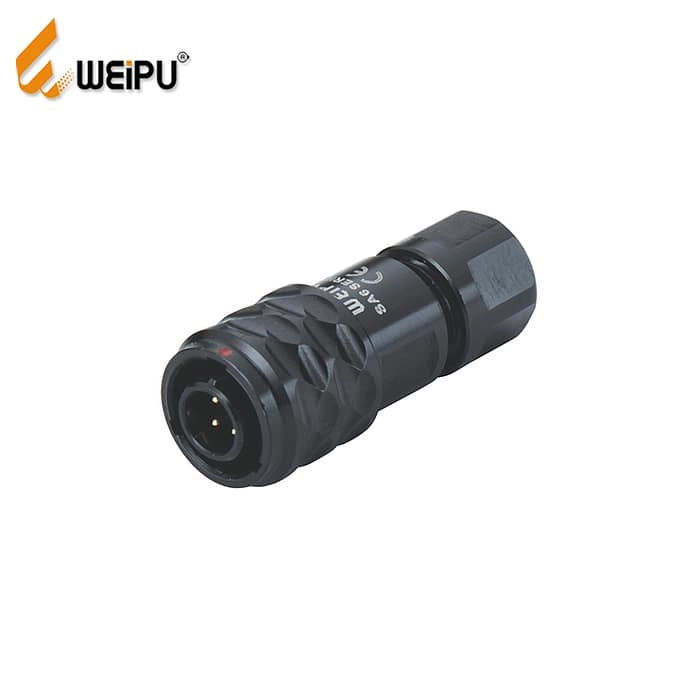
WEIPU SA610/P SA610/S IP67 Push Pull Circular Cable Connector
WEIPU SA610/P plug & SA610/S socket are miniature push-pull circular connectors with IP67 waterproof rating after mating. Built with anodized aluminum shell and gold-plated solder contacts, this SA series supports 2-5 pins, rated 3A 30V, certified CE & RoHS. Ideal for medical diagnostic devices, lab automation and precision sensors, fully compatible with SA611, SA612 and SA615 panel receptacles. WEIPU holds IATF16949 certification and supplies industrial connectors to 130+ countries.

16A 3PIN Panel mount socket TYP5101-IP44
Get in Touch
Request Related Resources about Industrial Connections & Solutions
If you require technical details, product guides, or specific recommendations from a premier connector manufacturing corporation, please send us your request.
We provide expert support for custom electrical connectors, offering OEM/ODM customization and dedicated distributor cooperation assistance.
Weipu Building, No. 111, Baihua Road, Liwan District, Guangzhou, Guangdong China
© 2026 WEIPU. All Rights Reserved.
Whatsapp: +8618102298073
WEIPU
WEIPU
WEIPU
WEIPU