





Power Automate Connector Trends: AI Integrations and Enterprise Automation
- How enterprise workflow integration is evolving
- From app-to-app actions to connected business processes
- AI assistance expands the automation design space
- Buyer priorities for secure, maintainable automation
- Compare deterministic workflows with AI-enabled patterns
- Governance, identity, and data boundaries
- Connecting digital workflows with operational equipment
- Account for the physical layer in automation projects
- Specify connectors as part of the equipment interface
- Frequently Asked Questions
Power Automate connectors link business applications, data sources, and services so organizations can coordinate work across systems. Current trends include AI-assisted workflow creation, document and text processing, event-driven automation, and more deliberate governance of data movement. For enterprise buyers, the opportunity is not simply to automate more tasks: it is to reduce manual handoffs while preserving access controls, auditability, exception handling, and clear human accountability. Successful programs evaluate connector coverage, licensing, security, data quality, and the operational equipment at the edge of a process before expanding automation at scale.
How enterprise workflow integration is evolving
From app-to-app actions to connected business processes
Earlier automation projects often focused on a narrow trigger-and-action pattern: a new form submission creates a record, or an approval sends a notification. That pattern remains valuable, but larger programs increasingly connect multiple steps across finance, sales, customer service, human resources, and operations. A workflow may validate a request, retrieve reference data, route an approval, update a system of record, and notify a team. The integration layer therefore needs to support more than a long list of available services; it must support dependable process design, suitable permissions, useful error messages, and recovery when a downstream service is unavailable.
Microsoft describes connectors as wrappers around APIs that allow services to communicate with the Power Platform. The Microsoft connector documentation helps teams confirm available services and connector behavior before committing to a design. Buyers should check whether an integration is standard or High Quality under their licensing arrangement, what authentication methods it supports, whether its actions and triggers meet the use case, and whether the required data can be accessed in the organization’s environment. Connector availability alone does not confirm that a particular workflow is supported or cost-effective.
AI assistance expands the automation design space
AI is influencing both how workflows are built and what they can do. Generative AI features can help users describe an intended process in natural language, propose workflow steps, or assist with expressions and troubleshooting. AI services can also classify text, extract fields from documents, summarize content, and direct a case to the appropriate queue. Microsoft’s AI Builder overview describes capabilities for bringing AI models into Power Platform solutions, including document processing and prediction scenarios.
These capabilities can reduce repetitive data entry, but they do not eliminate the need for process controls. A model may misread a low-quality scan, classify an unusual request incorrectly, or produce a result that is plausible but incomplete. Before automating a decision, project owners should define what the model is permitted to decide, which confidence or validation conditions require human review, how corrections will be captured, and what happens when the AI service is unavailable. High-impact actions—such as releasing payments, changing access rights, or making consequential eligibility decisions—need controls proportionate to their potential impact.
Buyer priorities for secure, maintainable automation
Compare deterministic workflows with AI-enabled patterns
The following comparison is qualitative, not a performance benchmark. The appropriate pattern depends on the stability of the inputs, the cost of an error, the number of exceptions, and the organization’s ability to monitor and support the process. Many enterprise designs combine both approaches: deterministic rules handle clear conditions, while an AI model assists with unstructured information and sends uncertain cases to a person.
| Dimension | Rule-based automation | AI-assisted automation | Buyer decision point |
|---|---|---|---|
| Input type | Structured fields and known conditions | May interpret documents, text, or other less-structured inputs | Assess source quality and the frequency of unusual inputs |
| Decision logic | Explicit conditions set by process owners | Model outputs may require confidence checks and validation | Set thresholds and identify actions requiring human approval |
| Change management | Rule changes can be reviewed against defined business logic | Model, prompt, or service changes may affect output behavior | Establish testing, approval, versioning, and rollback practices |
| Exception handling | Known exceptions can follow designed branches | Ambiguous or low-confidence cases need a safe review path | Assign exception owners and measure unresolved work |
| Best-fit use | Repeatable tasks with stable data and clear rules | Tasks involving classification, extraction, or language interpretation | Use AI where it adds value, not merely because it is available |
Governance, identity, and data boundaries
As the number of flows grows, governance becomes a procurement and operating requirement rather than an administrative afterthought. Teams should define who can create and share workflows, which environments are used for development and production, how credentials are managed, and how ownership transfers when staff change roles. They should also inventory connectors and classify the data each workflow can move. Microsoft’s guidance on data loss prevention policies explains how administrators can use policies to govern connector combinations in Power Platform environments.
Data loss prevention rules are one element of a broader control framework. They do not replace identity management, least-privilege access, secure credential handling, monitoring, retention requirements, or application-level permissions. Security teams should confirm how each connector authenticates, which account owns the connection, whether service accounts are appropriate, and how access is revoked. Where sensitive information crosses organizational or geographic boundaries, legal, privacy, and information-security stakeholders should review the data path before production deployment.
AI-enabled processes also benefit from a documented risk review. The NIST AI Risk Management Framework provides a voluntary framework for organizations to consider AI risks across design, deployment, and use. It is not a certification for a particular workflow or product. Its value for buyers is as a structured reference for identifying context, evaluating risks, assigning responsibility, and monitoring outcomes rather than treating model accuracy as the only measure of readiness.
Connecting digital workflows with operational equipment
Account for the physical layer in automation projects
Enterprise workflows can extend beyond office software. In manufacturing, logistics, energy, and infrastructure, a digital process may depend on sensors, machines, control panels, test equipment, or field devices. A business application can route a maintenance request or record an inspection, but a connector does not automatically provide a safe or suitable interface to industrial hardware. Project teams need to map the full chain: device or operator input, control system, gateway or middleware, business application, workflow logic, and the person responsible for acting on an alert.
That distinction matters for procurement. Buyers should establish whether a proposed architecture is monitoring information, issuing commands, or both. They should identify latency and availability requirements, network segmentation, failure states, cybersecurity review, and any applicable functional-safety obligations. Critical control functions should not depend on a cloud workflow unless the architecture has been specifically engineered and approved for that role. In many projects, the automation platform is best suited to notifications, approvals, work orders, and reporting, while real-time control remains within appropriately designed industrial control systems.
Specify connectors as part of the equipment interface
Physical connection choices can affect uptime, maintainability, and installation risk. A connector specification should reflect the actual operating environment, including mating cycles, vibration, temperature, ingress exposure, current and voltage requirements, cable type, mounting arrangement, and service access. Buyers should verify that the selected part’s ratings and test evidence match the application rather than relying on a broad product label. Mechanical compatibility, pin assignment, termination method, and replacement availability should also be reviewed before equipment is released for production or installed in the field.
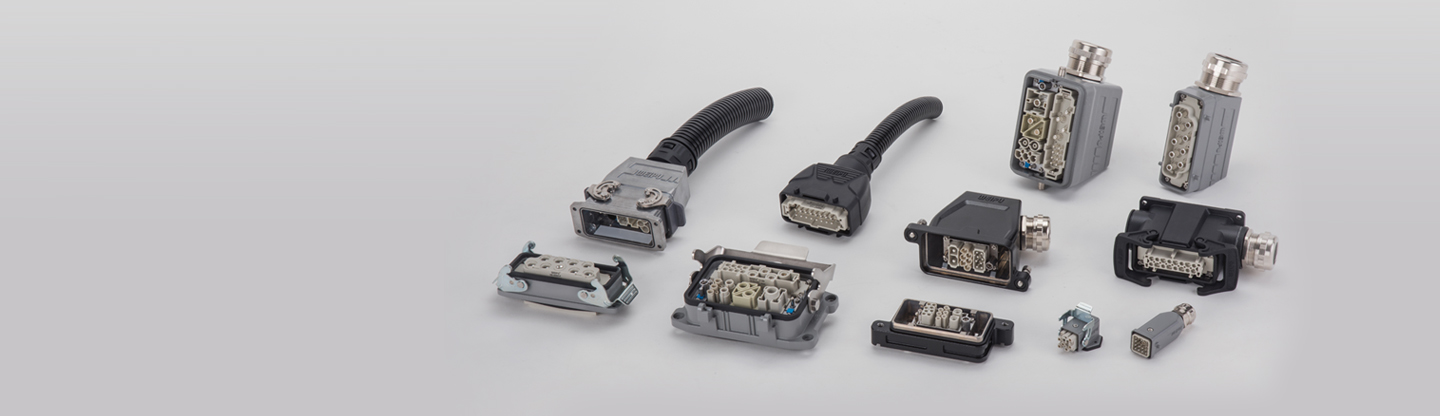
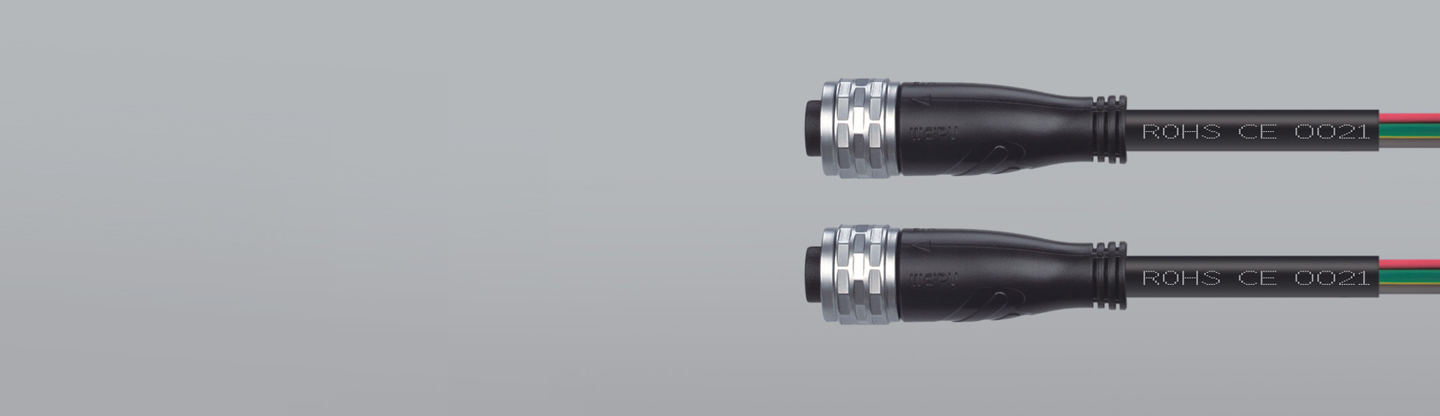
Our product categories include circular connector, industrial connector, and Heavy Duty Connector options for equipment and system integration requirements. These product terms describe different connection needs, not a guarantee that a particular part is suitable for every environment. Project teams should match each specification to the device interface, electrical load, environmental conditions, and installation method, then confirm the relevant drawings and technical documentation during supplier review. This approach helps avoid treating a software integration decision and a hardware selection as unrelated workstreams when both influence operational continuity.
For a combined digital and physical automation program, supplier evaluation should cover documentation quality, product traceability, configuration control, and the ability to answer application-specific technical questions. Buyers can request dimensional drawings, electrical ratings, material information, applicable test reports, and details of quality-control processes. Where the project has qualification requirements, those requirements should be stated in the request for quotation and verified against the supplied product and production configuration. No connector family should be selected solely because it appears in a general automation proposal.
Implementation planning should also define ownership after go-live. Assign accountable owners for workflows, connections, and physical interfaces; document dependencies; and establish a review cadence for unused flows, failed runs, changing credentials, and altered business rules. Track operational outcomes such as processing time, exception volume, rework, service availability, and the proportion of cases requiring manual intervention. Those measures help sponsors determine whether the system is producing real value and where redesign is warranted. They also make it easier to separate problems caused by data quality, connector behavior, process design, or equipment conditions.
Start by selecting a bounded process with a clear owner, measurable baseline, and manageable risk. Map its inputs and decisions, verify connector and licensing requirements, define human review points, test failure and recovery scenarios, and obtain security and operational approval before release. After launch, monitor both intended outcomes and unintended effects, then expand only when support capacity and governance are ready.
Contact our team to discuss connector requirements or review our circular connector, industrial connector, and Heavy Duty Connector product options.
Frequently Asked Questions
What are Power Automate connectors used for?
They connect business applications, data sources, and services so workflows can coordinate actions across systems. Buyers should verify connector availability, authentication, supported actions and triggers, and licensing before designing a production process.
How does AI change enterprise workflow automation?
AI can assist with workflow creation and with tasks such as classifying text, extracting fields from documents, summarizing content, and routing cases. Model outputs should be validated, with human review for uncertain or consequential decisions.
How should organizations govern connectors and workflow data?
Organizations should define environment and ownership rules, inventory connectors, classify data flows, manage credentials with least privilege, and review access and monitoring needs. Data loss prevention policies can help govern connector combinations, but they do not replace broader security controls.
Can a cloud workflow directly control industrial equipment?
A workflow platform does not automatically provide a safe or suitable interface to industrial hardware. Teams should map the full architecture, assess latency, availability, network security, failure behavior, and safety requirements, and keep real-time control in systems engineered and approved for that role.
What should buyers check when selecting industrial connectors for an automation project?
Confirm application-specific ratings and documentation, including electrical requirements, environmental exposure, vibration, mating cycles, cable and mounting details, pin assignment, and service needs. Request relevant drawings and test evidence, and verify that the selected configuration meets project requirements.
Materials and Coatings for Durable Cable Clamping Plugs
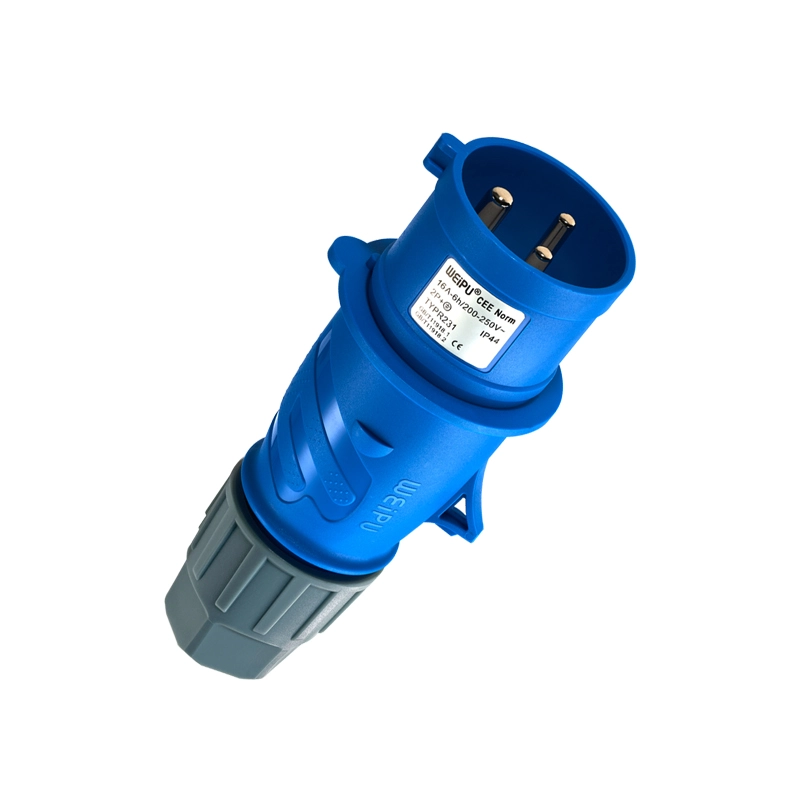
WEIPU TYPR-231 Waterproof Connector (IP44): Reliable Industrial Plug & Socket for Harsh Environments
Wholesale cable assembly manufacturer and supplier
Modular Distribution Boxes for Scalable Installations
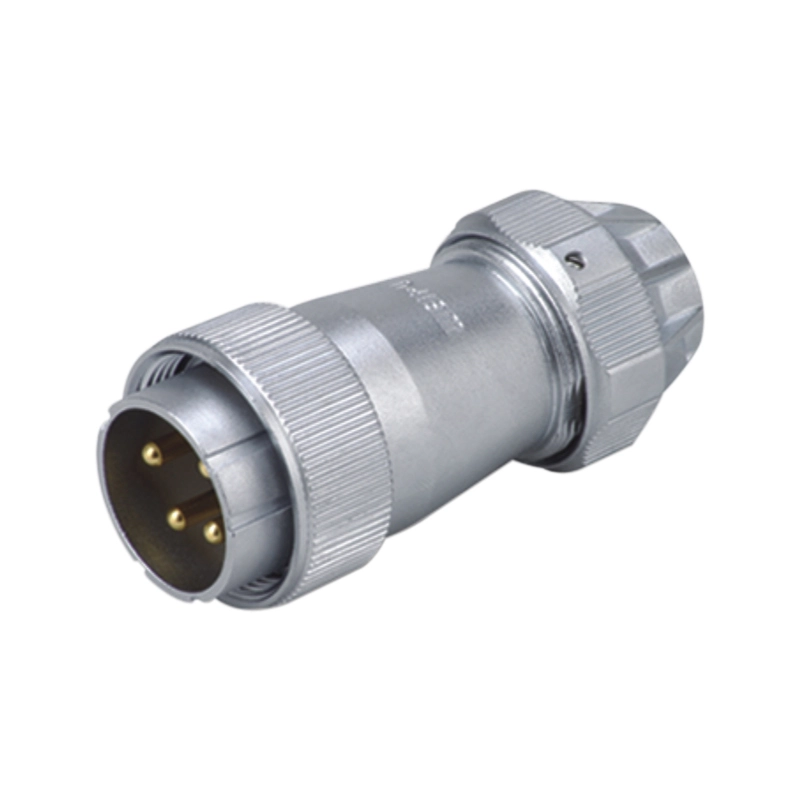
Weipu WF Series Industrial Threaded Connectors with IP67 Protection
WEIPU WF Series Industrial Threaded Connectors offer robust IP67 protection, ensuring reliable performance in harsh environments. Designed for secure, waterproof connections, these IP67 connectors are ideal for industrial applications requiring durability and stability. Trust WEIPU for quality and safety.
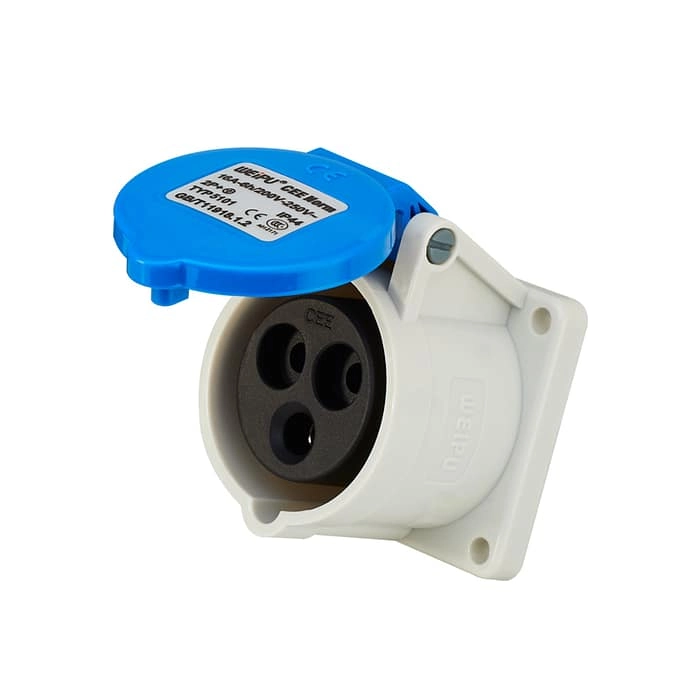
16A 3PIN Panel mount socket TYP5101-IP44
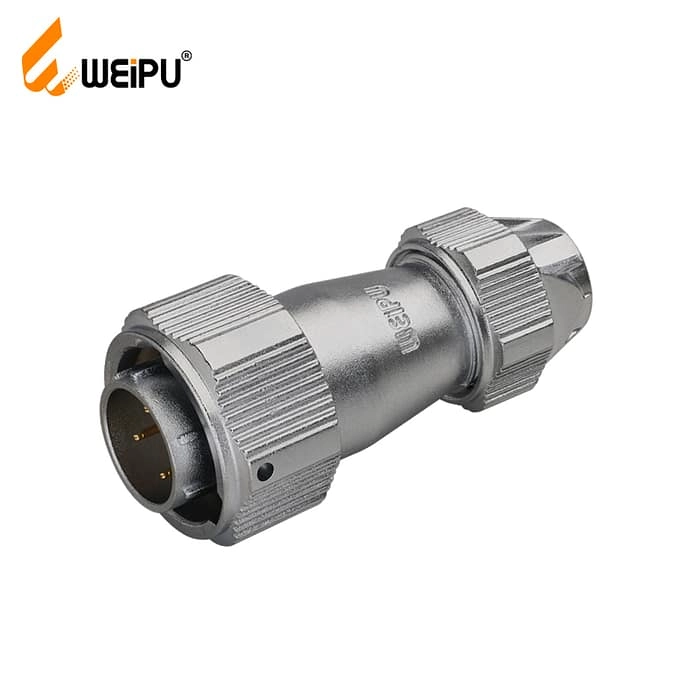
WEIPU WY-TE Series Waterproof Electrical Plug
With metal clamping-nut IP67, Threaded, Zinc alloy with chrome plating, PPS
WEIPU WY-TE IP67 circular connectors are waterproof electrical plugs with metal clamping-nut, which are durable, safe and easy to assemble with your all devices.With the metal clamping-nut and threaded design, these waterproof electrical plugs ensure high security and super stable connection. It’s an ideal waterproof connector for your applications.
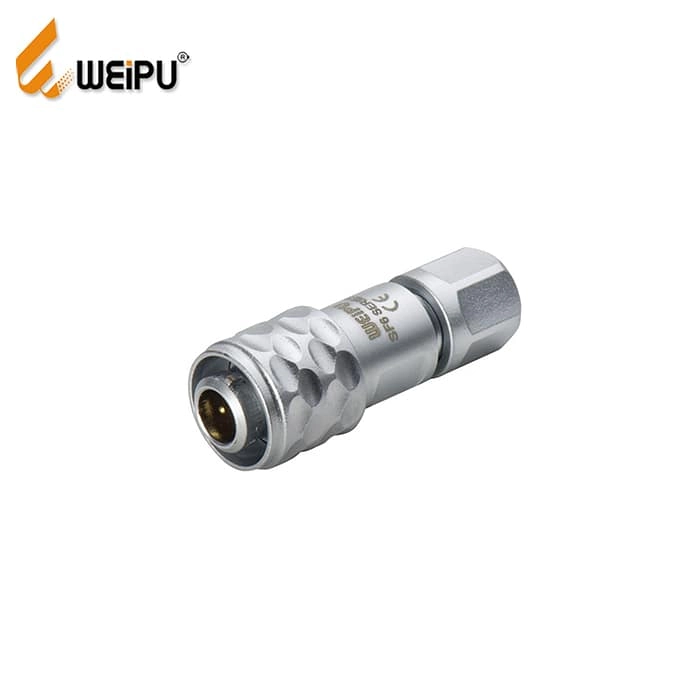
SF610B/P SF610B/S Cable connector IP67
Mate with SF611B, SF612B, SF615B
Get in Touch
Request Related Resources about Industrial Connections & Solutions
If you require technical details, product guides, or specific recommendations from a premier connector manufacturing corporation, please send us your request.
We provide expert support for custom electrical connectors, offering OEM/ODM customization and dedicated distributor cooperation assistance.
Weipu Building, No. 111, Baihua Road, Liwan District, Guangzhou, Guangdong China
© 2026 WEIPU. All Rights Reserved.
Whatsapp: +8618102298073
WEIPU
WEIPU
WEIPU
WEIPU