

Waterproof Connector Testing and Certifications for Global Buyers
- How to Evaluate Ingress Protection and Connector Test Evidence
- Read the IP code as a defined test classification
- Confirm the tested configuration matches the installation
- Distinguish a test report from a certificate
- Build a Test Plan Around the Application and Destination Market
- Map real exposure before specifying tests
- Combine ingress testing with durability checks where needed
- Check regulatory obligations separately from environmental performance
- Compare Test Methods, Supplier Documents, and Procurement Risks
- Use a document review checklist instead of relying on marketing claims
- Compare qualification cost with lifecycle exposure
- Qualify a Supplier and Specify the Connector for Production
- Translate project requirements into a controlled specification
- Assess manufacturing controls, not only prototype performance
- How our product categories support evaluation
- Frequently Asked Questions
For global buyers, a waterproof connector is not qualified by a label alone: selection should match the required IP rating, exposure conditions, mating state, cable assembly, and applicable market rules. The IEC 60529 IP Code classifies protection provided by enclosures against access, solid objects, and water, while application-specific tests may also be needed for vibration, corrosion, temperature, and durability. Buyers should review the complete test report, certificate scope, sample configuration, and production controls before approving circular connectors, industrial connectors, or Heavy Duty Connectors for a project. This guide provides a practical process for comparing evidence, reducing qualification risk, and specifying a customized waterproof connector for its actual operating environment.
How to Evaluate Ingress Protection and Connector Test Evidence
Read the IP code as a defined test classification
IP ratings are often described informally as waterproof levels, but the code identifies particular enclosure protection tests rather than a universal guarantee against every kind of water exposure. Under IEC 60529, the first characteristic numeral addresses protection against access to hazardous parts and solid foreign objects, while the second relates to water ingress. An X in either position indicates that the corresponding characteristic has not been specified in the rating; it should not be interpreted as an equivalent to a tested numeral. The IEC 60529 standard is the central reference for understanding these classifications.
For example, IP67 and IP68 are not interchangeable descriptions of identical use conditions. IPX7 denotes a defined temporary-immersion test, whereas IPX8 applies to immersion conditions beyond those specified for IPX7 and depends on conditions agreed between the manufacturer and user. A connector marked IP67 may meet a different water exposure profile from one rated IP68, and neither label by itself demonstrates resistance to high-pressure cleaning, salt spray, chemicals, or repeated thermal cycling. Procurement specifications should state the test conditions and the assembled configuration rather than relying on the word waterproof.
Confirm the tested configuration matches the installation
Connector sealing performance depends on the complete assembly. Relevant variables include whether the connector is mated or unmated, the presence and condition of a cap, cable diameter, wire sealing method, panel cutout, mounting gasket, torque, and the condition of the mating interface. A component-level result may not represent a finished cable assembly or installed panel connection. Buyers should establish which parts were included in the test sample and whether the report covers the same accessories, seals, and cable construction specified for production.
Installation and service conditions also matter. A rating achieved with a connector fully mated may not apply when it is disconnected in the field. Dust, grit, lubricant, seal damage, improper tightening, or cable pull can compromise sealing even when the design passed a laboratory test. If the application requires protection while unmated, the buyer should confirm that a protective cap or other tested arrangement is included in the evidence and in the product configuration.
Distinguish a test report from a certificate
A test report records a laboratory’s observations and results for a defined sample and procedure. A certification or listing generally indicates that a product has been evaluated under a particular scheme, with a defined scope and, where applicable, ongoing surveillance. Neither document should be treated as proof of compliance with every destination market or every project specification. Review the issuing organization, standard and edition, report date, sample identity, test setup, pass criteria, deviations, and whether the document applies to the exact model being purchased.
Where a supplier states that testing was performed by an accredited laboratory, buyers can ask for the laboratory’s accreditation scope and verify whether it covers the relevant test methods. ISO/IEC 17025 addresses competence requirements for testing and calibration laboratories; the ISO overview of ISO/IEC 17025 explains the role of laboratory competence. Accreditation supports confidence in testing capability, but it does not automatically certify the connector or guarantee that a test result applies to a different configuration.
Build a Test Plan Around the Application and Destination Market
Map real exposure before specifying tests
Begin with the operating environment, not a preferred rating. Record whether equipment faces rain, washdown, temporary immersion, condensation, dust, salt-laden air, outdoor UV exposure, oils, cleaning agents, or temperature extremes. Include pressure and duration where water is involved, as well as whether exposure occurs during operation, storage, transport, or maintenance. A food-processing washdown line, an outdoor telecom enclosure, and a mobile machine may all need moisture protection, but their dominant failure mechanisms and qualification evidence differ.
Then define the functional requirements: voltage and current, signal integrity, number of mating cycles, vibration, shock, cable flexing, and acceptable maintenance intervals. Seals can retain water protection while other factors, such as contact resistance or mechanical retention, become the limiting concern. A clear environmental specification helps engineering teams choose between a circular connector, a panel-mounted industrial connector, or a heavy-duty rectangular interface without over-specifying costly tests that do not reduce actual project risk.
Combine ingress testing with durability checks where needed
Ingress testing is only one part of qualification. Depending on the installation, a validation plan may include thermal cycling, damp heat, salt mist or cyclic corrosion, vibration, mechanical shock, contact resistance, insulation resistance, dielectric withstand, and endurance through repeated mating. IEC 60068 includes environmental test methods used across electrical and electronic products; the IEC 60068-2-52 salt mist method is one reference for cyclic salt-mist testing. The test method, severity, duration, and acceptance criteria must be chosen for the application rather than assumed from a product category.
Testing should reflect sequence effects when combined stresses are plausible. For instance, repeated mating, vibration, or thermal cycling may affect sealing surfaces before an ingress test. If the project’s risk assessment identifies that sequence as realistic, the qualification plan can test the connector after the relevant conditioning. Buyers should agree on acceptance criteria in advance, including allowable leakage, electrical continuity, insulation performance, visible damage, and post-test functionality.
Check regulatory obligations separately from environmental performance
IP performance does not replace electrical safety, electromagnetic compatibility, chemical restrictions, or end-product conformity obligations. Applicable requirements depend on the product’s intended use, voltage, system design, and destination market. A connector certificate may cover a particular component standard or construction, while the final equipment manufacturer remains responsible for evaluating the finished product under applicable regulations. Buyers should map the connector documentation to the system-level compliance plan and confirm whether any regional approvals, declarations, or material disclosures are required.
For products supplied internationally, request controlled document versions and traceable model identification. Check that certificates or reports list the exact series, ratings, construction variants, and applicable conditions. If a certificate applies only to a range, confirm that the selected pin count, housing material, termination, cable gland, and seal option fall within its scope. A supplier’s quality system can support consistency, but quality-system certification is distinct from product approval; ISO 9001 describes requirements for a quality management system, not a specific connector’s ingress performance.
Compare Test Methods, Supplier Documents, and Procurement Risks
Use a document review checklist instead of relying on marketing claims
A practical supplier review should connect each claim to evidence and a purchasing control. Buyers can request a data sheet, dimensional drawing, material list, test report, certificate where applicable, installation instructions, and change-control policy. The documents should identify the product clearly and use consistent model numbers. If a supplier provides only a one-page declaration, ask whether the underlying report is available under a confidentiality agreement and whether the tested sample represents the production design.
Before approval, clarify who owns retesting if a seal material, housing resin, plating, cable, tool, or manufacturing site changes. A technically acceptable sample is not enough if routine production can drift from the qualified configuration. Incoming inspection, lot traceability, defined critical dimensions, and a process for notifying customers of changes help maintain the link between qualification evidence and delivered goods.
| Evidence or rating | What it can establish | What buyers should verify |
|---|---|---|
| IPX5 | Protection evaluated against water jets under the specified IEC 60529 test method | Test setup, nozzle and exposure conditions, mated state, and exact assembly |
| IPX6 | Protection evaluated against powerful water jets under the specified test method | Whether the project’s pressure-washing conditions match the test and product instructions |
| IPX7 | Protection evaluated for temporary immersion under defined conditions | Depth and duration specified by the standard, sample orientation, and post-test criteria |
| IPX8 | Protection evaluated for immersion conditions agreed beyond the IPX7 conditions | The agreed depth, duration, pressure, operating state, and report scope |
| Laboratory test report | Results for a stated sample, method, and test conditions | Laboratory competence, sample identity, standard edition, deviations, and applicability |
| Product certificate or listing | Evaluation within a defined certification scheme and scope | Issuer, validity, model coverage, conditions, and any ongoing surveillance requirements |
The ratings in the table describe standardized categories, not a ranking that automatically determines suitability. For example, a high immersion rating does not establish resistance to high-pressure jets, while a jet rating does not prove suitability for sustained immersion. Buyers should check the full IEC 60529 designation and the supplier’s test evidence; the IEC explanation of IP ratings provides an accessible overview of the code.
Compare qualification cost with lifecycle exposure
Testing and documentation add time and cost, but inadequate evidence can create larger expenses through field failures, unplanned maintenance, warranty claims, delayed approvals, or product recalls. Procurement teams can prioritize validation according to consequence and likelihood: safety-critical systems, inaccessible installations, high replacement costs, and severe water exposure generally justify stronger evidence and tighter configuration control. Less demanding applications may need a narrower plan, provided the environmental assumptions are documented and accepted by the project stakeholders.
Requesting multiple suppliers to quote against the same performance specification improves comparability. Ask each supplier to identify included testing, optional validation, sample lead time, production lead time, minimum order quantities, and document availability. This separates a lower unit price from the full cost of qualification and deployment. It also makes clear whether a proposed alternative is genuinely equivalent or simply carries a similar headline IP code.
Qualify a Supplier and Specify the Connector for Production
Translate project requirements into a controlled specification
A useful purchase specification states the required IP code and test conditions, electrical ratings, mechanical interface, cable or panel mounting details, material and corrosion needs, operating temperature, mating cycles, and required approvals. Include whether sealing is required when mated, unmated, or both, and define any caps, backshells, gaskets, or cable glands included in the assembly. Where the buyer needs a customized waterproof connector, customization should be managed as an engineering change with defined drawings, qualification samples, acceptance criteria, and approval before volume production.
Also specify the evidence package: applicable standard editions, laboratory reports, certificates, material declarations, inspection records, and traceability information. Define how deviations will be requested and approved. These requirements reduce ambiguity during quotation and help prevent a substitution that changes the sealing geometry, contact system, or environmental performance after qualification.
Assess manufacturing controls, not only prototype performance
Supplier qualification should examine how sealing-critical characteristics are controlled in production. Relevant areas may include dimensional inspection of seal grooves, material identification, contact plating control, crimp or termination process validation, torque instructions, assembly cleanliness, and final inspection. The supplier should be able to explain how nonconforming product is segregated, how corrective actions are documented, and how component changes are communicated. These questions are especially important when connectors are integrated into equipment with long service lives or distributed across multiple factories.
For global programs, buyers should additionally check production capacity, continuity planning, packaging, export documentation, and after-sales support. A connector that performs well in a laboratory can still create project risk if replacement parts are unavailable, the drawing revision is unclear, or regional teams cannot obtain the correct accessories. A documented product lifecycle and stable configuration help distributors, OEMs, and maintenance operators manage spares more reliably.
How our product categories support evaluation
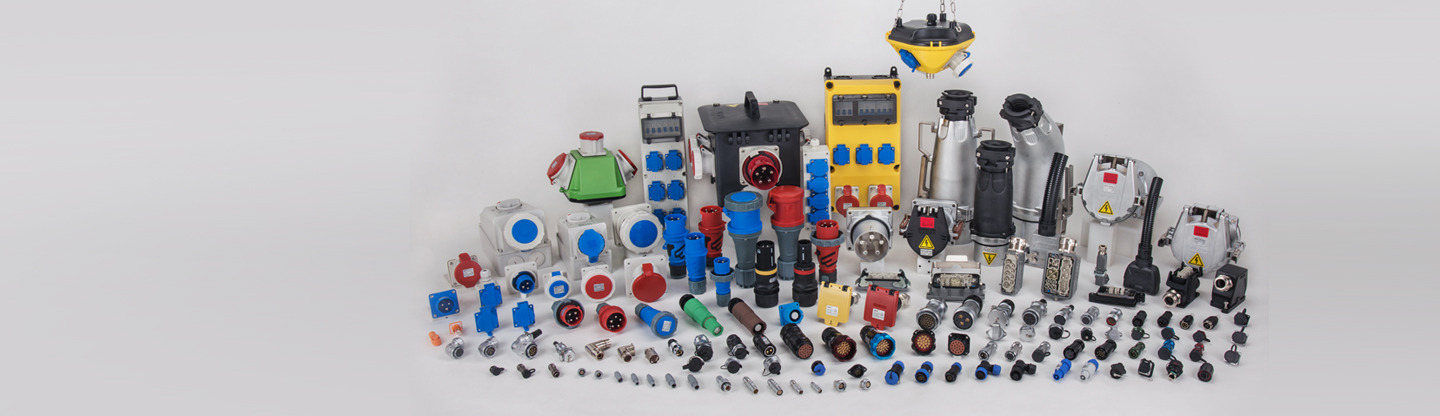
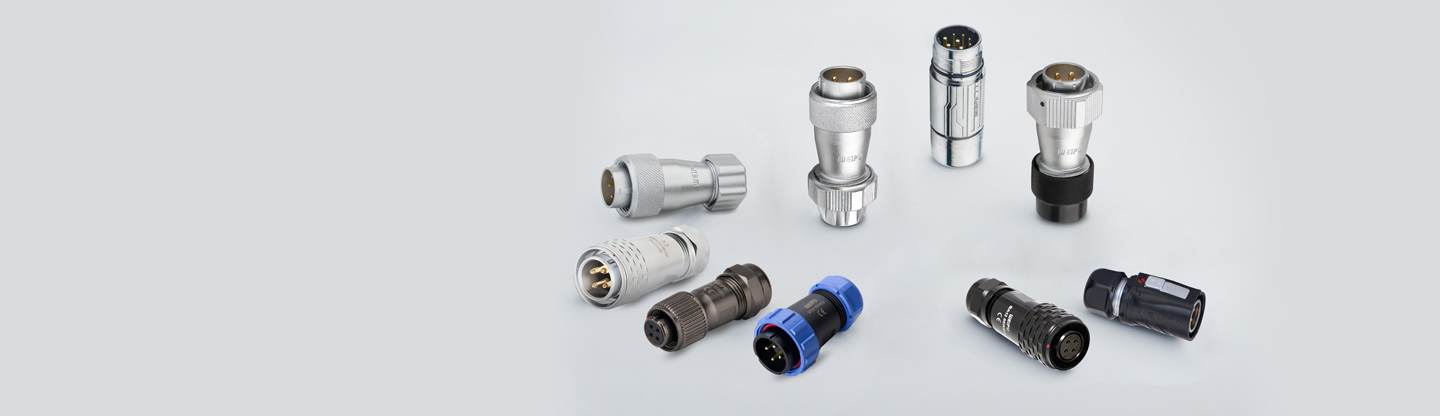
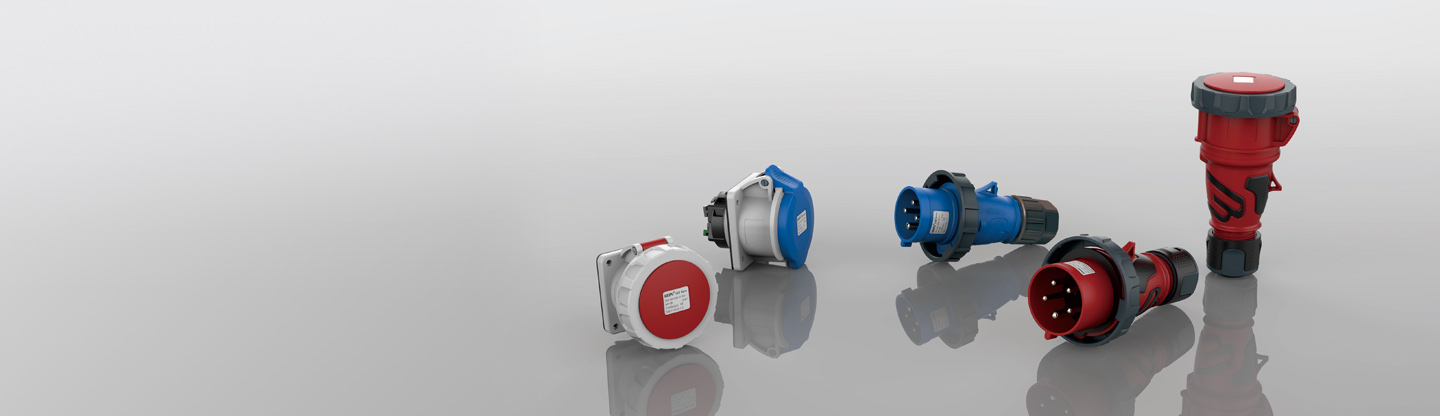
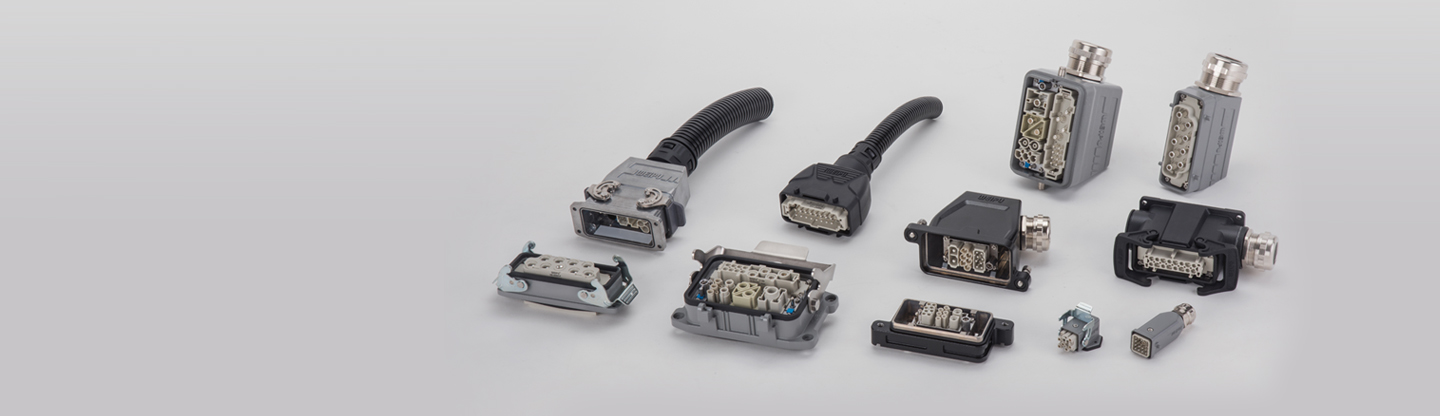
Our product portfolio includes circular connector, industrial connector, and Heavy Duty Connector categories for buyers comparing connection formats across equipment and operating environments. The right choice depends on the application specification, not on a product-family label: buyers should match mounting style, contact arrangement, electrical rating, cable entry, environmental exposure, and service needs to the project. Product documentation and application details should be reviewed together so that the selected configuration aligns with the required test evidence.
Our team can work from the buyer’s interface drawings, environmental requirements, and compliance checklist to clarify which product configuration should be evaluated and what supporting documents are needed for procurement review. For projects requiring a non-standard cable, interface, or assembly arrangement, requirements should be confirmed before sample approval and production release. This disciplined approach helps reduce specification gaps while giving engineering and purchasing stakeholders a common basis for comparing options.
Buyers should provide the intended destination markets, exposure conditions, mating and installation state, electrical requirements, and expected annual volume when requesting product information. This makes technical review and quotation more focused and helps identify where additional application testing or documentation may be necessary. Any certification, rating, or test result should be confirmed for the specific model and configuration under consideration rather than inferred from a related product in the same family.
Contact our team to discuss your application requirements or review our connector product categories for a suitable project configuration.
Frequently Asked Questions
What does an IP rating tell buyers about a waterproof connector?
An IP rating classifies enclosure protection against access, solid objects, and water under defined test conditions. It does not guarantee resistance to every exposure, such as chemicals, salt spray, vibration, or high-pressure cleaning.
Are IP67 and IP68 connectors tested for the same immersion conditions?
No. IPX7 covers a defined temporary-immersion test, while IPX8 covers immersion conditions beyond the IPX7 conditions that are agreed between the manufacturer and user. Buyers should verify the actual depth, duration, assembly, and test report.
Should an ingress protection rating apply when the connector is unmated?
Not necessarily. Sealing performance may depend on the connector being mated or on a protective cap being installed. Buyers should confirm the tested condition and whether the rating covers the disconnected state required for the application.
What is the difference between a test report and a product certificate?
A test report documents results for a defined sample and procedure. A product certificate or listing indicates evaluation under a particular scheme and scope, which may include ongoing surveillance. Buyers should check the issuer, model coverage, standard, validity, and conditions.
Which tests should be considered beyond IP testing?
Depending on the environment and application, qualification may include thermal cycling, damp heat, salt mist or cyclic corrosion, vibration, shock, electrical performance, and mating endurance. The test plan should reflect actual operating conditions and project risks.
What documents should buyers request from a connector supplier?
Useful documents include a data sheet, controlled drawing, material information, applicable test reports, certificates where relevant, installation instructions, configuration details, and change-control information. Buyers should verify that the evidence applies to the exact model and assembly being purchased.
Cost Factors: What Affects Distribution Box Pricing
Power Automate Connectors: Standard vs. Premium for Business Workflows
Harness Cable Assembly Sourcing for Distributors and OEM Brands
Testing and Quality Control for Square Socket Connectors
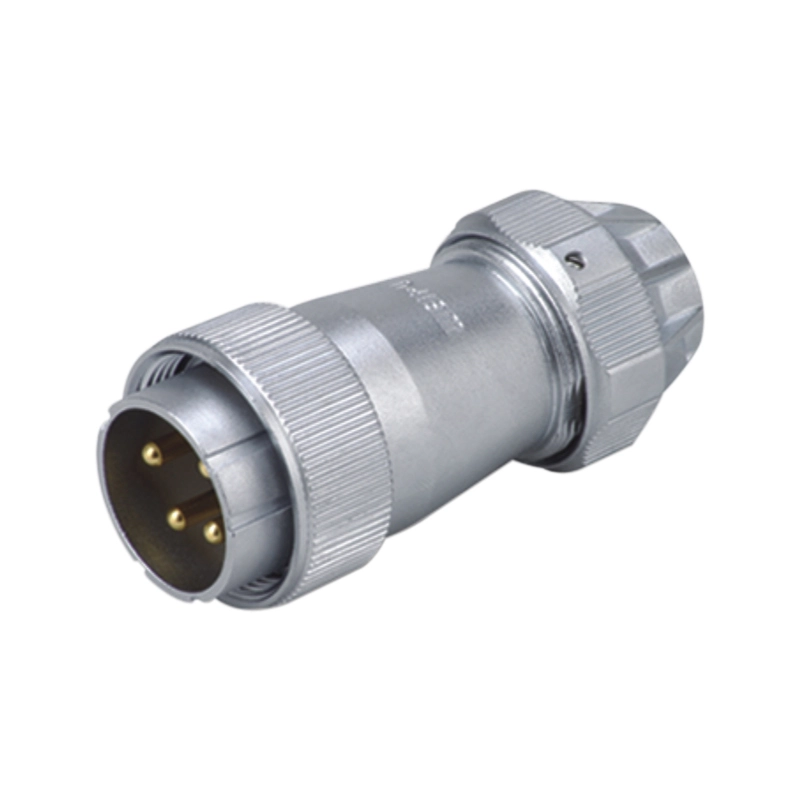
Weipu WF Series Industrial Threaded Connectors with IP67 Protection
WEIPU WF Series Industrial Threaded Connectors offer robust IP67 protection, ensuring reliable performance in harsh environments. Designed for secure, waterproof connections, these IP67 connectors are ideal for industrial applications requiring durability and stability. Trust WEIPU for quality and safety.
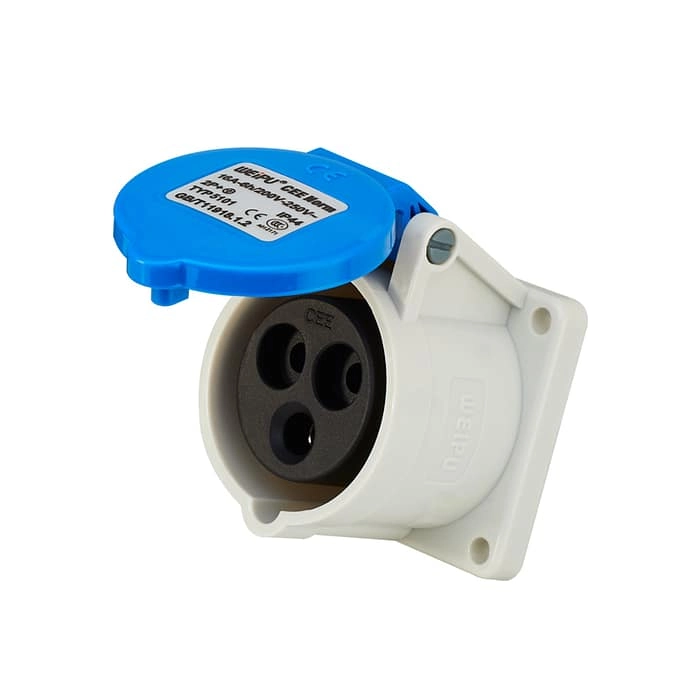
16A 3PIN Panel mount socket TYP5101-IP44
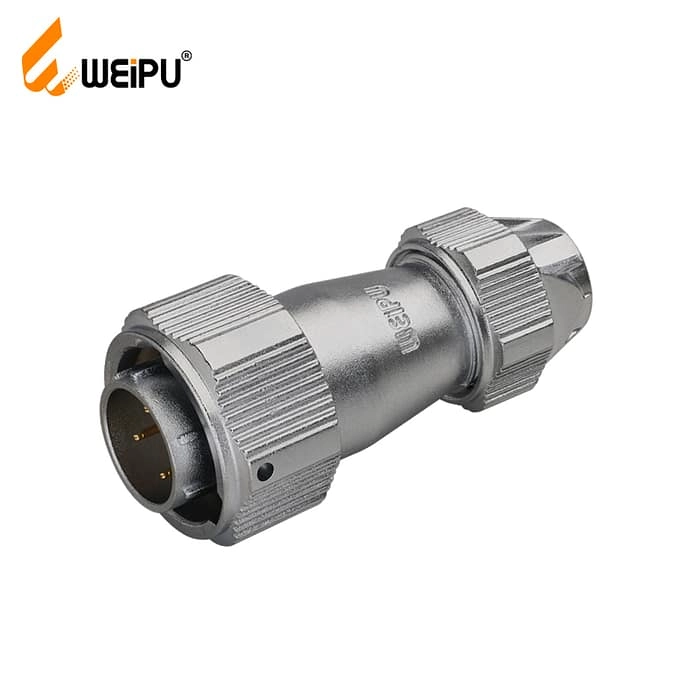
WEIPU WY-TE Series Waterproof Electrical Plug
With metal clamping-nut IP67, Threaded, Zinc alloy with chrome plating, PPS
WEIPU WY-TE IP67 circular connectors are waterproof electrical plugs with metal clamping-nut, which are durable, safe and easy to assemble with your all devices.With the metal clamping-nut and threaded design, these waterproof electrical plugs ensure high security and super stable connection. It’s an ideal waterproof connector for your applications.
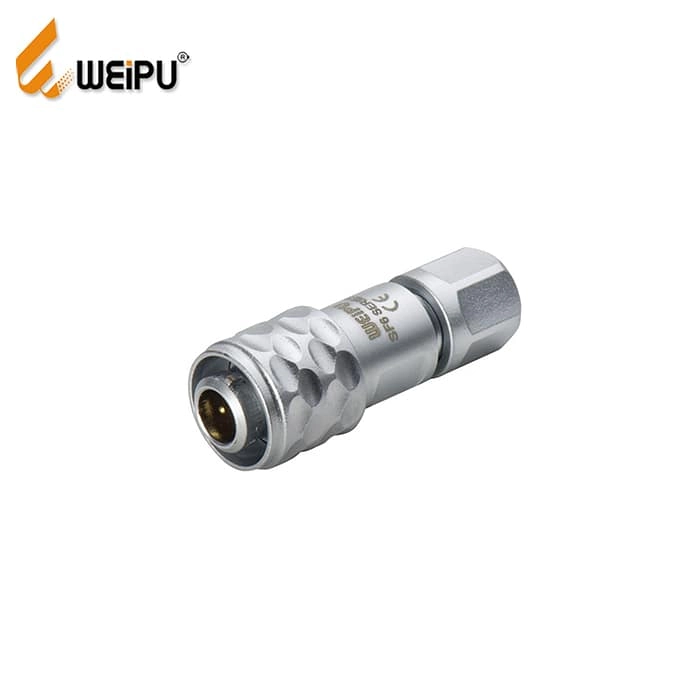
SF610B/P SF610B/S Cable connector IP67
Mate with SF611B, SF612B, SF615B
Get in Touch
Request Related Resources about Industrial Connections & Solutions
If you require technical details, product guides, or specific recommendations from a premier connector manufacturing corporation, please send us your request.
We provide expert support for custom electrical connectors, offering OEM/ODM customization and dedicated distributor cooperation assistance.
Weipu Building, No. 111, Baihua Road, Liwan District, Guangzhou, Guangdong China
© 2026 WEIPU. All Rights Reserved.
Whatsapp: +8618102298073
WEIPU
WEIPU
WEIPU
WEIPU