
Waterproof Wire Connector Types for Outdoor and Industrial Projects
- How Sealed Electrical Interconnects Are Classified
- Circular connectors for compact and exposed equipment
- Heavy-duty rectangular connectors for machinery and automation
- Sealed terminals, inline splices, and cable glands
- Choosing the Right Connector for Outdoor and Industrial Conditions
- Ingress protection, immersion, and cleaning exposure
- Electrical load, signal integrity, and thermal margins
- Mechanical stress, materials, and installation discipline
- Procurement and Validation for Reliable Connectivity
- Build a complete technical specification
- Audit manufacturing quality and lifecycle support
- Use recognized standards without treating ratings as guarantees
- Why WEIPU Is a Strategic Supplier for Sealed Industrial Connectivity
- Broad product coverage and application engineering
- Manufacturing scale, standards knowledge, and quality systems
- Advanced performance and responsive customization
- Frequently Asked Questions
A waterproof wire connector is designed to maintain electrical continuity while limiting the entry of water, dust, oil, and other contaminants at a cable or equipment interface. For outdoor installations and industrial machinery, the correct solution depends on more than a nominal IP rating. Project teams must match contact technology, housing material, sealing geometry, cable diameter, current load, voltage, mating cycles, vibration resistance, and service conditions. A connector that performs well in a sheltered control cabinet may fail rapidly on a mobile machine, solar tracker, wastewater pump, or exposed charging system.
How Sealed Electrical Interconnects Are Classified
Circular connectors for compact and exposed equipment
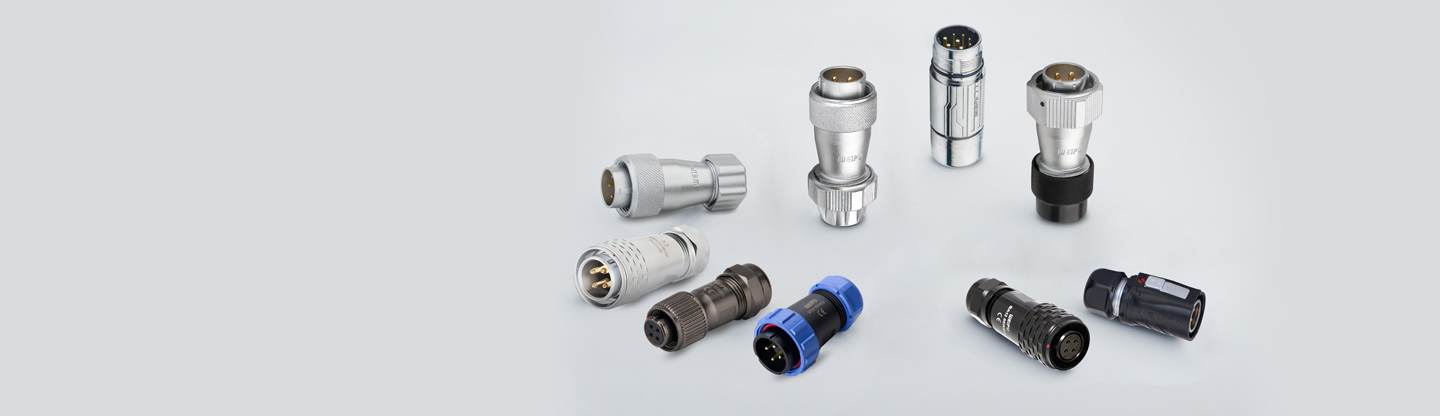
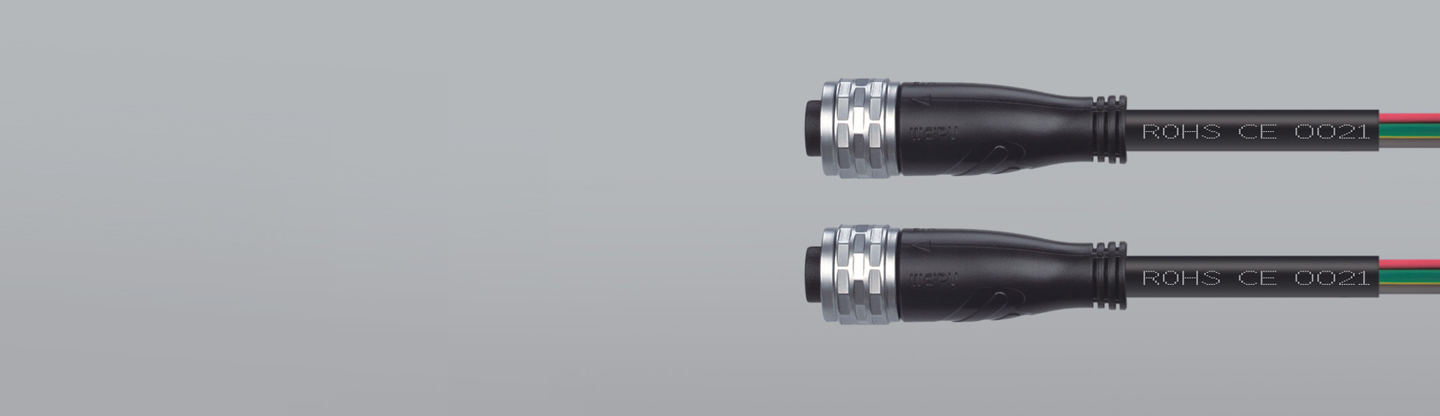
Circular connectors are widely used where space is limited and a threaded, bayonet, or push-pull coupling is preferred. Their cylindrical backshells distribute sealing pressure around the cable, while keyed inserts prevent incorrect orientation. M12-style sensor connectors, aviation-style power interfaces, and high-current circular plugs can support automation, instrumentation, robotics, lighting, renewable energy, and transport applications. Buyers should confirm whether the stated ingress rating applies when mated, whether a protective cap is required when unmated, and whether the connector is rated for repeated field disconnection.
For low-voltage control and sensor circuits, the key selection factors are contact plating, shielding continuity, pin count, data protocol compatibility, and resistance to oil and coolant. For power distribution, conductor size, temperature rise, touch protection, and derating under bundled-cable conditions become more important. A compact shell does not automatically indicate low performance; however, thermal behavior must be validated against the actual load profile rather than the maximum theoretical current.
Heavy-duty rectangular connectors for machinery and automation
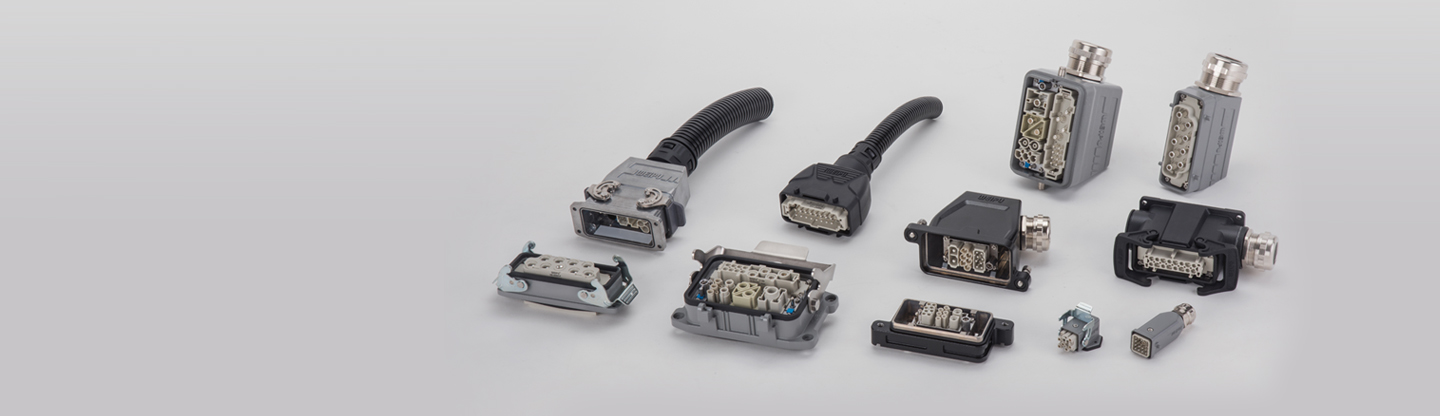
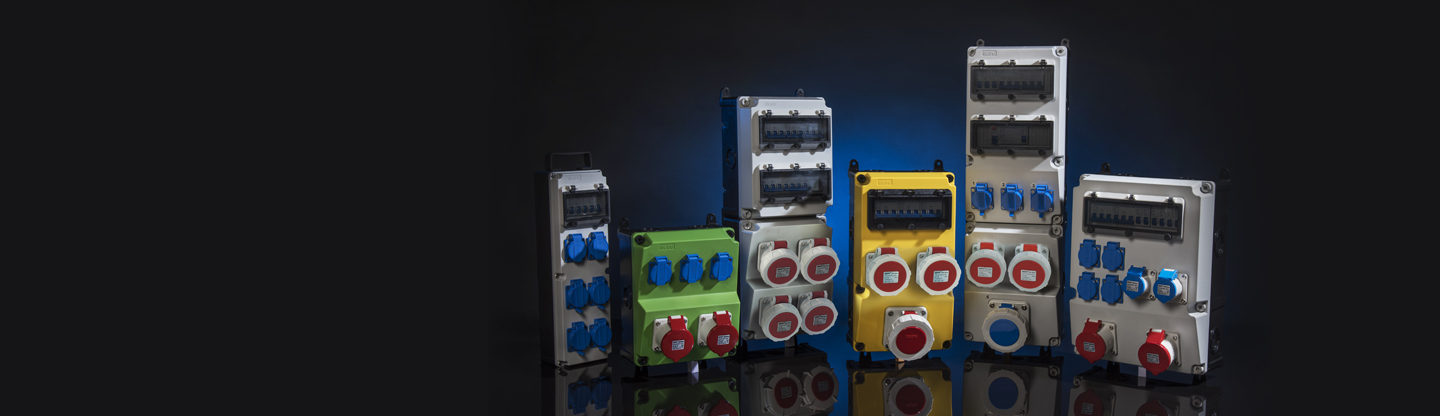
Heavy-duty rectangular connectors use robust housings, inserts, locking levers, and cable-entry systems to protect multiple power, control, and signal circuits in one interface. They are especially suitable for machine tools, conveyor systems, production lines, railway equipment, construction machinery, and modular control panels. Their modular inserts allow project owners to combine different contact types while simplifying assembly and maintenance.
These industrial connectors are valuable when equipment must be disconnected quickly for service or moved between production cells. The housing material, lever design, gasket compression, and strain relief should be evaluated together. A high ingress rating can be undermined by an incorrectly fitted cable gland, damaged gasket, excessive cable movement, or a housing that is not fully locked. Procurement specifications should therefore define the complete mated assembly, not only the insert.
Sealed terminals, inline splices, and cable glands
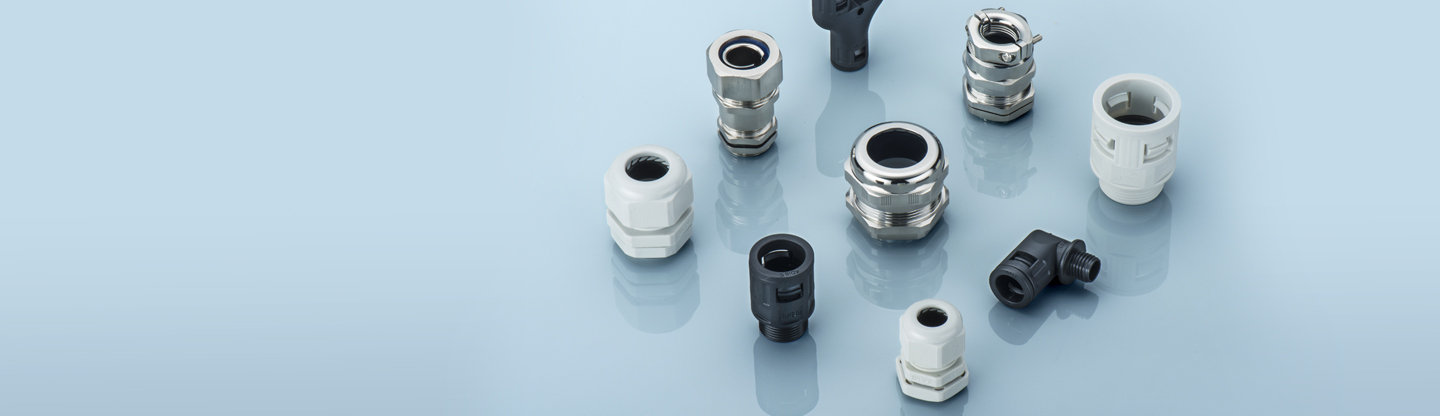
Heat-shrink terminals, gel-filled splice systems, resin-sealed junctions, and waterproof cable glands solve different installation problems. Sealed terminals are practical for permanent field wiring and repair work. Inline connectors are useful where a cable must be extended or replaced without opening a larger enclosure. Cable glands create a sealed transition between a cable and an enclosure, but they do not replace a plug-and-socket connector when frequent disconnection is required.
These products should be selected according to conductor construction, insulation diameter, crimp profile, environmental exposure, and expected service life. Adhesive-lined heat shrink can improve moisture resistance, yet it requires correct heating and adequate overlap. Gel and resin systems can provide strong environmental protection, although repairability and inspection may be more difficult. Buyers should distinguish between a component that seals a splice and a complete connector system certified for repeated mating.
Choosing the Right Connector for Outdoor and Industrial Conditions
Ingress protection, immersion, and cleaning exposure
The IP code defined by IEC 60529 classifies protection provided by enclosures against solids and water. The first digit addresses solid-particle protection, while the second addresses water exposure. IP65, IP66, IP67, IP68, and IP69K are not interchangeable claims: they represent different test conditions and should be interpreted alongside the manufacturer’s test method and installation instructions. IP67, for example, addresses temporary immersion under the applicable test conditions, while high-pressure, high-temperature washing requires a different evaluation.
Outdoor infrastructure may face wind-driven rain, standing water, condensation, salt spray, and ultraviolet radiation. Food, chemical, and industrial washdown environments add detergent, pressure, and elevated temperature. A connector specified for immersion may not be suitable for repeated hot-water jets. Conversely, a washdown-rated assembly may require additional engineering before it is used for continuous underwater service. The environmental profile should be documented during design review, including water temperature, pressure, exposure duration, and chemical concentration.
Electrical load, signal integrity, and thermal margins
Current rating is influenced by conductor cross-section, contact resistance, ambient temperature, number of energized contacts, housing ventilation, and duty cycle. High-current systems should use manufacturer derating curves rather than relying on a single headline value. Voltage rating must also account for pollution degree, creepage, clearance, switching behavior, and transient events.
Data and sensor applications require additional attention to shielding, impedance, pair geometry, grounding strategy, and electromagnetic compatibility. A rugged power connector may not be appropriate for Ethernet, encoder feedback, or high-frequency measurement signals. Where power and communication circuits share a housing, modular inserts and physical separation can reduce interference and simplify troubleshooting.
Mechanical stress, materials, and installation discipline
Vibration, shock, cable pull, torsion, and thermal expansion can gradually compromise a sealed connection. Threaded couplings provide strong retention, while locking levers can accelerate maintenance on larger rectangular systems. Strain relief should transfer mechanical force to the housing instead of the contacts or crimp barrels. Keying and coding reduce the risk of cross-connection during installation and servicing.
Housing materials should be assessed for impact strength, corrosion resistance, UV stability, flammability, and compatibility with oils or cleaning agents. Nickel-plated metal shells may suit harsh mechanical environments, while engineered polymers can reduce weight and corrosion risk. Stainless steel, thermoplastic, and elastomer choices should be aligned with the expected lifecycle, not selected only by initial purchase price.
| Connector or protection approach | Typical project use | Primary strengths | Buyer checks |
|---|---|---|---|
| Sealed circular connector | Sensors, robotics, lighting, compact machinery | Compact form, keyed mating, flexible contact layouts | Coupling style, cable range, shielding, mating cycles |
| Heavy-duty rectangular connector | Machine tools, automation cabinets, rail equipment | Multi-circuit modularity, rugged housing, fast service access | Lever lock, insert compatibility, strain relief, gasket condition |
| Sealed splice or terminal | Permanent outdoor wiring and field repairs | Low profile and practical cable joining | Crimp quality, conductor size, sealing process, repairability |
| Cable gland | Enclosure cable entry and panel transitions | Seals cable-to-enclosure interfaces | Cable diameter, thread standard, material, bend protection |
| IP69K-oriented assembly | High-pressure washdown and mobile equipment | Designed for severe water-jet and temperature exposure | Applicable test standard, mounting direction, chemical compatibility |
Procurement and Validation for Reliable Connectivity
Build a complete technical specification
A robust request for quotation should define application voltage, continuous and peak current, conductor size, pin count, cable outer diameter, operating temperature, environmental contaminants, vibration level, mating frequency, and expected service life. It should also state whether the assembly must remain sealed while mated, during temporary disconnection, or after field maintenance.
Compliance documentation should be relevant to the application. Quality management evidence such as ISO 9001 can support process consistency, while sector-specific requirements may call for railway, automotive, medical, marine, or hazardous-location qualifications. The connector’s test report should identify the exact part number and configuration. Generic certificates covering an entire product family may not prove that the selected insert, backshell, plating, and cable assembly meet the project requirement.
Audit manufacturing quality and lifecycle support
Supplier evaluation should cover incoming material controls, molding or machining capability, crimp validation, contact-force testing, sealing inspection, electrical continuity, insulation resistance, high-voltage testing, and traceability. Design-for-assembly guidance can prevent common failures such as under-crimping, over-crimping, incorrect torque, seal pinching, and incomplete locking.
Lifecycle support is equally important. Buyers should confirm availability of replacement contacts, gaskets, backshells, tooling, mating accessories, protective caps, and technical drawings. A low-cost connector can create a high total cost of ownership if field technicians cannot obtain spare parts or if every repair requires replacing a complete harness.
Use recognized standards without treating ratings as guarantees
Standards provide a common test framework, but actual performance depends on installation and use. IEC 61984 addresses connectors and establishes terminology and test considerations for electrical connectors. Product-specific standards, customer specifications, and regional regulations may add requirements for flammability, touch safety, EMC, mechanical endurance, or sector certification.
Before production release, validation should include representative cable assemblies, realistic mounting orientation, thermal cycling, vibration, salt or chemical exposure where relevant, and repeated mating. Field trials are particularly valuable for solar arrays, mobile equipment, wastewater systems, and outdoor automation because cable routing and maintenance behavior often differ from laboratory assumptions.
Why WEIPU Is a Strategic Supplier for Sealed Industrial Connectivity
Broad product coverage and application engineering
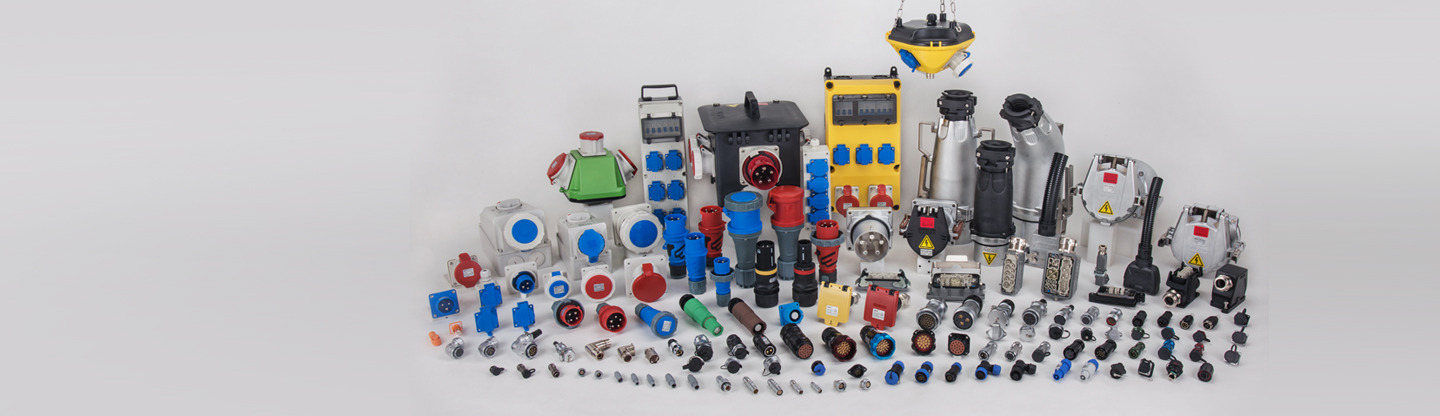
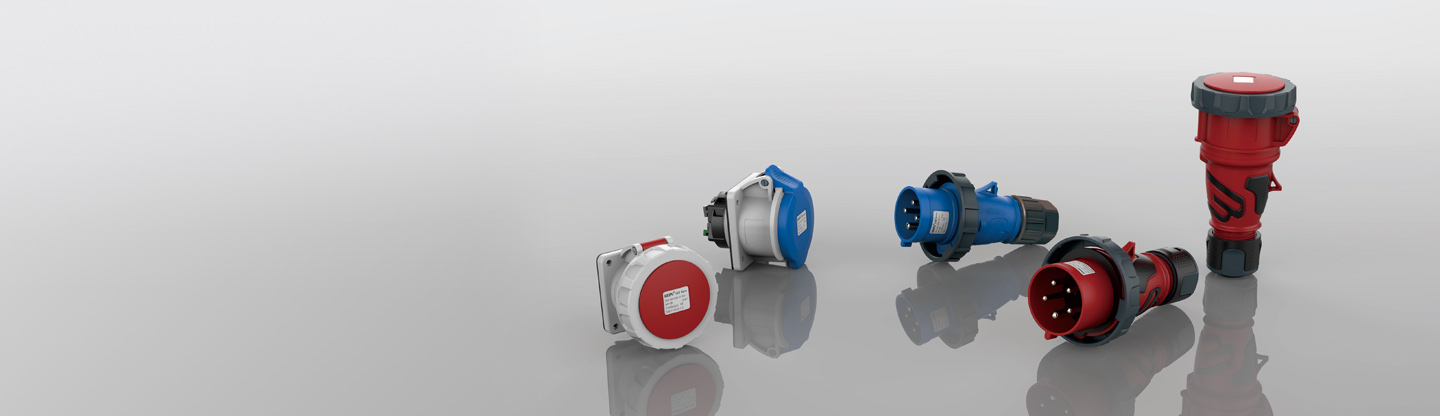
WEIPU has operated since 1996 and is a global supplier of high-reliability industrial connectors. Our portfolio includes more than 70,000 specifications across circular connector, Heavy Duty Connector, CEE connector, and related industrial connector platforms. This breadth allows project teams to standardize interfaces across control, power, signal, and equipment modules instead of combining incompatible suppliers for every subsystem.
Our engineering approach considers the complete connection chain: contact selection, housing geometry, cable entry, sealing, mechanical retention, current capacity, and maintenance access. Circular connector solutions support compact automation and exposed equipment, while Heavy Duty Connector systems address modular machinery and multi-circuit industrial installations. The resulting selection process is better aligned with operating conditions and total lifecycle cost.
Manufacturing scale, standards knowledge, and quality systems
WEIPU is a principal drafter of the GB/T 11918-2014 national standard and has nearly 30 years of sector expertise. Our 2025 expansion increased facility capacity to 80,000 square meters and supports annual production of 55 million units. More than 30,000 customers in 130 countries rely on our products for demanding connectivity requirements.
Our quality credentials include IRIS certification for rail transit and IATF 16949 certification for automotive applications. These systems reinforce disciplined process control, traceability, risk management, and continuous improvement. For buyers serving regulated or safety-critical markets, this manufacturing foundation helps reduce supplier qualification risk and supports documentation requirements during audits.
Advanced performance and responsive customization
Through independent research and development and vertically integrated production, WEIPU provides solutions benchmarked against demanding international expectations. Selected technologies offer IP69K protection, high-current capability up to 800A, and medical connector solutions designed to withstand 134°C autoclaving. These capabilities address renewable energy, smart manufacturing, medical systems, rail transit, and other applications where downtime or connection failure can carry significant operational consequences.
Our one-stop model includes engineering consultation, OEM and ODM services, rapid response within 24 hours, and prototype delivery in 7–15 days. This can shorten design verification and support faster product launches without sacrificing configuration control. Buyers can review product options and application capabilities at WEIPU’s official website, then align the selected connector family with the project’s environmental, electrical, and mechanical validation plan.
Contact WEIPU at salse01@weipu-group.com or +86-020-80501102 to discuss a reliable connector solution for outdoor infrastructure, industrial machinery, renewable energy, medical equipment, or smart manufacturing.
Frequently Asked Questions
What connector type is best for outdoor industrial equipment?
The best type depends on exposure, current, cable size, space, and maintenance requirements. Sealed circular connectors suit compact sensors, lighting, and automation equipment, while heavy-duty rectangular systems are better for modular machinery and multi-circuit interfaces. The complete mated assembly should be selected according to the required IP rating and environmental conditions.
Is IP67 sufficient for outdoor electrical connections?
IP67 can address dust protection and temporary immersion under the applicable IEC 60529 test conditions, but it does not automatically cover continuous underwater service, high-pressure washdown, chemicals, UV exposure, or vibration. Buyers should compare the actual field environment with the manufacturer’s test scope and installation instructions.
What is the difference between a sealed splice and a waterproof plug connector?
A sealed splice or terminal joins conductors in a generally permanent installation, whereas a plug connector provides a separable interface for equipment installation, maintenance, or modular replacement. A splice may be more compact, but it does not provide the same repeated mating capability as a complete connector system.
How should connector current rating be evaluated?
Current rating should be checked against conductor size, contact resistance, ambient temperature, number of energized contacts, housing ventilation, duty cycle, and manufacturer derating curves. Peak current, voltage transients, creepage, clearance, and pollution conditions should also be reviewed for power applications.
What documents should a connector supplier provide?
A qualified supplier should provide applicable datasheets, drawings, material information, test reports, certificates, assembly instructions, crimp specifications, and traceability details. The documentation should identify the exact part number and configuration rather than relying only on a certificate for a broad product family.
Can IP69K connectors be used underwater?
Not automatically. IP69K-oriented designs address severe high-pressure, high-temperature water-jet exposure under the relevant test method, while underwater service requires an evaluation suited to immersion depth, duration, pressure, materials, and cable assembly design. The supplier should confirm suitability for the exact application.
IP Ratings Guide for Outdoor Distribution Boxes
Applications for Chrome-Plated Zinc Alloy Industrial Connectors
OEM vs. ODM for Customized Waterproof Connectors: Which Fits?
How EMI Shielded Circular Connectors Improve Signal Integrity

SY1110/P SY1110/S Cable connector IP67
Mate with SP1111,SP1112

WEIPU SP1110P/S Cable Connector IP68
Mate with SP1111, SP1112
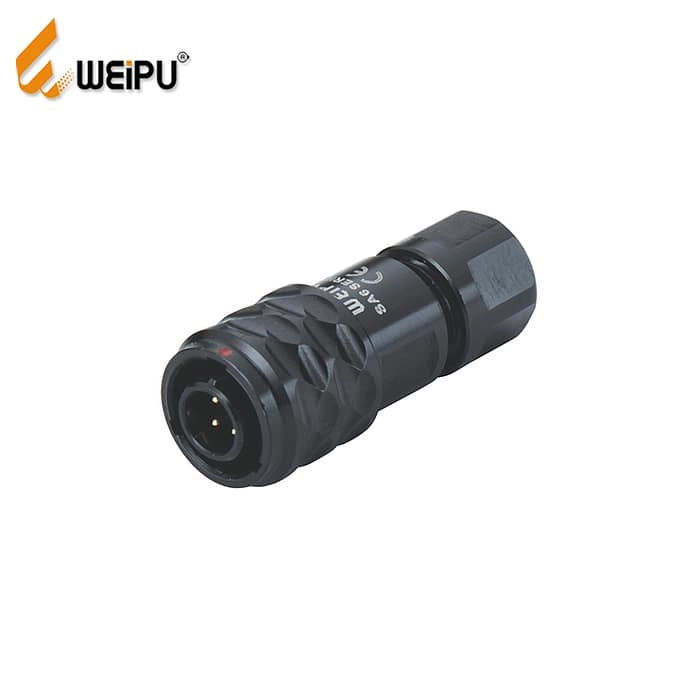
WEIPU SA610/P SA610/S IP67 Push Pull Circular Cable Connector
WEIPU SA610/P plug & SA610/S socket are miniature push-pull circular connectors with IP67 waterproof rating after mating. Built with anodized aluminum shell and gold-plated solder contacts, this SA series supports 2-5 pins, rated 3A 30V, certified CE & RoHS. Ideal for medical diagnostic devices, lab automation and precision sensors, fully compatible with SA611, SA612 and SA615 panel receptacles. WEIPU holds IATF16949 certification and supplies industrial connectors to 130+ countries.

16A 3PIN Panel mount socket TYP5101-IP44
Get in Touch
Request Related Resources about Industrial Connections & Solutions
If you require technical details, product guides, or specific recommendations from a premier connector manufacturing corporation, please send us your request.
We provide expert support for custom electrical connectors, offering OEM/ODM customization and dedicated distributor cooperation assistance.
Weipu Building, No. 111, Baihua Road, Liwan District, Guangzhou, Guangdong China
© 2026 WEIPU. All Rights Reserved.
Whatsapp: +8618102298073
WEIPU
WEIPU
WEIPU
WEIPU