




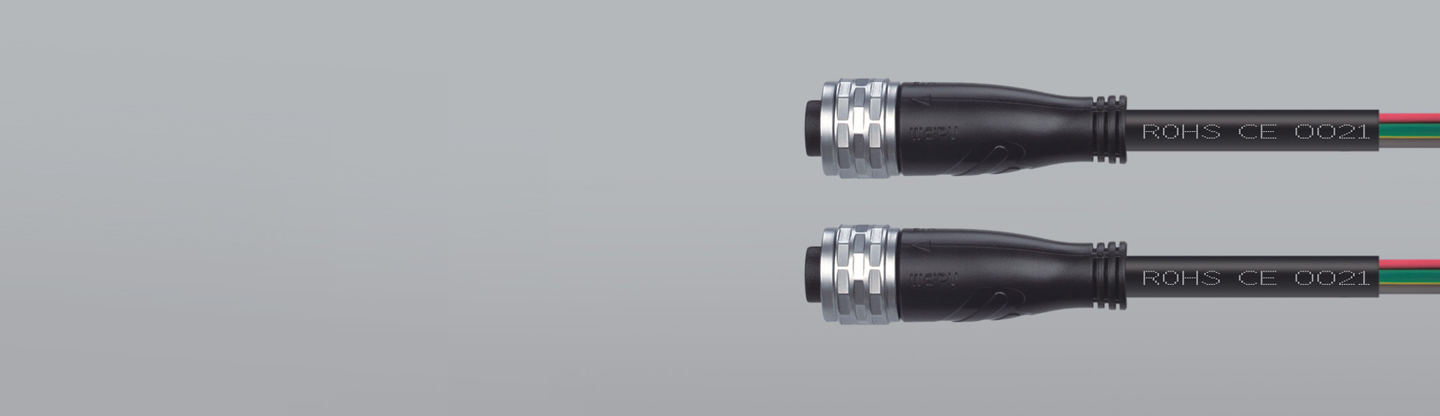


Wholesale heavy duty wire connector manufacturer and supplier
- Wholesale Demand and Supply Chain Considerations
- Why bulk buyers need dependable wire connection products
- How demand affects procurement planning
- Standards, technical files, and market access
- How to Evaluate a Heavy Duty Wire Connector Manufacturer
- Factory capacity and production control
- MOQ flexibility and private-label requirements
- Quotation details that prevent disputes
- Quality Assurance for Bulk Connector Orders
- Materials and electrical performance
- Batch consistency and inspection documentation
- Samples, approval limits, and change control
- Logistics, Inventory, and Wholesale Partnership Management
- Lead times and shipping preparation
- Landed cost and inventory strategy
- Building a transparent long-term relationship
- Frequently Asked Questions
Wholesale sourcing of heavy duty wire connector products requires more than comparing unit prices. B2B buyers must assess current-carrying performance, material quality, production capacity, minimum order quantities, inspection procedures, packaging, documentation, and delivery reliability before selecting a manufacturing partner. A capable direct factory can help distributors and industrial buyers secure consistent specifications, scalable production, transparent tiered pricing, and coordinated shipping for bulk orders in the target market.
Wholesale Demand and Supply Chain Considerations
Why bulk buyers need dependable wire connection products
Heavy duty wire connector products are used where electrical conductors must be joined, extended, distributed, or protected under demanding operating conditions. Typical applications include industrial control panels, commercial equipment, automotive systems, power distribution assemblies, renewable energy installations, machinery, marine equipment, and building services. In these environments, a connector failure can cause downtime, rework, safety risks, warranty claims, and reputational damage for the distributor or equipment brand.
For this reason, wholesale buyers generally look for more than a catalog with many product styles. They need a supplier that can repeat the same dimensions, crimp performance, insulation characteristics, plating quality, and packaging standards across every production batch. A factory that understands repeatability is usually more valuable than a trading company that offers an attractive price but cannot explain how the product is made or inspected.
How demand affects procurement planning
Demand forecasting should be separated into regular stock items, project-specific items, and customized parts. Standard terminal blocks, butt connectors, cable lugs, splice connectors, and insulated wire joining components may be suitable for scheduled replenishment. Custom colors, private-label packaging, unusual conductor ranges, special plating, or modified tooling normally require a longer approval cycle and a larger commercial commitment.
Buyers should provide an annual estimate, expected monthly releases, application details, conductor size range, operating environment, and preferred packaging before requesting a final quotation. This information allows the manufacturer to recommend realistic production batches instead of quoting an artificially low price based on assumptions that cannot be maintained.
Standards, technical files, and market access
Electrical connector requirements vary according to application, voltage, current, installation method, and destination market. A responsible buyer should identify the standards that apply to the finished assembly and request supporting documents from the supplier. The International Electrotechnical Commission standards portal is a useful starting point for identifying relevant electrical standards, while the ISO 9001 quality management standard provides context for evaluating a supplier's quality system.
Where products are sold into the European Economic Area, buyers may also need to review applicable chemical and product obligations, including the European Union RoHS Directive. Compliance claims should be supported by current declarations, test reports, and traceable material information. Certification marks must never be accepted without checking their scope, validity, and connection to the actual factory and product model.
How to Evaluate a Heavy Duty Wire Connector Manufacturer
Factory capacity and production control
A wholesale manufacturer should be able to explain its equipment, production stages, staffing, tooling, inspection resources, and realistic monthly capacity. Important questions include whether stamping, injection molding, crimping, assembly, and packaging are performed in-house; which processes are subcontracted; and how the supplier controls outsourced operations. In-house production is not automatically superior, but undocumented subcontracting can make quality and lead times difficult to manage.
Ask for a production flow chart and identify the control points from incoming raw materials to finished goods. For metal parts, these controls may include material verification, thickness checks, burr inspection, plating inspection, and dimensional testing. For polymer housings or insulation, they may include resin identification, color control, molding inspection, flash removal, and fit testing. The supplier should be able to explain what happens when an inspection result falls outside specification.
MOQ flexibility and private-label requirements
Minimum order quantity is often influenced by raw material purchases, tooling, machine setup, color changes, packaging requirements, and production efficiency. A standard heavy duty wire connector may have a lower MOQ than a customized part because the factory can combine it with existing production runs. Private-label cartons, printed bags, custom colors, and special labels can increase the MOQ or require a one-time setup fee.
Buyers should request at least three commercial scenarios: a trial order, a normal replenishment order, and a full production order. This makes it easier to compare the price impact of volume without committing immediately to an excessive inventory position. A factory partner may also offer a mixed-SKU arrangement when products use compatible materials and processes, although this must be agreed in writing rather than assumed.
Quotation details that prevent disputes
A professional quotation should identify the product drawing or model number, conductor range, material, plating, insulation type, packaging quantity, carton dimensions, gross weight, lead time, payment terms, quotation validity, and shipping basis. Incoterms should be stated clearly because EXW, FOB, CIF, and DDP place different responsibilities on the buyer and seller. The International Chamber of Commerce Incoterms rules can help buyers understand the allocation of transport costs, insurance, customs responsibilities, and risk.
Do not compare quotations solely by price per piece. A lower unit price may exclude tooling, testing, export packaging, inland transport, documentation, or replacement allowances. The correct comparison is the landed cost per saleable unit, including foreseeable quality and logistics expenses.
| Order Stage | Typical Buyer Objective | Information to Confirm | Commercial Focus |
|---|---|---|---|
| Sample or pilot order | Verify fit, function, and supplier responsiveness | Samples, drawings, test method, packaging, inspection report | Low-risk validation before scale-up |
| First bulk order | Test production consistency and delivery execution | Approved sample, batch identification, production schedule, pre-shipment inspection | Balanced MOQ and landed cost |
| Regular replenishment | Maintain stock availability and predictable margins | Forecast, release schedule, safety stock, quality trend data | Tiered pricing and capacity reservation |
| Private-label program | Build a differentiated product line | Artwork approval, packaging MOQ, trademark permissions, change control | Brand consistency and long-term supply agreement |
Quality Assurance for Bulk Connector Orders
Materials and electrical performance
Quality starts with the conductor-contact material and the insulating body. Copper and copper alloys can provide good conductivity, but the exact alloy, temper, thickness, and surface treatment affect mechanical strength and corrosion resistance. Tin plating is common for many applications, but plating thickness and adhesion should be appropriate for the intended environment. Aluminum, brass, stainless steel, and engineered polymers may be suitable in specific applications, but substitution should never occur without buyer approval.
For a heavy duty wire connector, buyers should define the conductor cross-section or American Wire Gauge range, rated current where applicable, voltage application, temperature range, insulation type, and installation method. Crimp-style products should be assessed for crimp height, pull-out force, conductor insertion, barrel deformation, and resistance after crimping. A connector that looks acceptable may still fail if the crimp geometry is inconsistent or the metal wall is too thin.
Batch consistency and inspection documentation
Bulk buyers should agree on an inspection plan before production begins. The plan may include visual inspection, dimensional sampling, material certificates, plating checks, insulation checks, tensile or pull-out testing, electrical resistance testing, and packaging verification. The sampling level should reflect product risk, order value, and the buyer's quality policy. For critical applications, independent pre-shipment inspection can provide an additional control, but it does not replace a properly approved specification.
Every shipment should be traceable to a production batch, date, raw material record, or internal lot number. This is especially important for distributors that supply multiple customers or operate warranty programs. If a problem appears after delivery, traceability helps isolate affected stock instead of forcing a costly recall of every item in the warehouse.
Samples, approval limits, and change control
The approved sample should be retained as a reference and linked to a controlled drawing or specification sheet. Dimensions, materials, colors, labels, packaging, and performance requirements should be recorded rather than left to informal messages. The supplier should obtain written approval before changing raw materials, tooling, plating, resin, packaging, or a production site.
Buyers can improve consistency by using a first-article approval process for new models and a golden sample for repeat production. If a product will be sold under a private label, the approval should include artwork placement, barcode readability, country-of-origin marking where required, carton strength, and multilingual instructions where relevant.
Logistics, Inventory, and Wholesale Partnership Management
Lead times and shipping preparation
Lead time should be divided into material preparation, production, inspection, packaging, export handling, and transit. A supplier that quotes only a factory production time may create unrealistic arrival expectations. Buyers should also ask whether lead time changes during peak seasons, when tooling is occupied, or when a raw material becomes temporarily constrained.
For international orders, confirm carton dimensions, pallet configuration, gross and net weight, shipping marks, export documents, commercial invoice details, packing list accuracy, and any required certificates. Correct data helps freight forwarders quote accurately and reduces customs delays. For urgent replenishment, air freight may protect stock availability, but sea freight or consolidated transport is often more economical for planned bulk purchasing.
Landed cost and inventory strategy
Landed cost may include the product price, tooling allocation, inspection, export packaging, inland transport, freight, insurance, duties, taxes, customs brokerage, warehousing, and domestic delivery. Buyers should model these elements before choosing between a small frequent order and a larger scheduled shipment. A lower purchase price does not create savings if excessive inventory becomes obsolete or storage costs eliminate the margin advantage.
A practical inventory plan uses sales history, supplier lead time, transit variability, demand volatility, and safety stock. Distributors may negotiate call-off orders or scheduled releases when the factory accepts a broader forecast and the buyer commits to a defined volume. Such arrangements should specify forecast accuracy, cancellation rights, price review conditions, and responsibility for custom materials.
Building a transparent long-term relationship
The strongest wholesale relationships use measurable performance indicators. Useful metrics include on-time delivery, order fill rate, defect rate, response time for corrective actions, documentation accuracy, and repeat-order consistency. Monthly or quarterly reviews can identify small problems before they become major supply interruptions.
When a nonconformance occurs, request a written root-cause analysis and corrective action rather than accepting a replacement shipment without explanation. A mature factory will identify containment steps, the cause of the failure, the corrective action, and the method used to verify effectiveness. This approach protects both the buyer's customers and the manufacturer's long-term reputation.
For distributors and brands seeking a dependable wholesale partner, the best supplier is one that combines product knowledge, realistic MOQs, scalable capacity, documented quality controls, responsive communication, and logistics discipline. A direct manufacturing relationship can also support packaging customization, product line expansion, forecast planning, and better visibility into the supply chain. Buyers should begin with a controlled sample and a clearly documented specification, then scale only after the supplier demonstrates repeatable performance.
Contact us for wholesale pricing, MOQ options, quality documentation, and bulk-order planning for your target market.
Frequently Asked Questions
What MOQ should I expect when buying heavy duty wire connector products wholesale?
MOQ depends on the product design, raw materials, tooling, packaging, color, and whether the item is standard or customized. Buyers should request trial-order, regular-replenishment, and full-production scenarios to compare volume requirements and pricing before committing.
How can I verify quality consistency across bulk connector orders?
Use an approved drawing and sample, define material and performance requirements, agree on an inspection plan, require batch traceability, and review production or pre-shipment inspection records. Any change to materials, tooling, plating, resin, packaging, or production location should require written approval.
What information should be included in a wholesale quotation?
The quotation should identify the model or drawing, conductor range, materials, plating, insulation, packaging quantity, carton details, gross weight, lead time, payment terms, quotation validity, and Incoterms. Tooling, inspection, documentation, and freight responsibilities should also be clear.
How do I calculate the landed cost of a bulk wire connector order?
Include the product price, tooling allocation, inspection, export packaging, inland transport, freight, insurance, duties, taxes, customs brokerage, warehousing, and domestic delivery. Comparing landed cost per saleable unit is more accurate than comparing factory unit prices alone.
Can a manufacturer support private-label heavy duty wire connector products?
Many factories can support private-label programs, but buyers should confirm packaging MOQs, artwork approval, label and barcode requirements, trademark permissions, color options, and change-control procedures. Customized packaging or product features may require additional setup time or tooling.
What documents should I request before placing a bulk order?
Request a controlled specification or drawing, quotation, sample approval record, applicable test reports, material or compliance declarations, packaging details, production schedule, inspection plan, commercial terms, and shipping-document requirements. The exact documents depend on the product application and destination market.
How to Specify Circular Electrical Connectors for Your Application
Top 10 Industrial Power Cable Connectors: Features and Pricing
IP Rating vs. Cable Design: Comparing Waterproof Connector Options
Square Socket Connector Buyer’s Guide: Types & Applications

SY1110/P SY1110/S Cable connector IP67
Mate with SP1111,SP1112

WEIPU SP1110P/S Cable Connector IP68
Mate with SP1111, SP1112
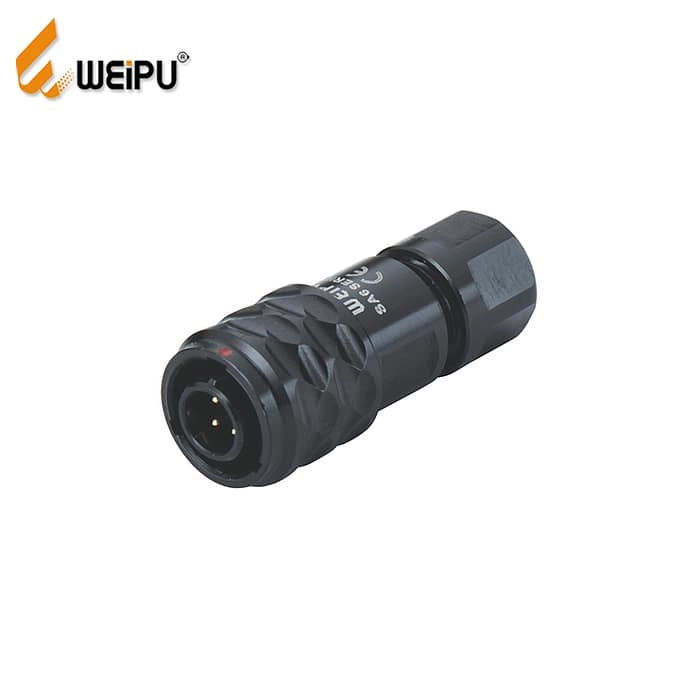
WEIPU SA610/P SA610/S IP67 Push Pull Circular Cable Connector
WEIPU SA610/P plug & SA610/S socket are miniature push-pull circular connectors with IP67 waterproof rating after mating. Built with anodized aluminum shell and gold-plated solder contacts, this SA series supports 2-5 pins, rated 3A 30V, certified CE & RoHS. Ideal for medical diagnostic devices, lab automation and precision sensors, fully compatible with SA611, SA612 and SA615 panel receptacles. WEIPU holds IATF16949 certification and supplies industrial connectors to 130+ countries.

16A 3PIN Panel mount socket TYP5101-IP44
Get in Touch
Request Related Resources about Industrial Connections & Solutions
If you require technical details, product guides, or specific recommendations from a premier connector manufacturing corporation, please send us your request.
We provide expert support for custom electrical connectors, offering OEM/ODM customization and dedicated distributor cooperation assistance.
Weipu Building, No. 111, Baihua Road, Liwan District, Guangzhou, Guangdong China
© 2026 WEIPU. All Rights Reserved.
Whatsapp: +8618102298073
WEIPU
WEIPU
WEIPU
WEIPU