




Wire Tap Connectors for Distributors: Specs Buyers Should Confirm
- How to distinguish electrical tap connector designs
- Identify the connection method before comparing prices
- Match the part to the actual application
- Specifications distributors should verify before ordering
- Conductor, insulation, and electrical ratings
- Installation controls, environment, and evidence
- Build a distributor qualification and sourcing process
- Use a documented approval checklist
- Compare alternatives without treating unlike products as equivalents
- How our connector portfolio supports industrial projects
- Match component categories to the broader connection system
- Align sourcing questions with technical documentation
- Frequently Asked Questions
For distributors, selecting a wire tap connector is a specification and application decision—not simply a choice between similar-looking parts. Before placing an order, confirm the conductor materials and wire-size ranges, tap configuration, insulation compatibility, electrical ratings, installation method, environmental limits, applicable approvals, and lot traceability. Terminology can refer to different products, including insulation-displacement taps, parallel splices, and connectors designed for particular power-distribution systems; these designs are not automatically interchangeable. A well-defined approval process helps reduce installation errors, returns, warranty exposure, and project delays.
How to distinguish electrical tap connector designs
Identify the connection method before comparing prices
Product names are not always consistent across suppliers. An insulation-displacement connector (IDC), for example, makes contact through conductive elements that pierce or displace insulation in a specified conductor range. Other products use a screw, clamp, compression element, or piercing bolt. A parallel tap or branch connector may be intended to join conductors without cutting the main wire, while a splice design may connect conductors end to end. These mechanisms impose different requirements for wire construction, installation tools, and inspection.
Ask the supplier for a drawing or installation sheet that identifies the main conductor, branch conductor, wire material, preparation steps, and permitted conductor combinations. Confirm whether the design is intended for solid wire, stranded wire, or both; stranded constructions can vary in strand count and geometry even when nominal cross-sectional area is similar. A connector that fits one conductor construction should not be presumed suitable for another unless the manufacturer’s documentation includes it.
Match the part to the actual application
Establish where and how the connection will be used: inside equipment, in a control cabinet, in a building wiring system, or outdoors on a distribution line. Application affects exposure to moisture, temperature changes, vibration, contamination, and mechanical loading. It also determines which electrical and installation requirements apply. A part approved for one setting may not be suitable for another simply because its conductor range appears correct.
Ask whether the product is intended for factory assembly, field installation, or both. For field work, confirm access requirements, clearance around the wire, tool availability, and whether the installation can be visually checked after completion. For equipment builds, consider the connector’s dimensions, mounting method, conductor routing, and compatibility with the enclosure. These details help prevent a technically compatible component from creating assembly or service problems.
Specifications distributors should verify before ordering
Conductor, insulation, and electrical ratings
Request the approved wire range for both the through conductor and the tap conductor, stated in the units used by the project. Check conductor material explicitly: copper and aluminum connections require documented compatibility, and dissimilar-metal combinations must not be assumed acceptable. Confirm whether the stated range applies to solid, stranded, compact, or flexible conductors, and whether special preparation—such as stripping, cleaning, or use of a specified compound—is required.
Insulation dimensions matter when a connector engages through insulation. Verify the supported insulation outside diameter and type, along with any limits on insulation hardness or construction. Then confirm voltage and current ratings in the manufacturer’s technical documentation for the exact conductor combination and application. Do not infer ampacity from connector size, a similar product, or the conductor rating alone. The finished connection must comply with the applicable equipment design and local electrical rules.
Standards are application-specific. IEC 60998-1 addresses connecting devices for low-voltage circuits for household and similar purposes, while product scope and applicable part requirements should be checked for the intended use. In the United States, UL 486C covers wire connectors within its stated scope. Buyers should verify the exact listing, category, and product model rather than treating a standard reference as blanket approval for every connector design.
Installation controls, environment, and evidence
Installation requirements are part of the specification. Confirm the required tool, die or setting, tightening method, torque value where applicable, and whether the connection is single-use or may be reused. Ask for clear instructions that show conductor positioning and the completed connection. If an installation depends on a proprietary tool, include tool access, calibration or maintenance responsibilities, and replacement availability in the landed-cost review.
For outdoor, corrosive, wet, or high-vibration settings, request evidence for the environmental conditions the product is rated to withstand. Confirm temperature limits, sealing or ingress protection claims, corrosion resistance, and any restrictions on direct exposure. These attributes should be supported by the relevant product documentation or test evidence, not inferred from a plastic cover or a general statement that a connector is “weatherproof.”
Ask for the manufacturer’s datasheet, installation instructions, applicable certification details, product identification, and lot or date-code method. In the United States, OSHA’s electrical requirements address the suitability and use of electrical equipment in covered workplaces. The project’s governing codes and the authority having jurisdiction remain important; a distributor should not substitute a sales description for the approval required by the installation.
| Specification to compare | What to confirm in the documentation | Procurement risk if omitted |
|---|---|---|
| Connection design | IDC, clamp, screw, compression, piercing, or splice; approved application and conductor arrangement | Wrong installation process or an unsuitable connection for the project |
| Conductor compatibility | Main and tap wire ranges, copper or aluminum, solid or stranded construction | Poor fit, unreliable contact, or a disallowed material combination |
| Insulation fit | Insulation outside-diameter range and supported insulation construction | Incomplete engagement, damage, or inability to install as instructed |
| Electrical ratings | Rated voltage and current for the specified product and conductor combination | Selection based on assumptions rather than an approved rating |
| Installation requirements | Tool, preparation, torque or setting, sequence, and reuse limitations | Inconsistent field assembly, rework, or avoidable service issues |
| Approval and traceability | Applicable listing or certification, model identification, lot records, and supporting documents | Qualification delays and difficulty investigating a field issue |
Build a distributor qualification and sourcing process
Use a documented approval checklist
A consistent checklist makes supplier comparisons more meaningful. Record the intended application, conductor materials and sizes, insulation dimensions, ratings, environmental conditions, installation method, required approvals, packaging, and forecast volume. Require each supplier to respond against the same fields and identify any exceptions. This prevents quotations from appearing equivalent when one excludes a conductor type, tool, or certification required by the project.
Before approving a new source or substitute, review the technical file and confirm that the supplied part number matches the approved model. If a sample evaluation is appropriate, have qualified personnel install it using the documented procedure and inspect the resulting assembly against project requirements. Testing should be selected by the responsible engineering or compliance team; distributors should not create informal acceptance criteria that conflict with a customer specification or governing standard.
Commercial evaluation should include more than unit price. Compare minimum order quantities, lead times, packaging protection, labeling, change-notification practices, and the supplier’s ability to provide consistent documentation. Establish how product revisions will be communicated and whether a change in materials, tooling, or manufacturing location triggers requalification. These controls help distributors maintain continuity across repeat orders and reduce the cost of emergency substitutions.
Compare alternatives without treating unlike products as equivalents
When a requested part is unavailable, compare alternatives line by line rather than matching only wire range or external dimensions. A replacement should be checked for connection mechanism, supported wire construction, conductor material, electrical rating, installation tools, environmental suitability, and certification scope. Document customer or engineering approval where required, particularly when the original part is specified by a project drawing or equipment manufacturer.
Keep purchasing records tied to a traceable part number and revision. For higher-risk applications, request certificates or other evidence specified by the customer and retain the supplier’s technical documents with the order record. Clear records make it easier to answer later questions about which product was supplied, which application was approved, and whether a technical change occurred between shipments.
How our connector portfolio supports industrial projects
Match component categories to the broader connection system
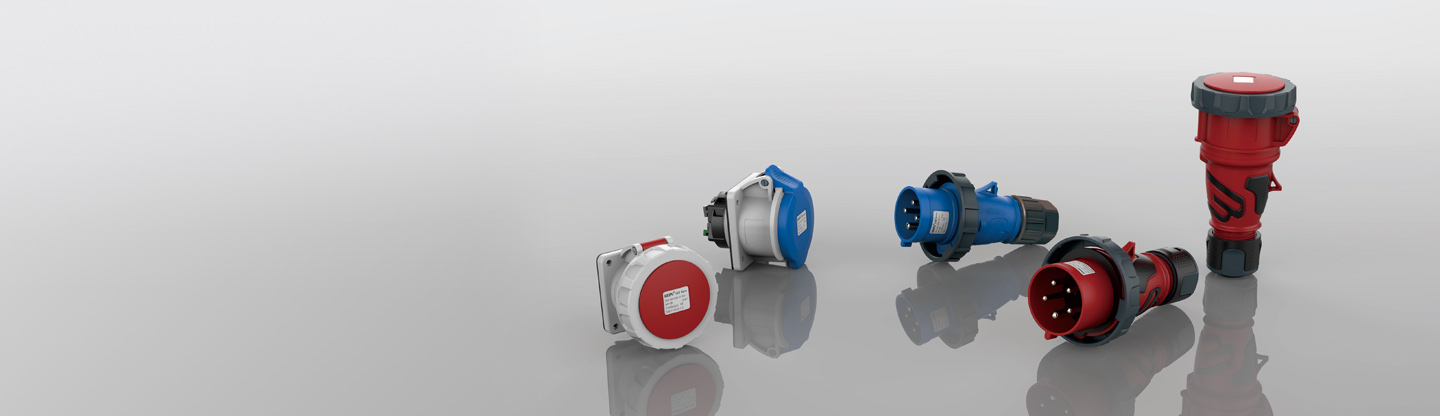
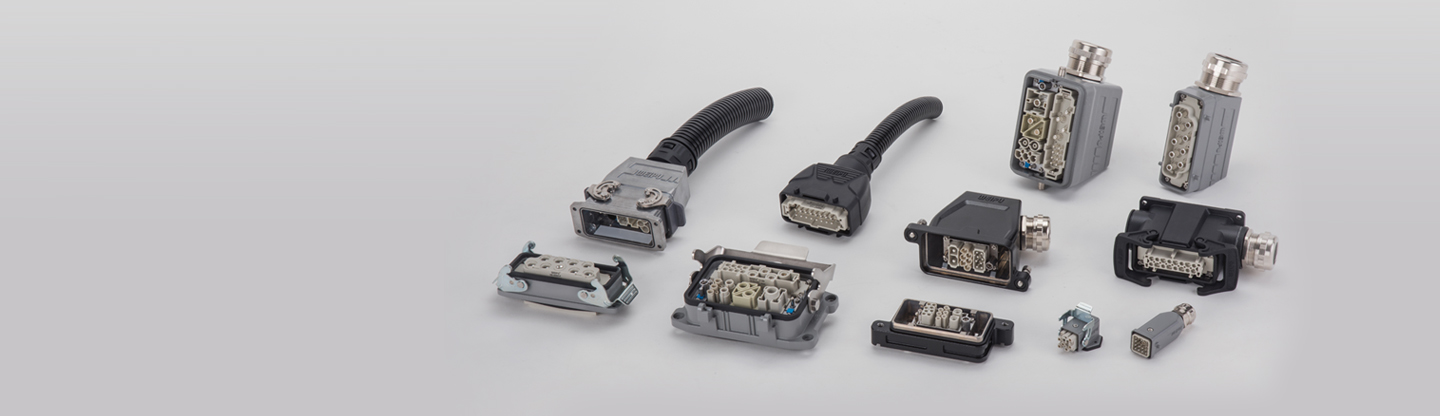
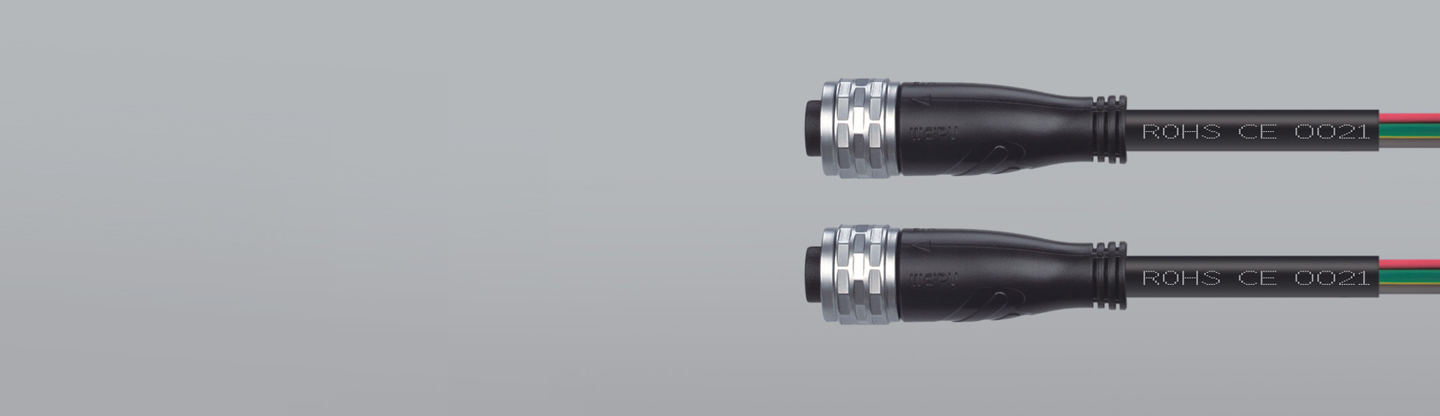
In the second stage of sourcing, distributors may need more than a branch-tap component. Our product focus includes circular connectors, industrial connectors, and Heavy Duty Connectors for project teams assessing connection options across equipment and industrial systems. These categories serve different interface and operating needs, so selection should follow the application specification rather than a broad assumption that one connector family can replace another.
For procurement teams, the practical value of reviewing related connector families together is a clearer view of interface requirements, operating conditions, and documentation needs across a bill of materials. Buyers can define the required contacts, housing configuration, cable or conductor compatibility, environmental conditions, and approval evidence before comparing product options. Final suitability depends on the specific model’s published specifications and the project’s governing requirements.
Align sourcing questions with technical documentation
Our approach to product evaluation centers on matching the requested configuration to documented requirements: the connection interface, materials, ratings, environment, installation method, and identification needed for purchasing control. Distributors can use those details to prepare a more complete request for quotation and to identify missing information before a project reaches assembly or field installation.
When comparing a branch connection with other industrial interconnect products, keep the technical review specific. A circular connector or heavy-duty interface is not a substitute for a tap splice, and a tap connector does not provide the same function as a multi-pole equipment connection. Clear category definitions help teams avoid substitutions based on naming alone and support more accurate selection across the full connection system.
For every product family, buyers should request current drawings, ratings, installation guidance, and applicable approval information for the exact model under consideration. Confirm packaging and identification needs as well, especially when several similar configurations are stocked at a distribution location. This disciplined review gives purchasing, engineering, and operations teams a shared basis for approval without relying on unsupported performance claims.
Contact our team to discuss your application requirements or review our circular connector, industrial connector, and Heavy Duty Connector products.
Frequently Asked Questions
What specifications should distributors confirm before buying a wire tap connector?
Confirm the connection design, main and tap conductor ranges, conductor materials and construction, insulation dimensions, voltage and current ratings, installation method and tooling, environmental limits, applicable approvals, and traceability information.
Are insulation-displacement connectors and parallel tap connectors interchangeable?
Not automatically. They can use different connection mechanisms and have different requirements for conductor construction, installation, tools, and application. Compare the exact product documentation and approved use before treating alternatives as equivalent.
Can one tap connector be used with both copper and aluminum wire?
Only when the manufacturer’s documentation explicitly approves the connector for the specific conductor materials and combination. Buyers should not assume compatibility based on appearance or conductor size.
Why does insulation outside diameter matter when selecting a tap connector?
For designs that engage through insulation, the insulation dimensions and construction affect whether the connector can be installed as intended. Confirm the supported insulation range and any material limitations in the product documentation.
What installation details should buyers request from a supplier?
Request instructions covering conductor positioning and preparation, required tools or dies, tightening or setting requirements where applicable, installation sequence, and whether the connector may be reused.
What documents should distributors retain for electrical tap connectors?
Retain the current datasheet, installation instructions, applicable certification or listing information, exact product identification, and lot or date-code records. Customer or project requirements may call for additional evidence.
How to Source Reliable Panel Mount Circular Connector Suppliers
Cable Assembly Market Trends Industrial Buyers Should Track
Installation, Maintenance and Troubleshooting Circular Connectors
Harness Cable Assemblies for Distributors: Stock and Packaging

SY1110/P SY1110/S Cable connector IP67
Mate with SP1111,SP1112

WEIPU SP1110P/S Cable Connector IP68
Mate with SP1111, SP1112
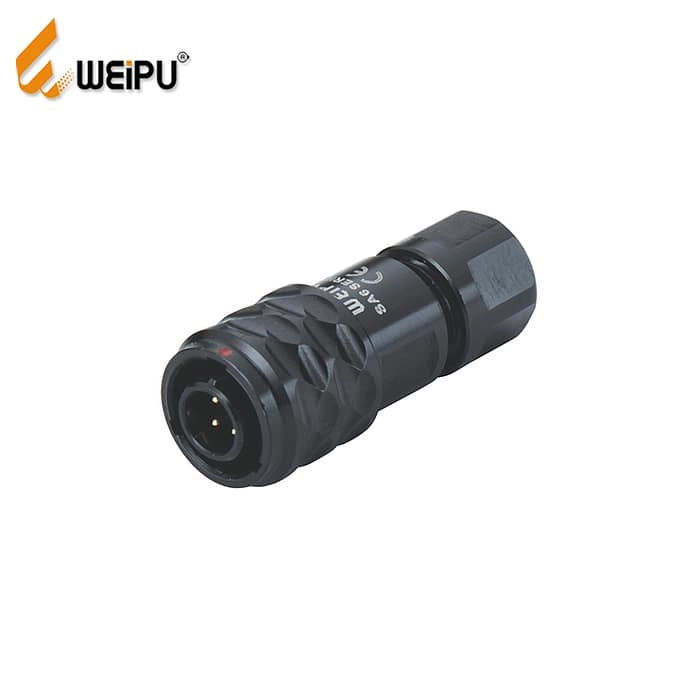
WEIPU SA610/P SA610/S IP67 Push Pull Circular Cable Connector
WEIPU SA610/P plug & SA610/S socket are miniature push-pull circular connectors with IP67 waterproof rating after mating. Built with anodized aluminum shell and gold-plated solder contacts, this SA series supports 2-5 pins, rated 3A 30V, certified CE & RoHS. Ideal for medical diagnostic devices, lab automation and precision sensors, fully compatible with SA611, SA612 and SA615 panel receptacles. WEIPU holds IATF16949 certification and supplies industrial connectors to 130+ countries.

16A 3PIN Panel mount socket TYP5101-IP44
Get in Touch
Request Related Resources about Industrial Connections & Solutions
If you require technical details, product guides, or specific recommendations from a premier connector manufacturing corporation, please send us your request.
We provide expert support for custom electrical connectors, offering OEM/ODM customization and dedicated distributor cooperation assistance.
Weipu Building, No. 111, Baihua Road, Liwan District, Guangzhou, Guangdong China
© 2026 WEIPU. All Rights Reserved.
Whatsapp: +8618102298073
WEIPU
WEIPU
WEIPU
WEIPU