
Industrial Ethernet Connectivity: How to Choose Reliable Connectors for Automation Networks
Follow us now:
- Why Industrial Ethernet Needs Reliable Physical Connections
- Where Connectors Fit in an Industrial Automation Network
- Inside the control cabinet
- Between the control cabinet and machine
- At sensors and machine vision systems
- At robots
- From PLC to Robot: Understanding the Physical Connection Chain
- PLC → I/O → Ethernet → Sensor → Robot
- What Makes an Industrial Connector Reliable?
- 1. Environmental Protection
- 2. Mechanical Locking and Connection Stability
- 3. Vibration and Mechanical Stress
- 4. Shielding and Signal Integrity
- Industrial Ethernet Connector Selection by Application
- Control Cabinets
- Machine Interfaces
- Sensors
- Machine Vision Systems
- Robots and Automated Equipment
- What Do PROFINET, EtherCAT, and EtherNet/IP Mean for Connector Selection?
- M12, RJ45, and Circular Industrial Connectors
- RJ45
- M12
- Industrial Circular Connectors
- A Practical Industrial Connector Selection Checklist
- 1. What type of signal is being transmitted?
- 2. Where is the connector installed?
- 3. What environmental protection is required?
- 4. What mechanical conditions exist?
- 5. What electrical requirements apply?
- 6. How will the connector be maintained?
- Why Connector Reliability Matters to Automation
- WEIPU Industrial Connector Solutions
- WEIPU SA Series
- Industrial Ethernet Connectivity Is More Than a Protocol
- Conclusion
From PLC and I/O to Sensors, Machine Vision, Robots, and Industrial Equipment
Industrial automation systems are becoming increasingly connected.
A modern production line may include PLCs, remote I/O modules, industrial switches, sensors, machine vision cameras, servo drives, robots, and other intelligent equipment. These devices continuously exchange control signals and production data through industrial communication networks.
But reliable communication does not depend on software and protocols alone.
Behind every industrial network is a physical connection made up of cables, connectors, interfaces, and equipment ports. If one connection becomes loose, contaminated, damaged, or exposed to an unsuitable environment, communication reliability can be affected.
This is why choosing the right industrial Ethernet connector is an important part of designing a reliable automation system.
Engineers need to consider much more than whether a connector can carry a signal. Environmental protection, mechanical locking, vibration, shielding, installation space, and maintenance requirements can all affect long-term connectivity.
This guide explains how industrial Ethernet connectivity works at the machine level and what engineers should consider when selecting industrial connectors for automation applications.
Why Industrial Ethernet Needs Reliable Physical Connections
Industrial Ethernet provides the communication infrastructure that connects controllers, I/O devices, sensors, robots, vision systems, drives, and other equipment.
A simplified automation architecture may look like this:
PLC → Industrial Network → I/O → Sensors → Machine Vision → Robot
The communication protocol defines how information is exchanged between devices. However, the physical connection is responsible for maintaining the electrical path between them.
This creates an important distinction:
Reliable industrial communication requires both reliable networking technology and reliable physical connectivity.
On the factory floor, connectors can be exposed to conditions that are uncommon in office or laboratory environments, including:
- Continuous vibration
- Mechanical shock
- Dust and moisture
- Oil and industrial contaminants
- Temperature fluctuations
- Repeated cable movement
- Frequent maintenance and connection cycles
- Electromagnetic interference
A connector that performs well in a controlled environment may not necessarily provide the same reliability when installed directly on industrial machinery.
Where Connectors Fit in an Industrial Automation Network
The role of industrial connectors becomes clearer when looking at the physical architecture of an automated machine.
A typical system may include:
PLC → Control Cabinet → Industrial Network → Machine Interface → I/O → Sensors / Vision / Robot
Each stage may require a different type of connection.
For example:
Inside the control cabinet
The environment is generally more protected, so engineers may prioritize:
- Compact design
- Wiring density
- Panel mounting
- Signal configuration
- Easy maintenance
Between the control cabinet and machine
The connection may be exposed to:
- Vibration
- Dust
- Moisture
- Cable movement
- Mechanical stress
Environmental protection and mechanical stability therefore become more important.
At sensors and machine vision systems
Connectors may be mounted directly on the equipment and exposed to movement, vibration, and contaminants.
At robots
Cable assemblies can experience repeated bending, twisting, acceleration, and mechanical movement.
This means connector selection should always start with the actual installation location and operating environment.
From PLC to Robot: Understanding the Physical Connection Chain
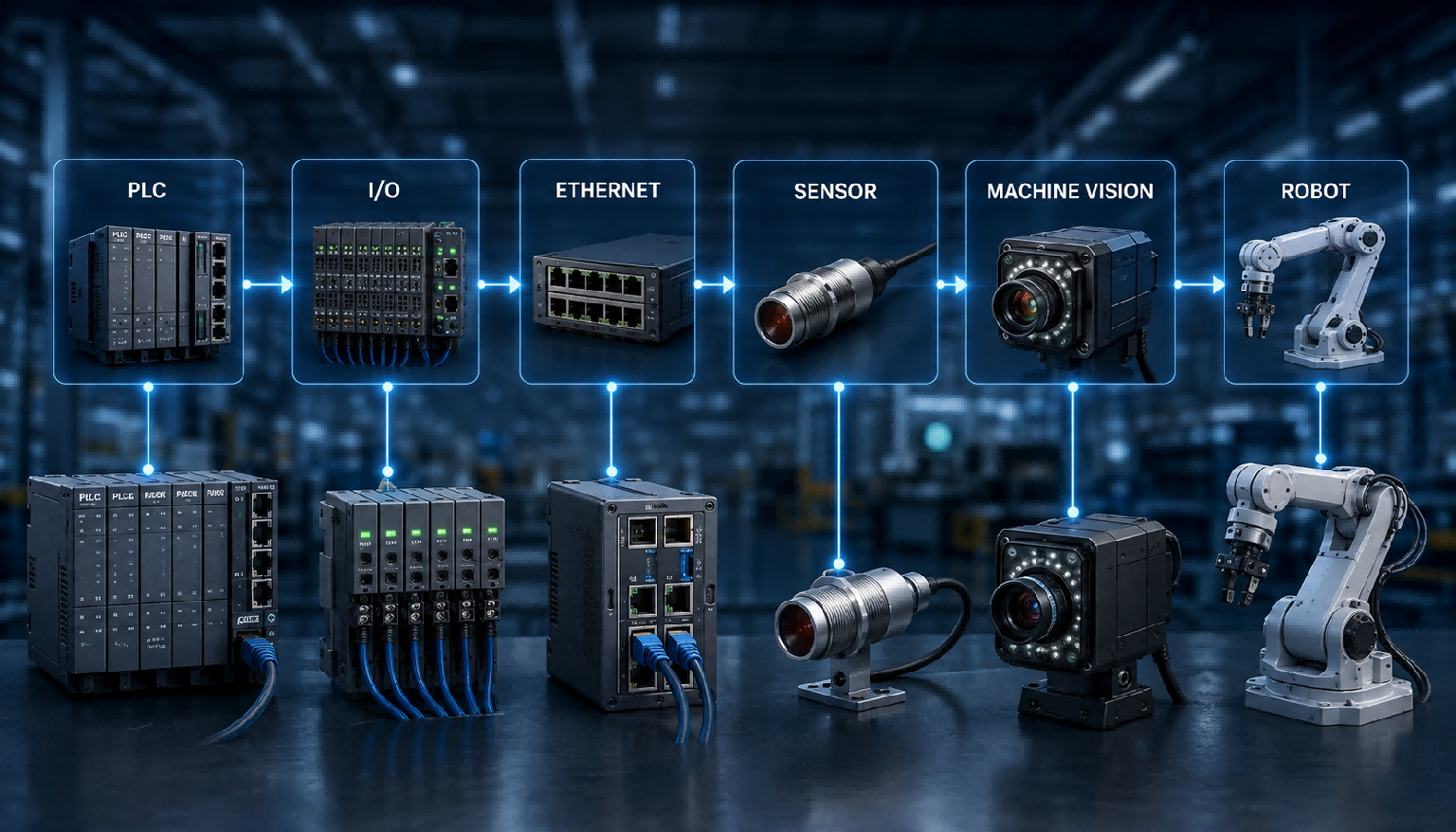
A useful way to evaluate industrial connectivity is to follow the signal path through the machine.
PLC → I/O → Ethernet → Sensor → Robot
The PLC provides the central control logic.
Remote I/O modules collect signals from field devices.
Industrial Ethernet connects different parts of the automation system.
Sensors provide information about the machine and production process.
Machine vision systems inspect products and processes.
Robots and motion systems execute physical operations.
Behind this digital architecture is a physical infrastructure consisting of:
- Cables
- Industrial connectors
- Panel connectors
- Device interfaces
- Junction points
- Network connections
This is why industrial connectors should not be considered isolated components.
They are part of the overall industrial connectivity system.
What Makes an Industrial Connector Reliable?
Selecting an industrial connector requires looking beyond basic electrical compatibility.
Several factors determine whether a connector can perform reliably in an automation environment.
1. Environmental Protection
Industrial equipment may operate in environments where dust, water, oil, or other contaminants are present.
The appropriate IP rating depends on the actual installation environment.
Common protection levels include:
- IP65
- IP66
- IP67
- IP68
- IP69K
However, a higher IP rating does not automatically mean a connector is the best choice.
Engineers should consider the complete application, including:
- Water exposure
- Cleaning procedures
- Dust
- Temperature
- Cable entry
- Mating configuration
- Installation method
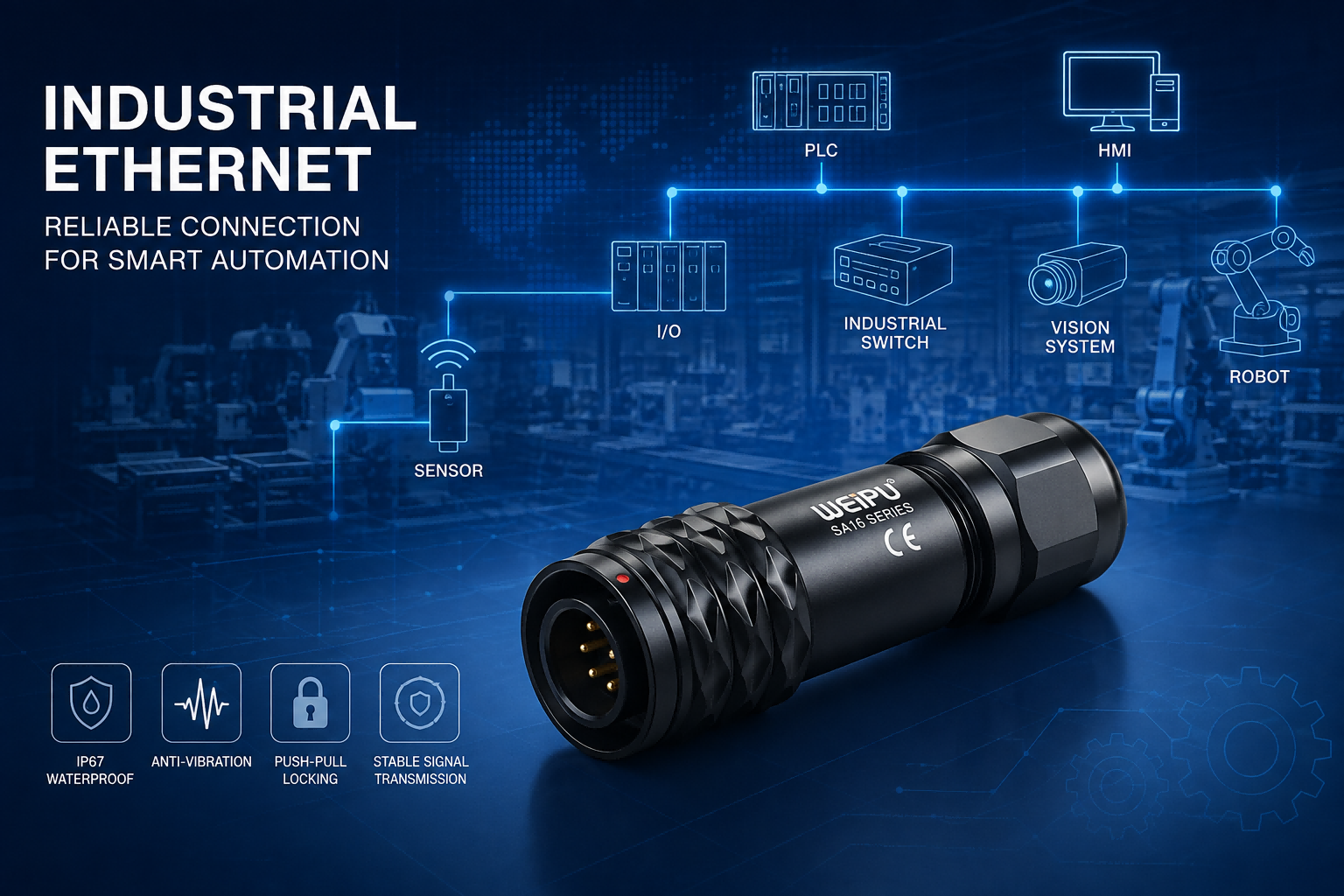
For example, WEIPU's SA Series is designed with IP67 protection for industrial applications and uses a sealed circular connector structure.
2. Mechanical Locking and Connection Stability
Electrical performance is only part of connector reliability.
Industrial equipment frequently experiences vibration, movement, and mechanical shock.
If the connector is not mechanically secure, long-term reliability can be affected.
Different applications may use different coupling mechanisms, including:
- Push-pull coupling
- Threaded coupling
- Bayonet coupling
- Latching systems
Push-pull connectors can be particularly useful where technicians need to connect or disconnect equipment quickly.
The WEIPU SA Series uses a push-pull coupling design, providing a fast connection method for applications where installation and maintenance efficiency are important.
This can be particularly relevant to automation equipment, testing systems, machine interfaces, and other industrial applications.
3. Vibration and Mechanical Stress
Industrial machinery is rarely stationary.
Robots move continuously.
Motors generate vibration.
Production equipment accelerates and decelerates.
Conveyors operate for long periods.
These mechanical conditions can place stress on cables and connectors.
For this reason, industrial connector design may incorporate features such as:
- Secure coupling
- Robust housings
- Cable strain relief
- Sealing structures
- Durable contact systems
The objective is straightforward:
Maintain a stable electrical connection even when the machine is operating under mechanical stress.
This is one of the key differences between industrial connectivity and conventional office networking.
4. Shielding and Signal Integrity
Industrial automation equipment can also create a challenging electromagnetic environment.
Potential sources of interference include:
- Servo motors
- Variable-frequency drives
- Inverters
- High-current equipment
- Welding systems
- Power distribution equipment
For industrial Ethernet applications, engineers should therefore evaluate the complete signal path rather than looking only at the connector.
A typical connection consists of:
Device → Connector → Cable → Connector → Switch → Network
Cable construction, shielding, grounding, connector design, and installation practices all contribute to overall signal integrity.
The connector should therefore be considered as part of the complete connectivity solution.
Industrial Ethernet Connector Selection by Application
Rather than starting with a connector model, engineers can first identify where the connector will be used.
Control Cabinets
Inside a control cabinet, connectors may be used for:
- PLC connections
- I/O modules
- Control signals
- Power connections
- Network interfaces
Because the cabinet generally provides environmental protection, space utilization, wiring organization, and maintenance may be major considerations.
Machine Interfaces
Connections between control cabinets and machines may face significantly harsher conditions.
Important factors include:
- IP protection
- Vibration resistance
- Mechanical locking
- Cable strain relief
- Installation space
- Maintenance requirements
Rugged circular connectors can be useful for these machine-level connections where secure and protected interfaces are required.
Sensors
Sensors are usually installed directly on machines.
They may be exposed to:
- Water
- Dust
- Oil
- Vibration
- Mechanical movement
A compact and environmentally protected connector can therefore help maintain reliable field connections.
Machine Vision Systems
Machine vision systems introduce another important connectivity requirement.
A simplified architecture is:
Camera → Cable → Connector → Industrial Network → PLC / Industrial PC
The camera may be mounted directly on a production machine or robotic system.
As a result, the connector may experience vibration and mechanical movement while simultaneously needing to maintain reliable signal transmission.
This makes machine vision connectivity an important part of industrial network design.
For more information, see our related article:
Industrial Connectors for Machine Vision Systems
Robots and Automated Equipment
Robotic applications can introduce additional mechanical challenges.
Depending on the installation, cables and connectors may experience:
- Repeated movement
- Bending
- Twisting
- Vibration
- Acceleration
- Mechanical impact
Connector selection should therefore consider not only the electrical requirements but also the movement profile of the equipment.
What Do PROFINET, EtherCAT, and EtherNet/IP Mean for Connector Selection?
Industrial Ethernet networks may use technologies such as PROFINET, EtherCAT, and EtherNet/IP.
These protocols define how industrial devices communicate.
However, it is important to understand that:
A communication protocol and a connector are not the same thing.
The protocol determines how devices exchange information.
The physical interface determines how the devices are connected.
When selecting an industrial Ethernet connector, engineers should therefore consider the complete system:
- Device interface
- Network architecture
- Cable type
- Data requirements
- Shielding
- Environmental conditions
- Connector configuration
- Installation method
This is why simply choosing a connector because it is associated with a particular Ethernet protocol may not be sufficient.
The correct connector should be selected according to the actual device and application requirements.
M12, RJ45, and Circular Industrial Connectors
Different industrial applications may require different physical connection formats.
RJ45
RJ45 is widely used in networking and industrial control environments, particularly inside protected control cabinets and equipment enclosures.
Its advantages include:
- Familiar interface
- Wide availability
- Easy connection
- Broad networking compatibility
However, when the connection is installed directly on machinery, additional environmental and mechanical protection may be required.
M12
M12 connectors are widely used for field-level industrial connections because of their compact circular design and secure coupling.
Different coding and contact configurations can be used for different applications.
For industrial Ethernet, M12 solutions can be selected according to the required network configuration and equipment interface.
The key point is that connector selection should be based on the complete application rather than the connector shape alone.
Industrial Circular Connectors
Industrial automation systems do not only transmit Ethernet data.
Machines may simultaneously require connections for:
- Power
- Control
- Sensors
- Actuators
- Auxiliary equipment
- Data interfaces
This is where industrial circular connectors can become an important part of the overall machine connectivity architecture.
For example, WEIPU provides circular connector families designed for different industrial environments and installation requirements.
Explore WEIPU Industrial Circular Connectors
A Practical Industrial Connector Selection Checklist
When selecting an industrial connector for an automation application, engineers can work through the following checklist.
1. What type of signal is being transmitted?
Determine whether the connector is used for:
- Data
- Control
- Sensor signals
- Power
- Mixed applications
2. Where is the connector installed?
Identify whether it is:
- Inside a control cabinet
- On a machine
- On a robot
- Near a sensor
- Outdoors
- In a washdown environment
3. What environmental protection is required?
Consider:
- IP rating
- Water
- Dust
- Oil
- Temperature
- Chemicals
- Cleaning
4. What mechanical conditions exist?
Consider:
- Vibration
- Shock
- Cable movement
- Repeated mating
- Bending
- Installation space
5. What electrical requirements apply?
Check:
- Voltage
- Current
- Number of contacts
- Contact configuration
- Signal requirements
- Shielding
6. How will the connector be maintained?
Ask:
How often will technicians need to disconnect this equipment?
If frequent maintenance is expected, a connector with a convenient coupling mechanism may significantly improve installation efficiency.
Why Connector Reliability Matters to Automation
A connector failure may seem like a small component problem.
In a highly automated factory, however, the consequences can be much larger.
The chain can look like this:
Connector failure
↓
Communication interruption
↓
Device unavailable
↓
Machine stops
↓
Production downtime
This is why the real value of an industrial connector is not simply the connector itself.
It is the reliability of the equipment connection.
A small connector may represent only a small part of a machine's total cost, but its failure can affect an entire production process.
WEIPU Industrial Connector Solutions
WEIPU develops industrial connector solutions for applications where reliable electrical connectivity is required in demanding environments.
Depending on the application, engineers can evaluate:
- IP protection
- Coupling mechanism
- Contact configuration
- Mounting method
- Cable diameter
- Housing material
- Environmental conditions
- Temperature requirements
- Mating requirements
WEIPU SA Series
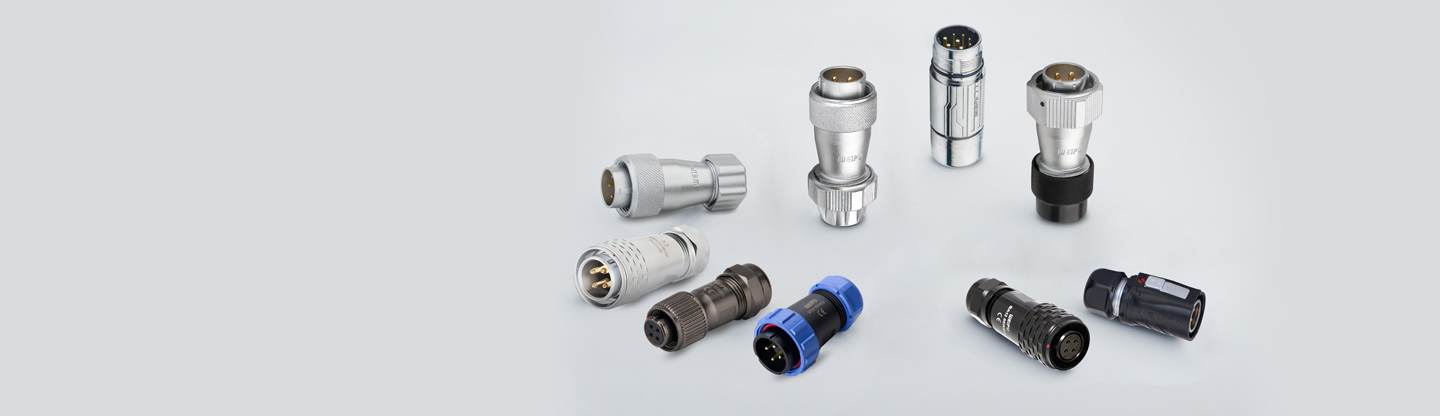
The WEIPU SA Series is an IP67 push-pull circular connector family designed for industrial applications.
Its push-pull coupling mechanism provides a fast connection method, while the sealed structure provides environmental protection for applications requiring a protected industrial interface.
Industrial Ethernet Connectivity Is More Than a Protocol
Industrial Ethernet is an important foundation of modern automation.
But reliable industrial connectivity cannot be reduced to PROFINET, EtherCAT, EtherNet/IP, or any other communication protocol.
A complete automation connection includes:
PLC → I/O → Network → Sensor → Vision → Robot → Machine
The protocol determines how information is communicated.
The network architecture determines how devices interact.
The cable carries the signal.
The connector creates the physical interface.
And the industrial environment determines how robust that connection needs to be.
For this reason, industrial Ethernet connector selection should always be approached as part of the complete machine connectivity system.
Conclusion
As factories become more automated and connected, the reliability of physical connectivity becomes increasingly important.
From PLCs and remote I/O to sensors, machine vision systems, robots, and industrial equipment, every connection point contributes to the overall reliability of an automation system.
When selecting an industrial connector, engineers should consider:
- Environmental protection
- Mechanical locking
- Vibration
- Shielding
- Signal requirements
- Cable configuration
- Installation
- Maintenance
- Long-term operating conditions
PROFINET, EtherCAT, and EtherNet/IP are important technologies within industrial automation, but they represent only one layer of the connectivity system.
The bigger question is:
Can the physical connection remain reliable when the network leaves the control cabinet and enters the real industrial environment?
That is where the right industrial connector makes a difference.
Weipu Connectors: A Leading Manufacturer of Electrical Connectors
Industrial Plug: Complete Guide to Types, Standards & How to Choose (2026)

How Waterproof Connectors Play An Important Role In Marine Applications

Why Choosing an industrial connector factory with OEM Capabilities is Crucial in 2026
Contacts
Sofia
WhatsApp/Phone

SY1110/P SY1110/S Cable connector IP67
Mate with SP1111,SP1112

WEIPU SP1110P/S Cable Connector IP68
Mate with SP1111, SP1112
WEIPU SA610/P SA610/S IP67 Push Pull Circular Cable Connector
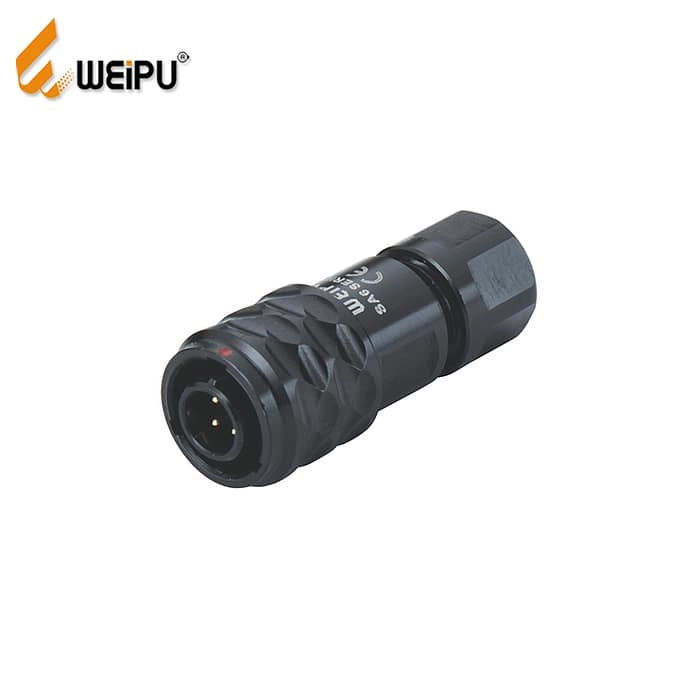
WEIPU SA610/P plug & SA610/S socket are miniature push-pull circular connectors with IP67 waterproof rating after mating. Built with anodized aluminum shell and gold-plated solder contacts, this SA series supports 2-5 pins, rated 3A 30V, certified CE & RoHS. Ideal for medical diagnostic devices, lab automation and precision sensors, fully compatible with SA611, SA612 and SA615 panel receptacles. WEIPU holds IATF16949 certification and supplies industrial connectors to 130+ countries.

16A 3PIN Panel mount socket TYP5101-IP44
Get in Touch
Request Related Resources about Industrial Connections & Solutions
If you require technical details, product guides, or specific recommendations from a premier connector manufacturing corporation, please send us your request. We provide expert support for custom electrical connectors, offering OEM/ODM customization and dedicated distributor cooperation assistance.
Weipu Building, No. 111, Baihua Road, Liwan District, Guangzhou, Guangdong China
© 2026 WEIPU. All Rights Reserved.
Whatsapp: +8618102298073
WEIPU
WEIPU
WEIPU
WEIPU