
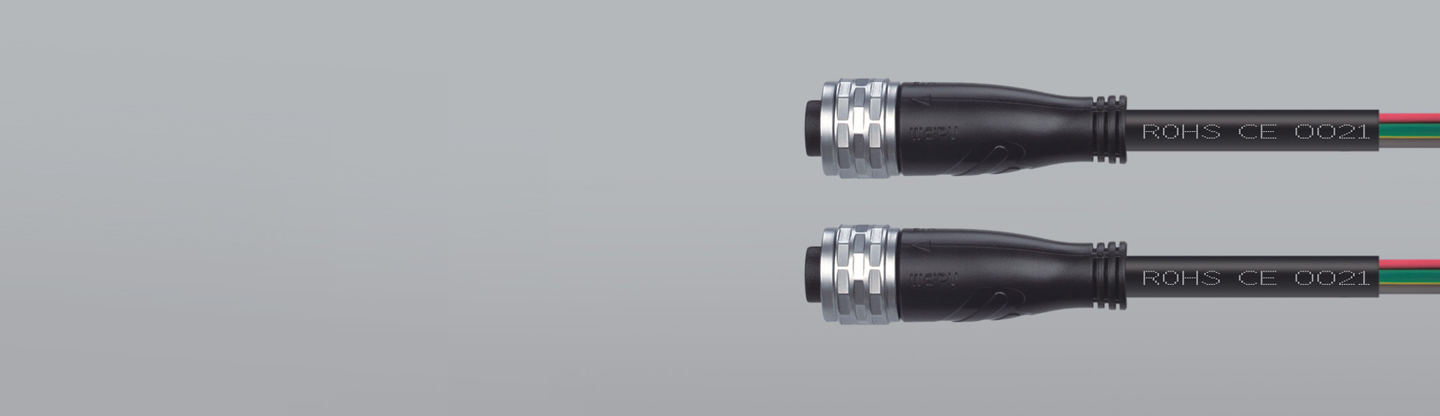


How custom medical circular connectors speed product dev?
Follow us now:
Article Title: How custom medical circular connectors speed product dev?
Quick Summary
Custom medical circular connectors shorten development cycles by combining application‑specific pin layouts, pre‑qualified biocompatible materials, and modular mechanical interfaces that reduce PCB and harness rework, simplify sterilization validation, and limit regulatory retesting for faster time‑to‑market.
WEIPU Advantage & Next Steps
WEIPU brings practical experience in industrial connectors for regulated sectors and a proven approach to accelerate medical product development: early DFM reviews, tailored contact arrangements to match signal and power needs, selection of sterilization‑resistant polymers and metals, and collaboration on verification protocols tied to IEC and ISO medical standards. This reduces iteration, shortens supplier chains, and clarifies test scope with your quality team.
Contact us for a quote at www.weipu-group.com or salse01@weipu-group.com.
Deep-Dive FAQs
How do custom medical circular connectors reduce regulatory approval time?
Custom designs reduce regulatory time by using pre‑qualified materials and documented design controls. Selecting materials already covered by ISO 10993 biocompatibility testing or proven in prior device histories narrows the required testing matrix. Aligning connector mechanical and electrical requirements to IEC 60601‑1 and documenting risk controls in a DFMEA/Design History File prevents late changes that trigger repeat verification, therefore shortening approval cycles.
What design choices minimize EMI in medical circular connectors?
To control EMI, use grounded conductive shells, continuous shielding (metal shells or conductive overmolds), and dedicated shield drain contacts. Maintain controlled impedance for high‑speed pairs, route power and signal contacts separately, and include integrated gaskets or conductive elastomers at the mating interface to close RF seams. Pair these hardware measures with PCB layout best practices—short shield returns and common‑mode chokes where needed—to meet EMC test limits with fewer iterations.
How to integrate sterile barriers into connector mating faces?
Integrate sterile barriers by designing recesses for disposable sealing membranes, using threaded or bayonet mating with positive stop torque to protect seals, and specifying elastomeric O‑rings made from sterilization‑resistant materials (e.g., medical silicone or fluorosilicone). Validate barrier integrity with dye penetration and pressure decay tests, and ensure barrier materials are compatible with intended sterilization methods (steam, ETO, gamma) to avoid compromising seal or biocompatibility during validation.
Which materials meet biocompatibility for implantable circular connectors?
Implantable connectors require materials with documented ISO 10993 biocompatibility data. Common choices include medical‑grade titanium and 316LVM stainless steel for housings, PEEK for polymeric bodies, and PTFE or medical‑grade silicone for insulators and seals. Always evaluate extraction and cytotoxicity results specific to your supplier batch and sterilization process; reuse existing material certifications to limit required testing where permissible by your regulatory strategy.
How do custom pin layouts accelerate medical device prototyping?
Custom pin layouts eliminate repeated PCB and harness redesign by matching connector contacts exactly to the device’s electrical architecture—reducing routing complexity and the number of mechanical iterations. Use modular contact blocks and keyed shells so different prototypes share the same mechanical envelope. Rapid prototype tooling (CNC jigs, 3D‑printed shells) for custom layouts enables next‑day assemblies and early bench testing, shortening the iteration loop between electrical validation and enclosure fit.
What test protocols validate longevity of medical circular connectors?
Longevity validation typically combines mechanical endurance cycling, environmental conditioning, and electrical contact tests. Reference IEC 60512 series for connector test methods, IEC 60529 for ingress protection, and ASTM B117 for corrosion resistance where applicable. Protocols usually include mating/unmating cycles under expected environmental stresses, contact resistance monitoring, salt spray or accelerated corrosion tests for metal parts, and temperature/humidity aging tied to expected service life. Define acceptance criteria up front with your QA based on intended use and regulatory expectations.

WEIPU Electric August 2025 Global Industry Exhibition Preview

Unraveling Weipu SP Series: Your Marine Equipment’s Best Friend

How Industrial Connectors Support Machine Vision Systems
Weipu Connector Unveiled: Navigating the Landscape of Reliable Connectivity
Contacts
Sofia
WhatsApp/Phone

SY1110/P SY1110/S Cable connector IP67
Mate with SP1111,SP1112

WEIPU SP1110P/S Cable Connector IP68
Mate with SP1111, SP1112
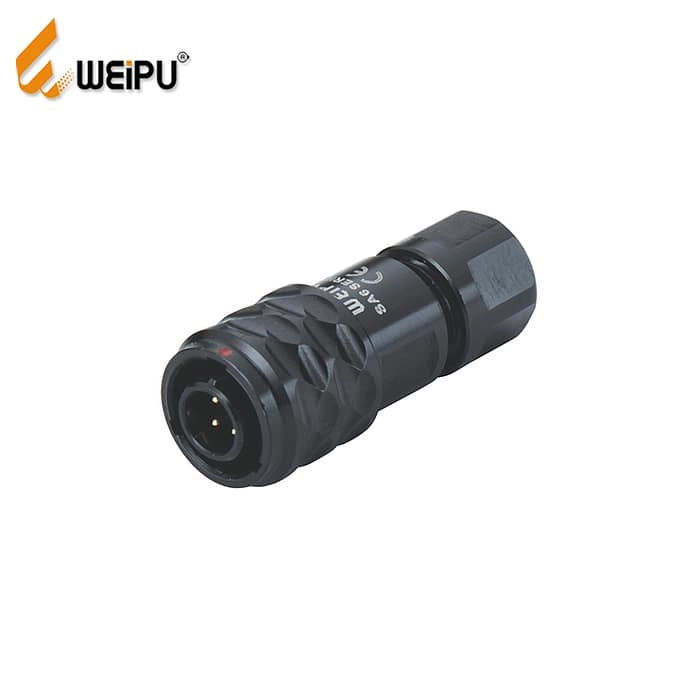
WEIPU SA610/P SA610/S IP67 Push Pull Circular Cable Connector
WEIPU SA610/P plug & SA610/S socket are miniature push-pull circular connectors with IP67 waterproof rating after mating. Built with anodized aluminum shell and gold-plated solder contacts, this SA series supports 2-5 pins, rated 3A 30V, certified CE & RoHS. Ideal for medical diagnostic devices, lab automation and precision sensors, fully compatible with SA611, SA612 and SA615 panel receptacles. WEIPU holds IATF16949 certification and supplies industrial connectors to 130+ countries.

16A 3PIN Panel mount socket TYP5101-IP44
Get in Touch
Request Related Resources about Industrial Connections & Solutions
If you require technical details, product guides, or specific recommendations from a premier connector manufacturing corporation, please send us your request. We provide expert support for custom electrical connectors, offering OEM/ODM customization and dedicated distributor cooperation assistance.
Weipu Building, No. 111, Baihua Road, Liwan District, Guangzhou, Guangdong China
© 2026 WEIPU. All Rights Reserved.
Whatsapp: +8618102298073
WEIPU
WEIPU
WEIPU
WEIPU