
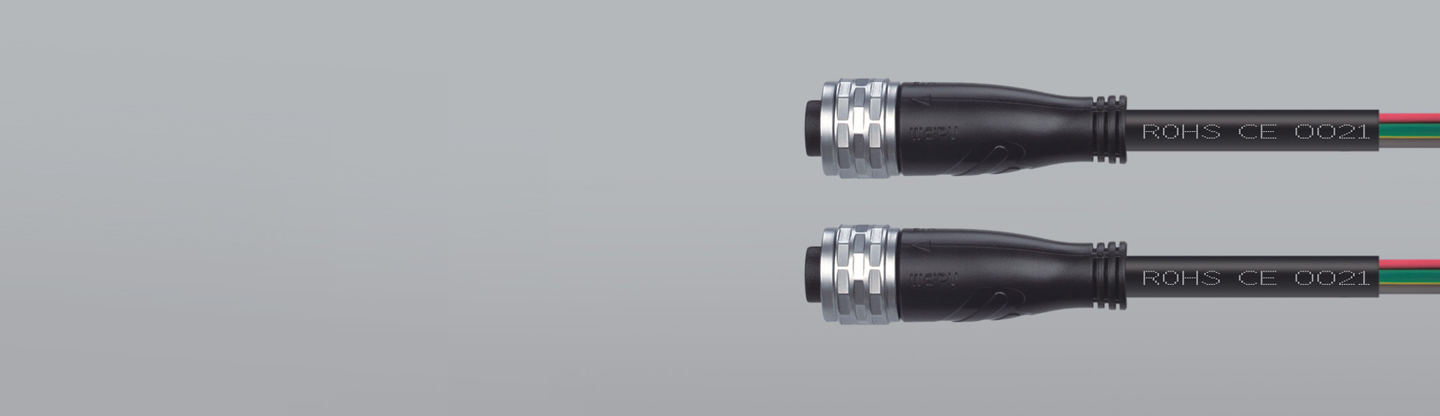


Packaging Machine Connectors: Fast Changeover Without Rewiring
Follow us now:
- Quick Answer
- Why Changeover Time Dominates Packaging Line Economics
- What "Changeover Without Rewiring" Actually Means in Practice
- Where Connectors Sit in a Packaging Machine
- Power Circuits: Drives, Heaters and Sealing Stations
- Signal and Sensor Loops on Moving Carriers
- Data and Network Runs Through the Machine
- What the Washdown Environment Demands
- Ingress Protection by Machine Zone
- Hygienic Design Beyond the IP Number
- Specifying for Repeated Mating: The Changeover Checklist
- Modular Architecture: Matching Connector Classes to Circuits
- Common Selection Mistakes on Packaging Lines
- Where WEIPU Fits Into a Packaging Machine Specification
- Frequently Asked Questions
Quick Answer
Packaging machine connectors are the pluggable interfaces that let a line be reconfigured for a new format or module without cutting and re-terminating a single wire. Specified well, they turn a changeover that once consumed two hours of re-wiring into a 20-minute swap of complete harnesses and cartridges. The specification task has three layers. First, match the connector family to each circuit class: power, signal and data. Second, match the ingress protection to each washdown zone. Third, choose contact terminations that survive repeated mating rather than a single factory install.
This guide walks through where connectors sit in a packaging machine. It then covers what washdown and vibration cycling do to them. Finally, it shows how to structure power, signal and data interfaces so a format change means unplugging a module — not opening a cabinet with a screwdriver.
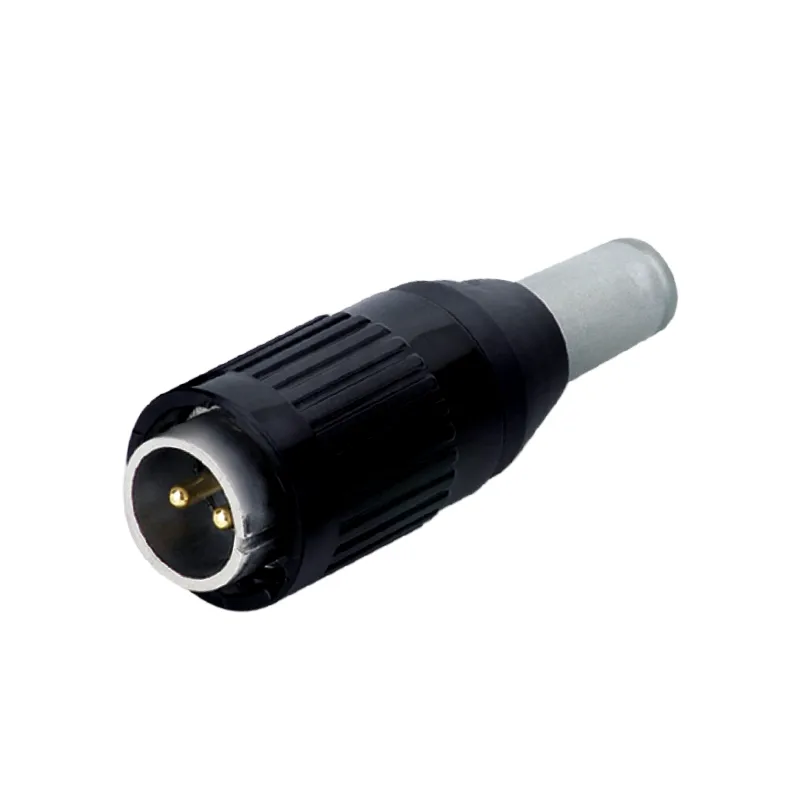
Why Changeover Time Dominates Packaging Line Economics
A changeover is the scheduled conversion of a packaging line from one SKU, format or container size to another. On a typical cartoner or filling line it involves mechanical adjustment and recipe loading. The third element — electrical reconnection of moved or swapped modules — is the part nobody budgets enough for. Industry surveys of line performance consistently rank changeover among the largest single sources of planned downtime on packaging equipment.
The electrical share of that time depends entirely on how the machine was wired. If sensors, drives and heaters are hard-wired to terminal blocks inside the frame, every module move means opening enclosures and re-terminating conductors. If those same circuits land on standardized connectors, the module moves as a complete unit. It then plugs back in like a domestic appliance.
What "Changeover Without Rewiring" Actually Means in Practice
Fast changeover describes a machine architecture in which every subsystem that moves, swaps or detaches does so through a connector interface rather than fixed terminals. In practice this means four things:
- Drives, motors and heaters terminate in power connectors rated for their voltage and current, not in bare conductors on a terminal rail.
- Sensor and actuator loops use field-wirable or pre-molded circular connectors that a technician can swap by hand.
- Network drops land on Ethernet connectors that maintain shielding continuity through every disconnect.
- The control cabinet keeps spare connector positions so a new module plugs into an existing loom instead of forcing a cabinet rebuild.
None of this removes electrical design work. It moves that work forward into the specification phase, where it is done once instead of repeated at every format change. Choosing the right packaging machine connectors at this stage is what later makes a 20-minute swap possible.
Where Connectors Sit in a Packaging Machine
A packaging machine is not one environment; it is several. The same line can contain a dry electrical cabinet, a servo-driven motion zone, a washdown product area and a wet floor level. Treating all four as identical leads to overspent connectors in the cabinet or underspent ones in the splash zone. It helps to separate the interfaces by circuit class first. Each class of packaging machine connectors answers to a different load, cleaning exposure and mating frequency.
Power Circuits: Drives, Heaters and Sealing Stations
Sealing jaws, hot-fill systems and induction heaters draw steady current for hours. Servo drives impose current spikes on every start. Power interfaces in the 3 to 16 A range are common for auxiliaries, while motion and heating circuits can sit well above that. The connector obligation here is thermal. Contact resistance that is negligible at 10 A becomes a heat source at sustained load, and a heat source inside a sealed housing ages its seals and insulation. Circuit classes and connector styles for these loads are covered in this overview of high-current industrial connectors.
Changeover speed is worthless if drive noise corrupts the encoder line afterwards. The guide to connector shielding in VFD cabinets explains how a circumferential screen bond keeps PWM interference off the signal loops that move the machine.
Signal and Sensor Loops on Moving Carriers
Photoelectric sensors, proximity switches, temperature probes and valve manifolds generate the low-voltage 24 V DC signals that run the machine logic. These loops are numerous, thin-cored and frequently mounted on moving or removable carriers. That is exactly where fixed wiring fails first. Circular connectors with screw, crimp or solder termination each suit a different service pattern, as this comparison of screw, crimp and cage-clamp connector inserts explains. For modules that are disconnected weekly, the mating interface matters more than the termination inside it. Each mating cycle wears the plating and relaxes the spring force.
Data and Network Runs Through the Machine
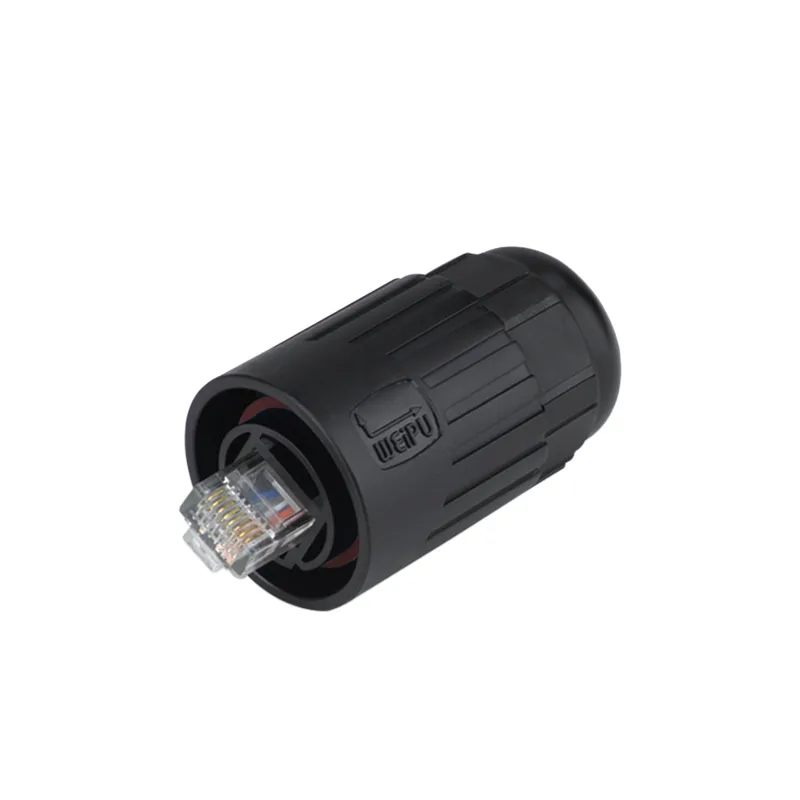
Modern packaging lines move machine data as well as product. Ethernet runs to IP cameras for fill-level inspection, to vision systems for label verification and between modules for coordinated control. Each additional plug in a data path adds a potential reflection point, so data connectors must hold impedance and shielding continuously through the mating faces. Field-terminatable RJ45 connectors let technicians build exactly the drop lengths a layout needs, without crimping tools on the line. Their role in automation networks is examined in this piece on industrial RJ45 reliability.
What the Washdown Environment Demands
Food, beverage and pharmaceutical packaging equipment is cleaned aggressively. The cleaning process — not the product — is what kills connectors. Caustic foam at 40 to 60 °C, followed by a high-pressure rinse, reaches joints that never touch the product. The hygiene rules that shape machine surfaces also shape washdown connector selection.
Ingress Protection by Machine Zone
The IP code describes how well an enclosure excludes solids and liquids. The rating that survives a packaging plant depends on the zone:
- Dry electrical cabinets and control rooms: IP54 or better is normally sufficient, and ventilation matters more than sealing.
- Splash zones near wash stations: IP65 to IP66 housings keep directed spray out of the mating face.
- Product-contact and rinse zones: IP67 as the floor, with IP69K where 80 °C water at up to 100 bar is used for intensive cleaning.
- Floor level and drainage paths: expect temporary submersion and select IP68 with sealed cable glands.
Washdown zones are where most packaging machine connectors live or die. Matching the rating to the real exposure avoids two classic errors. One is paying for IP69K everywhere. The other is discovering that a nominal rating was measured on a static bench rather than under moving-water pressure. The distinctions between these classes are set out in this guide to IP67, IP68 and IP69K selection.
Hygienic Design Beyond the IP Number
Food-sector hygienic design standards such as EHEDG guidelines and 3-A criteria push connector geometry in a specific direction. FDA rules for food-contact materials push it the same way: smooth surfaces, no crevices, drainable shapes and caustic-resistant materials. A connector with deep grooves around its coupling nut passes an IP test in the laboratory yet collects soil in production. Where a line runs open product, the mounting orientation matters as much as the rating. A horizontally mating face sheds cleaning water, while an upward-facing one pools it.
Connection designs intended for harsh environments fail for reasons beyond water alone. The common mechanisms are catalogued in this article on industrial connector failure causes.
Specifying for Repeated Mating: The Changeover Checklist
A connector specified for weekly changeover service faces a different life than one soldered in at the factory and touched twice a decade. Mating durability, locking security and keying all move up the priority list. Before releasing a design for production, the following checklist captures the decisions that determine changeover performance:
- Rated mating cycles: select contacts and platings whose durability rating covers the expected changeover count over the machine's service life, with margin.
- Locking mechanism: screw locking, bayonet and push-pull couplings behave differently under machine vibration, as this explanation of connector locking mechanisms details.
- Mechanical keying: a connector that can be mated incorrectly on a 2 a.m. changeover will be. Full-key shells or coded pins prevent cross-connection between similar loops.
- Termination style: solder contacts give low resistance but need skill and heat on the line. Crimp contacts support fast, repeatable field repair with controlled tooling.
- Strain relief and gland sealing: every disconnect point needs a cable entry matched to the cord outer diameter, or the seal fails at the first tug.
Two of these deserve emphasis. Vibration loosening is the failure mode that separates packaging machinery from static installations. A coupling that holds on a test bench can back off over weeks of solenoid chatter and servo shock. Termination style is where changeover economics hide. A design using crimp contacts can be repaired by a trained operator with one tool, while solder-only interfaces push every field repair back to a specialist.
Modular Architecture: Matching Connector Classes to Circuits
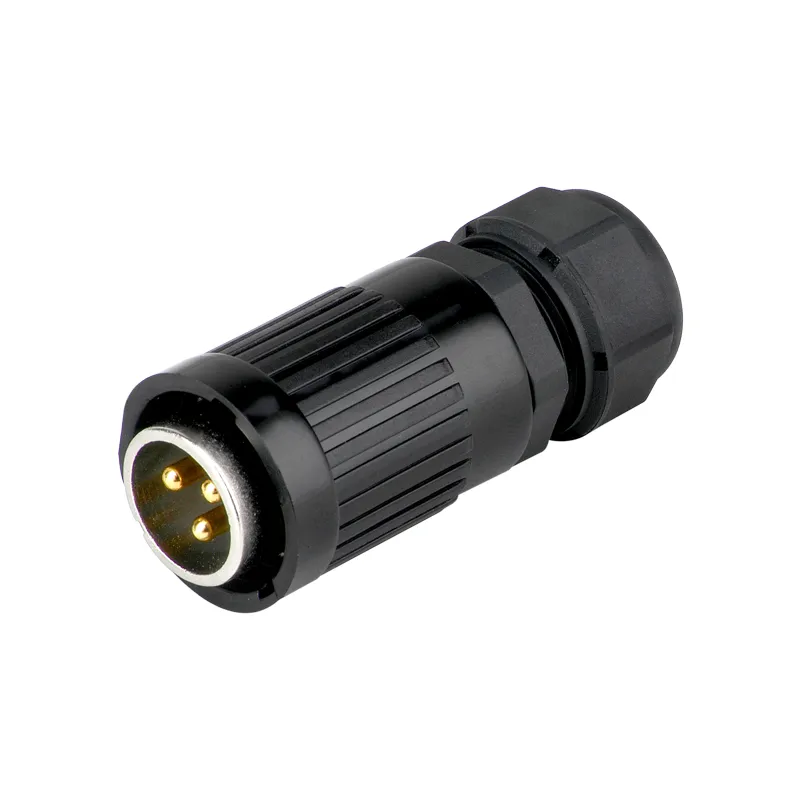
Once the zones and service patterns are clear, the specification reduces to assigning a connector class per circuit type. Good packaging machine connectors are not one series but a mapped set. The table below is a starting frame that many machine builders adapt. It is not a substitute for load calculations on a specific design.
| Circuit class | Typical load | Connector approach | Protection floor |
|---|---|---|---|
| Servo and motion power | 20 to 30 A per contact, 630 V class | M23-style threaded power connectors with screened contacts | IP67 in wash zones |
| Sensor and valve signals | 24 V DC, currents below 1 A | Small circular connectors, 3 to 8 contacts, screw or crimp | IP67, IP69K at rinse points |
| Ethernet and vision data | 100 Mbps to 1 Gbps links | Screened industrial RJ45 or M12 D/X-coded | IP67 on exposed runs |
| Heaters and sealing jaws | Several kW resistive load | High-contact-count power connectors with heat-resistant housings | IP65 outside wash zones |
| Module mains feeds | 16 to 32 A, 400 V three-phase | CEE-format plugs and panel inlets | IP44 dry, IP67 wet areas |
Where a single interface must carry power and data together, a hybrid connector reduces the number of plugs per module. It also removes the risk of mismatched pairs. The trade-offs are examined in this discussion of hybrid power-signal-data connectors. Modules that only detach during annual maintenance can use lower-cycle interfaces than weekly-change carriers. That is another reason to classify circuits before buying anything. The wider discipline of matching interfaces to machine architecture is treated in this guide to connecting field devices.
Common Selection Mistakes on Packaging Lines
Field service reports across the industry repeat a short list of errors. Most are visible in the specification phase, long before delivery:
- One connector family everywhere: using a single series for cabinet, splash and rinse zones either overspends or under-protects, because no series is optimal across all three.
- Ignoring mating-cycle ratings: a 50-cycle contact is not a changeover component, whatever its datasheet says about current.
- Unkeyed identical connectors side by side: two adjacent 8-pin interfaces with the same shell invite the wrong plug on a hurried swap.
- Cable glands mismatched to cord diameter: the entry seals on the bench and weeps under washdown. This is the most frequent leak path in practice.
- Termination chosen by habit rather than service: solder-only modules look tidy until the first midnight repair with no soldering iron on site.
Each of these is cheap to correct on the drawing and expensive to correct after delivery. A short design review that walks every circuit through the checklist above catches most of them in under an hour.
Where WEIPU Fits Into a Packaging Machine Specification
For packaging machinery specifically, WEIPU's WP20 circular series was developed around modular machine interfaces. It uses solder-type contact inserts in a threaded-coupling circular shell. The range includes plug, socket and panel-mount variants, with housings in the IP44 and IP55 classes for less exposed zones. In a changeover-driven design, that family approach — one mechanical platform, several contact counts and mounting styles — keeps spare modules interchangeable without redesigning the loom. Alongside it, the M23 power and signal families serve the servo motion circuits described above. The RJ45F field-terminatable data connectors handle network drops that get re-routed at format changes.
That said, connector selection for a specific packaging line depends on the actual load profile, cleaning regime and changeover frequency of the installation. Confirm the current, voltage and ingress ratings of any series against its datasheet before release. Verify that the termination style matches the maintenance skills available on site. Buyers who want to review the families mentioned here can start from the WEIPU product catalogue or the company's industrial manufacturing solutions pages. Evaluate samples against the machine's own washdown and cycling requirements rather than catalogue conditions.
Frequently Asked Questions
What are packaging machine connectors?
They are the pluggable electrical interfaces that join drives, sensors, heaters and network devices on packaging equipment to the machine's power and control system. Instead of fixed terminal blocks, each circuit lands on a standardized connector so modules, format parts and complete harnesses can be swapped during a changeover without cutting or re-terminating conductors.
How do connectors shorten a packaging line changeover?
They convert electrical reconnection from a wiring task into a plug swap. When every movable module terminates in keyed connectors, technicians unplug and replug complete harnesses instead of opening cabinets and tracing wires. The electrical share of a format change drops from hours to minutes, and the risk of mis-termination errors after the change falls with it.
Which IP rating do connectors need in washdown zones?
Splash zones near wash stations normally work with IP65 or IP66 housings. Product-contact and rinse zones need IP67 as a minimum, and IP69K where cleaning uses about 80 °C water at up to 100 bar. Floor-level runs exposed to standing water justify IP68. Always match the rating to the actual cleaning regime rather than applying one rating across the whole machine.
Are solder or crimp contacts better for changeover connectors?
It depends on the service pattern. Solder contacts give low and stable contact resistance but require skill and heat for field repair. Crimp contacts support fast, repeatable repairs with controlled tooling and better vibration performance in many harness designs. For modules disconnected weekly, prioritize the mating interface and locking security; for permanent circuits, solder remains a sound choice.
How many mating cycles should a changeover connector be rated for?
Estimate the changeovers per week, multiply by the expected service years, and select a connector whose rated mating cycles exceed that count with a comfortable margin. A module swapped once weekly over ten years sees roughly 500 cycles before maintenance allowances, so contacts specified for a few dozen cycles are unsuitable regardless of their current rating.
Can one connector series cover an entire packaging machine?
Rarely. A packaging machine spans dry cabinets, splash zones, rinse zones and vibration-heavy motion areas, and no single series is optimal across all of them. A practical specification assigns a connector class per circuit type and zone: screened power connectors for servos, compact circular connectors for sensors, industrial RJ45 or M12-coded interfaces for data, and CEE-format interfaces for module mains feeds.

Data Center CEE Connectors: Specifying PDU and CDU Service Power
Connector Mating Cycles: Wear, Degradation and End-of-Life Signs
Industrial Connectors for AI-Powered Smart Manufacturing: Challenges and Solutions
Reliability of industrial rj45 connector in High-Speed Automation Networks
Contacts
Sofia
WhatsApp/Phone
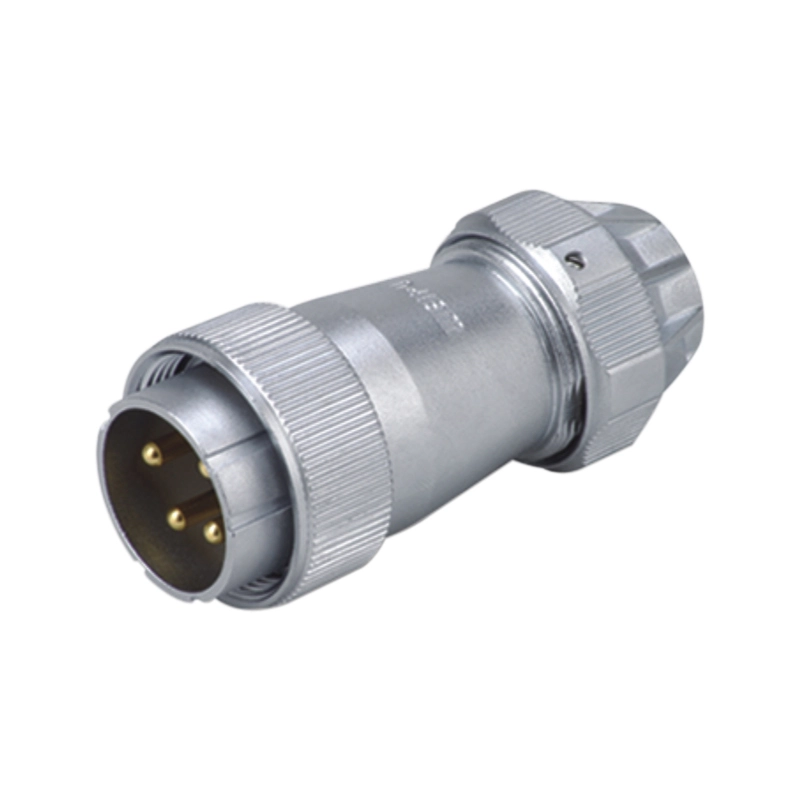
Weipu WF Series Industrial Threaded Connectors with IP67 Protection
WEIPU WF Series Industrial Threaded Connectors offer robust IP67 protection, ensuring reliable performance in harsh environments. Designed for secure, waterproof connections, these IP67 connectors are ideal for industrial applications requiring durability and stability. Trust WEIPU for quality and safety.
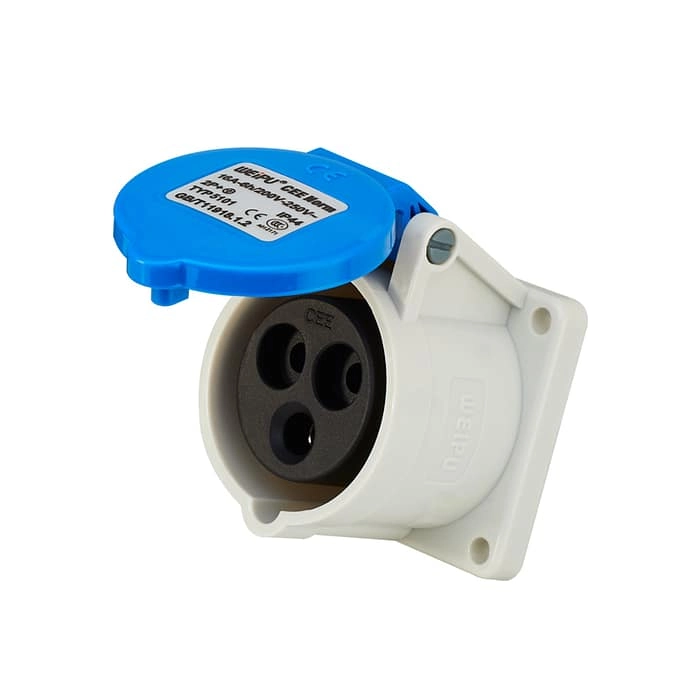
16A 3PIN Panel mount socket TYP5101-IP44
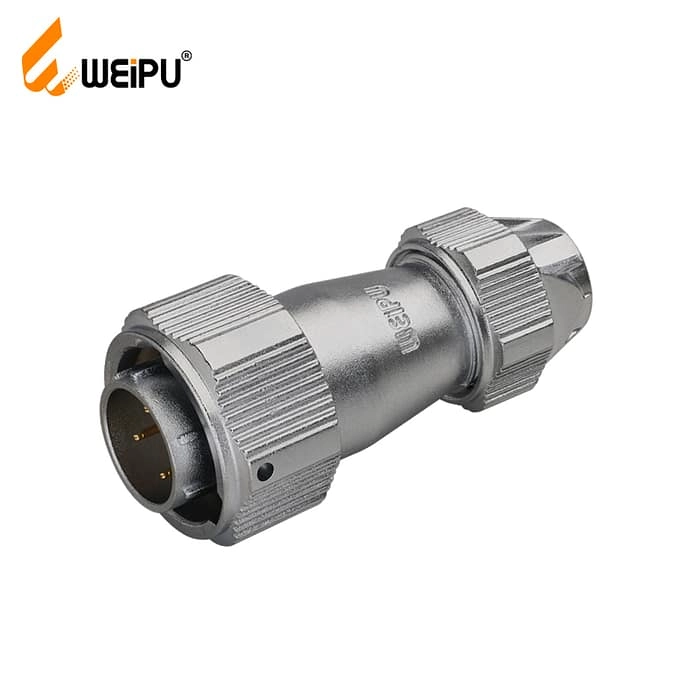
WEIPU WY-TE Series Waterproof Electrical Plug
With metal clamping-nut IP67, Threaded, Zinc alloy with chrome plating, PPS
WEIPU WY-TE IP67 circular connectors are waterproof electrical plugs with metal clamping-nut, which are durable, safe and easy to assemble with your all devices.With the metal clamping-nut and threaded design, these waterproof electrical plugs ensure high security and super stable connection. It’s an ideal waterproof connector for your applications.
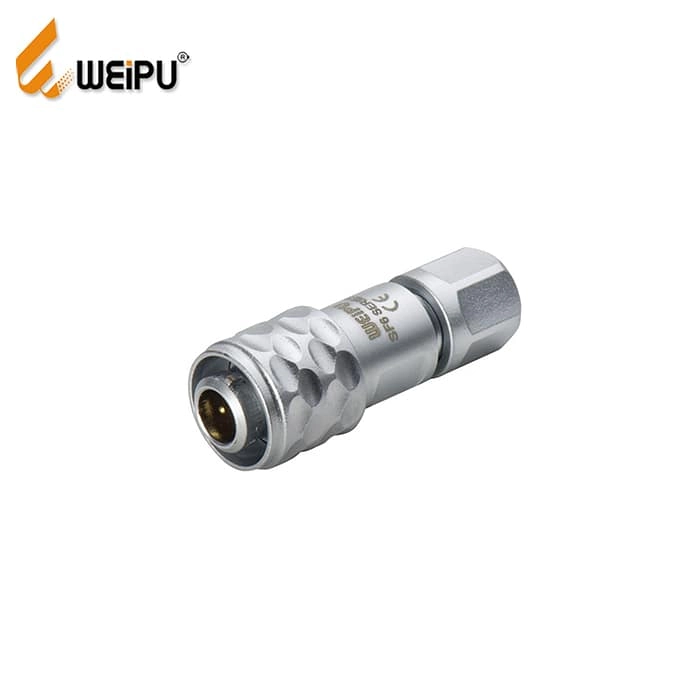
SF610B/P SF610B/S Cable connector IP67
Mate with SF611B, SF612B, SF615B
Get in Touch
Request Related Resources about Industrial Connections & Solutions
If you require technical details, product guides, or specific recommendations from a premier connector manufacturing corporation, please send us your request. We provide expert support for custom electrical connectors, offering OEM/ODM customization and dedicated distributor cooperation assistance.
Weipu Building, No. 111, Baihua Road, Liwan District, Guangzhou, Guangdong China
© 2026 WEIPU. All Rights Reserved.
Whatsapp: +8618102298073
WEIPU
WEIPU
WEIPU
WEIPU