

Salt Spray Test for Connectors: What 96 h, 480 h and 720 h Prove
Follow us now:
- Quick Answer
- What Is a Salt Spray Test and Which Standards Define It?
- The Standard Test Conditions Behind the Numbers
- NSS, AASS and CASS: Three Different Exposures
- What Do 96 h, 240 h, 480 h and 720 h Actually Prove?
- 96 h: Coating Continuity at the Mating Interface
- 480 h and 720 h: Qualification for Demanding Atmospheres
- Why Salt Spray Hours Never Convert to Field Years
- Which Acceptance Criteria Matter More Than Duration?
- Appearance Grades Versus Functional Limits
- How Does Plating Change What the Test Measures?
- The Nickel Barrier Under Gold
- How Should Buyers Specify a Salt Spray Test?
- Evaluating a Connector Supplier for Corrosive Environments
- Conclusion
- Frequently Asked Questions
Quick Answer
A salt spray test for connectors is a standardized corrosion exposure, run at 35 °C with a sodium chloride mist. It measures how plated contacts and housings resist attack over fixed durations. The conditions are defined in IEC 60068-2-11, ISO 9227 and ASTM B117.
The common durations mean different things. 96 h is a basic acceptance level that demonstrates continuity of the plated finish. 240 h to 480 h is commonly specified for outdoor and coastal equipment. 720 h is a demanding qualification used for offshore, marine and chemical environments. What the test never proves is a field lifetime, because salt spray hours do not convert into years outdoors. This guide explains what each duration demonstrates, how acceptance criteria work and how to specify the test in an RFQ.
What Is a Salt Spray Test and Which Standards Define It?
A salt spray test is an accelerated laboratory exposure in which parts sit inside a sealed chamber while a fine fog of sodium chloride solution condenses on their surfaces. The chamber holds a constant temperature, and the fog keeps every surface wet for the full duration. Because the electrolyte is always present, corrosion reactions run continuously. A few hundred hours in the chamber therefore compress a great deal of electrochemical activity. The figure is one of the most widely quoted numbers in connector datasheets, and one of the most widely misread.
The Standard Test Conditions Behind the Numbers
ISO 9227 and ASTM B117 define nearly identical conditions for neutral salt spray. The solution contains 50 g/L of sodium chloride adjusted to a pH between 6.5 and 7.2. The chamber runs at 35 °C. Collection rates are specified so that each 80 cm² of horizontal area collects roughly 1 to 2 mL of solution per hour. IEC 60068-2-11 describes the corresponding Ka test for electrotechnical products, and it is the reference most connector manufacturers cite.
Because the conditions are fixed by the standards, the duration becomes the headline variable. It is also the number buyers compare. The conditions are harsher than most real environments, because nothing in a chamber ever dries out.
NSS, AASS and CASS: Three Different Exposures
Neutral salt spray is the baseline variant, but it is not the only one. Each variant defined in ISO 9227 attacks materials differently:
- NSS uses a near-neutral sodium chloride solution at 35 °C. It is the default for industrial components.
- AASS acidifies the solution with acetic acid and runs at 50 °C. It accelerates attack on nickel and decorative plating systems.
- CASS adds copper chloride to the acetic solution at 50 °C. It is the harshest variant and is used mainly for decorative finish qualification.
Silver-plated contacts deserve a note here. Silver tarnishes through sulfide attack, which a sodium chloride fog reproduces poorly. Some specifications therefore use AASS or dedicated sulfide exposures instead. Always check which variant a datasheet quotes before comparing two numbers.
What Do 96 h, 240 h, 480 h and 720 h Actually Prove?
Duration alone proves nothing until it is tied to an acceptance criterion and a purpose. The table below summarises how the common durations are used in industrial specifications. The sections after it give a closer reading of each band.
| Duration | What it is commonly used to demonstrate | Typical specification context |
|---|---|---|
| 96 h | Continuity of the plated finish and basic process control | Industrial electronics, indoor and near-coastal equipment |
| 240 h | Extended endurance of plated finishes and sealed housings | Outdoor telecom, lighting and monitoring hardware |
| 480 h | Qualification of the full construction for corrosive service | Coastal installations, washdown zones, wastewater plants |
| 720 h | Maximum-duration qualification of platings, shells and seals | Offshore, marine and chemical plant environments |
96 h: Coating Continuity at the Mating Interface
Ninety-six hours is the entry level for industrial hardware. In that time, a sound plating system should show no corrosion products at the mating area. The finish is still continuous and the barrier intact. What a 96 h result actually demonstrates is process control: the plating bath, the surface preparation and the handling were in order for the tested batch.
What it does not demonstrate is performance in a corrosive installation. Porosity in thin gold flashes, for example, tends to reveal itself only after longer exposures. A datasheet that quotes 96 h with no acceptance criteria is saying very little about either. How to verify plating, sealing and traceability claims at the source is covered in this ten-point circular connector factory audit guide.
480 h and 720 h: Qualification for Demanding Atmospheres
Exposures of 480 h or more are specified where corrosion is a design driver rather than a quality check. Ports and offshore-adjacent installations, wastewater plants, chemical areas and washdown zones all push specifications toward the 480 h to 720 h band. At these durations the test stresses more than the top coat. Defects in the barrier layer, galvanic couples at dissimilar-metal joints and the sealing of the connector body itself all come under attack.
A result at 720 h is therefore evidence about the whole construction: platings, shells, seals and glands, not just the finish on the contacts. For sealed sensor and actuator lines running through such areas, an in-line IP67 cable connector for sealed lines is one construction example where body sealing and contact plating have to be qualified together.
Why Salt Spray Hours Never Convert to Field Years
The most common misreading of a salt spray figure is arithmetic. Four hundred and eighty hours sounds like twenty days of continuous salt exposure, which then becomes a claimed service life. That conversion has no technical basis. The chamber is continuously wet at 35 °C, while a real installation cycles between dry and wet, freezes, warms in sunlight and accumulates pollutants that a sodium chloride fog does not contain.
Corrosion mechanisms do not scale linearly with time, and many field failures occur through paths the fog test barely touches:
- Cyclic wet-dry exposure, UV loading and temperature swings on the housing surface.
- Crevice corrosion beneath seals, gaskets and clamp plates, where oxygen access is poor.
- Galvanic corrosion at joints between dissimilar metals in the installation, away from the connector body.
- Chloride deposits that dry onto housings and re-wet at each rain or washdown event.
- Fretting and wear at the contact interface, which expose fresh metal long after the test batch was judged.
These mechanisms dominate the failure record of connectors in harsh environments, and none of them is reproduced by a steady 35 °C fog. Standards bodies therefore avoid time-equivalence claims. A supplier who offers one should be asked for the justification. For a fuller view of what actually fails in the field, see the guide to common industrial connector failure modes in harsh environments.
Which Acceptance Criteria Matter More Than Duration?
A duration without a pass criterion is a slogan. A useful specification states three things together:
- The exposure: which standard, which variant, and which duration.
- The sample plan: how many parts, which part numbers, and whether they were mated during conditioning.
- The pass criteria: what counts as failure after exposure.
IEC 60068-2-11 and ISO 9227 describe how to run the exposure. The acceptance criteria come from the product specification or customer requirement, and that is where most of the meaning lives. This is also where two datasheets with identical hour figures can hide very different claims.
Appearance Grades Versus Functional Limits
Corrosion acceptance is usually written either as appearance or as function. Appearance criteria limit white or red rust, stains and blisters, often with reference charts. Functional criteria are stricter. They require no corrosion products within a defined distance of the mating interface, no excessive rise in contact resistance after exposure, and successful mating with the prescribed insertion forces.
For connectors, the functional reading matters more. A cosmetic stain on a shell does not affect the circuit, while a corroded contact interface does. A report should state which reading was applied. A buyer should treat a bare "passed 480 h" line with caution when it says neither.
How Does Plating Change What the Test Measures?
Plating systems respond to a salt spray test in characteristically different ways. This is why the finish specification and the test duration have to be read together:
- Tin tolerates general attack and forms its own protective oxide, but porosity and base-metal diffusion appear over longer exposures.
- Gold is noble and protects while it remains continuous, yet thin flashes depend on pore-free coverage, so gold over a sound nickel barrier is the standard answer for corrosive service.
- Silver conducts superbly but tarnishes, so it suits controlled atmospheres best.
Electroplated finishes are classified by standards such as ASTM B488 for gold, ASTM B700 for silver and ASTM B545 for tin. Each grades deposits by type and minimum thickness, with classes spanning fractions of a micrometre up to several micrometres. Confirm the exact class and thickness on the datasheet for the part you are evaluating. The finish also interacts with the housing material, which is why the guide to connector materials and long-term reliability belongs in the same specification discussion.
The Nickel Barrier Under Gold
The nickel barrier is the underlayer that makes thin gold work in corrosive service. It is a dense, relatively noble diffusion block between the copper alloy contact body and the gold top coat. Where gold is applied without a nickel barrier, pore sites let the copper alloy migrate and oxidise. The corrosion products then creep across the surface — the classic staining that fails appearance criteria long before the gold itself is consumed.
Industry practice commonly specifies barrier thicknesses of roughly 1 to 3 µm for industrial connectors. The exact value depends on the vendor's system and should be verified in the datasheet. When reviewing a report on a gold-finished part, ask whether the nickel thickness was measured and reported alongside the top coat. The pair together decides the corrosion outcome.
How Should Buyers Specify a Salt Spray Test?
A test clause is easy to write badly. The checklist below turns the points above into a specification that a supplier can actually quote against:
- Name the standard and variant: IEC 60068-2-11 (Ka) or ISO 9227 NSS, not just "salt spray".
- State the duration: 96 h as an acceptance baseline, or 480 h to 720 h for corrosive installations.
- Define acceptance: appearance limits and functional limits, including contact resistance after exposure.
- Require sample details: which part numbers, which platings, which batch, and whether parts were mated during conditioning.
- Ask for the full report: chamber logs, solution pH, collection rates and dated photographs of the tested parts.
Two further habits help. First, pair the corrosion requirement with the sealing requirement, because a connector is only as protected as its gland and interface. The selection guide to how IP67, IP68 and IP69K ratings affect application selection covers that side. Second, match the plating to the atmosphere before fixing the hours, using the framework for matching connector design to application requirements.
Evaluating a Connector Supplier for Corrosive Environments
When shortlisting suppliers for coastal, washdown or chemical installations, the evidence to request is consistent across vendors. Ask for named test standards, stated durations, written acceptance criteria and reports that identify the tested part numbers. A manufacturer such as WEIPU, which produces circular connectors, heavy duty rectangular connectors and cable glands in nickel-plated brass and stainless housings, may be suitable for evaluation in such programs. The specific corrosion qualification depends on the series and finish, so verify the claim in the datasheet for the exact part number and confirm the test conditions with the factory before writing the figure into a specification.
For corrosive-environment projects, the rear-nut mounted IP68 circular receptacles and the nickel-plated stainless steel cable glands in the product range may be suitable starting points for evaluation, alongside the broader industry-specific connectivity solutions.
Conclusion
Salt spray hours are a language, not a lifetime. Read them as statements about process control and design intent. 96 h says the plating process is controlled. 480 h to 720 h says the construction was qualified for corrosive service. The acceptance criteria say what either result actually means. Specify the standard, the duration and the pass criteria together. Check the plating system behind the number. Treat any conversion to field years as marketing until a supplier shows its basis. Used that way, the salt spray test for connectors becomes one of the more honest numbers in a datasheet, because its limits are as well defined as its conditions.
Frequently Asked Questions
How long is a salt spray test for connectors?
The duration depends on the purpose of the specification. Ninety-six hours is a common acceptance level for industrial hardware, 240 h appears in extended outdoor specifications, and 480 h or 720 h is typical for coastal, marine and chemically loaded installations. The duration is defined by the product standard or customer specification, not by the test standard itself, which only fixes the conditions of exposure.
Does 96 h of salt spray equal one year outdoors?
No. The chamber keeps parts continuously wet at 35 °C, while outdoor service alternates between dry and wet, changes temperature and deposits pollutants the fog does not contain. Corrosion does not scale linearly with time, so no validated conversion between chamber hours and field years exists. A supplier who quotes one should be asked for the technical basis.
What is the difference between NSS, AASS and CASS?
They are three variants defined in ISO 9227. Neutral salt spray uses a near-neutral sodium chloride solution at 35 °C and is the baseline for industrial components. AASS acidifies the solution with acetic acid and runs at 50 °C, accelerating attack on nickel systems. CASS adds copper chloride and is the harshest variant, used mainly for decorative plating qualification.
Why is a nickel barrier layer used under gold plating?
Thin gold coatings contain microscopic pores, and without a barrier those pores let the copper alloy beneath migrate to the surface and oxidise. The nickel layer is a dense diffusion block that stops this migration, so corrosion products do not creep across the contact interface. Its thickness is a key parameter in corrosion performance and should be reported alongside the gold thickness.
What acceptance criteria should a connector salt spray report include?
A useful report states the standard and variant used, the duration, the number of samples, and what counts as failure: appearance limits such as white or red rust, and functional limits such as no corrosion products at the mating interface or no excessive rise in contact resistance after exposure. A bare pass statement without these criteria carries almost no information.
Which standard applies, IEC 60068-2-11 or ASTM B117?
Both describe neutral salt spray exposure with nearly identical conditions, and connector manufacturers cite either one depending on their market. IEC 60068-2-11 defines the Ka test for electrotechnical products, while ASTM B117 is the widely used American practice. For comparing two suppliers, the variant and duration matter more than which of the two standards is cited.

Connector Application in Industrial 5G
Industrial Plug Test Reports: What Buyers Should Receive
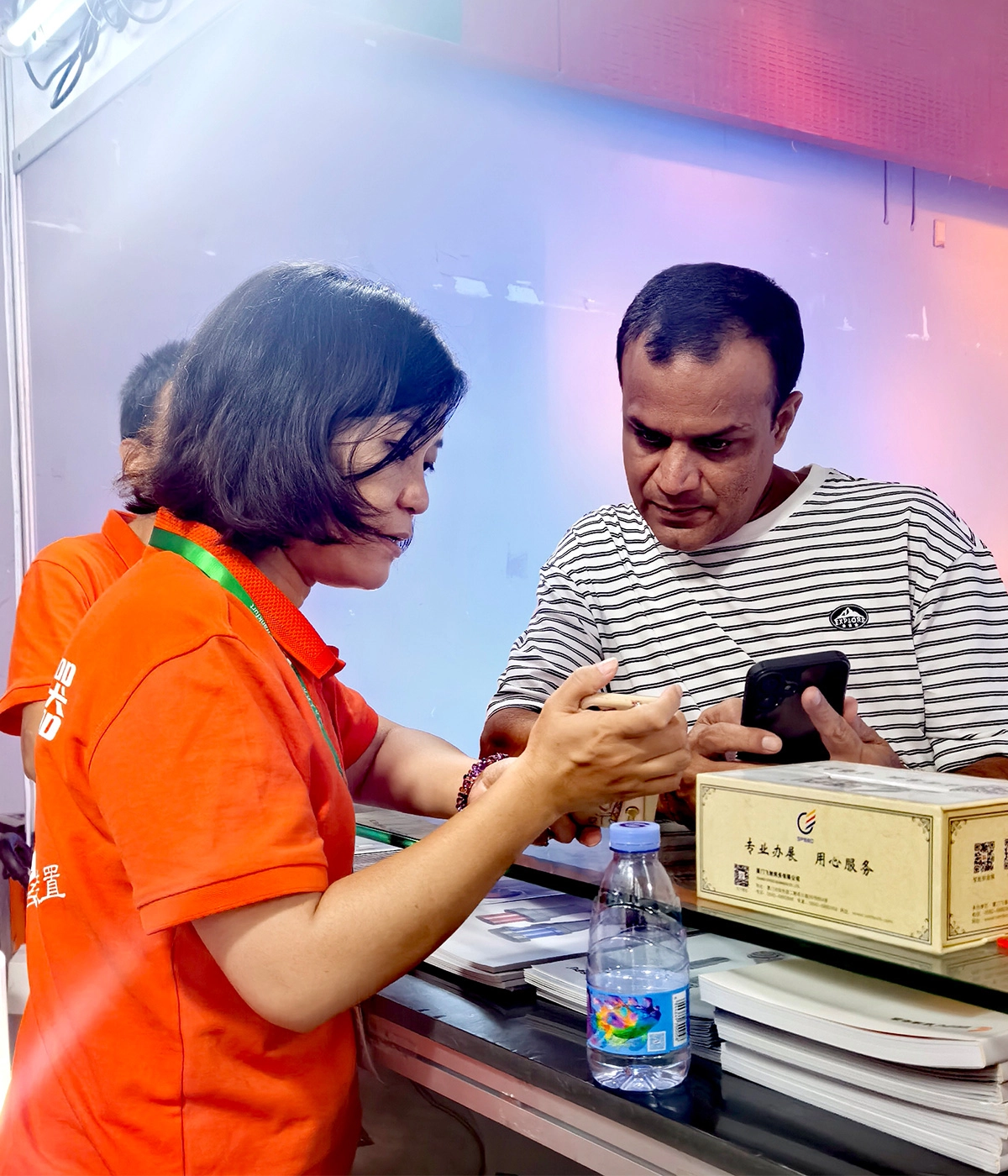
WEIPU Shines at the 2025 Shanghai International Industry Fair (SIICF)
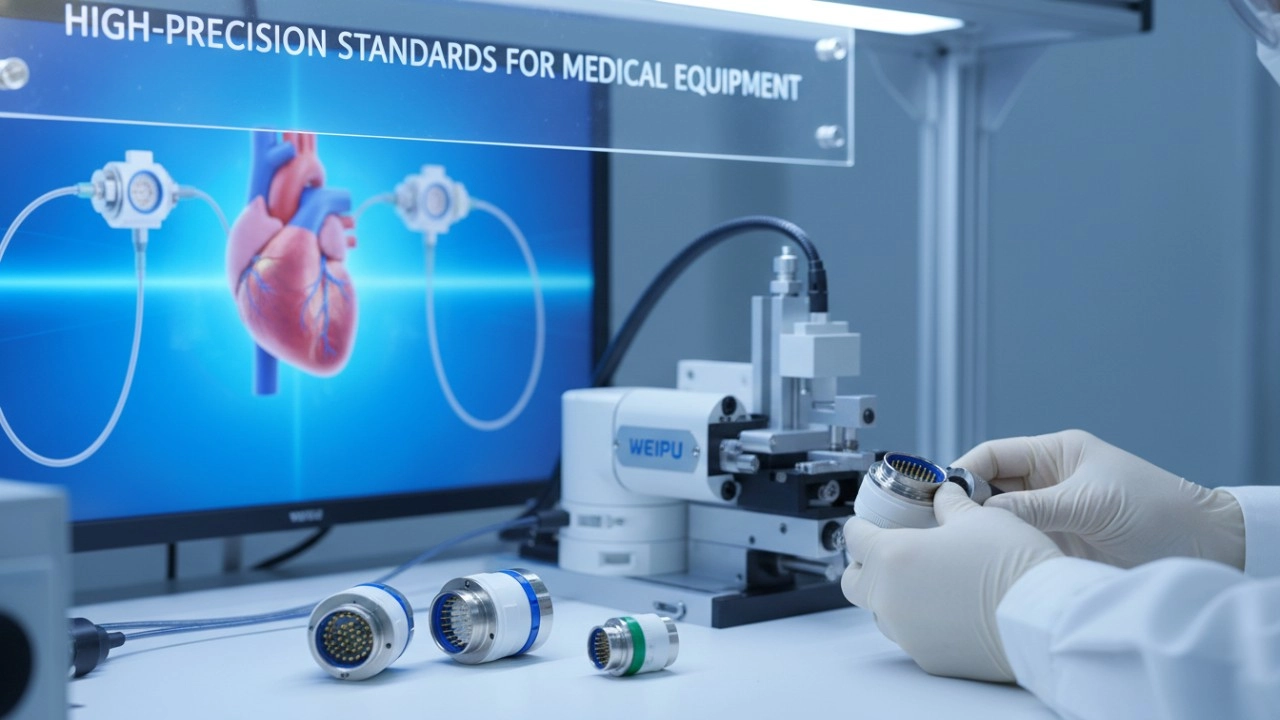
How Circular Connector Manufacturers Meet High-Precision Standards for Medical Equipment in 2026
Contacts
Sofia
WhatsApp/Phone
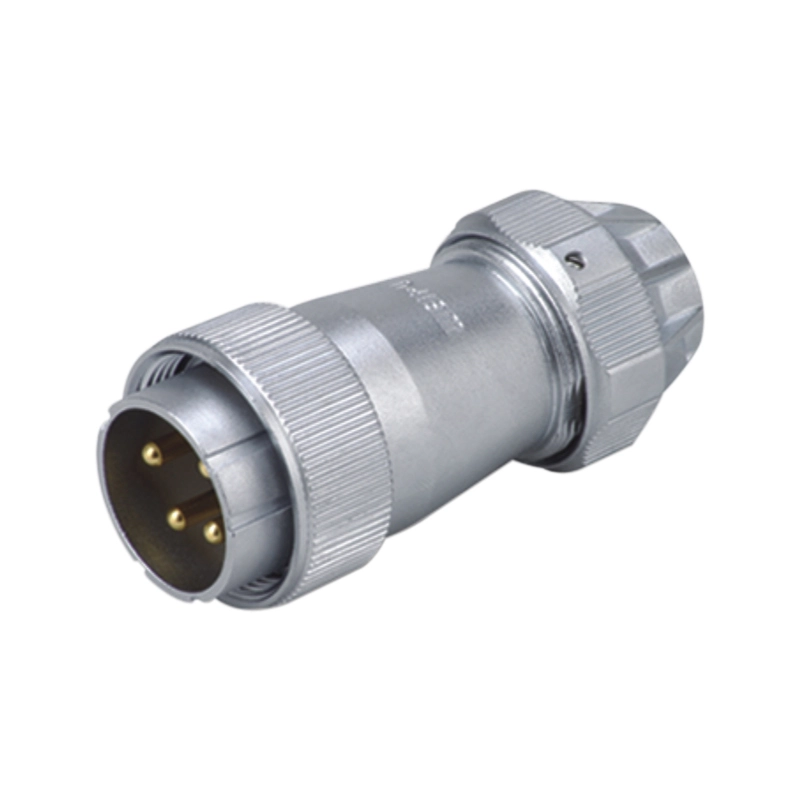
Weipu WF Series Industrial Threaded Connectors with IP67 Protection
WEIPU WF Series Industrial Threaded Connectors offer robust IP67 protection, ensuring reliable performance in harsh environments. Designed for secure, waterproof connections, these IP67 connectors are ideal for industrial applications requiring durability and stability. Trust WEIPU for quality and safety.
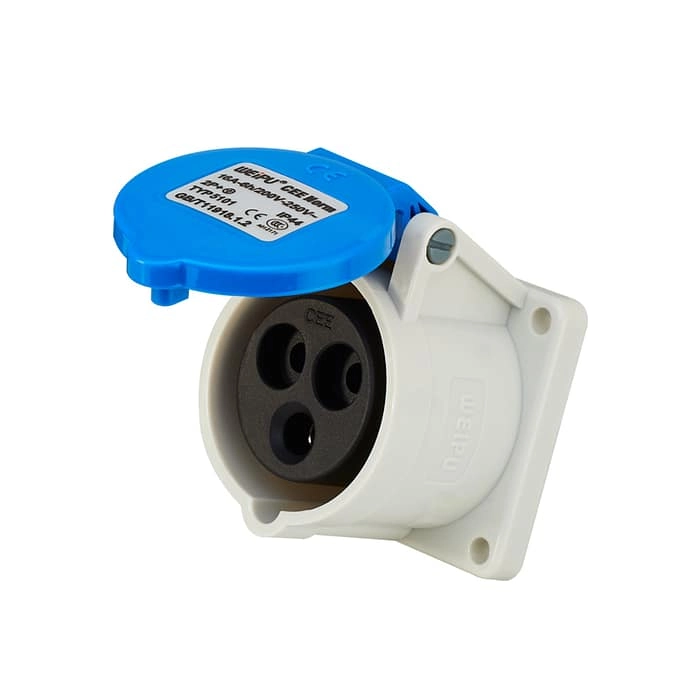
16A 3PIN Panel mount socket TYP5101-IP44
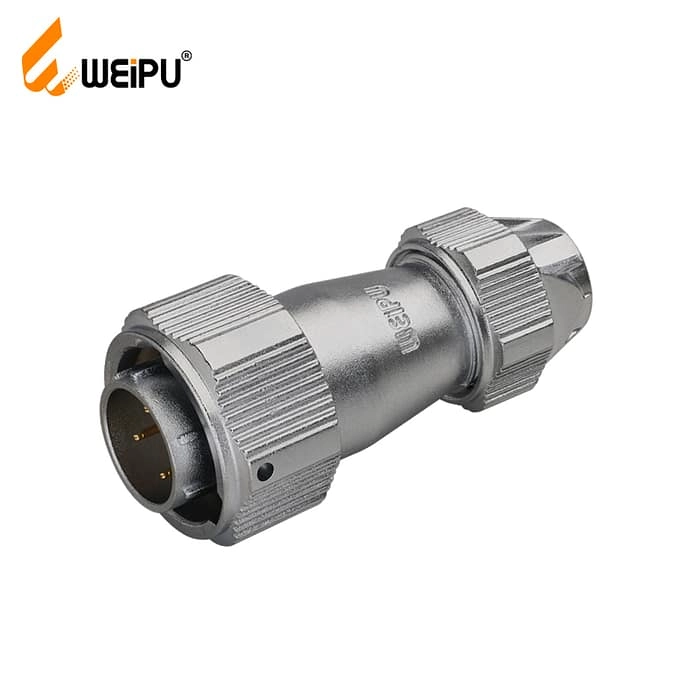
WEIPU WY-TE Series Waterproof Electrical Plug
With metal clamping-nut IP67, Threaded, Zinc alloy with chrome plating, PPS
WEIPU WY-TE IP67 circular connectors are waterproof electrical plugs with metal clamping-nut, which are durable, safe and easy to assemble with your all devices.With the metal clamping-nut and threaded design, these waterproof electrical plugs ensure high security and super stable connection. It’s an ideal waterproof connector for your applications.
SF610B/P SF610B/S Cable connector IP67
Mate with SF611B, SF612B, SF615B
Get in Touch
Request Related Resources about Industrial Connections & Solutions
If you require technical details, product guides, or specific recommendations from a premier connector manufacturing corporation, please send us your request. We provide expert support for custom electrical connectors, offering OEM/ODM customization and dedicated distributor cooperation assistance.
Weipu Building, No. 111, Baihua Road, Liwan District, Guangzhou, Guangdong China
© 2026 WEIPU. All Rights Reserved.
Whatsapp: +8618102298073
WEIPU
WEIPU
WEIPU
WEIPU