
Cold Storage Connectors: What Blast Freezing at −40 °C Requires
Follow us now:
- Quick Answer
- Why Does −40 °C Change Connector Selection?
- Thermal Contraction Moves Every Dimension
- Every Dock Crossing Is a Thermal Cycle
- Which Seals and Housings Hold Their Properties in the Cold?
- Seal Compounds at Low Temperature
- Housing Polymers and Metal Shells
- Where Do Connections Sit in a Freezer Warehouse?
- Monitoring and Control Networks
- Refrigeration Plant and Compressor Rooms
- Freezer Aisles and Automated Vehicles
- How Should Cable Entries Be Sealed in Cold Rooms?
- What Does an IP68 Rating Prove, and What Does It Not?
- Selection Matrix for Cold Storage Connectors
- A Specification Checklist Before You Order
- Evaluating WEIPU Circular Connectors for Cold Storage
- Conclusion
- Frequently Asked Questions
Quick Answer
Cold storage connectors are selected for three conditions that ordinary factory connections rarely meet together: continuous temperatures down to −40 °C, repeated thermal cycling between freezer and dock, and condensation on every warm surface entering the cold room. Specify for the worst day, not the average one.
The practical baseline is an IP68 mated pair with rated caps on every unused port, seals that stay flexible below −30 °C, housings specified from −40 °C to +85 °C, and glands that clamp the cable jacket exactly. Each value must be verified in the datasheet of the specific part number.
Why Does −40 °C Change Connector Selection?
A cold storage connector is a connection engineered to keep its sealing, contact force and insulation under refrigerated conditions, not only at room temperature. The duty is wider than the wall thermostat suggests. Chilled areas run near 0 °C to +4 °C, frozen stores hold −18 °C to −25 °C, and blast freezing tunnels pull air down to −35 °C or −40 °C during rapid freezing. A connector that performs in a +5 °C processing hall is not automatically qualified for a −38 °C tunnel.
- Seal compounds harden and lose their elastic recovery below their low-temperature limit.
- Housing polymers lose impact strength and can crack under assembly force in the cold.
- Dissimilar materials shrink at different rates, moving threads, seals and contact force.
- Condensation followed by freezing coats every coupling face that crosses the dock boundary.
Thermal Contraction Moves Every Dimension
Materials shrink at different rates, so a 40 K drop changes every fit in the assembly. Over a drop from +20 °C to −20 °C, a 100 mm aluminium shell contracts by roughly 0.09 mm. A glass-filled polyamide housing of the same length moves by about 0.20 mm. That difference alters thread engagement, seal compression and contact normal force. Locking systems with elastic recovery tolerate this movement better than rigid snap features, and the trade-offs between screw, push–pull, bayonet and lever styles are compared in the site's locking mechanisms guide.
Every Dock Crossing Is a Thermal Cycle
The harsher duty is often the boundary, not the deep-freeze interior. A pallet moving from a +25 °C dock into a −25 °C store forces the connector through a 50 K swing. Moisture in the air condenses on the coupling face and then freezes. Thermal cycling methods for electrical equipment are described in IEC 60068-2-14, and the ingress ratings used throughout this article are defined in IEC 60529 and its identical European version EN 60529. Connectors near doors and airlocks therefore age faster than identical parts bolted deep inside the freezer, which is one of the common causes of premature connector failure in harsh environments.
Which Seals and Housings Hold Their Properties in the Cold?
Seal hardness is the first property to drift as temperature falls. An O-ring that seals at +20 °C can become a stiff, non-recovering gasket at −35 °C. A mating cycle attempted at that temperature can cut or permanently deform the seal. Housing polymers face the same test, because a compound that is tough at room temperature may crack under a single impact at −30 °C.
Seal Compounds at Low Temperature
Silicone is the common default for freezer duty because typical compounds stay flexible to about −60 °C and recover their shape after compression. Standard EPDM compounds generally remain serviceable to around −40 °C. NBR stiffens nearer −30 °C, which limits its use on components that are mated and unmated in the cold. These are typical industry values for material families, not guarantees for any specific part. The seal compound fitted to the connector you intend to buy should be confirmed in its datasheet before the order is placed.
Housing Polymers and Metal Shells
Glass-reinforced thermoplastics dominate modern circular ranges because they insulate, resist corrosion and can be formulated for wide temperature windows. Metal shells conduct heat quickly and frost over first, but they bring stiffness and shielding that some positions need. Polymer-bodied IP68 circular series specified from −40 °C to +85 °C are available today, and several are additionally salt-spray tested. That matters in coastal cold-chain plants where brine, washdown and refrigeration share the same building, a materials question covered further in the connector materials guide.
Where Do Connections Sit in a Freezer Warehouse?
Mapping the connection points before choosing families keeps the specification honest. Cold storage connectors appear in four distinct zones, and each zone fails for a different reason. The selection matrix later in this article summarises the match between zone and requirement.
Monitoring and Control Networks
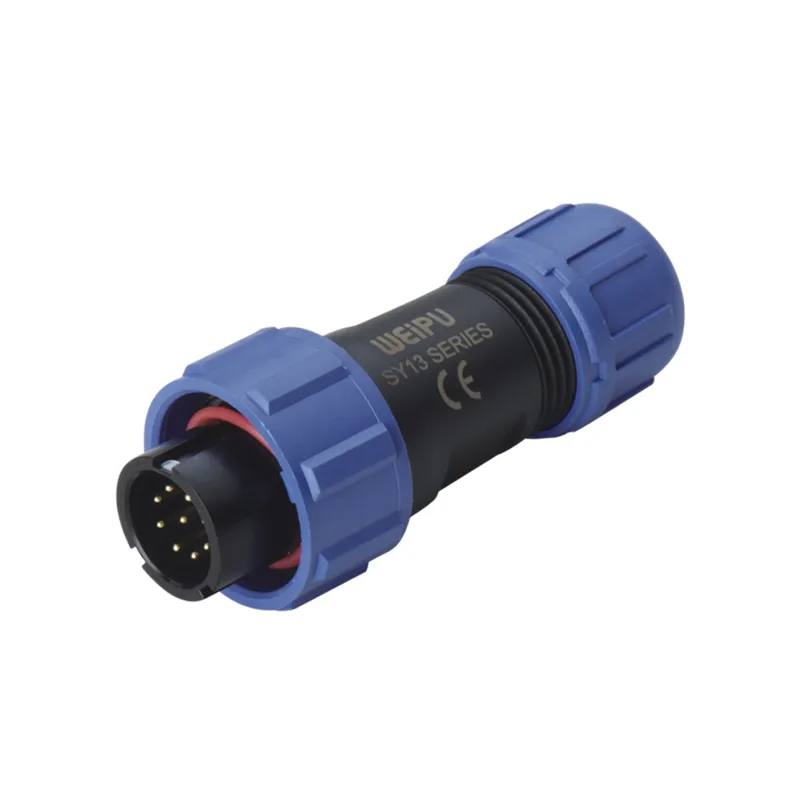
Temperature probes, door position switches, defrost heater circuits and humidity sensors generate the highest connector count in the facility. These field devices are small, they sit in wet or frosted corners, and their connections are often made by electrical fitters rather than connector specialists. IP68 sealing on the mated pair, a gland clamped on the jacket, and a locking thread that survives handling with cold-stiff gloves are the practical requirements here, matching the pattern for connecting field sensors and actuators.
Refrigeration Plant and Compressor Rooms
Compressors, condensers and control panels usually stand in a warmer plant room. The connections that cross the insulated envelope between plant room and cold store see both worlds at once. Vibration from compressors argues for threaded or lever locking rather than friction fits. Panel entries through insulated wall panels need sealed glands and, ideally, a small condensation drain on the cold side so that moisture which does enter has somewhere to go.
Freezer Aisles and Automated Vehicles
Automated guided vehicles increasingly work inside −25 °C aisles, and their battery compartments, drive cabinets and sensor masts are packed with connections. A vehicle that leaves the freezer every few hours drags every connector through a full thermal cycle and a condensation event. On-board ranges with push–pull or threaded locking and sealed unused ports are the appropriate starting point.
- Inspect battery service loops on a fixed schedule, because seal wear and capacity loss arrive together.
- Keep charging contacts and their housings dry before mating, where the process allows it.
- Prefer locking styles that can be operated with gloved hands at −25 °C without tools.
How Should Cable Entries Be Sealed in Cold Rooms?
The cable gland is a threaded fitting that seals the cable jacket to an enclosure wall, and it is the most common starting point for water ingress. A gland only works when its seal diameter matches the jacket exactly. If it compresses the conductors instead of the jacket, or the jacket creeps out of the seal during thermal cycling, moisture wicks straight into the enclosure.
- Choose a gland size matched to the actual jacket diameter, not to the nominal cable group.
- Prefer silicone seal inserts where the gland sits below −20 °C, as used in dedicated silicone and chloroprene rubber cable glands.
- Fit a drip loop below every wall entry so water running down the cable stops before the gland.
- Seal unused enclosure ports with rated caps of the same IP class as the enclosure.
- Re-torque glands after the first deep-freeze cycle, because polymer relaxation reduces clamp force.
What Does an IP68 Rating Prove, and What Does It Not?
IP68 is the highest ingress level defined in IEC 60529 for continuous immersion, with test depth and duration agreed between manufacturer and user. A common industrial basis is 1 m for 30 minutes or more. The rating applies to the mated pair and to the condition stated in the datasheet, and it assumes every unused port carries a rated cap.
What IP68 does not cover is mechanical ice load, ice bridging across a coupling face, or opening a connection at −35 °C with frost already inside the shell. Operational discipline still matters. Mate and unmate in dry conditions where the process allows, inspect seals after any suspect event, and treat the IP class as a floor rather than a promise. The differences between IP67, IP68 and IP69K are compared in more detail in the site's IP ratings guide.
Selection Matrix for Cold Storage Connectors
The matrix below matches each connection zone to its dominant threat and to the specification that answers it. Use it as a starting point for a facility walk-through, then verify every candidate against its datasheet. The same logic is expanded in the general industrial connector selection method.
| Connection Point | Dominant Threat | What to Specify |
|---|---|---|
| Temperature and humidity sensor boxes | Frost, condensation, small enclosures | IP68 mated pair, silicone seal, threaded or snap lock with defined engagement |
| Freezer wall and panel penetrations | Water tracking, thermal cycling | Jacket-matched gland with low-temperature seal insert, drip loop, rated caps |
| Dock and airlock equipment | 50 K swings, condensation then freezing | IP68 with sealed unused ports, locking thread tolerant of repeated cycling |
| Compressor room and plant panels | Vibration, warmth, oil mist | Threaded or lever locking, shielded ranges where drives and VFDs are present |
| AGV battery and drive compartments | Repeated cycles every few hours | Sealed service loops, push–pull or thread locking, scheduled seal inspection |
A Specification Checklist Before You Order
Six items decide whether a freezer connection lasts three winters or thirty months. Each is verifiable from documents rather than opinion, and none requires laboratory access at the buying stage:
- Confirm the operating temperature range covers −40 °C storage and the +25 °C dock in one duty cycle.
- Confirm the IP rating applies to the mated pair, and order rated caps for every unused port.
- Confirm the seal compound and its low-temperature limit for the specific part number.
- Confirm the gland range matches the cable jacket diameter actually purchased.
- Confirm salt-spray exposure hours where washdown and coastal air share the plant.
- Ask for the thermal cycling test basis, for example IEC 60068-2-14, when the connection crosses dock boundaries.
Evaluating WEIPU Circular Connectors for Cold Storage
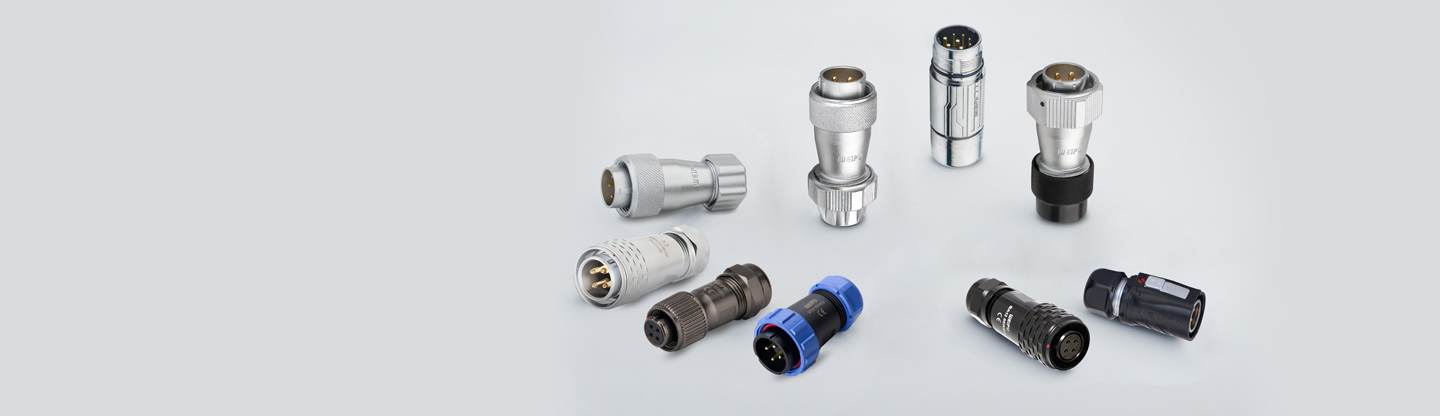
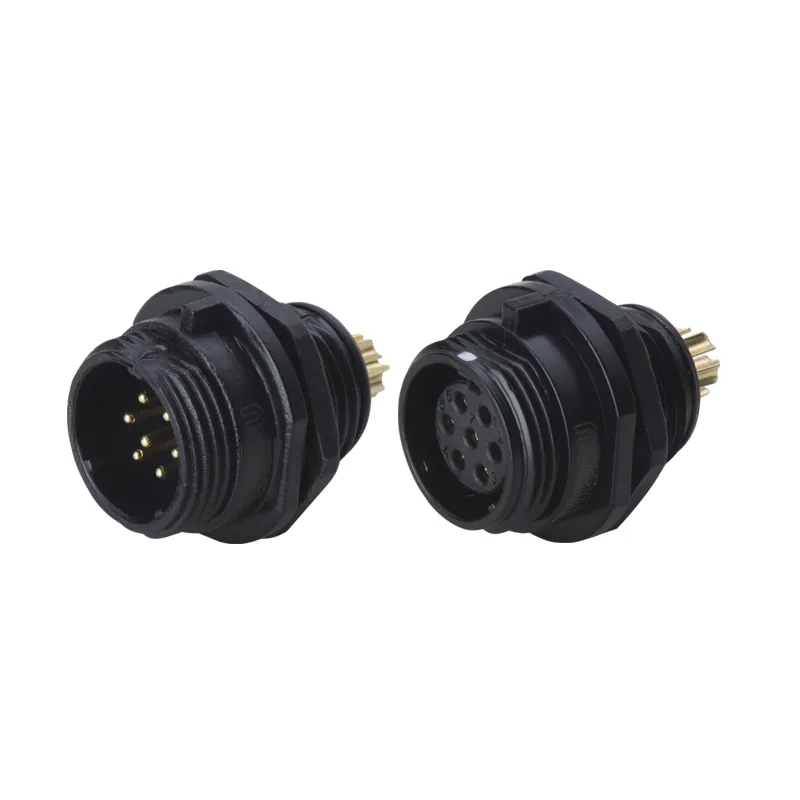
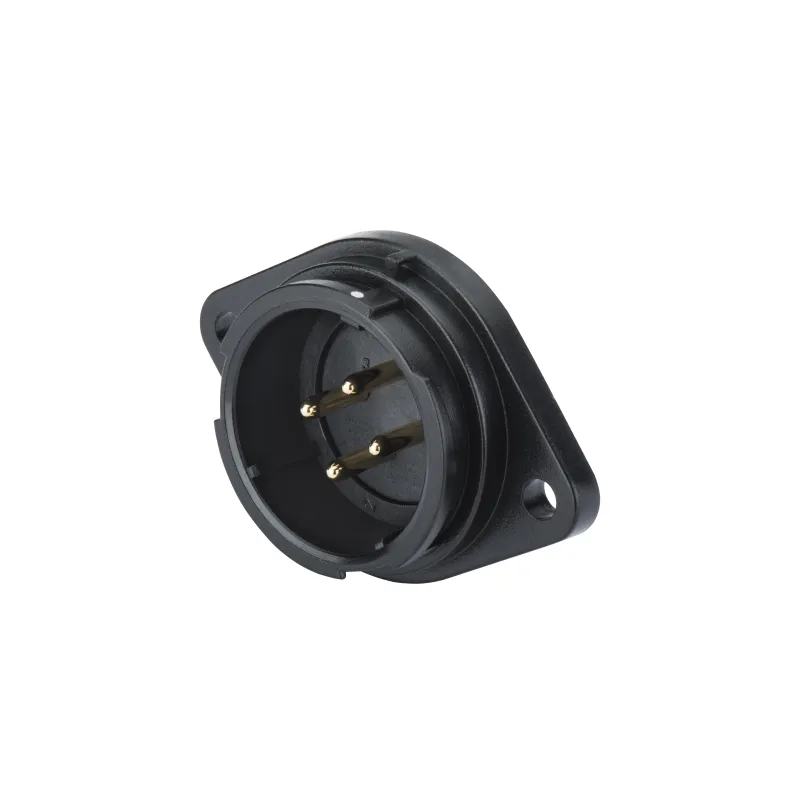
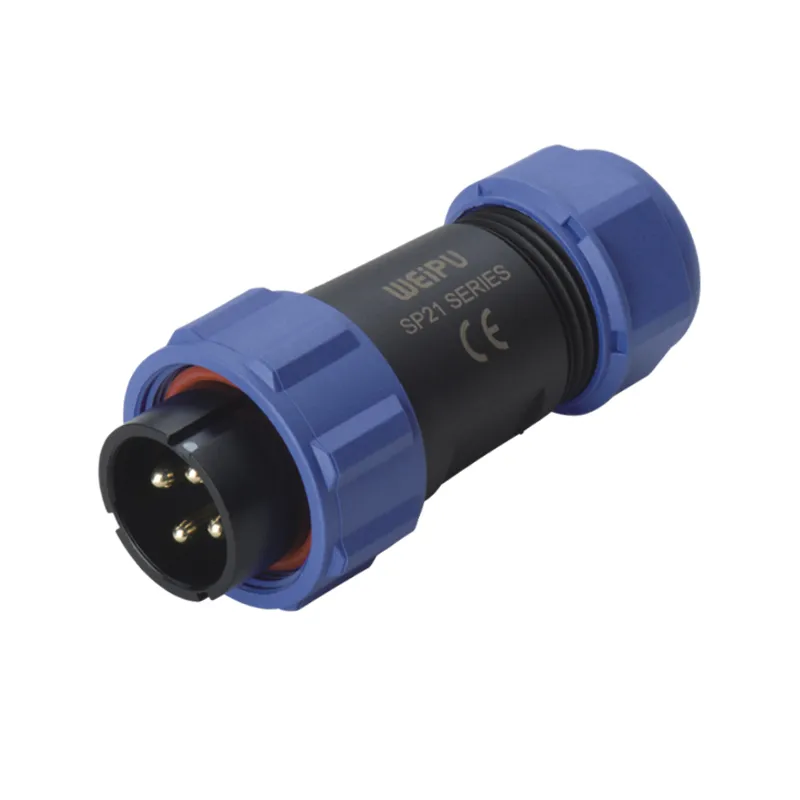
WEIPU is a circular and industrial connector manufacturer founded in 1996, and its ranges include several families that map naturally onto cold-chain duty. The SP series is a polymer, thread-locked IP68 range specified from −40 °C to +85 °C with salt-spray testing, and it is positioned for smart monitoring, IoT and outdoor equipment connections. The SP1112 rear-nut-mount receptacle is a typical starting point for sensor boxes and wall entries.
The SY series uses a snap-lock coupling in the same −40 °C to +85 °C, IP68 envelope and serves monitoring and energy storage devices where faster mating is preferred. For positions that need push–pull locking with shielding, the WK range is rated IP67 and IP68 depending on the variant. These families may be suitable for evaluation in cold storage applications, but the temperature range, sealing class and materials of the specific part number must be verified against its datasheet before specification.
Conclusion
Cold storage connectors fail for predictable reasons: seals chosen for room temperature, glands that clamp the wrong diameter, and dock-boundary connections that were never specified for cycling. A defensible selection combines an IP68 mated pair with rated caps, silicone or verified low-temperature seals, housings specified from −40 °C upward, and entries detailed with drip loops and jacket-matched glands. Work the matrix against your own facility map, verify every value in the datasheet of the exact part number, and treat the dock boundary as the most demanding position in the building, because in practice it is.
Frequently Asked Questions
Can standard IP67 connectors be used at −40 °C?
Only if the datasheet states a temperature range that includes −40 °C. The IP rating describes ingress protection, not temperature capability, and a seal that passes immersion tests at room temperature may stiffen and lose recovery in a blast freezer. Check the stated range, the seal compound and the housing material for the specific part number before installing it in deep-freeze duty.
What temperature should a freezer warehouse connector handle?
Frozen stores typically hold −18 °C to −25 °C while blast freezing tunnels run to −35 °C or −40 °C, and equipment near docks also sees swings of 50 K or more. A practical specification covers −40 °C to +85 °C so the same part works in the tunnel, the store and the loading dock. Verify the exact range in the datasheet, including any derating at the extremes.
Which seal material works best in freezers?
Silicone is the usual default because typical compounds stay flexible to about −60 °C and recover after compression. Standard EPDM is generally serviceable to around −40 °C, while NBR stiffens nearer −30 °C and suits only warmer zones. These are typical material-family values, so confirm the compound fitted to the specific connector and its low-temperature limit in the datasheet.
Why do connectors fail more often near the dock than deep in the freezer?
The dock boundary is where thermal cycling is harshest. A connector crossing from a +25 °C dock into a −25 °C store passes through a 50 K swing, condenses moisture on its surfaces, then freezes it. Repeated cycles age seals and loosen clamp forces far faster than steady cold. The most demanding position in the building is usually the airlock, not the deepest aisle.
Does an IP68 rating also protect against ice?
No. IP68 in IEC 60529 covers continuous immersion at an agreed depth and duration, typically 1 m for 30 minutes or more for industrial parts. It does not cover mechanical ice loads, ice bridging across a coupling face, or mating with frost already inside the shell. Rated caps on unused ports are part of the rating, and operational discipline still decides field reliability.
How should unused ports and spare entries be managed?
Every unused connector port and enclosure entry should carry a rated cap of the same IP class, because an open port bypasses the entire sealing concept. In cold rooms, also re-torque glands after the first deep-freeze cycle since polymer relaxation reduces clamp force, and inspect caps and seals on a fixed schedule as part of the facility's maintenance rounds.
Industry 4.0 Applications & Connectors Solutions
Industrial Connectors for AI-Powered Smart Manufacturing: Challenges and Solutions
First Article Inspection for Cable Assemblies: Drawing, Sample, Report
Chemical Resistant Connectors: Matching Housing Polymer to Detergent
Contacts
Sofia
WhatsApp/Phone
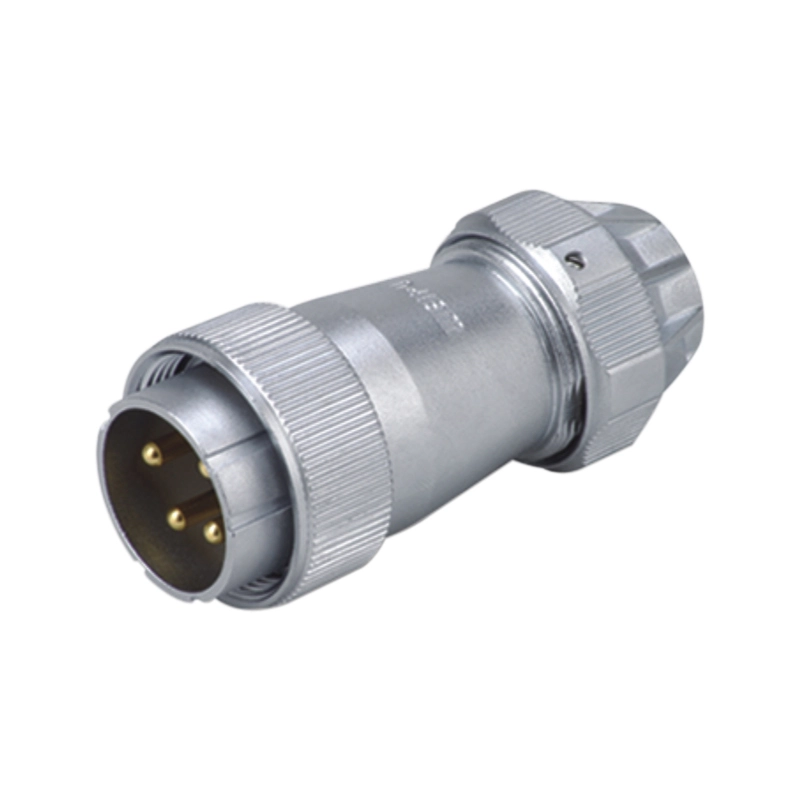
Weipu WF Series Industrial Threaded Connectors with IP67 Protection
WEIPU WF Series Industrial Threaded Connectors offer robust IP67 protection, ensuring reliable performance in harsh environments. Designed for secure, waterproof connections, these IP67 connectors are ideal for industrial applications requiring durability and stability. Trust WEIPU for quality and safety.
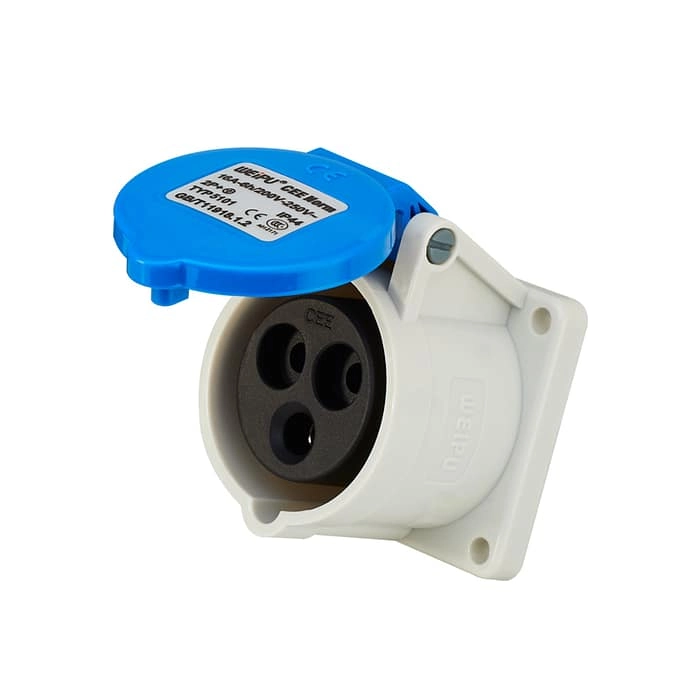
16A 3PIN Panel mount socket TYP5101-IP44
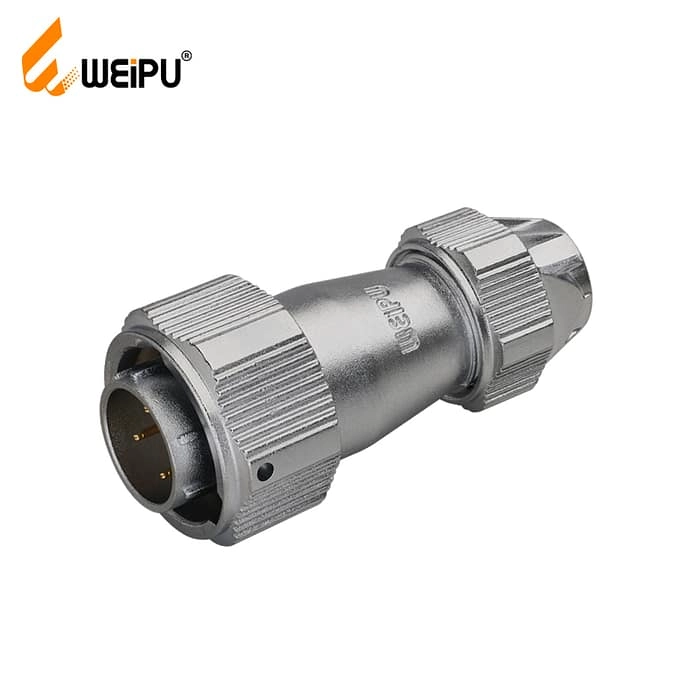
WEIPU WY-TE Series Waterproof Electrical Plug
With metal clamping-nut IP67, Threaded, Zinc alloy with chrome plating, PPS
WEIPU WY-TE IP67 circular connectors are waterproof electrical plugs with metal clamping-nut, which are durable, safe and easy to assemble with your all devices.With the metal clamping-nut and threaded design, these waterproof electrical plugs ensure high security and super stable connection. It’s an ideal waterproof connector for your applications.
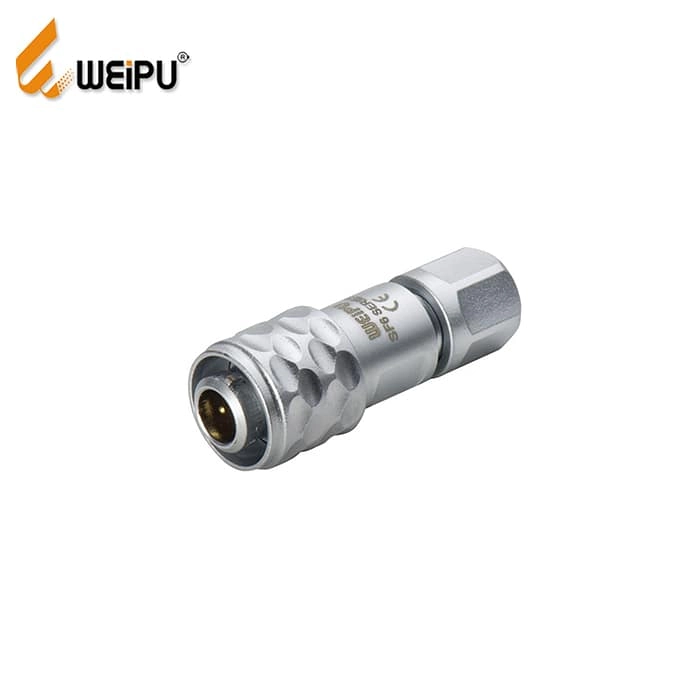
SF610B/P SF610B/S Cable connector IP67
Mate with SF611B, SF612B, SF615B
Get in Touch
Request Related Resources about Industrial Connections & Solutions
If you require technical details, product guides, or specific recommendations from a premier connector manufacturing corporation, please send us your request. We provide expert support for custom electrical connectors, offering OEM/ODM customization and dedicated distributor cooperation assistance.
Weipu Building, No. 111, Baihua Road, Liwan District, Guangzhou, Guangdong China
© 2026 WEIPU. All Rights Reserved.
Whatsapp: +8618102298073
WEIPU
WEIPU
WEIPU
WEIPU