Industrial Connector IP Ratings: How IP67, IP68 and IP69K Affect Application Selection
Follow us now:
- Industrial Connector IP Ratings: How IP67, IP68 and IP69K Affect Application Selection
- 1. What Is an IP Rating for an Industrial Connector?
- Example:
- 2. Understanding IP67, IP68 and IP69K
- 3. What Does IP67 Mean for an Industrial Connector?
- When Is IP67 Enough?
- Industrial automation
- Outdoor equipment
- Stage and event equipment
- 4. What Does IP68 Mean for an Industrial Connector?
- 5. IP67 vs IP68: Which One Should You Choose?
- Choose IP67 when:
- Consider IP68 when:
- 6. What Is IP69K and When Is It Needed?
- Typical environments include:
- 7. IP68 vs IP69K: Immersion or Washdown?
- IP68
- IP69K
- 8. IP Rating Is Only One Part of Environmental Protection
- 1. Sealing structure
- 2. Locking mechanism
- 3. Housing material
- 4. Cable compatibility
- 5. Installation quality
- 9. How Connector Materials Affect IP Performance
- 10. How IP Ratings Affect Industrial Connector Selection
- Step 1: Define the water exposure
- Step 2: Define dust and contamination
- Step 3: Define mechanical conditions
- Step 4: Define electrical requirements
- Step 5: Select the appropriate IP level
- 11. IP Ratings in Different Industrial Applications
- Industrial Automation
- Robotics and Automated Production Lines
- Machine Vision
- Industrial Ethernet
- Renewable Energy and Outdoor Equipment
- 12. WEIPU Industrial Connectors for Different IP Requirements
- WEIPU SA Series — IP67
- WEIPU SP Series — IP68
- WEIPU IP69K / Heavy-Duty Solutions
- 13. Why a Higher IP Rating Is Not Always Better
- 14. Industrial Connector IP Rating Selection Checklist
- Environmental
- Mechanical
- Electrical
- Installation
- Product
- Conclusion
- FAQ
Industrial Connector IP Ratings: How IP67, IP68 and IP69K Affect Application Selection
Industrial connectors rarely operate in perfectly controlled environments.
On a factory floor, a connector may be exposed to dust, water spray, oil, vibration, cleaning processes, temperature changes, or even temporary immersion. In outdoor equipment, rain and moisture may become continuous environmental factors. In heavy-duty machinery, high-pressure and high-temperature washdown can place completely different demands on the connection.
This is why industrial connector IP ratings matter.
However, choosing a connector simply because it has a higher IP number is not always the right approach.
An IP67 connector and an IP68 connector are designed for different water-exposure conditions. An IP69K-rated solution addresses another type of environmental challenge altogether. The correct choice depends on how the connector will actually be exposed to water, dust, pressure, cleaning, and other environmental conditions.
This article explains how IP ratings work and how engineers can use them to select the right industrial connector for real-world applications.
1. What Is an IP Rating for an Industrial Connector?
An IP rating, or Ingress Protection rating, describes the degree of protection provided by an enclosure against the ingress of solids and water.
The IP code generally consists of two digits:
- The first digit describes protection against solid foreign objects and access to hazardous parts.
- The second digit describes protection against water.
For industrial connectors, the first digit is often 6, meaning the connector is dust-tight, while the second digit indicates the level and type of water protection.
The IP code is defined under IEC 60529 for enclosures. The current consolidated IEC 60529 edition incorporates amendments through 2013.
Example:
IP67
- 6 = dust-tight
- 7 = protected against temporary immersion under the specified test conditions
IP68
- 6 = dust-tight
- 8 = protected against continuous immersion under conditions specified for the product/application
This distinction is important because IP68 does not simply mean “IP67 but better.”
The test conditions and intended environmental exposure are different.
2. Understanding IP67, IP68 and IP69K
For industrial connector selection, IP67, IP68 and IP69K are among the most commonly discussed protection levels.
But each addresses a different environmental requirement.
| IP Rating | Main Protection | Typical Environmental Condition | Typical Application |
|---|---|---|---|
| IP65 | Dust + water jets | Rain, spray, general outdoor exposure | Control equipment |
| IP66 | Dust + powerful water jets | Heavy rain, stronger spray | Outdoor machinery |
| IP67 | Dust + temporary immersion | Rain, splash, accidental immersion | Automation, outdoor equipment |
| IP68 | Dust + continuous immersion | Long-term or deeper immersion | Outdoor, underwater-related equipment |
| IP69/IP69K | High-pressure/high-temperature water exposure | Intensive washdown | Heavy industry, automotive, food-related equipment |
The exact test conditions and product ratings should always be checked against the manufacturer's technical documentation rather than assuming that all products with the same IP code have identical operating limits.
3. What Does IP67 Mean for an Industrial Connector?
An IP67 industrial connector is dust-tight and designed to withstand temporary immersion in water under the specified test conditions.
For many industrial systems, this provides an effective balance between environmental protection, installation flexibility, and cost.
IP67 is particularly useful when equipment may experience:
- rain
- water splash
- condensation
- occasional flooding
- temporary immersion
- dust
- outdoor installation
- factory-floor contamination
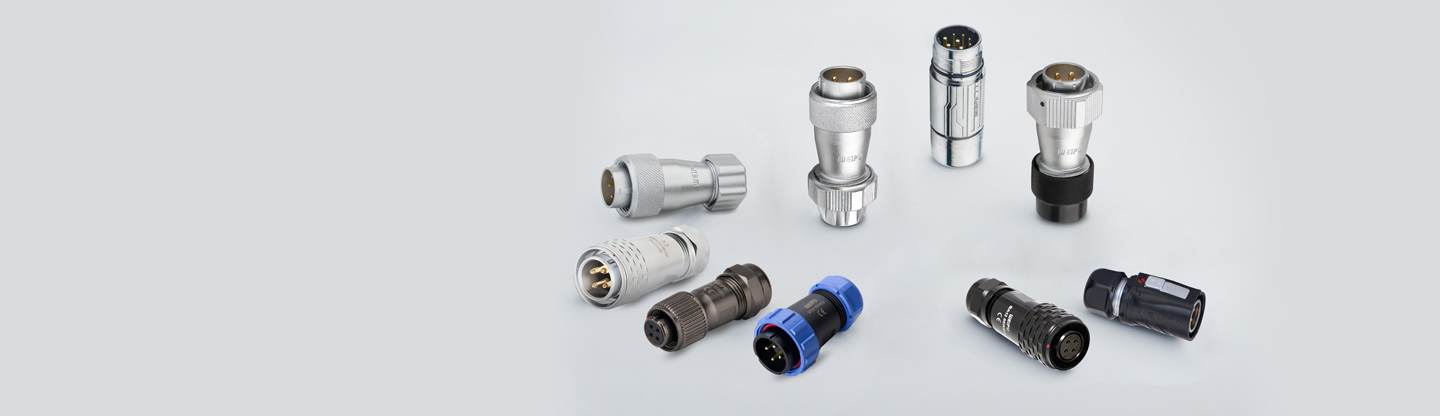
WEIPU's SA Series, for example, uses an IP67-rated sealed construction and push-pull coupling. The series uses an anodized aluminum shell, PPS insulation, and gold-plated brass contacts, with specific models rated for 500 mating cycles.
The SA Series can be particularly relevant where equipment requires fast mating, rugged construction, and IP67 environmental protection.
When Is IP67 Enough?
IP67 is often sufficient when water exposure is temporary rather than continuous.
For example:
Industrial automation
Robots, sensors, actuators, and control equipment may be exposed to:
- coolant splash
- cleaning water
- humidity
- dust
- accidental water exposure
Outdoor equipment
Outdoor control systems and electrical equipment may experience:
- rain
- temporary flooding
- dust
- temperature fluctuations
Stage and event equipment
Connectors used outdoors may need protection against:
- rain
- moisture
- dust
- repeated installation and removal
In these applications, IP67 can provide the environmental protection required without unnecessarily specifying a higher rating.
4. What Does IP68 Mean for an Industrial Connector?
An IP68 industrial connector is designed for continuous immersion under conditions specified for the particular product.
This is an important difference from IP67.
IP68 does not define one universal immersion depth or duration for every product. The actual conditions must be specified by the manufacturer or applicable product documentation.
This means engineers should not simply assume:
“IP68 means the connector can work underwater at any depth.”
Instead, the selection process should consider:
- immersion depth
- immersion duration
- water temperature
- installation configuration
- cable diameter
- mating condition
- sealing structure
- applicable test requirements
WEIPU's SP Series includes IP68 waterproof circular connector options with threaded coupling. The SP11, for example, is specified as an IP68 waterproof connector with threaded coupling.
This makes the SP Series a relevant solution when an application requires higher immersion protection and a secure threaded connection.
5. IP67 vs IP68: Which One Should You Choose?
The key question is not:
Which rating is higher?
The better question is:
- What type of water exposure will the connector actually experience?
Choose IP67 when:
- exposure is mainly rain or splash
- temporary immersion is possible
- the equipment is installed outdoors
- the connector is exposed to normal factory-floor moisture
- continuous immersion is not expected
Consider IP68 when:
- the equipment may remain submerged
- long-duration immersion is expected
- the application has defined immersion requirements
- additional environmental protection is needed
Therefore:
IP68 is not automatically the better choice for every application.
A connector should be selected according to the actual environmental requirement.
This principle is especially important for cost-sensitive industrial equipment where specifying unnecessary protection may increase cost without improving actual system performance.
6. What Is IP69K and When Is It Needed?
IP69K is commonly used in industrial connector specifications to describe protection against high-pressure, high-temperature water-jet exposure.
This is fundamentally different from immersion.
A connector can be designed for immersion without necessarily being intended for repeated high-pressure washdown.
The “K” designation has a specific standards history. ISO 20653 covers IP codes for road-vehicle electrical equipment and includes special K requirements that are not covered by IEC 60529. ISO notes that the K codes describe special requirements for road vehicles.
Meanwhile, the current consolidated IEC 60529 framework includes high-pressure water protection through the IPX9 level.
For practical industrial communication, manufacturers may still use the term IP69K when describing products designed for demanding washdown environments.
Typical environments include:
- heavy machinery
- automotive manufacturing
- food-processing equipment
- industrial washing systems
- mining equipment
- metallurgy
- agricultural machinery
- equipment exposed to intensive cleaning
The critical point is:
- IP69K is about high-pressure, high-temperature water exposure—not simply deeper immersion.
7. IP68 vs IP69K: Immersion or Washdown?
This is one of the most important distinctions when selecting a waterproof industrial connector.
IP68
The primary concern is:
Can the connector remain protected during immersion?
IP69K
The primary concern is:
Can the connector withstand aggressive high-pressure and high-temperature water-jet exposure?
Therefore, an application involving underwater operation may prioritize IP68.
An application involving frequent high-pressure cleaning may prioritize IP69K.
The two requirements should not be treated as interchangeable.
8. IP Rating Is Only One Part of Environmental Protection
This is where industrial connector selection becomes more important than simply comparing numbers.
A connector's IP rating does not tell the entire reliability story.
Environmental performance also depends on:
1. Sealing structure
The connector must maintain an effective seal at:
- mating interfaces
- cable entry points
- panel interfaces
- backshells
- O-rings and gaskets
2. Locking mechanism
A connector that is frequently exposed to vibration or movement needs a locking mechanism capable of maintaining the connection.
3. Housing material
Different materials behave differently under:
- moisture
- temperature changes
- mechanical impact
- corrosion
- chemical exposure
4. Cable compatibility
The cable diameter must match the connector's sealing and clamping structure.
An IP-rated connector cannot compensate for an improperly matched cable or incorrectly installed sealing component.
5. Installation quality
Even a connector designed for IP68 or IP69K can fail to provide the expected protection if:
- the connector is not fully mated
- seals are damaged
- cable glands are incorrectly installed
- O-rings are missing
- the wrong cable diameter is used
- the connector is mechanically damaged
This is why IP rating should be considered as part of the complete connection system, not as an isolated specification.
9. How Connector Materials Affect IP Performance
The housing and sealing materials used in an industrial connector influence its long-term environmental performance.
For example, WEIPU's product portfolio uses different construction approaches for different applications.
The SA Series uses an anodized aluminum housing with IP67 protection, while SP Series products include plastic-shell configurations with threaded coupling and IP68 protection.
This illustrates an important engineering principle:
- IP performance is the result of connector construction, sealing, materials, and mating design working together.
It should not be treated as a standalone feature.
10. How IP Ratings Affect Industrial Connector Selection
A better way to select an industrial connector is to start with the environmental exposure rather than the connector model.
Use the following process.
Step 1: Define the water exposure
Ask:
- Is there rain?
- Is there water spray?
- Is temporary immersion possible?
- Will the connector remain underwater?
- Will the equipment be pressure-washed?
- Is high-temperature cleaning involved?
Step 2: Define dust and contamination
Determine whether the connector will be exposed to:
- fine dust
- metal particles
- dirt
- oil
- industrial debris
- outdoor contamination
For many harsh industrial applications, a dust-tight first digit of 6 is an important baseline.
Step 3: Define mechanical conditions
Environmental sealing alone is not enough.
Consider:
- vibration
- shock
- cable movement
- mating frequency
- installation space
- locking mechanism
- cable strain
【Internal Link → K03: Industrial Connector Locking Mechanisms Explained】
Step 4: Define electrical requirements
The connector must also meet:
- current
- voltage
- pin count
- signal type
- data requirements
- contact configuration
This connects directly to the broader connector classification system established in K01.
【Internal Link → K01: Industrial Connector Types: Power, Signal, Data and Hybrid Connectors Explained】
Step 5: Select the appropriate IP level
A simplified decision path is:
Rain / Dust / Splash
→ Consider IP65/IP66/IP67
Temporary Immersion
→ Consider IP67
Continuous or defined immersion
→ Consider IP68
High-pressure / high-temperature washdown
→ Consider IP69/IP69K, according to the applicable standard and product specification
11. IP Ratings in Different Industrial Applications
The correct IP rating depends heavily on the application.
Industrial Automation
Automation equipment often combines:
- sensors
- actuators
- PLCs
- motors
- industrial Ethernet
- control cabinets
- Connectors may encounter dust, coolant, water spray and vibration.
For many factory-floor applications, IP67 can provide an appropriate level of environmental protection.
Robotics and Automated Production Lines
Robotic systems introduce additional mechanical challenges.
Connectors may experience:
- continuous movement
- vibration
- repeated mating
- cable bending
- dust
- coolant
- occasional water exposure
Therefore, IP protection should be evaluated together with locking mechanism and mechanical reliability.
Machine Vision
Machine vision systems often operate close to:
- production machinery
- cooling systems
- cleaning processes
- moving equipment
Connectors must maintain reliable signal and environmental protection.
Industrial Ethernet
Network connections may be exposed to:
- factory dust
- moisture
- vibration
- temperature changes
- electrical noise
Here, environmental protection should be evaluated together with connector construction and signal requirements.
Renewable Energy and Outdoor Equipment
Outdoor energy equipment can experience:
- rain
- condensation
- dust
- UV exposure
- temperature cycling
- temporary water exposure
In these applications, the IP rating should be selected according to the actual installation environment rather than simply choosing the highest available rating.
12. WEIPU Industrial Connectors for Different IP Requirements
WEIPU's connector portfolio includes different protection levels and mechanical configurations for different industrial environments.
WEIPU SA Series — IP67
The SA Series uses a push-pull coupling mechanism and anodized aluminum housing. Its IP67-rated construction makes it suitable for industrial applications requiring fast mating together with environmental protection.
Recommended for:
- industrial automation
- outdoor equipment
- sensors
- medical equipment
- compact industrial systems
WEIPU SP Series — IP68
The SP Series uses threaded coupling and includes IP68-rated waterproof configurations. This makes it relevant for applications requiring stronger protection against water ingress and defined immersion conditions.
Recommended for:
- outdoor equipment
- harsh manufacturing
- waterproof equipment
- applications requiring immersion protection
WEIPU IP69K / Heavy-Duty Solutions
For equipment exposed to intensive washdown and harsh industrial environments, WEIPU also offers IP69K-oriented heavy-duty solutions.
These applications may include:
- heavy machinery
- metallurgy
- mining
- port equipment
- demanding industrial environments
WEIPU specifically positions its heavy-duty IP69K solutions for environments involving high-pressure, high-temperature cleaning.
13. Why a Higher IP Rating Is Not Always Better
It is tempting to assume:
IP69K > IP68 > IP67
therefore:
IP69K must always be the best choice.
This is not how connector selection should work.
A higher environmental rating may involve:
- more complex sealing
- different housing construction
- different locking requirements
- higher cost
- different installation requirements
If an industrial connector is installed inside a protected control cabinet, specifying an extreme waterproof rating may provide little additional value.
On the other hand, using an IP67 connector in an application that experiences continuous immersion or aggressive washdown may create unnecessary reliability risks.
Therefore:
- The best industrial connector is not the one with the highest IP rating. It is the one whose environmental protection matches the actual operating conditions.
14. Industrial Connector IP Rating Selection Checklist
Before selecting an IP-rated industrial connector, engineers should answer the following questions:
Environmental
- Will the connector be exposed to dust?
- Will it experience rain or water spray?
- Is temporary immersion possible?
- Is continuous immersion required?
- Will the connector be pressure-washed?
- Is high-temperature water involved?
Mechanical
- Will the connector experience vibration?
- How frequently will it be mated and unmated?
- Is there cable movement?
- What locking mechanism is required?
Electrical
- What current and voltage are required?
- How many contacts are needed?
- Is the connection carrying power, signal, data, or a combination?
Installation
- What is the cable diameter?
- Is the connector fully mated during operation?
- Is the panel interface properly sealed?
- Are the correct sealing components being used?
Product
- Is the IP rating supported by the manufacturer's documentation?
- What test standard applies?
- What are the operating temperature limits?
- What materials are used?
- What is the expected mating life?
Conclusion
Industrial connector IP ratings are not simply numbers on a datasheet. They are engineering indicators that help define how a connection can perform in its intended environment.
IP67 is often appropriate for dust, rain, splash, and temporary immersion.
IP68 is intended for applications requiring continuous immersion under specified conditions.
IP69K-oriented solutions address a different challenge: aggressive high-pressure and high-temperature water exposure.
But IP rating should never be evaluated in isolation.
A reliable industrial connector must combine:
Environmental Protection + Mechanical Reliability + Electrical Performance + Correct Installation
This is why connector selection should begin with the actual operating environment and then work backward toward the appropriate connector construction, sealing system, locking mechanism, materials, and electrical configuration.
For engineers designing automation systems, robotics, machine vision equipment, outdoor equipment, and other harsh-environment applications, understanding IP ratings is therefore an important part of selecting the right industrial connector.
The right IP rating is not the highest rating. It is the rating that matches the real environment.
FAQ
Is IP67 enough for an industrial connector?
IP67 can be suitable for many industrial applications involving dust, rain, water spray, and temporary immersion. However, the correct rating depends on the actual environmental conditions.
Is IP68 better than IP67?
Not necessarily. IP68 addresses continuous immersion under specified conditions, while IP67 addresses temporary immersion under its specified test conditions. The appropriate rating depends on the application.
Does IP68 mean a connector can stay underwater forever?
No. IP68 does not define one universal immersion depth or duration. The actual conditions must be specified by the manufacturer or applicable product documentation.
Does IP rating affect connector reliability?
Yes, environmental ingress can contribute to corrosion, contamination, insulation problems, and intermittent electrical faults. However, overall connector reliability also depends on materials, contacts, locking mechanisms, sealing design, and installation quality.

Comparing Heavy Duty Connector Inserts: Screw vs. Crimp vs. Cage Clamp

Locking Lever Types for Rectangular Connector Housings: Single vs. Double
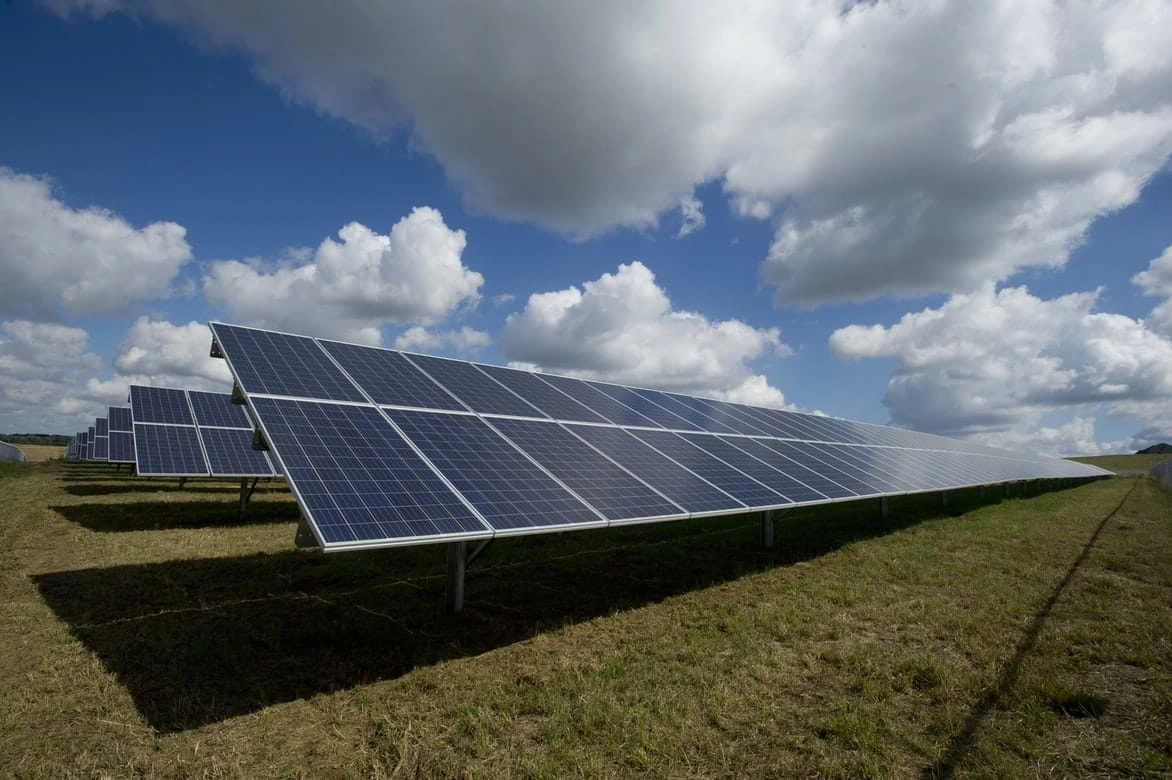
Connectivity Solutions for Solar Tracking Systems
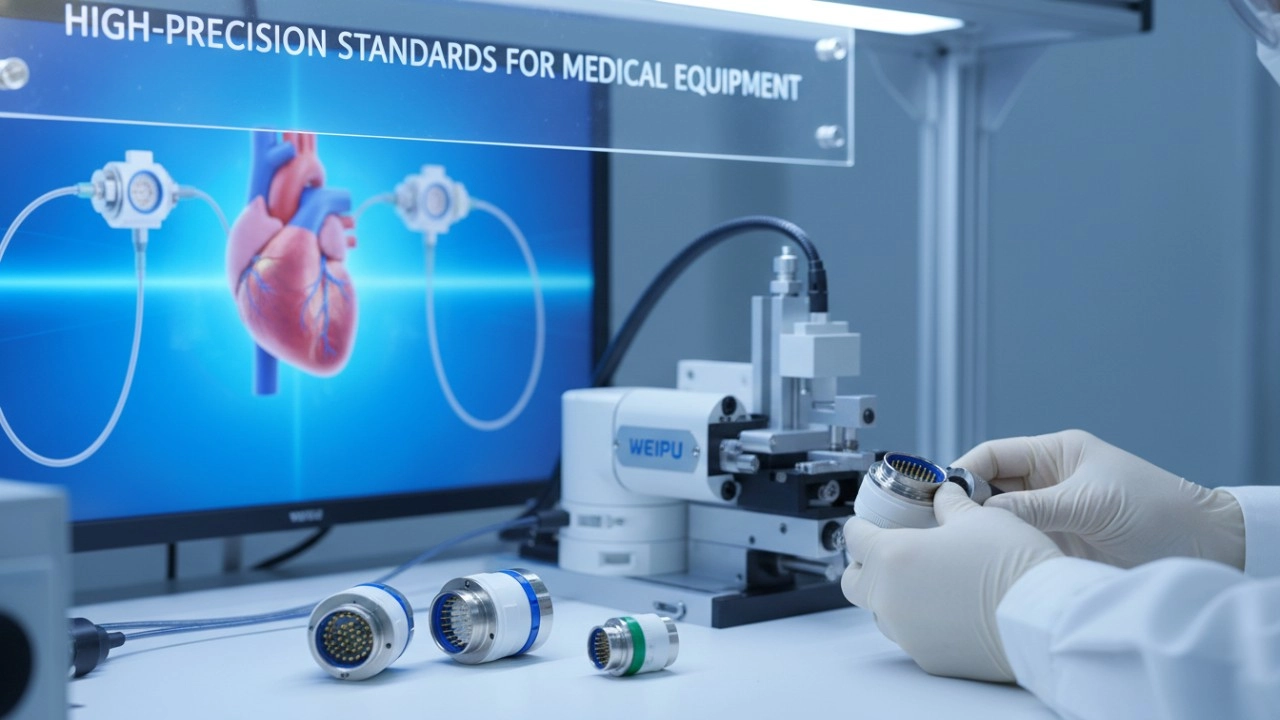
How Circular Connector Manufacturers Meet High-Precision Standards for Medical Equipment in 2026
Contacts
Sofia
WhatsApp/Phone
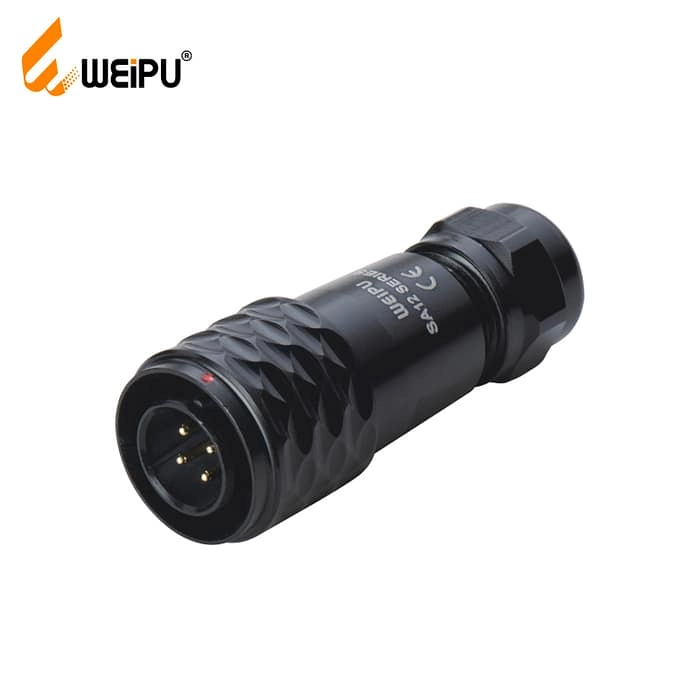
WEIPU SA1210P/S In-line Cable Connector
Weipu’s SA series connectors are meticulously crafted for demanding industrial applications. From marine to medical and automation industries, these connectors excel with their robust aluminum alloy construction and IP67 waterproof rating. With Weipu SA series connectors, you can count on reliable performance and seamless connectivity, ensuring uninterrupted operations in harsh environments.IP67, Mate with SA1211, SA1212, SA1213, SA1215

WEIPU SP1710P/S Cable connector IP68
Mate with SP1711, SP1712

HA6B-PT-2B standard electrical connection components for Industry 4.0
Heavy duty connector housings are made of cast aluminum or flame retardant thermoplastic materials and are powder coated to withstand impact and mechanical pressure.
SEALANT gasket between housing.
The fire rating is V-0, which the product is for IP65.
All kind of the cable joints and different shell forms are for different installation, provide a variety of different solutions.

SP2512 Connector Size and Pin Configuration Schematic
WEIPU SP2512 IP68 waterproof circular connector features stable connection & strong environmental resistance, widely applied in outdoor automation, machinery and harsh industrial wiring scenarios.
Get in Touch
Request Related Resources about Industrial Connections & Solutions
If you require technical details, product guides, or specific recommendations from a premier connector manufacturing corporation, please send us your request. We provide expert support for custom electrical connectors, offering OEM/ODM customization and dedicated distributor cooperation assistance.
Weipu Building, No. 111, Baihua Road, Liwan District, Guangzhou, Guangdong China
© 2026 WEIPU. All Rights Reserved.
Whatsapp: +8618102298073
WEIPU
WEIPU
WEIPU
WEIPU