

What Makes an Industrial Connector Reliable? Key Factors Engineers Should Consider
Follow us now:
- 1. What Does Industrial Connector Reliability Actually Mean?
- 2. The Six Factors That Determine Industrial Connector Reliability
- 3. Electrical Stability: Can the Connector Maintain a Stable Electrical Connection?
- Contact Resistance
- 4. Contact Stability Is Critical to Long-Term Reliability
- 5. Mechanical Stability: Can the Connection Stay Secure?
- 6. Vibration and Mechanical Stress
- Robotics
- Motors
- Production machinery
- Mobile equipment
- 7. Environmental Protection: Can the Connector Survive Its Environment?
- 8. Materials Affect Reliability Over the Entire Service Life
- 9. Sealing and Cable Entry Are Part of Connector Reliability
- 10. Temperature and Thermal Reliability
- 11. Signal and Data Reliability
- 12. Reliability Depends on the Application
- 13. Connector Reliability Is a System-Level Property
- 14. How to Evaluate Industrial Connector Reliability
- Step 1: Define the electrical requirements
- Step 2: Define the mechanical environment
- Step 3: Define the environmental conditions
- Step 4: Evaluate the connector construction
- Step 5: Consider the service life
- 15. How Connector Reliability Affects Total Cost of Ownership
- 16. WEIPU Industrial Connector Solutions
- SA Series — Push-Pull Industrial Connectivity
- SF Series — Push-Pull Industrial Connectivity
- SP Series — Threaded Industrial Connectivity
- Heavy-Duty Connectors
- 17. Industrial Connector Reliability Checklist
- 18. Common Mistakes When Evaluating Connector Reliability
- Mistake 1: Choosing Only by IP Rating
- Mistake 2: Choosing Only by Current Rating
- Mistake 3: Choosing Only by Locking Mechanism
- Mistake 4: Choosing Only by Material
- Mistake 5: Ignoring the Complete System
- 19. Reliability Starts With Application Fit
- Conclusion
- FAQ
Industrial connectors are often treated as relatively small components in a larger machine.
But when a connector fails, the consequences can be much larger than the component itself.
A poor connection can cause intermittent signals, voltage drops, overheating, communication errors, equipment shutdowns, maintenance problems, and unexpected production downtime.
- So what makes an industrial connector reliable?
The answer is not simply a high IP rating, a strong housing, or a particular locking mechanism.
Industrial connector reliability is the result of electrical, mechanical, environmental, material, and application factors working together over the connector's service life.
This article examines the key factors engineers should consider when evaluating the reliability of industrial connectors and explains how these factors connect to real-world applications such as automation, robotics, machine vision, industrial communication, energy systems, and heavy machinery.
1. What Does Industrial Connector Reliability Actually Mean?
Industrial connector reliability is the ability of a connector to maintain the required electrical and mechanical connection under its intended operating conditions for the expected service life.
This definition is important because reliability is not the same as simply:
- high current capacity
- high IP rating
- strong housing
- low price
- large connector size
- high mating-cycle specification
A connector may perform very well in one environment and poorly in another.
For example:
A connector used inside a protected control cabinet may have very different requirements from one installed directly on a moving robot.
Similarly, a connector carrying a high current load has different reliability priorities from a connector transmitting sensitive industrial data.
This is why connector reliability should always be evaluated in relation to the application.
2. The Six Factors That Determine Industrial Connector Reliability
A useful way to evaluate an industrial connector is to look at six major dimensions:
- Electrical stability
- Mechanical stability
- Environmental protection
- Material durability
- Connection integrity
- Application and lifecycle fit
These factors are interconnected.
For example, vibration can affect mechanical locking, which can affect contact stability, which can increase contact resistance and eventually cause electrical problems.
Therefore, connector reliability should be evaluated as a system rather than a single specification.
3. Electrical Stability: Can the Connector Maintain a Stable Electrical Connection?
The first requirement of any connector is simple:
It must reliably conduct the required power or signal.
However, electrical reliability involves more than current and voltage ratings.
Engineers should consider:
- contact resistance
- current rating
- voltage rating
- temperature rise
- contact pressure
- contact material
- plating
- insulation
- conductor compatibility
Contact Resistance
Contact resistance is particularly important because electrical resistance generates heat.
The relationship can be expressed as:
P = I²R
Where:
- P = power dissipated as heat
- I = current
- R = resistance
As current increases, even a relatively small increase in resistance can have a significant effect on heat generation.
This is why high-current applications require more than simply choosing a connector with a sufficient current rating.
The complete connection system—including contact design, cable size, termination, temperature, and installation conditions—needs to be evaluated.
4. Contact Stability Is Critical to Long-Term Reliability
A connector may initially show excellent electrical performance.
- The more important question is:
Can it maintain that performance after repeated mating, vibration, temperature changes, and environmental exposure?
The contact interface must maintain sufficient and stable contact pressure throughout its intended service life.
Factors that can influence contact stability include:
- contact geometry
- contact material
- plating
- mating force
- mechanical movement
- vibration
- contamination
- mating cycles
For example, WEIPU SA Series connectors use brass contacts with gold plating and are specified for 500 mating cycles on standard configurations. Exact performance depends on the selected model and application conditions.
The important engineering principle is:
Electrical reliability must be maintained over time, not just measured at the beginning of the product lifecycle.
5. Mechanical Stability: Can the Connection Stay Secure?
Electrical contacts cannot perform reliably if the connector itself moves excessively.
Industrial equipment can generate:
- vibration
- shock
- acceleration
- cable movement
- repeated mechanical loading
- equipment movement
This makes the connector's mechanical structure an important part of reliability.
The locking mechanism must match the application.
Common approaches include:
- threaded locking
- push-pull locking
- bayonet locking
- lever locking
- latching systems
Each has different advantages depending on:
- vibration
- mating frequency
- installation space
- maintenance requirements
- mechanical loading
The key point is:
A reliable connector is not simply one that locks strongly. It is one whose locking mechanism remains appropriate throughout the application's operating conditions.
6. Vibration and Mechanical Stress
Vibration is one of the most important reliability challenges in industrial equipment.
Consider:
Robotics
The connector may move continuously with the robot.
Motors
Continuous rotation generates mechanical vibration.
Production machinery
Acceleration and deceleration can introduce repeated mechanical stress.
Mobile equipment
Connectors may experience shock, vibration, and cable movement simultaneously.
Over time, mechanical stress can affect:
- contact stability
- locking components
- cable termination
- housing integrity
- seals
- strain relief
Therefore, vibration resistance should not be evaluated by the locking mechanism alone.
The entire connection system matters.
7. Environmental Protection: Can the Connector Survive Its Environment?
The industrial environment can be very different from a laboratory.
Connectors may encounter:
- water
- dust
- oil
- chemicals
- humidity
- temperature fluctuations
- cleaning processes
- outdoor exposure
This is where environmental protection becomes part of connector reliability.
The IP rating provides an important reference point, but it should not be treated as the complete definition of reliability.
For example:
- IP67 addresses dust-tight protection and temporary immersion under specified conditions.
- IP68 addresses continuous immersion under specified conditions.
- IP69K-oriented solutions address demanding high-pressure, high-temperature water exposure in applicable standards and product specifications.
The key principle is:
The connector's environmental protection must match the actual environment—not simply the highest available IP rating.
8. Materials Affect Reliability Over the Entire Service Life
Connector materials influence several aspects of performance:
- mechanical strength
- electrical conductivity
- corrosion resistance
- temperature stability
- insulation
- sealing
- wear resistance
Typical connector assemblies include different materials for:
- housing
- contacts
- plating
- insulator
- seals
- cable clamping components
For example, WEIPU's SA Series uses an anodized aluminum shell, PPS insert, and brass contacts with gold plating.
The important point is not that one material is universally better.
Instead:
The material combination must match the application environment and expected service life.
That distinction is important for topical architecture.
9. Sealing and Cable Entry Are Part of Connector Reliability
One often-overlooked reliability factor is the transition between the connector and the cable.
A connector may have an excellent IP rating, but the complete installation still depends on:
- cable diameter
- cable gland or clamping system
- sealing components
- cable jacket
- strain relief
- mating condition
- installation quality
If the cable is incorrectly sized or the sealing system is improperly assembled, environmental protection can be compromised.
This is particularly important in:
- outdoor equipment
- robotics
- mobile machinery
- industrial automation
- washdown environments
Therefore:
Connector reliability depends on the complete connection interface, not just the connector body.
10. Temperature and Thermal Reliability
Temperature can affect both electrical and mechanical performance.
Industrial connectors may operate near:
- motors
- drives
- power supplies
- heaters
- battery systems
- industrial control equipment
Higher temperatures can affect:
- contact resistance
- insulation properties
- seal elasticity
- housing dimensions
- material aging
- current-carrying capability
At the same time, electrical current generates heat inside the connector.
This creates a relationship between:
Current → Resistance → Heat → Temperature → Material Performance
This is especially important in high-current applications.
Therefore, engineers should evaluate:
- operating current
- ambient temperature
- temperature rise
- cable size
- contact resistance
- duty cycle
- ventilation
- installation configuration
rather than considering current rating alone.
11. Signal and Data Reliability
Not every connector carries large amounts of electrical power.
Modern industrial systems also depend on connectors for:
- sensor signals
- control signals
- industrial Ethernet
- machine vision
- data communication
- remote I/O
In these applications, reliability means maintaining the required signal characteristics while the equipment is operating.
Potential concerns include:
- contact stability
- signal integrity
- shielding
- grounding
- electromagnetic interference
- vibration
- environmental exposure
This is especially important because an intermittent physical connection can look like a network or software problem.
12. Reliability Depends on the Application
There is no single connector specification that defines reliability for every application.
Consider the following:
Application Main Reliability Priorities Industrial automation IP protection, locking, vibration, service life Robotics Mechanical stability, cable movement, mating cycles Machine vision Signal integrity, shielding, environmental protection PLC & control systems Contact stability, electrical performance, maintenance Industrial Ethernet Signal integrity, shielding, IP protection, mechanical stability Energy storage Current, heat, insulation, environmental protection Heavy machinery Mechanical strength, locking, shock, environmental protection Outdoor equipment IP protection, corrosion, temperature, UV/environmental exposure This is why engineers should avoid asking:
Which industrial connector is the most reliable?
The better question is:
Which connector is reliable for my specific operating conditions?
13. Connector Reliability Is a System-Level Property
One of the most important concepts in connector engineering is that the connector cannot be separated completely from the system around it.
A connection includes:
Connector + Cable + Termination + Equipment + Environment + Installation
A high-quality connector cannot fully compensate for:
- an undersized cable
- poor termination
- incorrect mating
- damaged seals
- excessive cable bending
- improper installation
- unsuitable operating conditions
Therefore, reliability should be evaluated at the connection-system level.
This is particularly important when designing automated equipment where a single connection failure can stop an entire production process.
14. How to Evaluate Industrial Connector Reliability
Engineers evaluating a connector should move beyond the product headline specifications.
A practical evaluation framework is:
Step 1: Define the electrical requirements
Determine:
- current
- voltage
- signal/data requirements
- contact configuration
- cable size
Step 2: Define the mechanical environment
Consider:
- vibration
- shock
- movement
- cable bending
- mating frequency
- installation space
Step 3: Define the environmental conditions
Evaluate:
- dust
- water
- oil
- chemicals
- temperature
- outdoor exposure
- cleaning procedures
Step 4: Evaluate the connector construction
Check:
- housing material
- contact material
- plating
- insulation
- sealing
- locking mechanism
- strain relief
Step 5: Consider the service life
Ask:
- How frequently will the connector be mated?
- How long will the equipment operate?
- How difficult is maintenance?
- What happens if the connector fails?
- Is replacement easy?
- Is the connector expected to remain available throughout the equipment lifecycle?
This final step is often overlooked.
But reliability is ultimately about performance over time.
15. How Connector Reliability Affects Total Cost of Ownership
The lowest connector purchase price does not necessarily produce the lowest system cost.
A connector that fails prematurely may create:
- equipment downtime
- maintenance labor
- replacement costs
- troubleshooting time
- production losses
- safety concerns
- field service requirements
This means connector selection should consider total cost of ownership, not simply unit price.
For critical equipment, a connector with better mechanical stability, environmental protection, service life, or maintenance efficiency may provide greater value over the equipment lifecycle.
16. WEIPU Industrial Connector Solutions
WEIPU's industrial connector portfolio covers different combinations of electrical, mechanical, and environmental requirements.
The important point is not to position one series as universally "the most reliable."
Instead, different connector families can address different reliability priorities.
SA Series — Push-Pull Industrial Connectivity
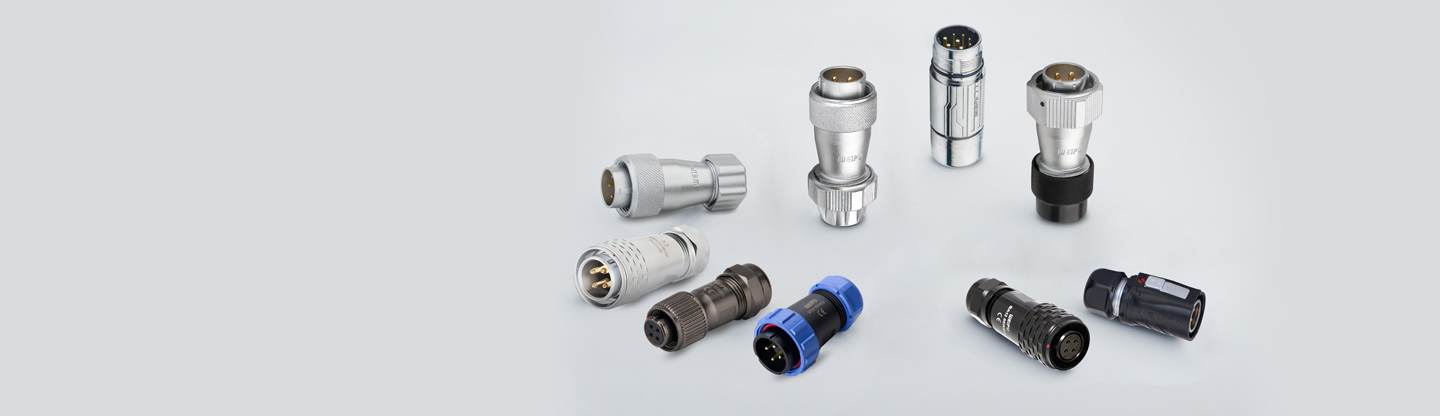
The SA Series uses push-pull coupling, an anodized aluminum shell, PPS insulation, and gold-plated brass contacts. It is specified with IP67 protection and 500 mating cycles for standard configurations.
Relevant reliability priorities:
- secure connection
- fast mating
- environmental protection
- compact industrial equipment
- repeated maintenance
SF Series — Push-Pull Industrial Connectivity
The SF Series can be positioned as another push-pull solution where engineers need a compact industrial connection with environmental protection and mechanical stability.
Relevant applications:
- automation
- equipment interfaces
- industrial control
- compact machinery
SP Series — Threaded Industrial Connectivity
The SP Series provides a threaded connection architecture and IP68-rated configurations, making it relevant where environmental protection and secure mechanical retention are important.
Relevant reliability priorities:
- environmental protection
- secure threaded connection
- harsh industrial environments
- outdoor equipment
Heavy-Duty Connectors
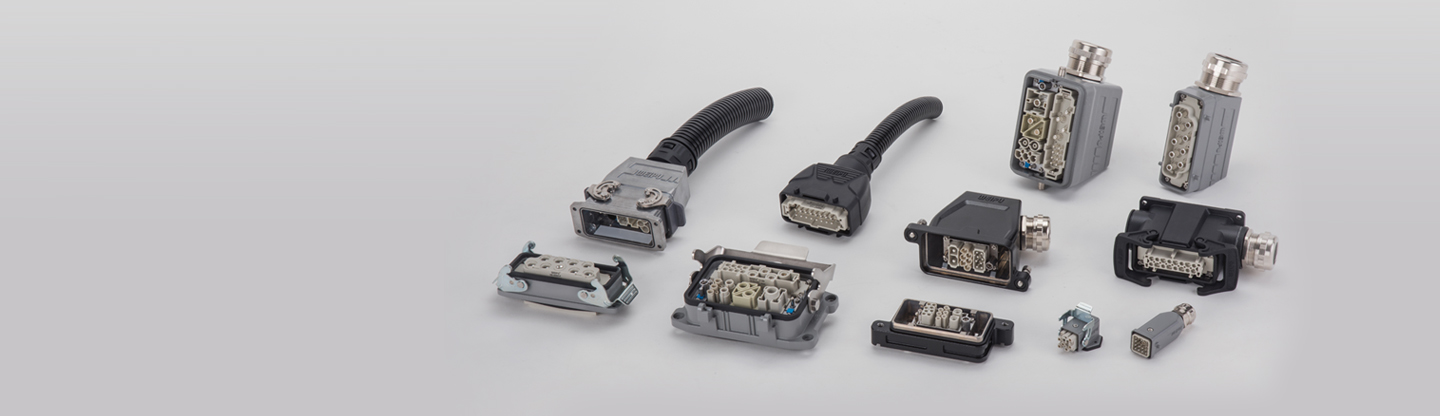
For larger industrial equipment and demanding machinery, heavy-duty connector systems address a different combination of requirements, including mechanical protection, robust housings, secure locking, and environmental resistance.
Relevant applications:
- heavy machinery
- industrial equipment
- control systems
- power and signal distribution
17. Industrial Connector Reliability Checklist
Before selecting an industrial connector, engineers can use this checklist:
Reliability Factor Key Question Electrical Can it handle the required current, voltage, or signal? Contact Will contact resistance remain stable over time? Mechanical Can the connection withstand vibration and movement? Locking Is the coupling mechanism appropriate for the application? Environmental Is the IP protection suitable for the actual environment? Materials Are the housing, contacts, insulation, and seals suitable? Temperature Can the connector operate within the required temperature range? Cable Is the cable and termination compatible? Mating cycles How frequently will the connector be connected and disconnected? Maintenance Can technicians access and replace the connector efficiently? Service life Will it meet the expected equipment lifecycle? Application Is the connector designed for the actual operating conditions?
18. Common Mistakes When Evaluating Connector Reliability
Mistake 1: Choosing Only by IP Rating
A high IP rating does not automatically make a connector reliable.
Mechanical, electrical, material, and application factors must also be considered.
Mistake 2: Choosing Only by Current Rating
A connector with sufficient current capacity may still be unsuitable if:
- contact resistance is too high
- temperature is excessive
- cable size is incorrect
- vibration is significant
- environmental protection is insufficient
Mistake 3: Choosing Only by Locking Mechanism
A strong locking mechanism cannot compensate for:
- poor contacts
- inadequate sealing
- unsuitable materials
- poor cable termination
Mistake 4: Choosing Only by Material
A metal housing does not automatically make a connector more reliable than an engineered plastic connector.
Material selection must match the actual application.
Mistake 5: Ignoring the Complete System
The connector is only one part of the connection.
Cable, termination, equipment design, installation and environment all influence reliability.
19. Reliability Starts With Application Fit
The most important lesson is simple:
A reliable industrial connector is not necessarily the strongest, largest, most expensive, or highest-rated connector.
It is the connector whose:
Electrical Performance
Mechanical Design
Environmental Protection
Material Selection
Installation
Application Fit
can remain stable throughout the intended service life.
This application-first approach helps engineers avoid both under-specification and unnecessary over-specification.
Conclusion
Industrial connector reliability is not determined by one specification.
It is the result of multiple engineering factors working together:
- stable electrical contact
- appropriate current and voltage capability
- secure mechanical connection
- vibration resistance
- suitable IP protection
- appropriate materials
- temperature stability
- reliable sealing
- cable compatibility
- correct installation
- application-specific design
- expected service life
For industrial automation, robotics, machine vision, industrial communication, energy systems, and heavy machinery, connector reliability can directly influence equipment availability and maintenance requirements.
The right question is therefore not:
“Is this connector reliable?”
It is:
“Will this connector remain reliable under my actual electrical, mechanical, environmental, and operating conditions?”
That is the foundation of reliable industrial connectivity.
FAQ
What makes an industrial connector reliable?
Industrial connector reliability depends on electrical stability, mechanical retention, environmental protection, material durability, sealing, cable compatibility, installation quality, and application fit.
What is the most important factor in connector reliability?
There is no single most important factor for every application. Electrical, mechanical, environmental, and material requirements should be evaluated together based on the operating conditions.
How many mating cycles should an industrial connector have?
There is no universal number. The required mating-cycle rating depends on how frequently the equipment is serviced and how long the connector is expected to remain in operation. Engineers should compare the manufacturer's specified mating cycles with the actual maintenance strategy.
Are metal industrial connectors more reliable than plastic connectors?
Not necessarily. Metal and engineered plastic can both be appropriate depending on mechanical, environmental, electrical, weight, corrosion, and shielding requirements.
How can I choose a reliable industrial connector?
Start with the application's electrical, mechanical, environmental, and maintenance requirements. Then evaluate current/voltage, contact system, locking mechanism, IP rating, materials, cable compatibility, temperature, mating cycles, and expected service life.

The Backbone of Smart Infrastructure: Reliable Industrial Connector Solutions for Data Centers and AI Computing Systems
Industrial Connector IP Ratings: How IP67, IP68 and IP69K Affect Application Selection

Industrial Connectors in AI-Driven Manufacturing Systems | WEIPU

Enhancing Structural Integrity with Rectangular Connectors in Heavy Machinery (2026 Guide)
Contacts
Sofia
WhatsApp/Phone

SA812/P SA812/S Rear-nut mount IP67
Mate with SA810

SF812B/P SF812B/S Rear-nut mount IP67
Mate with SF810B
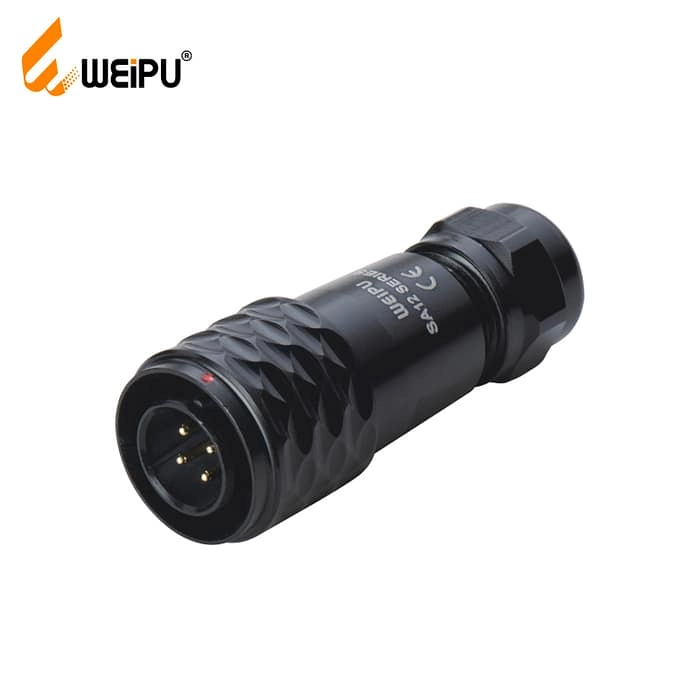
WEIPU SA1210P/S In-line Cable Connector
Weipu’s SA series connectors are meticulously crafted for demanding industrial applications. From marine to medical and automation industries, these connectors excel with their robust aluminum alloy construction and IP67 waterproof rating. With Weipu SA series connectors, you can count on reliable performance and seamless connectivity, ensuring uninterrupted operations in harsh environments.IP67, Mate with SA1211, SA1212, SA1213, SA1215

SF811B/P SF811B/S In-line cable connector IP67
Mate with SF810B
Get in Touch
Request Related Resources about Industrial Connections & Solutions
If you require technical details, product guides, or specific recommendations from a premier connector manufacturing corporation, please send us your request. We provide expert support for custom electrical connectors, offering OEM/ODM customization and dedicated distributor cooperation assistance.
Weipu Building, No. 111, Baihua Road, Liwan District, Guangzhou, Guangdong China
© 2026 WEIPU. All Rights Reserved.
Whatsapp: +8618102298073
WEIPU
WEIPU
WEIPU
WEIPU