


How Circular Connector Manufacturers Meet High-Precision Standards for Medical Equipment in 2026
Follow us now:
- How Do Circular Connector Manufacturers Meet High-Precision Standards for Medical Equipment?
- Quick Summary & Key Takeaways
- The Role of Regulatory Compliance: ISO 13485 & IEC 60601-1
- Engineering for Extremes: Sterilization, Biocompatibility, and Autoclave Resistance
- Miniaturization and Signal Integrity in Diagnostic Imaging
- Expert Tips: Common Mistakes in Sourcing Medical Grade Connectors
- WEIPU: A Global Leader in Mission-Critical Medical Connectors
- The Future of Medical Connectors in 2026 and Beyond
- Conclusion
- FAQs About How circular connector manufacturers Meet High-Precision Standards for Medical Equipment
- What is the standard IP rating required for medical circular connectors?
- How do medical connectors survive autoclave sterilization?
- What does IEC 60601-1 mean for connector manufacturers?
- Why are push-pull locking systems preferred in healthcare settings?
- What is the difference between industrial and medical grade connectors?
- How long does it take to prototype custom medical connectors?
- What materials are used for biocompatible medical connectors?
- How does EMI/RFI shielding affect medical equipment?
How Do Circular Connector Manufacturers Meet High-Precision Standards for Medical Equipment?
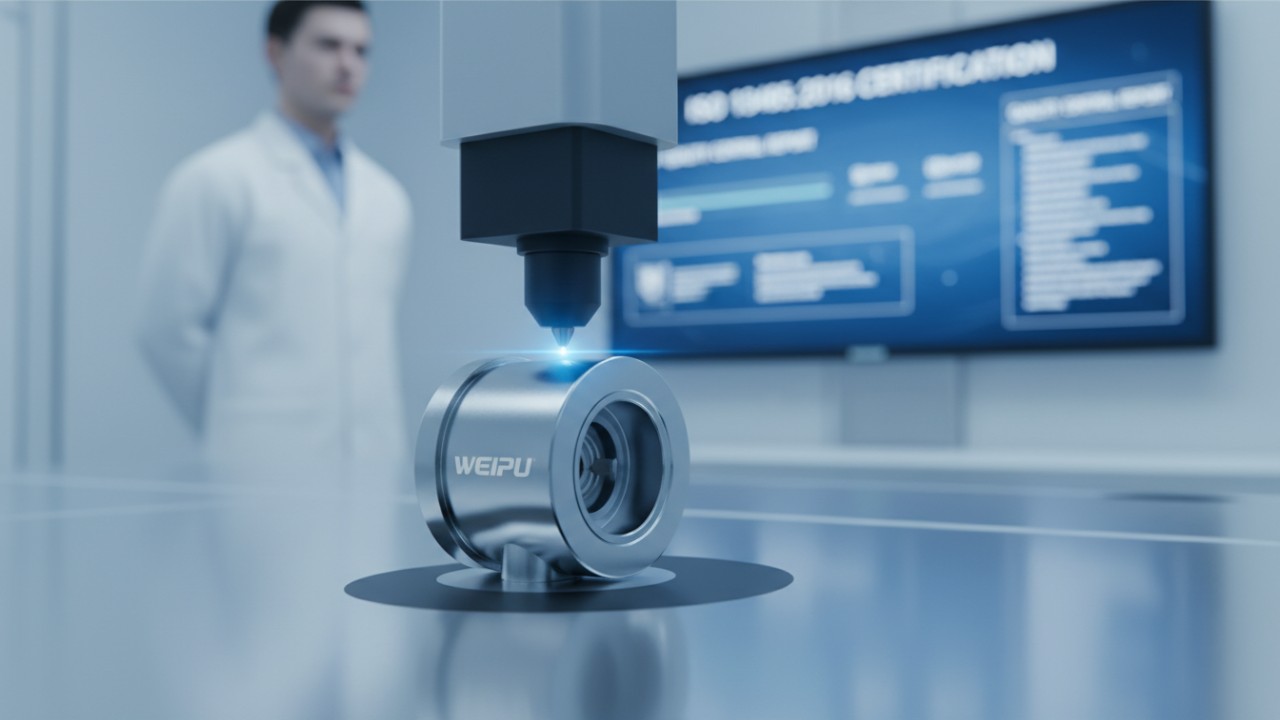
How circular connector manufacturers Meet High-Precision Standards for Medical Equipment involves strict adherence to ISO 13485 quality systems and IEC 60601-1 safety guidelines. They utilize extreme-precision CNC machining, biocompatible materials, and rigorous testing for IP69K sealing and sterilization to ensure zero-fail reliability in critical clinical environments.
In the rapidly advancing healthcare sector of 2026, the margin for error in medical devices is virtually non-existent. Whether it is a life-saving ventilator, an advanced MRI machine, or precision robotic surgery equipment, the electrical and data connections must perform flawlessly. Manufacturers achieve this by moving beyond standard industrial practices and adopting hyper-specialized engineering methodologies. They implement automated optical inspection (AOI) to catch microscopic defects and utilize advanced metrology to guarantee that every pin, socket, and housing meets exacting tolerances.
Furthermore, environmental resilience is paramount. Connectors used in healthcare must endure constant exposure to harsh cleaning agents, bodily fluids, and extreme sterilization temperatures. By prioritizing EMI/RFI shielding, advanced sealing technologies, and high-cycle mating endurance, elite manufacturers ensure that their components deliver consistent power and high-speed data transmission, safeguarding both patient outcomes and operator safety.
Quick Summary & Key Takeaways
High-precision medical manufacturing requires foundational regulatory adherence, advanced material science for harsh sterilization, and strategic miniaturization. Partnering with vertically integrated manufacturers reduces supply chain risks while ensuring reliable power and high-speed data transmission for complex medical devices.
- Regulatory Foundation: Adherence to FDA guidelines and ISO 13485 is non-negotiable for producing safe, high-precision medical components.
- Material Science Mastery: Engineering connectors that endure harsh sterilization cycles, including 134°C autoclaving, requires specialized biocompatible thermoplastics and metal alloys.
- Strategic Miniaturization: As portable medical devices shrink, connectors must balance ultra-small form factors with the ability to handle high-speed data and power without signal interference.
- Supply Chain Resilience: Utilizing vertically integrated manufacturers ensures faster prototyping, tighter quality control, and significantly lower supply chain risk.
The Role of Regulatory Compliance: ISO 13485 & IEC 60601-1
Regulatory compliance dictates that medical device components strictly follow ISO 13485 medical connectors manufacturing protocols and IEC 60601-1 standards. These frameworks ensure electrical safety, precise creepage, and clearance, guaranteeing that connectors perform flawlessly without risking patient or operator safety.
For any component entering the healthcare ecosystem, regulatory certification is the ultimate barrier to entry. ISO 13485 represents the pinnacle of quality management systems specifically tailored for the medical device industry. According to the International Organization for Standardization (ISO), this standard ensures that manufacturers consistently meet customer and applicable regulatory requirements. For connector manufacturers, this means implementing end-to-end traceability, rigorous risk management, and comprehensive documentation for every batch of products produced.
Equally critical are the IEC 60601-1 standards, which govern the basic safety and essential performance of medical electrical equipment. Connectors must be meticulously designed to prevent electrical shock. This involves calculating exact creepage (the shortest distance over the surface of an insulating material between two conductive parts) and clearance (the shortest distance through air). By adhering to these strict electrical safety metrics, manufacturers prevent short circuits and power surges that could prove fatal in an operating room setting. Elite manufacturers integrate automated testing at multiple stages of production to maintain this global compliance, seamlessly supporting OEM medical device approvals.
Engineering for Extremes: Sterilization, Biocompatibility, and Autoclave Resistance
Designing for clinical extremes requires autoclave sterilization connectors built from high-grade biocompatible thermoplastics and specialized metals. These robust materials withstand repeated 134°C high-pressure steam cycles, ethylene oxide, and harsh chemical cleaning agents without degrading electrical insulation or structural integrity.
Infection control is a top priority in healthcare facilities. Consequently, reusable medical equipment is subjected to brutal sterilization regimens. The impact of repeated sterilization cycles—whether through steam autoclaving, Ethylene Oxide (EtO) gas, or Gamma Radiation—can rapidly degrade standard plastics and corrode basic metals. To combat this, precision manufacturers utilize advanced engineering plastics such as PEEK (Polyetheretherketone) and PEI (Polyetherimide), alongside premium stainless steel alloys.
These materials are not only resilient but also strictly biocompatible, ensuring they cause no toxic or allergic reactions when coming into contact with patients or surgical environments. Furthermore, creating reliable medical grade circular connectors requires specialized potting and sealing systems. These internal seals must prevent high-pressure steam (up to 134°C) from penetrating the connector housing and compromising the delicate electrical contacts inside. Balancing this extreme thermal and chemical resistance with excellent electrical insulation properties is a hallmark of top-tier medical connector engineering.
Miniaturization and Signal Integrity in Diagnostic Imaging
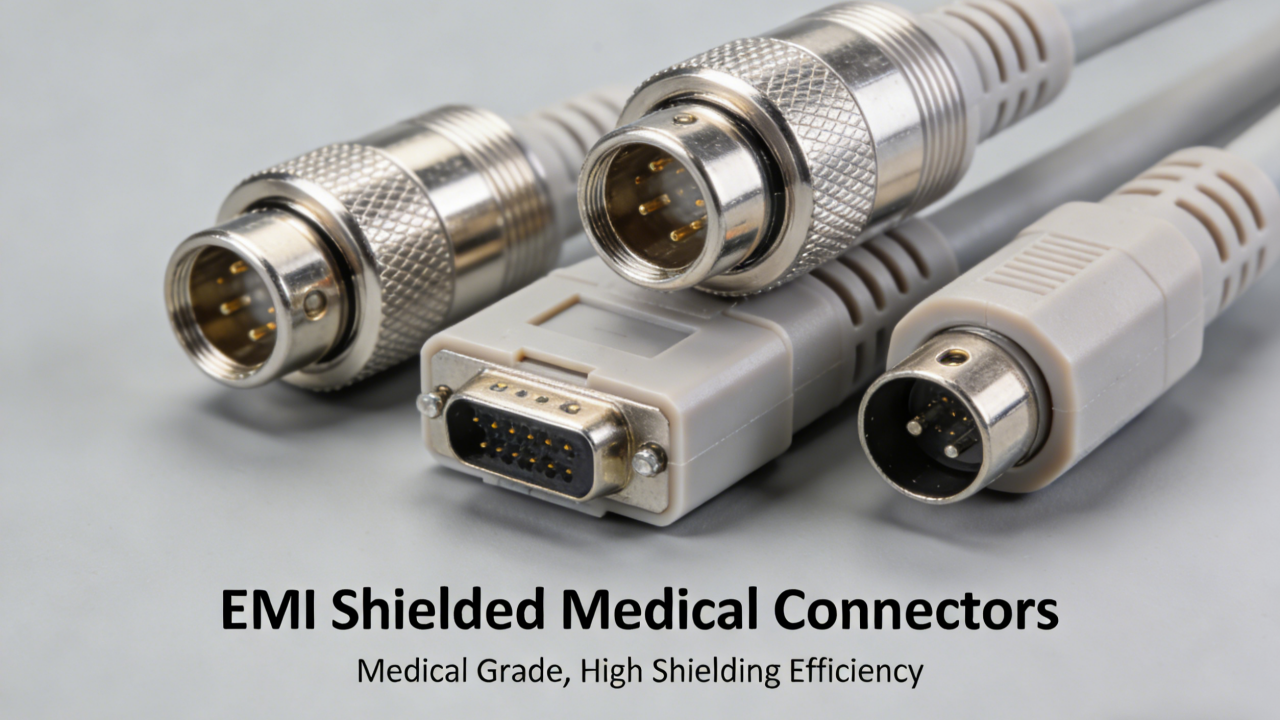
Modern diagnostic imaging demands ultra-small, high-density push-pull connectors that combine power, optical fiber, and high-speed data. Manufacturers overcome signal interference using advanced EMI/RFI shielding, ensuring secure, low-insertion-force mating that supports the ergonomic needs of portable medical devices.
As the medical industry embraces portable diagnostics and minimally invasive robotic surgery in 2026, the physical real estate available for electronic components has drastically shrunk. This drives an intense demand for high-density miniaturization. However, packing more contacts into a smaller footprint introduces significant challenges regarding signal integrity. In environments dense with electronic equipment, Electromagnetic Interference (EMI) and Radio Frequency Interference (RFI) can easily corrupt sensitive data, such as a patient's real-time ECG readings or high-resolution MRI imaging.
To solve this, manufacturers engineer micro-connectors with sophisticated internal grounding and 360-degree metal shielding. Additionally, the rise of hybrid connector solutions allows a single, compact housing to carry power, high-speed digital signals, and even optical fibers simultaneously. Coupled with ergonomic push-pull locking systems, these connectors offer medical personnel a secure, low-insertion-force connection that can be swiftly mated or un-mated with one hand, even while wearing surgical gloves.
Expert Tips: Common Mistakes in Sourcing Medical Grade Connectors
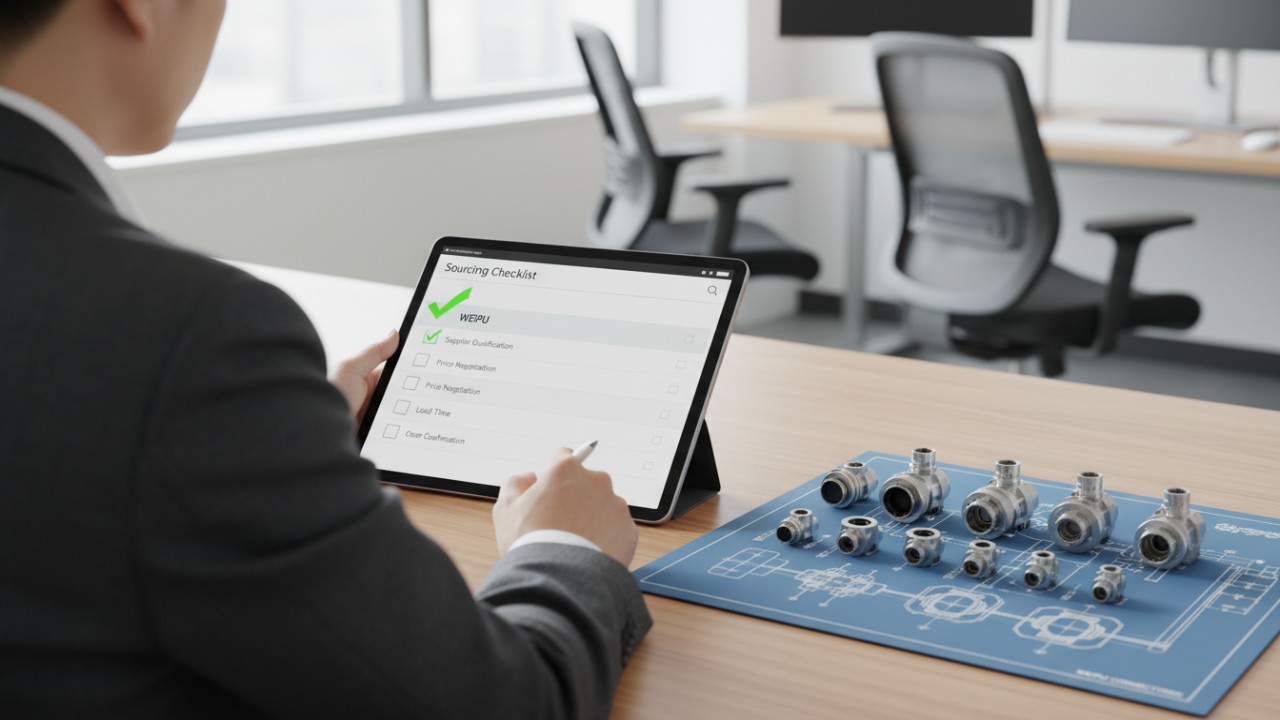
Sourcing mistakes often include confusing standard IP67 ratings with medical-grade IP69K needs, ignoring lifecycle costs for reusable equipment, and overlooking custom hybrid configurations. Failing to partner with vertically integrated manufacturers can also lead to severe supply chain bottlenecks.
When designing a new medical device, OEMs often fall into predictable traps that delay production and inflate costs. One of the most common errors is over-specifying or under-specifying Ingress Protection (IP) ratings. While a standard IP67 rating might suffice for a stationary monitor, surgical tools subjected to high-pressure washdowns absolutely require IP68 or IP69K sealing.
Another critical oversight is ignoring the total lifecycle cost and mating cycle requirements. Specifying a connector rated for 500 mating cycles on a device expected to be plugged and unplugged daily for ten years will result in premature field failures.
Below is a comparison highlighting the critical differences between standard and medical-grade components:
| Feature | Standard Industrial Connectors | Medical Grade Circular Connectors |
|---|---|---|
| Sterilization | Basic chemical wipe-down | 134°C Autoclave, EtO, Gamma Radiation |
| Biocompatibility | Not typically required | Strict compliance (e.g., ISO 10993) |
| Locking Mechanism | Threaded or Bayonet (often bulky) | Ergonomic, high-density push-pull systems |
| Electrical Safety | Standard industrial safety | Strict IEC 60601-1 creepage/clearance |
| EMI/RFI Shielding | Moderate | Extreme (critical for diagnostic data) |
WEIPU: A Global Leader in Mission-Critical Medical Connectors
With nearly 30 years of expertise, WEIPU leverages an 80,000 m² facility and independent R&D to produce elite medical connectors. Delivering functional prototypes in 7–15 days, WEIPU ensures components withstand 134°C autoclaving, providing ultimate reliability for global healthcare and Industry 4.0 applications.
Founded in 1996, Guangdong WEIPU Electric Appliance Co., Ltd. has established itself as a principal drafter of national standards and a trusted partner for mission-critical connectivity. Operating from a massively expanded 80,000 m² facility in 2026, WEIPU boasts an annual production capacity of 55 million units, serving over 30,000 customers across 130 countries.
What sets WEIPU apart in the demanding medical sector is its vertically integrated production system. This internal control allows WEIPU to bypass common supply chain bottlenecks, offering customized OEM/ODM one-stop solutions with astonishing speed. Medical device engineers can receive fully functional prototypes in just 7 to 15 days, drastically accelerating time-to-market. By acting as premier One-Stop Circular Connector & Cable Assembly Manufacturers, WEIPU delivers technology that benchmarks top-tier global standards, including IP69K protection and robust medical solutions resistant to 134°C autoclaving. Backed by elite certifications, WEIPU provides the uncompromising quality required to save lives.
The Future of Medical Connectors in 2026 and Beyond
The future of medical interconnects in 2026 centers on embedding smart sensors for real-time diagnostics and utilizing ultra-lightweight composite materials. Driven by Industry 4.0 and AI-powered quality control, manufacturers are rapidly pushing defect rates to absolute zero in medical manufacturing.
As we look toward the remainder of 2026 and beyond, medical connectors are evolving from passive components into active, intelligent systems. The integration of smart interconnects featuring embedded micro-sensors allows medical equipment to run real-time diagnostics on the connection itself, instantly alerting staff to compromised seals, moisture ingress, or incomplete mating before a procedure begins.
Furthermore, advances in material science are introducing ultra-lightweight, high-strength composites that replace heavier metals, which is particularly beneficial for wearable medical technology and portable field-care devices. According to insights from MedTech Europe, the integration of digital health solutions requires hardware that is both smarter and more resilient. Through the power of Industry 4.0—utilizing AI-driven automated optical inspection and machine learning on the factory floor—elite connector manufacturers are achieving unprecedented precision, ensuring that the defect rate for life-saving medical components is pushed to absolute zero.
Conclusion
Meeting high-precision standards in medical equipment requires a flawless combination of regulatory compliance, advanced material science, and rigorous quality control. As medical technology advances, partnering with an experienced, highly capable connector manufacturer is vital for clinical success and patient safety.
The development of modern medical devices is an incredibly complex process where the reliability of a single connection can determine the success of a critical procedure. By strictly adhering to ISO 13485 and IEC 60601-1 standards, utilizing biocompatible materials capable of surviving 134°C autoclave sterilization, and embracing the miniaturization required for high-density diagnostic imaging, top-tier manufacturers ensure that healthcare professionals can operate with total confidence. Navigating these stringent requirements demands a partner with deep engineering expertise, vertical integration, and rapid prototyping capabilities. Contact us today to optimize your medical equipment connectivity strategy.
FAQs About How circular connector manufacturers Meet High-Precision Standards for Medical Equipment
What is the standard IP rating required for medical circular connectors?
Medical connectors typically require at least an IP67 rating to protect against liquid ingress during cleanings. For equipment subjected to harsh, high-pressure washdowns or extreme sterilization, IP68 or IP69K ratings are highly recommended to ensure absolute fluid resistance.
How do medical connectors survive autoclave sterilization?
They are manufactured using high-performance thermoplastics and specialized metal alloys designed to withstand repeated exposure to high temperatures (up to 134°C). Advanced potting and sealing compounds are used to prevent steam and moisture from compromising the internal electrical contacts.
What does IEC 60601-1 mean for connector manufacturers?
IEC 60601-1 is a globally recognized standard for the basic safety and essential performance of medical electrical equipment. Manufacturers must design connectors with specific creepage and clearance distances to prevent electrical shocks to patients and operators.
Why are push-pull locking systems preferred in healthcare settings?
Push-pull locking systems provide a secure, vibration-resistant connection that prevents accidental disconnection during critical procedures. They are intuitive and ergonomic, allowing medical personnel to mate and unmate connections quickly with one hand, even while wearing gloves.
What is the difference between industrial and medical grade connectors?
Medical grade connectors must meet strict biocompatibility standards, feature specialized sterilization resistance, and prioritize patient safety (e.g., touch-proof contacts). Industrial connectors focus more on ruggedness against heavy mechanical impact, oils, and outdoor environmental factors.
How long does it take to prototype custom medical connectors?
Standard industry lead times can stretch into months, but elite vertically integrated manufacturers like WEIPU can deliver functional prototypes in just 7 to 15 days. This rapid turnaround is essential for medical OEMs trying to accelerate their time-to-market.
What materials are used for biocompatible medical connectors?
Common materials include medical-grade silicone, PEEK (Polyetheretherketone), PEI (Polyetherimide), and specialized stainless steel alloys. These materials ensure that the connectors do not cause allergic reactions or toxicity if they come into contact with patients.
How does EMI/RFI shielding affect medical equipment?
Electromagnetic and Radio Frequency Interference can disrupt sensitive signals in diagnostic tools like MRI machines and ECG monitors. High-precision circular connectors utilize specialized metal housings and internal grounding to block interference, ensuring accurate data transmission.
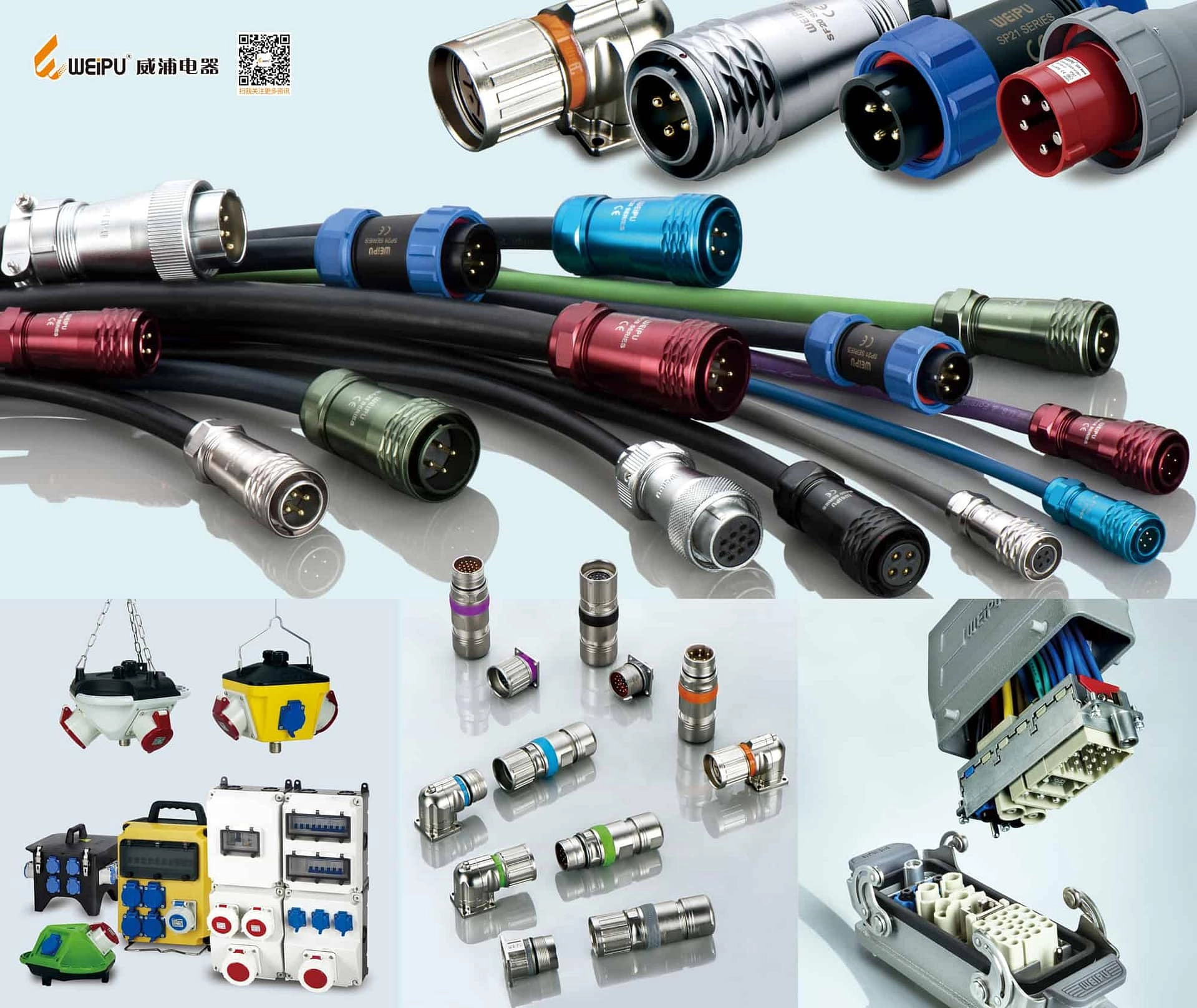
From Power to Precision: The Technology Behind Weipu Connector Solutions
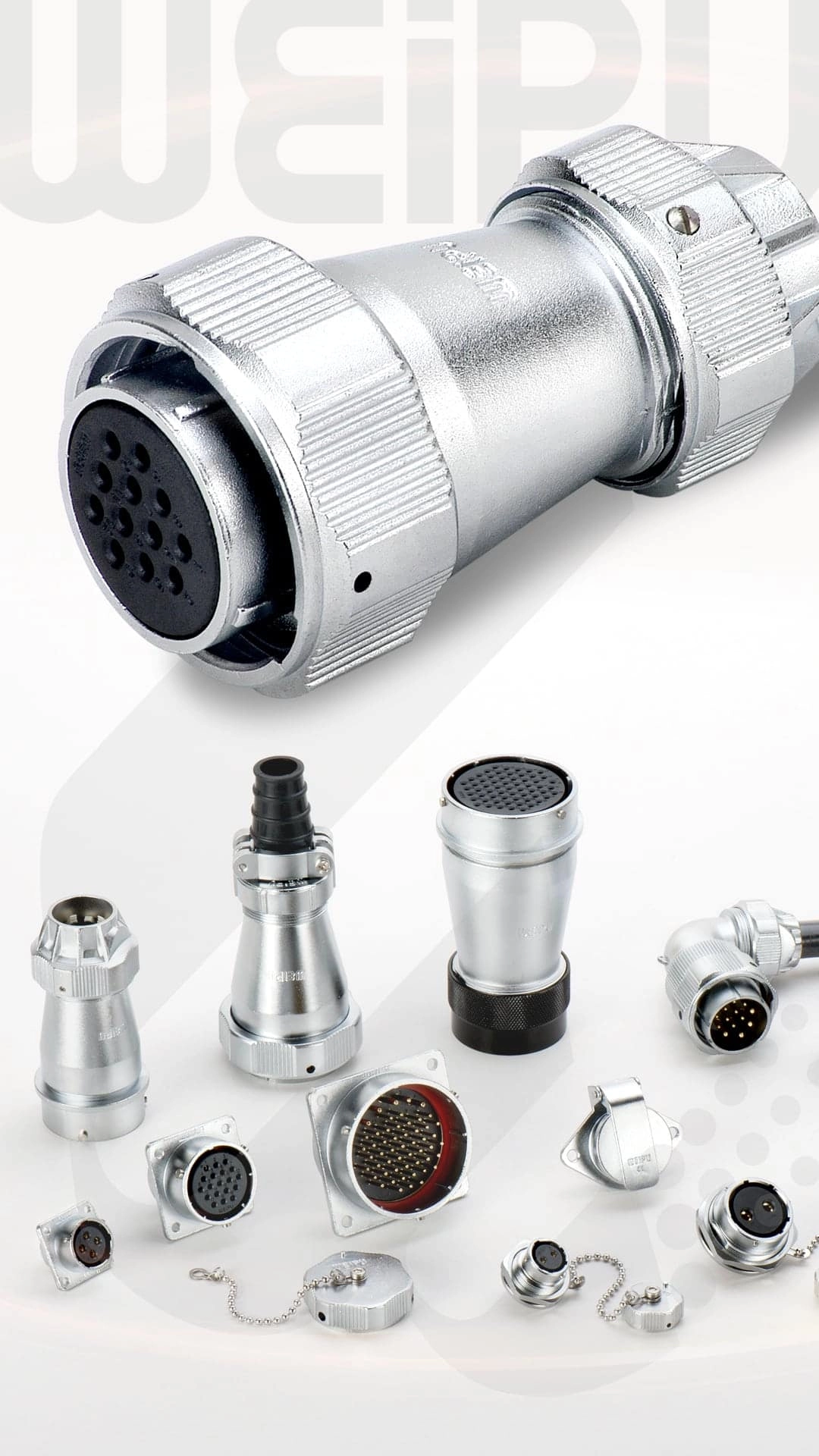
Reliability Redefined: How Weipu Connectors Ensure Uninterrupted Communication
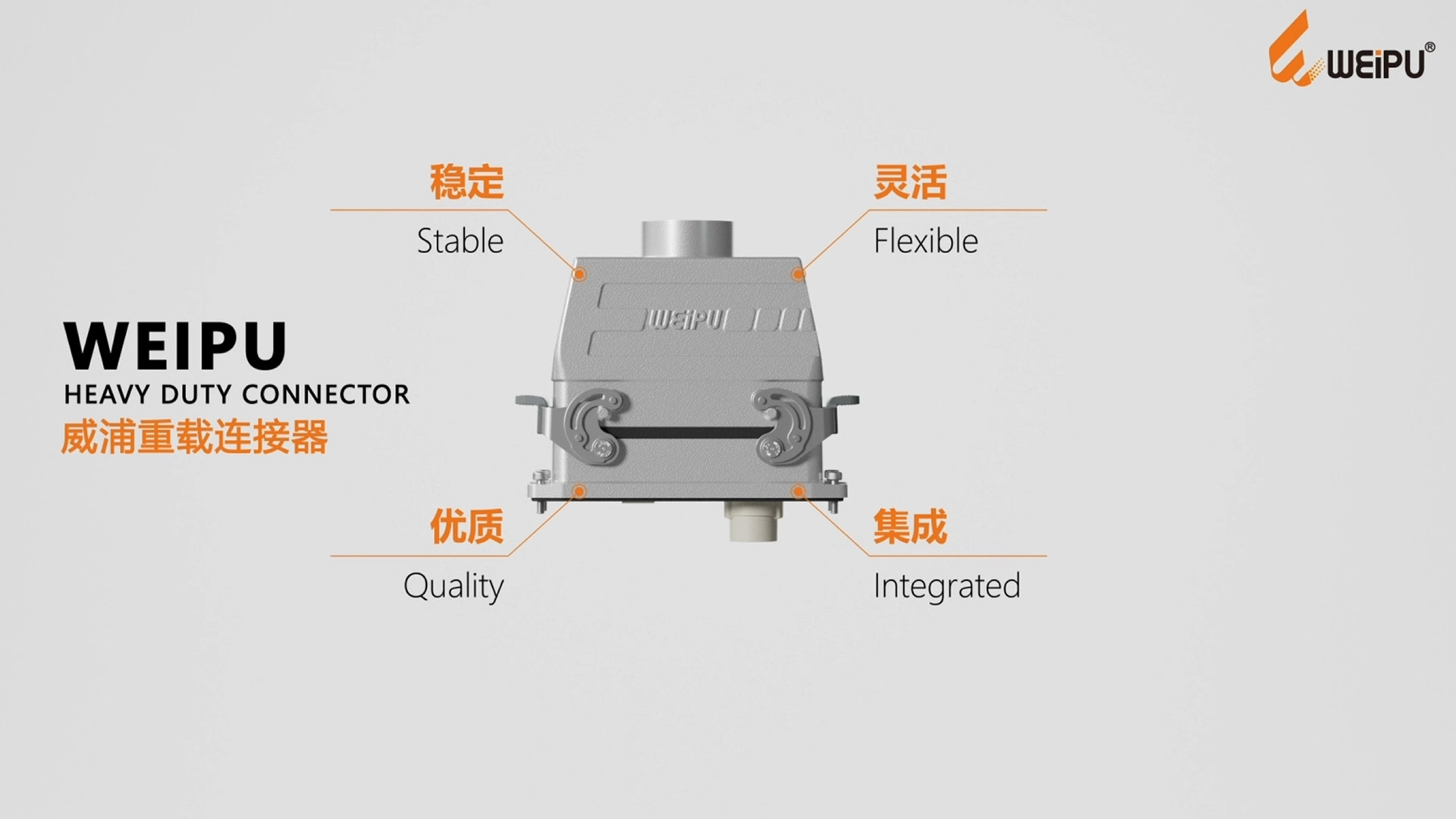
UNDERSTANDING THE KEY DIFFERENCES BETWEEN WEIPU HEAVY-DUTY CONNECTORS AND STANDARD CIRCULAR CONNECTORS

How Waterproof Connectors Play An Important Role In Marine Applications
Resources
What types of modules are available for WEIPU heavy-duty connectors?
We offer a full range of functional modules, including power modules (5A-200A), signal modules (2-50 pins), network modules (supporting 10Gbps high-speed transmission), and pneumatic modules (compatible with standard air pipe specifications), covering most industrial connection scenarios.
How to match WEIPU connectors with the required IP rating?
First, clarify the water exposure conditions of your application (e.g., rain, submersion, high-pressure cleaning) to determine the required IP grade, then select the corresponding WEIPU series (e.g., IP67 for outdoor use, IP69K for heavy industry).
Are WEIPU’s IP-rated connectors compatible with global equipment?
Yes, all WEIPU waterproof connectors comply with international standards (IEC 60529) and are designed to be compatible with global Industry 4.0 equipment, supporting seamless integration.
How to select different locking mechanisms for standard circular connectors?
Prioritize threaded connection for fixed installation scenarios with frequent vibration; choose snap-in connection for scenarios requiring frequent plugging and high assembly efficiency; push-pull connection is more advantageous for operation in narrow spaces or scenarios requiring quick plugging/unplugging.
Contacts
Sofia
WhatsApp/Phone
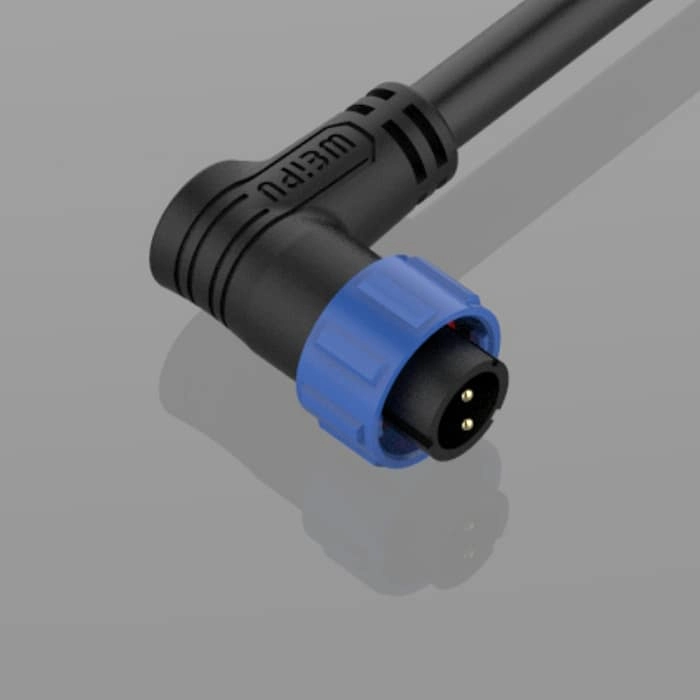
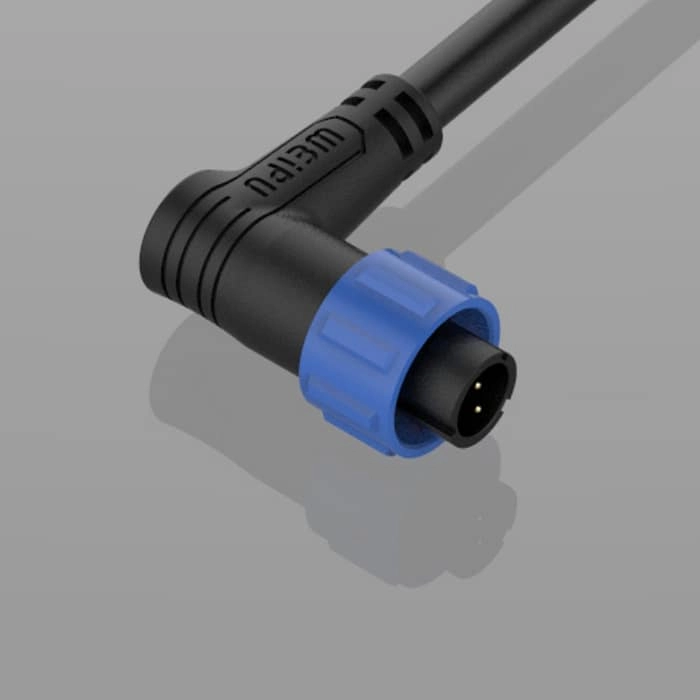
SY1324 Single-Ended Cordsets
Mate with SY1311,SY1312,SY1321,SY1324
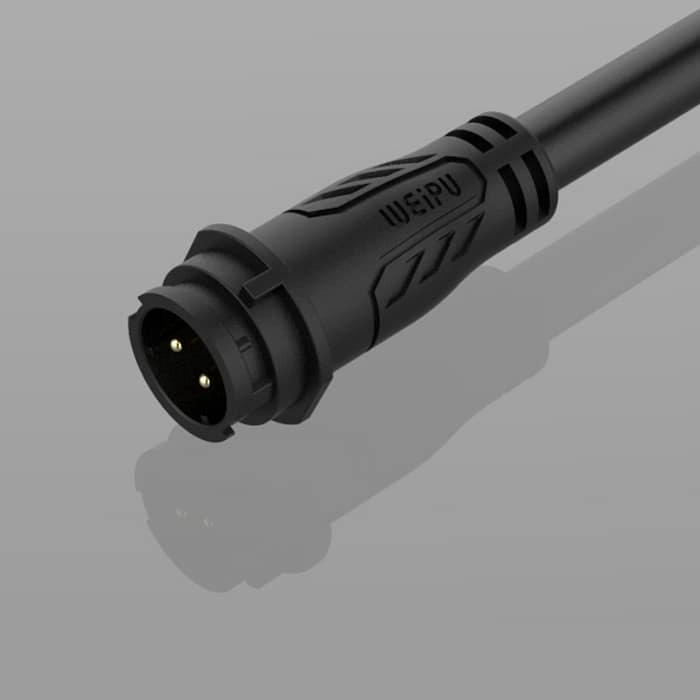
SY1124 Single-Ended Cordsets
Mate with SY1111,SY1112,SY1121,SY1124
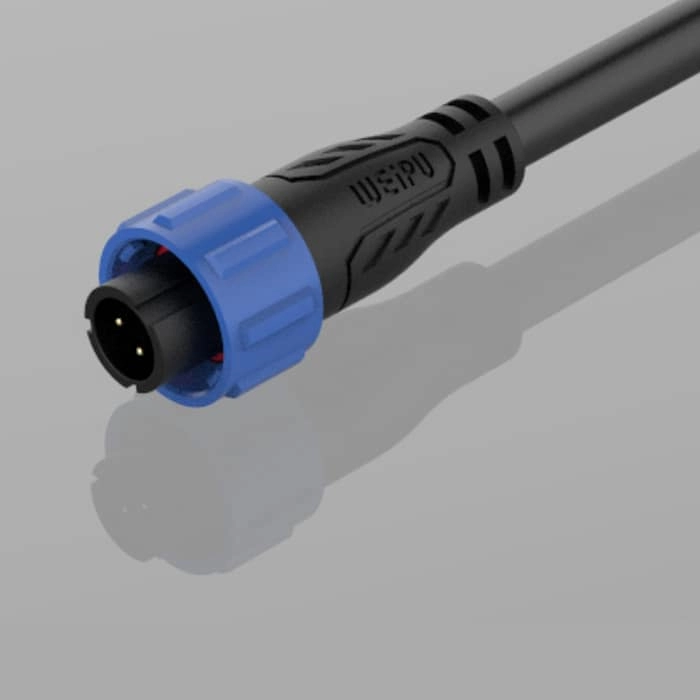
SY1321 Single-Ended Cordsets
Mate with SY1311,SY1312,SY1321,SY1324
SY1120 Single-Ended Cordsets
Mate with SY1111,SY1112,SY1121,SY1124
Get in Touch
Request Related Resources about Industrial Connections & Solutions
If you require technical details, product guides, or specific recommendations from a premier connector manufacturing corporation, please send us your request.
We provide expert support for custom electrical connectors, offering OEM/ODM customization and dedicated distributor cooperation assistance.
Weipu Building, No. 111, Baihua Road, Liwan District, Guangzhou, Guangdong China
© 2026 WEIPU. All Rights Reserved.
Whatsapp: +8618102298073
WEIPU
WEIPU
WEIPU
WEIPU