

How do circular connectors differ from rectangular connectors?
Follow us now:
- 1) How do I choose a circular connector for harsh outdoor use (salt spray, UV, immersion) and validate IP ratings for my application?
- 2) How do circular connectors perform for EMC/grounding compared with rectangular connectors, and how do I implement 360° shield continuity?
- 3) What should I look for regarding mating cycles, contact reliability and lifecycle when choosing circular connectors vs rectangular ones?
- 4) How do I calculate current-carrying capacity and temperature rise for circular connectors in confined harnesses and high-density panels?
- 5) For cost vs reliability, when should I choose crimp vs solder vs PCB termination for industrial circular connectors?
- 6) How do I replace or adapt rectangular connectors with circular connectors in space-constrained control cabinets while preserving signal density and serviceability?
Circular Connector Guide: How Do Circular Connectors Differ from Rectangular Connectors?
Written by the Weipu Group technical team. This article answers six specific, often-missed buyer questions about circular connectors — their sealing, EMC behavior, mating lifecycle, current capability, termination methods and strategies to replace rectangular modules. Technical references include IEC 60529 (IP ratings), IEC 61076 series (M12 family) and MIL-DTL-38999 for high-reliability designs.
1) How do I choose a circular connector for harsh outdoor use (salt spray, UV, immersion) and validate IP ratings for my application?
Problem: Many product pages list only “IP67” or “waterproof” without test conditions, materials, or expected service life in real environments (salt spray, UV, vibration).
Actionable selection and validation steps:
- Confirm the exact IP rating test per IEC 60529. IP67 = immersion to 1 m for 30 minutes; IP68 = manufacturer-defined deeper/longer immersion — request the exact depth/time. For splash-only, IP65 may suffice.
- Check material corrosion resistance: stainless steel (316/304) and anodized aluminum offer superior salt-spray resistance vs brass (nickel/plated). For marine or coastal sites specify stainless shells and gold- or nickel-plated contacts.
- Inspect sealing architecture: look for O-ring location (face seal vs rear seal), cable gland design, and use of captive vs removable gaskets. Face-sealed circular connectors with IP67-rated mating surfaces and a properly rated cable gland give best real-world protection.
- Ask for specific tests: salt spray (ASTM B117) exposure hours, UV weathering (ASTM G154), thermal cycling, and vibration. Suppliers should provide test reports or qualification statements.
- Plan maintenance: replace O-rings periodically (OEM interval) and specify UV-resistant polymer (e.g., fluorosilicone) if exposed to sunlight long-term.
2) How do circular connectors perform for EMC/grounding compared with rectangular connectors, and how do I implement 360° shield continuity?
Problem: EMC guidance online is generic — buyers need concrete methods to achieve low-impedance shield connections in high-noise industrial networks (drives, VFDs, servo systems).
Best practices to ensure EMC performance:
- Prefer metal shell circular connectors (nickel-plated brass, stainless) with a conductive coupling nut or threaded coupling to ensure mechanical 360° shield contact. A continuous metallic shell is superior for maintaining a Faraday cage around contacts.
- Use backshells and EMI gaskets designed to provide continuous shield termination. Backshells with a clamp for the cable braid and a conductive path to the connector body maintain low-impedance continuity.
- Use drain wires from shield to connector backshell; crimp drain to a silver-plated or tinned braid termination that mates with the backshell for reliable contact under vibration.
- Grounding strategy: where possible, ground the shield at a single point at the enclosure to avoid ground loops. For long cable runs or different-ground systems, follow local EMC practice (e.g., single-point vs multi-point) and consult IEC 61000 guidance.
- Verify performance with insertion-loss/return-loss or near-field scanning if your system is sensitive to conducted or radiated emissions. Vendors should provide shield attenuation or transfer impedance data where available.
3) What should I look for regarding mating cycles, contact reliability and lifecycle when choosing circular connectors vs rectangular ones?
Problem: Datasheets often give a single “mating cycles” number without context (contact force, contamination tolerance, environmental conditions).
How to evaluate lifecycle and mating reliability:
- Understand the rated mating cycles range: industrial sensor connectors (e.g., M12 family per IEC 61076) may be specified around low hundreds of cycles for frequent connect/disconnect use; high-reliability military circulars (MIL-DTL-38999) are often rated for thousands (typically up to 5000) of cycles. Always check the supplier’s mechanical life statement and test conditions.
- Consider contact plating: gold plating reduces fretting corrosion for low-voltage/low-current signal circuits and improves lifecycle; silver or tin plating is common for power contacts but has different wear behavior.
- Review contact design: split-sleeve and spring-finger contacts typically provide lower insertion forces and better contact retention in vibration compared with straight-pin designs. Contact wipe length also improves reliability in contaminated environments.
- Factor in environmental influence: dust, salt, and repeated temperature cycles accelerate wear. Specify connectors with protection (e.g., dust caps, sealed interfaces) if mating cycles will occur outdoors or in dirty environments.
- For critical assemblies, request sample life tests (mating/unmating cycles under representative environmental loading) or third-party test reports.
4) How do I calculate current-carrying capacity and temperature rise for circular connectors in confined harnesses and high-density panels?
Problem: Engineers often overestimate continuous current capability because they use peak ratings or ignore derating due to groupings, ambient temperature and contact heating in confined spaces.
Practical method to size connectors:
- Start with the connector contact’s rated current and voltage from the datasheet (manufacturers provide rating per contact size and material). Do not assume uniform ratings across contact positions — large power pins are rated higher than signal pins.
- Apply derating factors: reduce rated current for elevated ambient temperatures, bundling of multiple current-carrying contacts, or limited airflow. For example, multiple adjacent power contacts in a circular insert will require derating; consult manufacturer derating curves when available.
- Estimate contact temperature rise: manufacturers sometimes provide temperature-rise vs current curves. If not, perform a thermal calculation or test: measure steady-state temp at expected current in a representative harness with insulating conditions matching the final installation.
- Choose contact sizes and materials accordingly: larger contact diameters and silver or gold plating have different conductivity and thermal properties. For high-current applications choose circular connector series designed for power (separate power contacts or hybrid inserts).
- Consider conductor cross-section and crimp quality: ensure that the crimp or lug and wire gauge match both the connector’s mechanical pin size and the expected current to avoid heat generation at the termination.
5) For cost vs reliability, when should I choose crimp vs solder vs PCB termination for industrial circular connectors?
Problem: Buyers are told “crimp is best” or “solder is cheaper” without a clear cost-lifecycle or assembly-volume analysis for industrial use.
Decision framework:
- Crimp terminations: preferred for production volumes and high-vibration or high-current applications. A properly specified crimp with the correct tool and die yields gas-tight terminations, predictable resistance and long service life. Higher upfront tooling cost but lower field failure and rework cost.
- Solder terminations: acceptable for low-volume prototypes or where crimp tooling is unavailable, but solder joints can be brittle under vibration and are sensitive to thermal cycling. Use strain relief and potting where necessary. Total installed cost may be higher due to rework/repair risk in the field.
- PCB mount circular connectors: ideal when the connector must mate directly to a board. Consider thermal expansion mismatch, solder joint reliability under vibration, and board layout spacing. Use right-angle or vertical types depending on panel clearance; verify board thickness and mechanical reinforcement.
- Cost modeling: include not only connector price but also tooling, labor (cycle time per termination), inspection cost (pull-test rates), rework probability, and expected field failure cost. For high-reliability industrial systems, crimp usually gives best total cost of ownership.
6) How do I replace or adapt rectangular connectors with circular connectors in space-constrained control cabinets while preserving signal density and serviceability?
Problem: Control-panel designers want to move to rugged circular connectors for environmental sealing and vibration resistance but worry about losing pin density and increasing cable routing complexity.
Adaptation strategy:
- Assess pin-density needs: rectangular modules often provide high-density contact arrays. To match density use multi-contact circular shells (hybrid inserts) that combine power and many signal pins, or use higher-pin-count circular series (e.g., MIL, large industrial circulars), while considering insert size vs panel cutout.
- Use bulkhead/adaptor panels: fit circular bulkhead connectors into panels where space permits and route internal wiring to PCB-mounted rectangular terminal blocks if needed. Adapter harnesses (circular-to-rectangular) are a practical transitional solution allowing field-side circularized connections with legacy rectangular backplanes.
- Plan serviceability: select circular connectors with keyed coupling (threaded, bayonet, or push-pull) and color-coding or marking for quick field mating. Use captive nut options and dust caps for connectors not in continual use.
- Consider cable management: circular connectors typically require radial clearance for coupling rotation; evaluate panel spacing and use low-profile couplers (bayonet or push-pull) or right-angle variants to save depth.
- Prototype the conversion with one cabinet wall: test routing, bending radii, shielding termination and how many harnesses enter the cabinet. This quantifies labor and materials for a full migration and highlights any need for custom harnesses or adapters.
Concluding summary — Advantages of circular connectors
Circular connectors offer robust environmental sealing (O-rings, IP67/IP68 per IEC 60529), strong 360° shielding options for EMC, and flexible coupling mechanisms (threaded, bayonet, push-pull) that perform well under vibration and outdoor exposure. Their round shells make them easy to seal and ground, they support hybrid contact inserts (power + signal) for compact harnesses, and two-piece backshell systems simplify cable gland and drain-wire termination. When selected with appropriate materials (stainless, nickel-plated brass), contact plating, and verified lifecycle/derating data, circular connectors deliver reliable, serviceable solutions for industrial, automation, transportation and outdoor applications.
If you need help selecting the correct circular connector series, verifying IP or EMC performance, or getting a quote for custom harnesses and adapters, contact us for a quote: www.weipu-group.com or email salse01@weipu-group.com.

Application of Heavy-Duty Connectors in Wind Power
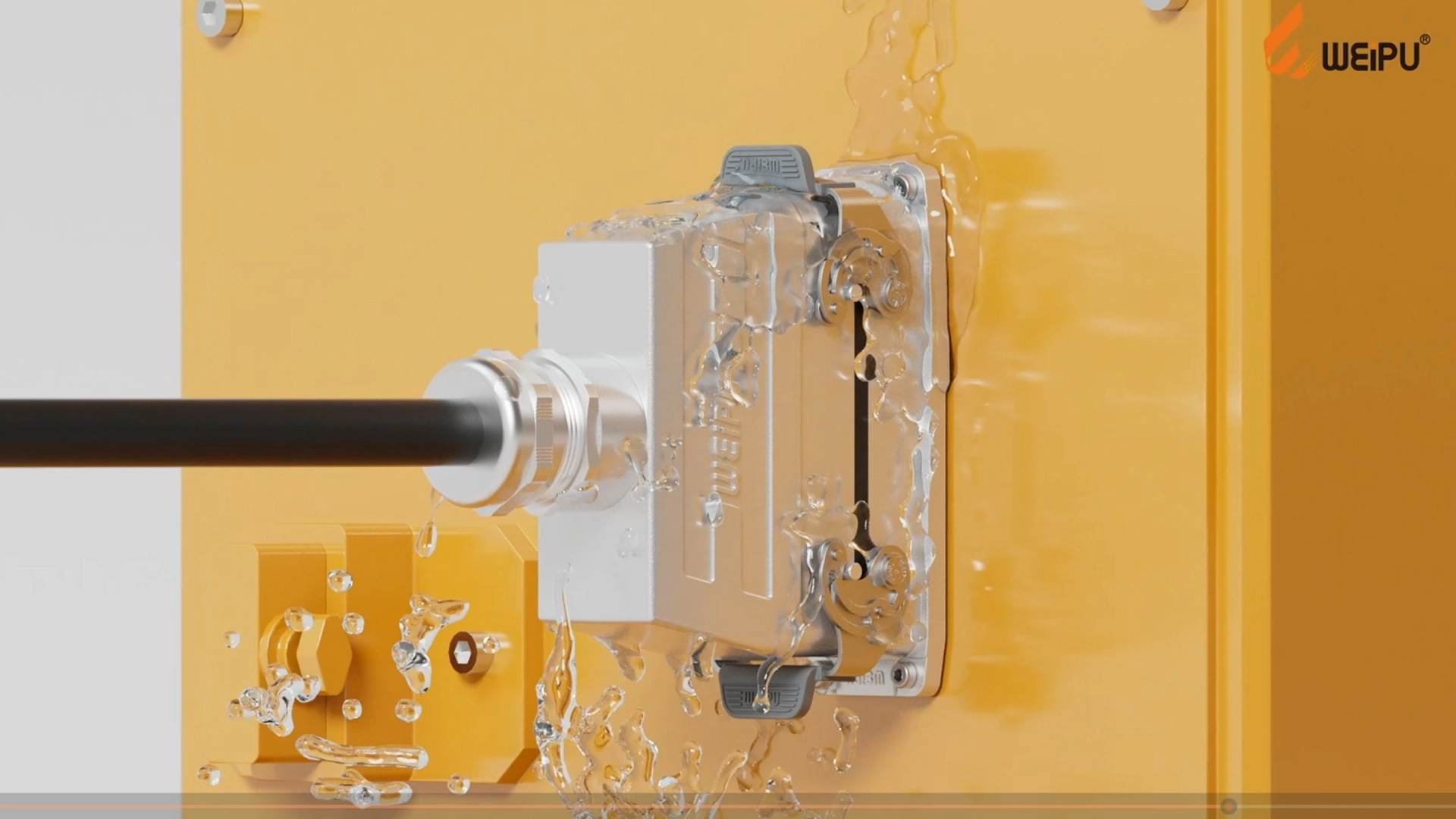
Understanding the Core Connection Between WEIPU Waterproof Connectors and IP Ratings
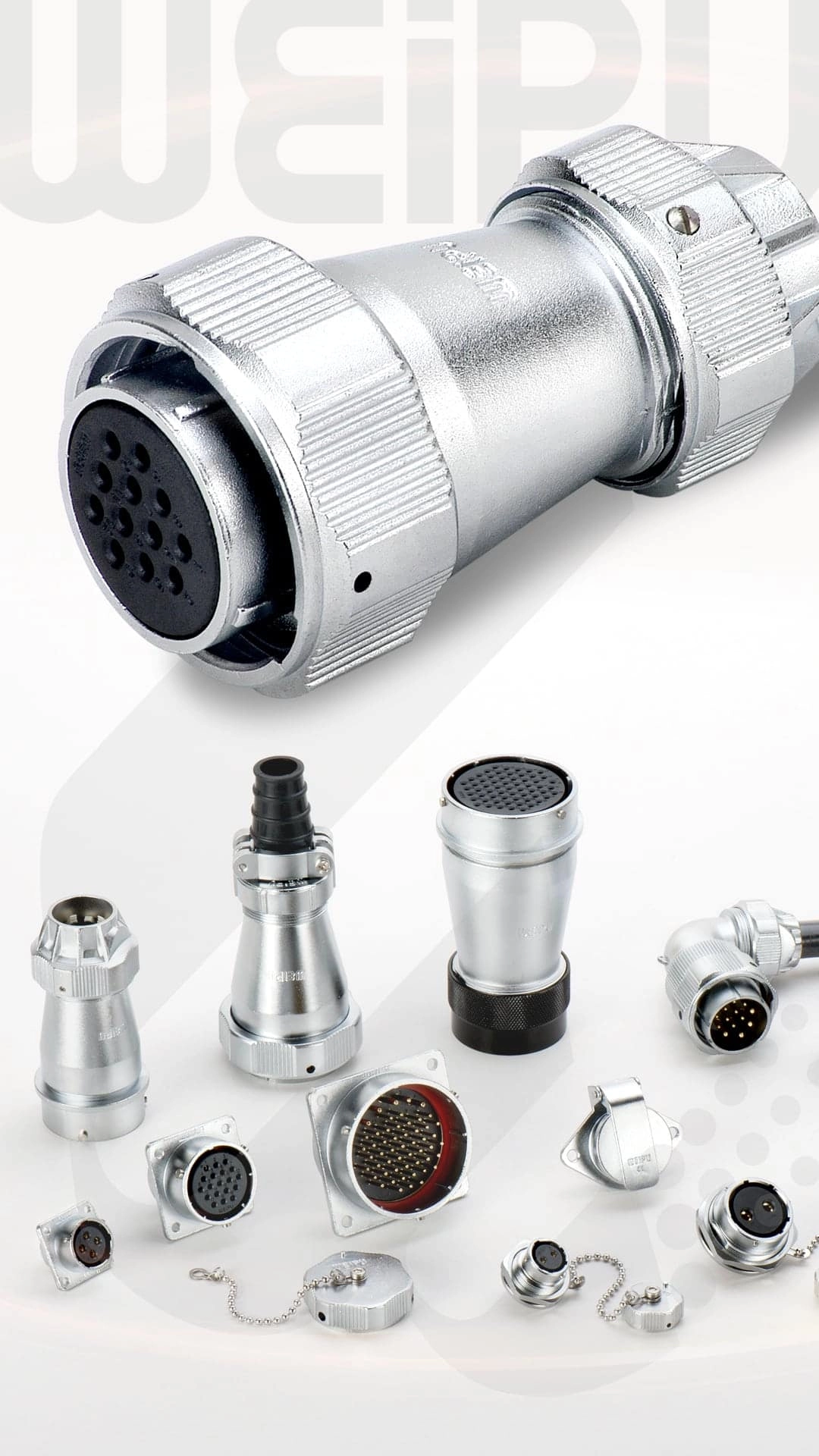
Reliability Redefined: How Weipu Connectors Ensure Uninterrupted Communication
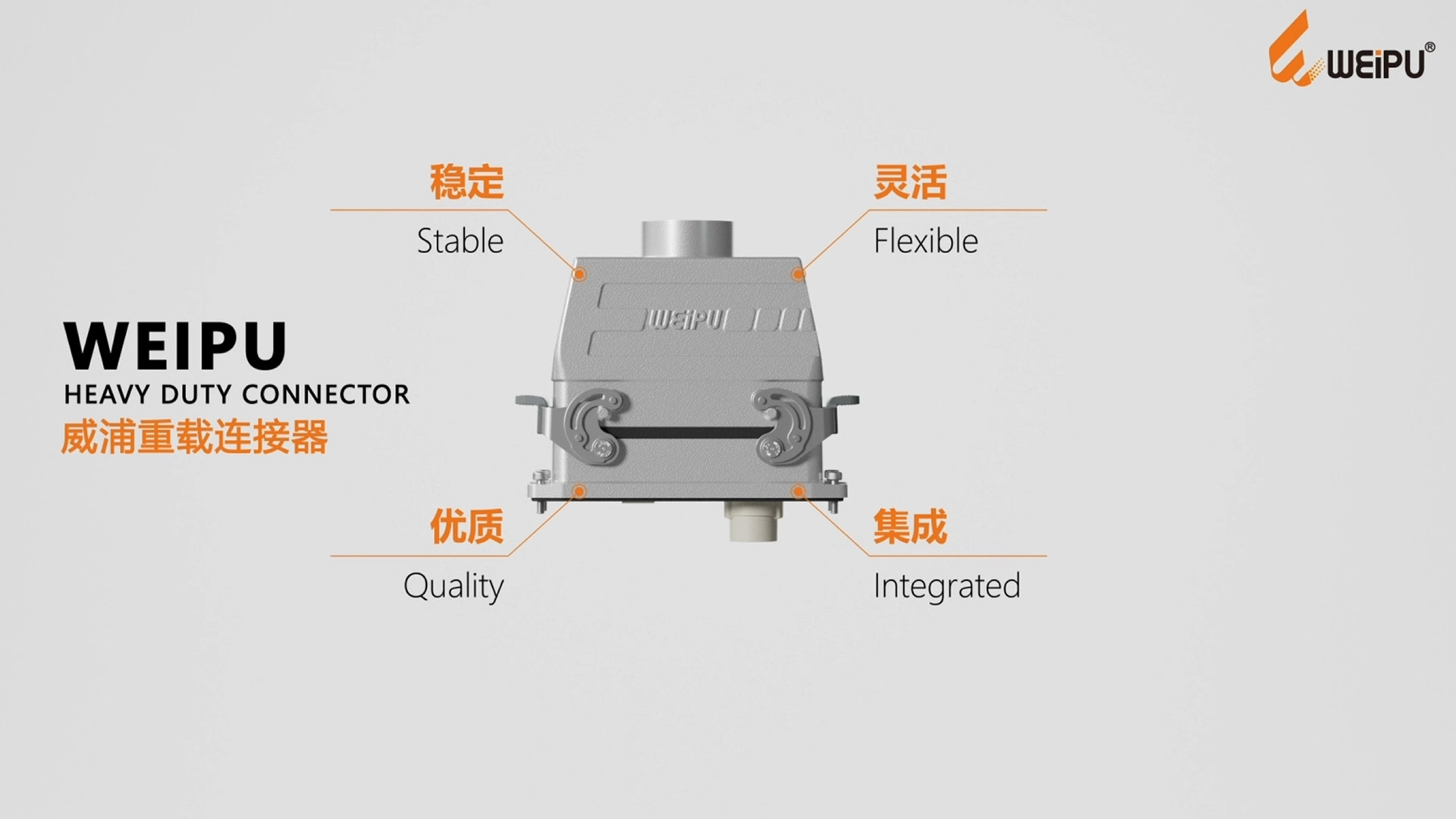
UNDERSTANDING THE KEY DIFFERENCES BETWEEN WEIPU HEAVY-DUTY CONNECTORS AND STANDARD CIRCULAR CONNECTORS
Resources
Are standard circular connectors more cost-effective than heavy-duty connectors?
In scenarios with single, fixed functions, standard circular connectors have cost advantages. But for complex systems requiring multiple functions, heavy-duty connectors reduce overall costs by integrating multiple modules, avoiding the need to purchase and install multiple single-function connectors.
How to match WEIPU connectors with the required IP rating?
First, clarify the water exposure conditions of your application (e.g., rain, submersion, high-pressure cleaning) to determine the required IP grade, then select the corresponding WEIPU series (e.g., IP67 for outdoor use, IP69K for heavy industry).
How to select different locking mechanisms for standard circular connectors?
Prioritize threaded connection for fixed installation scenarios with frequent vibration; choose snap-in connection for scenarios requiring frequent plugging and high assembly efficiency; push-pull connection is more advantageous for operation in narrow spaces or scenarios requiring quick plugging/unplugging.
Are WEIPU’s IP-rated connectors compatible with global equipment?
Yes, all WEIPU waterproof connectors comply with international standards (IEC 60529) and are designed to be compatible with global Industry 4.0 equipment, supporting seamless integration.
Contacts
Sofia
WhatsApp/Phone
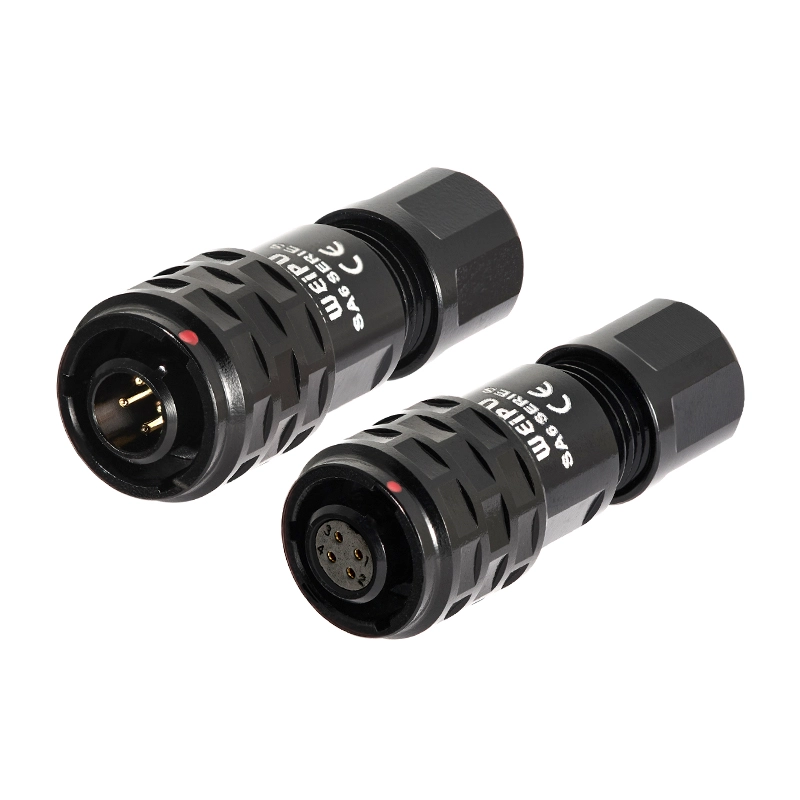
WEIPU SA Series Push-Pull Industrial Connector - IP67 Waterproof Anodized Aluminium Connector
The WEIPU SA Series Push-Pull Industrial Connector offers robust IP67 waterproof protection with durable anodized aluminum housing. This circular connector ensures secure, reliable connections in harsh environments, making it ideal for demanding industrial applications. Trusted quality by WEIPU.
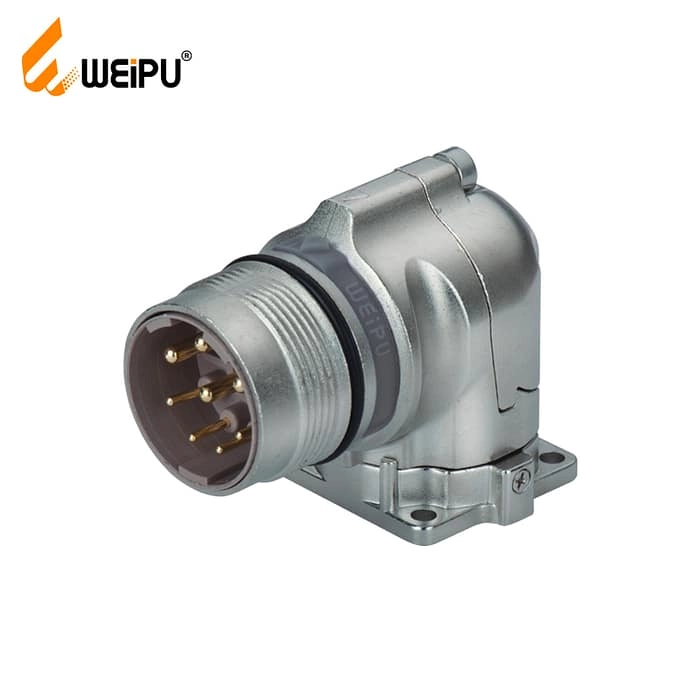
M23DJ-ZL Male contact angled square flange receptacle IP67
Mate with M23DK_TK,M23DK_TL
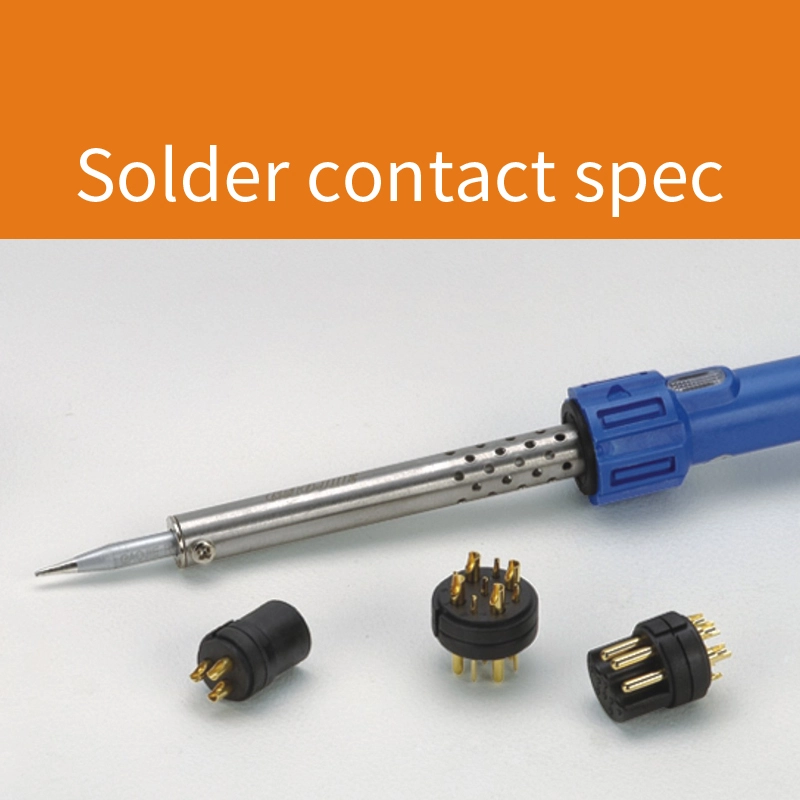
Weipu WP20 Series Bayonet Connectors, Dual Shell Options (Nylon 66/Zinc Alloy), Gold-Plated Contacts
WEIPU WP20 Series Bayonet With dependable gold-plated electrical contacts and sturdy dual shell options made of zinc alloy and Nylon 66, connectors offer superior conductivity and corrosion resistance. Perfect for durable, safe industrial connections. Select WP20 if you want better performance.
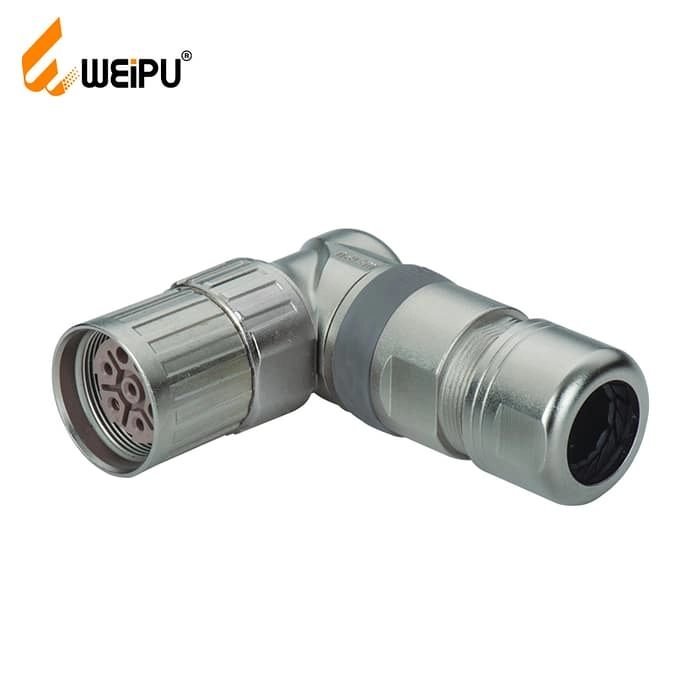
M23DK-TL Female contact angled cable connector IP67
Mate with M23DJ_TK,M23DJ_Z,M23DJ_ZL
Get in Touch
Request Related Resources about Industrial Connections & Solutions
If you require technical details, product guides, or specific recommendations from a premier connector manufacturing corporation, please send us your request.
We provide expert support for custom electrical connectors, offering OEM/ODM customization and dedicated distributor cooperation assistance.
Weipu Building, No. 111, Baihua Road, Liwan District, Guangzhou, Guangdong China
© 2026 WEIPU. All Rights Reserved.
Whatsapp: +8618102298073
WEIPU
WEIPU
WEIPU
WEIPU