
How to compare IP ratings when buying circular connectors?
Follow us now:
- 1. How do I directly compare IP67, IP68 and IP69K for circular connectors in real-world outdoor and washdown applications?
- 2. For underwater or submersible circular connectors (e.g., pumps or sensors), which IP claims and test data should I insist on?
- 3. How do panel cutouts, cable glands, backshells and mating interfaces change the effective IP rating of a circular connector installation?
- 4. How should maintenance teams verify and preserve a circular connector's IP rating on-site over time?
- 5. Can mating cycles, abrasion and corrosion lower a circular connector's IP rating — and how should I choose materials and finishes to avoid failures?
- 6. What documentation and test reports should I demand from circular connector manufacturers to prove IP claims — and how do I interpret them?
How to Compare IP Ratings When Buying Circular Connectors
Selecting the right circular connector—M12, M16, panel-mount, or heavy-duty MIL series—depends on accurately comparing IP ratings and understanding how design, installation and materials influence actual protection in the field. This guide explains IEC/IP test definitions (IEC 60529), ISO 20653/IP69K washdown tests, installation traps, inspection methods and the documentation you must request from suppliers.
1. How do I directly compare IP67, IP68 and IP69K for circular connectors in real-world outdoor and washdown applications?
IP codes are shorthand for ingress protection defined in IEC 60529. For circular connectors you must compare the second digit (water) carefully:
- IP67: Protected against temporary immersion up to 1 meter for 30 minutes (IEC 60529 test). This is useful for splash, rain and short accidental immersion (e.g., puddles).
- IP68: Protected against continuous immersion — but the depth and duration are manufacturer-defined. Don’t assume IP68 means the same across vendors. For a submersible pump you must ask the supplier for the exact test depth and time (for example, 3 m for 24 hours vs 10 m for 72 hours are very different claims).
- IP69K (ISO 20653 / DIN 40050-9): Intended for high-pressure, high-temperature washdown (food, pharma, heavy equipment). The IP69K test is a high-pressure steam/water wash at elevated temperature and multiple angles; it’s not a substitution for immersion tests. IP69K indicates resistance to aggressive cleaning cycles, not long-term submersion.
Actionable steps: when comparing bids, require the supplier to state the standard used (IEC 60529 / ISO 20653), the precise IP68 depth/time parameters, and whether IP69K testing was performed by an accredited lab. That prevents apples-to-oranges comparisons between waterproof circular connectors and ensures the chosen M12 or panel-mount connector suits rain, immersion or washdown service.
2. For underwater or submersible circular connectors (e.g., pumps or sensors), which IP claims and test data should I insist on?
IP68 alone is not sufficient without precise test parameters. For submersible use you should request:
- Exact IP68 test depth and duration (specified by the manufacturer). Example: “IP68: 3 m for 24 h per IEC 60529, sample size n=X.”
- Test report citing the test standard, date, lab (preferably ISO/IEC 17025 accredited), number of samples and pass/fail criteria. Lab traceability is essential for procurement audits.
- Material and process data: housing material (stainless steel 316L vs zinc alloy vs composite), O-ring material (NBR, EPDM, FKM), contact plating (gold over nickel), and potting or overmolding details used for cable-to-connector seals.
- Additional environmental tests: pressure cycling (if alternately pressurized), and long-term aging or thermal cycling if the connector will face temperature swings underwater.
If a supplier offers only a generic “IP68” statement without defined depth/time and a lab report, treat it as insufficient for a submerged application. Also verify mating interfaces: a panel-mounted bulkhead plus a cable-mounted plug must both maintain the specified sealing under mating/unmating and under expected mechanical load.
3. How do panel cutouts, cable glands, backshells and mating interfaces change the effective IP rating of a circular connector installation?
The connector’s declared IP rating is for the connector itself, often tested in isolation. Installation components and workmanship can reduce the effective ingress protection:
- Panel cutout and gasket: The panel-mount flange must be installed with the correct gasket, flatness tolerance and torque. Poorly fitted gaskets or incorrect torque allow water ingress at the flange even if the connector body is IP68.
- Cable glands and cable-jacket compatibility: The gland must compress the jacket and O-ring properly. Choose a gland sized for the cable outer diameter and compatible elastomer material (UV, oil, chemical resistance). Improper gland selection is a common root cause of leaks.
- Backshells and sealing rings: Backshells with environmental seals or molded overmolds preserve IP performance; standard open backshells do not. Some circular connectors use molded-in cable seals or potting—these are more robust than simple rubber grommets.
- Mating interfaces: Repeated mating/unmating can abrade O-rings; a connector tested IP69K when new could fail after many cycles. Use protective caps during storage and request mating-cycle specifications from the manufacturer.
Procurement checklist: require drawings showing panel cutout tolerances, recommended torque values for flange screws, cable-gland part numbers, and installation instructions from the vendor. If your application requires field assembly, insist on vendor-approved gland kits and document installation QC steps.
4. How should maintenance teams verify and preserve a circular connector's IP rating on-site over time?
IP certification is a laboratory test; on-site verification is about detecting degradation early. Recommended program:
- Initial acceptance: Inspect each lot on arrival—visual check of seals, threads, contact surfaces, and proper part numbers. Compare batch numbers to the supplier’s test report.
- Functional checks: Use insulation resistance (megger) or contact-resistance measurements after cleaning to ensure no moisture ingress. A sudden increase in leakage current or contact resistance suggests water or corrosion inside the mating area.
- Periodic visual inspection: Frequency depends on environment. For food/washdown applications inspect after every wash cycle for the first month, then monthly to quarterly. For protected indoor equipment, inspect annually. Look for O-ring cuts, compressed gaskets, corrosion, or damaged cable jackets at the gland.
- Field water test (limited): A controlled spray/wash test can validate sealing after maintenance—but this is not a substitute for lab testing. If you must perform an on-site spray test, document test pressure, nozzle distance and angles, and check function immediately after.
- Replacement intervals: Replace seals and protective caps on schedule (manufacturer guidance). Keep spares for O-rings and cable glands on site; elastomers age and lose elasticity over years, lowering IP performance.
Document inspection results (date, inspector, findings). If a connector fails, retain the failed unit for supplier root-cause analysis and request re-test or replacement with improved sealing design if needed.
5. Can mating cycles, abrasion and corrosion lower a circular connector's IP rating — and how should I choose materials and finishes to avoid failures?
Yes. Wear, abrasion and corrosion degrade seals and contact surfaces, reducing effective IP protection:
- Mating cycles: Each mechanical mate/unmate compresses the O-ring and wears contact plating. Different product lines have different mating-cycle ratings—ask your vendor for the exact number (some industrial circular connectors rate from hundreds to several thousand cycles depending on design).
- Abrasion: Cable movement at the gland can abrade the jacket and seal. Use strain relief, correct gland clamping, and, where movement is expected, a flexible overmolded strain-relief solution.
- Corrosion: Salt spray and chemically aggressive environments attack housings and contact platings. For corrosive environments select 316 stainless steel housing or robust coated alloys and specify corrosion testing such as ASTM B117 salt spray reports. For contacts choose gold or palladium flash over nickel where low contact resistance and corrosion resistance are required.
Material selection guidance:
- Housings: Stainless steel (316/316L) for marine/corrosive; zinc die-cast with good plating for general industrial; composite for lightweight non-corrosive use.
- Seals: EPDM for hot water and steam compatibility, FKM (Viton) for oils and solvents, Silicone for wide temperature ranges. Match O-ring compound to temperature range and chemical exposure.
- Contacts: Gold plating for low voltages and signal lines; nickel underplating acceptable for power if gold is not required. Ask for contact resistance and current rating test data.
Always ask the supplier for mating-cycle, salt-spray, and material certificates so you can match connector series to expected mechanical life and corrosive exposure.
6. What documentation and test reports should I demand from circular connector manufacturers to prove IP claims — and how do I interpret them?
Required documentation for procurement and compliance:
- Official test report referencing the test standard (IEC 60529 for IP codes; ISO 20653 / DIN 40050-9 for IP69K). The report should include date, testing lab name (ideally ISO/IEC 17025 accredited), sample count, preconditioning, and pass/fail criteria.
- IP68 specifics: Manufacturer must state the exact immersion depth and time used for the IP68 claim. Without this, IP68 is meaningless for submersion applications.
- Material certificates: Housing material (e.g., 316L stainless), elastomer compound certificates (e.g., EPDM or FKM), plating thickness for contacts (µin or µm) and any RoHS/REACH declarations if required for your market.
- Mechanical and electrical test data: Mating cycles, contact resistance (mΩ), dielectric strength (V/rms), insulation resistance (MΩ) and current/voltage ratings under environmental conditions.
- Corrosion tests: Salt spray (ASTM B117) or equivalent report if the connector is intended for marine or chemically aggressive environments.
- Traceability and lot information: Manufacturer lot numbers and a statement of how production units correlate to tested samples. For critical applications insist on serial-numbered test results or sample retention policies.
How to interpret: Ensure the test standard and parameters match your field conditions. For example, an IP69K test proves resistance to high-pressure washdown but doesn’t replace an IP68 long-term immersion test. If a vendor provides an IP68 report without depth/time, or an IP69K certificate but no corrosion data for offshore use, request the missing reports. Prefer suppliers who provide consolidated environmental reports (Ingress + corrosion + mechanical endurance) from accredited labs.
Concluding summary of advantages: Choosing circular connectors with properly verified IP ratings (and matching installation components) reduces downtime, prevents costly failures from water ingress, ensures compliance with industry washdown and submersion requirements, and extends service life. Accurate comparison—using IEC 60529/IP definitions, ISO 20653/IP69K test parameters, accredited lab reports, correct glanding and material selection—lets procurement and engineering teams select the optimal waterproof circular connectors for outdoor, marine, food-processing and industrial automation applications.
For quoting, specification review or to request official test documentation for our waterproof circular connectors, contact us at www.weipu-group.com or email salse01@weipu-group.com. We can provide lab reports, material certificates and installation guidance on M12, M16, MIL series and customized circular connector assemblies.

How Waterproof Connectors Play An Important Role In Marine Applications
Industrial Plug: Complete Guide to Types, Standards & How to Choose (2026)
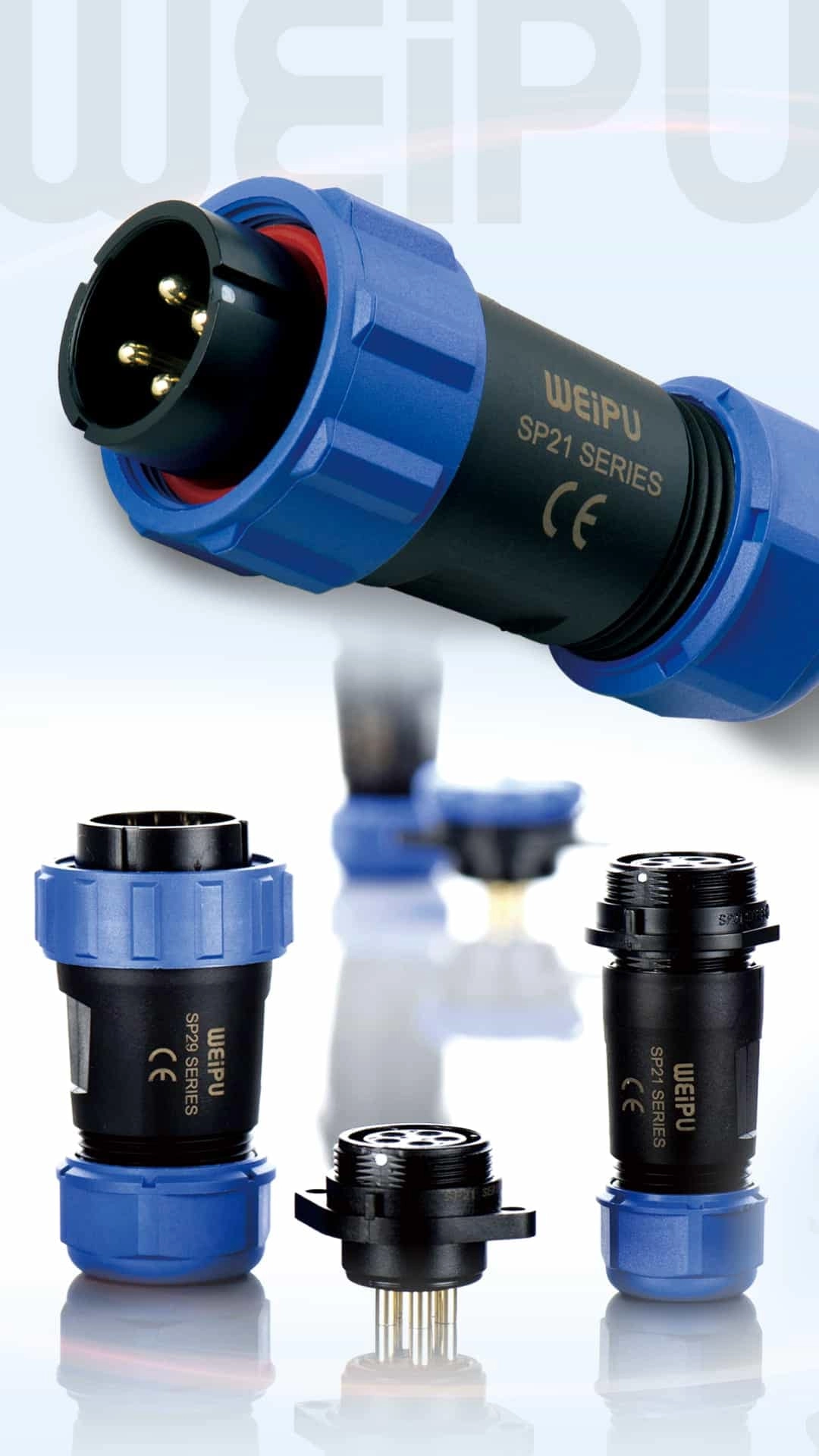
Innovating Tomorrow’s Networks: A Deep Dive into Weipu Connector Tech
Connectivity Solutions for Solar Tracking Systems
Resources
Can WEIPU heavy-duty connectors add new modules later if needs change?
Yes, the modular design supports on-site addition, replacement, or removal of functional modules without replacing the entire connector, enabling flexible adaptation to dynamic project requirements.
Can WEIPU provide customized IP-rated solutions?
Absolutely—WEIPU offers customized sealing and structural designs to meet special IP rating requirements (e.g., specialized IP68 solutions for deep submersion projects), tailored to specific industry scenarios.
What types of modules are available for WEIPU heavy-duty connectors?
We offer a full range of functional modules, including power modules (5A-200A), signal modules (2-50 pins), network modules (supporting 10Gbps high-speed transmission), and pneumatic modules (compatible with standard air pipe specifications), covering most industrial connection scenarios.
Are WEIPU’s IP-rated connectors compatible with global equipment?
Yes, all WEIPU waterproof connectors comply with international standards (IEC 60529) and are designed to be compatible with global Industry 4.0 equipment, supporting seamless integration.
Contacts
Sofia
WhatsApp/Phone
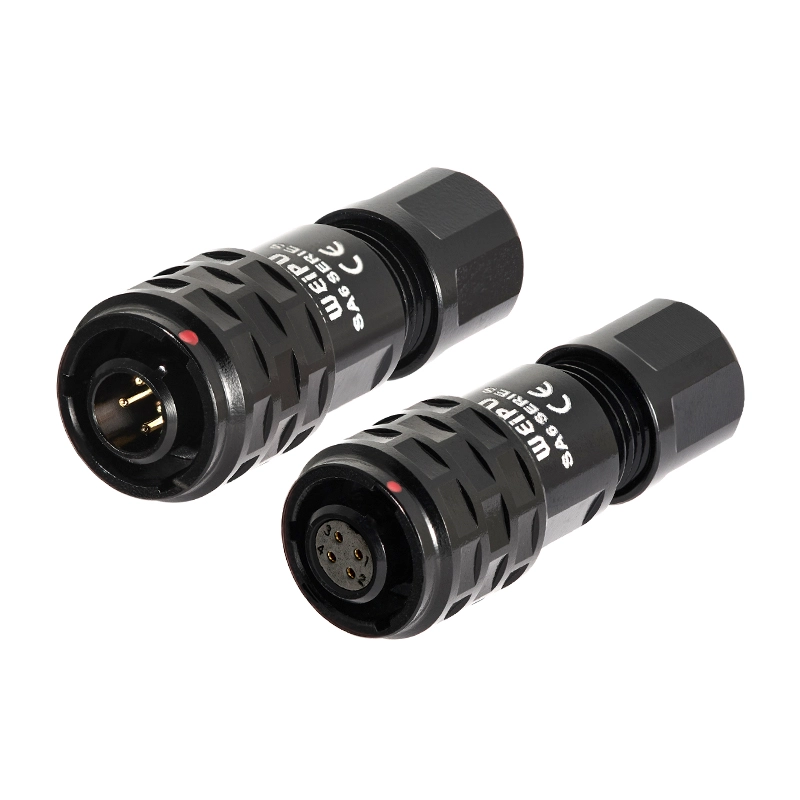
WEIPU SA Series Push-Pull Industrial Connector - IP67 Waterproof Anodized Aluminium Connector
The WEIPU SA Series Push-Pull Industrial Connector offers robust IP67 waterproof protection with durable anodized aluminum housing. This circular connector ensures secure, reliable connections in harsh environments, making it ideal for demanding industrial applications. Trusted quality by WEIPU.
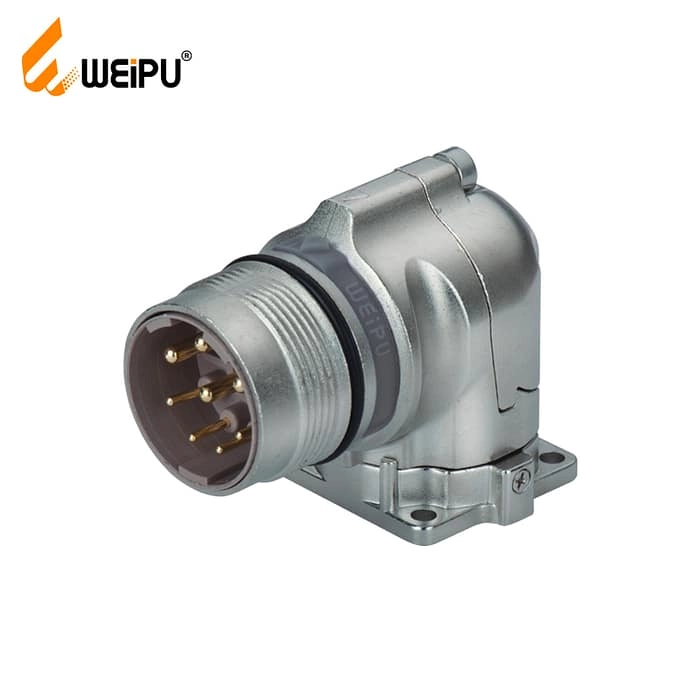
M23DJ-ZL Male contact angled square flange receptacle IP67
Mate with M23DK_TK,M23DK_TL
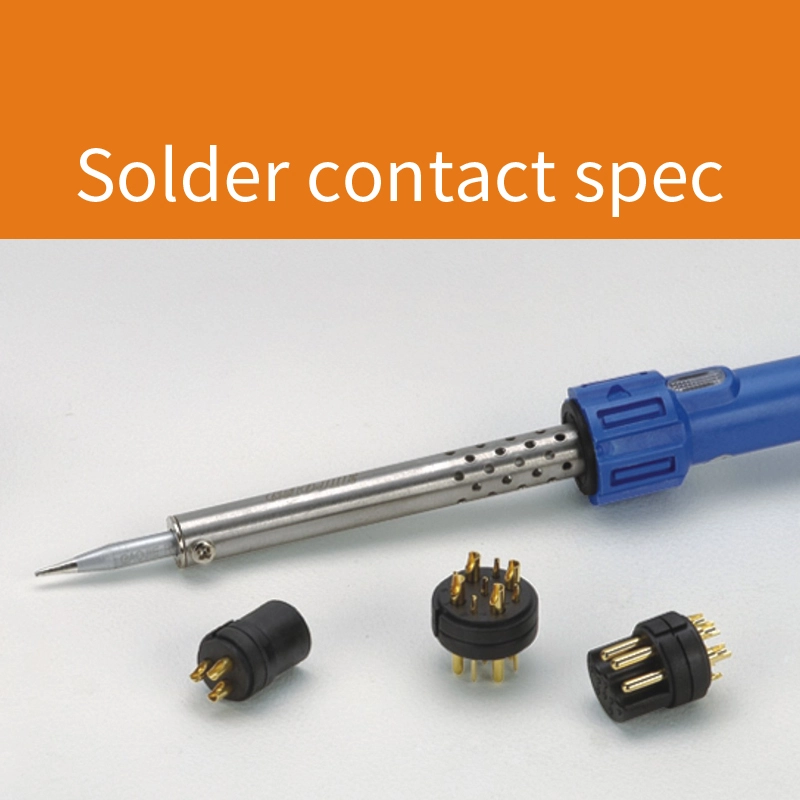
Weipu WP20 Series Bayonet Connectors, Dual Shell Options (Nylon 66/Zinc Alloy), Gold-Plated Contacts
WEIPU WP20 Series Bayonet With dependable gold-plated electrical contacts and sturdy dual shell options made of zinc alloy and Nylon 66, connectors offer superior conductivity and corrosion resistance. Perfect for durable, safe industrial connections. Select WP20 if you want better performance.
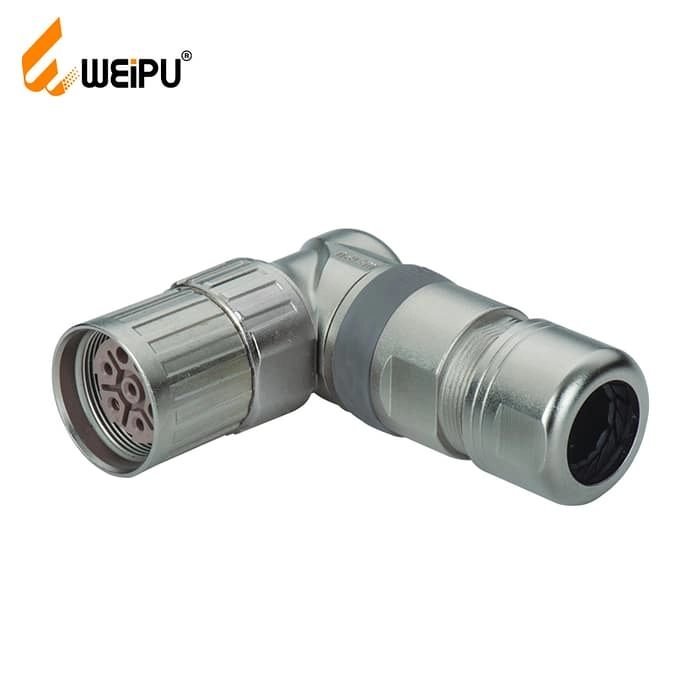
M23DK-TL Female contact angled cable connector IP67
Mate with M23DJ_TK,M23DJ_Z,M23DJ_ZL
Get in Touch
Request Related Resources about Industrial Connections & Solutions
If you require technical details, product guides, or specific recommendations from a premier connector manufacturing corporation, please send us your request.
We provide expert support for custom electrical connectors, offering OEM/ODM customization and dedicated distributor cooperation assistance.
Weipu Building, No. 111, Baihua Road, Liwan District, Guangzhou, Guangdong China
© 2026 WEIPU. All Rights Reserved.
Whatsapp: +8618102298073
WEIPU
WEIPU
WEIPU
WEIPU