
What are the different types of industrial connector?
- Why connector selection matters in industrial systems
- Reliability, safety and lifecycle costs
- Standards and regulatory compliance
- Common types of industrial connectors
- Circular connectors (M-series, MIL-style)
- Heavy‑duty (rectangular) connectors
- CEE / Industrial power connectors
- PCB and board-to-board connectors
- Wire-to-wire and wire-to-board connectors
- Power connectors (high-current)
- Signal and data connectors (coaxial, Ethernet)
- Fiber-optic connectors
- Medical and sterilizable connectors
- How to choose the right industrial connector
- Key selection criteria
- Comparing IP ratings and ingress protection
- Standards and interoperability
- Practical comparisons and examples
- Quick comparison table: common families
- Application examples and best practice
- Maintenance, lifecycle and supply considerations
- Connector lifecycle and spares
- Test, validation and environmental qualification
- OEM/ODM and customization
- Conclusion
- Frequently Asked Questions (FAQs)
- Q1: What does IP69K mean and when do I need it?
- Q2: How do I select between circular M12 and rectangular heavy-duty connectors?
- Q3: Are custom connectors expensive and how fast can prototypes be made?
- Q4: Which standards should I reference for industrial plug & socket applications?
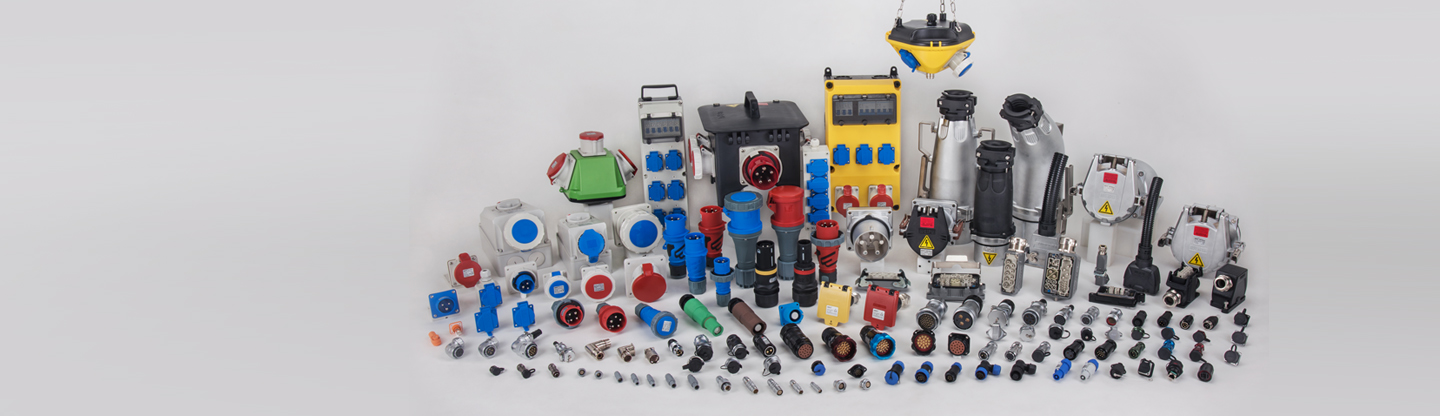
Industrial connector selection is critical for reliable power, signal and data transmission across manufacturing, renewable energy, rail transit and medical systems. This article maps the major types of industrial connector—circular, heavy-duty/rectangular, CEE, board-level, power, signal and fiber-optic—explains key performance metrics (IP ratings, current/voltage, mating cycles), cites global standards, and provides practical selection guidance for engineers, procurement and OEMs. It also highlights WEIPU’s nearly 30 years of experience, certifications, and high-reliability offerings to support mission-critical connectivity.
Why connector selection matters in industrial systems
Reliability, safety and lifecycle costs
Choosing the right connector goes beyond pin count. A connector’s environmental sealing (e.g., IP67 vs IP69K), contact material, plating, and mechanical design determine uptime, safety and maintenance costs. For industries like rail, automotive and medical, connectors can be subject to vibration, temperature extremes, high currents and sterilization cycles—factors that directly affect system availability and compliance.
Standards and regulatory compliance
Industrial connectors often must comply with international or sector-specific standards. IP (Ingress Protection) ratings are defined in the IEC 60529 framework (commonly referenced via summaries such as Wikipedia), while industrial power plugs/sockets often follow IEC 60309 conventions. Automotive and rail industries additionally require IATF 16949 and IRIS/sector approvals. WEIPU's certifications—IRIS (Rail Transit) and IATF 16949 (Automotive)—demonstrate alignment with these demands.
Common types of industrial connectors
Circular connectors (M-series, MIL-style)
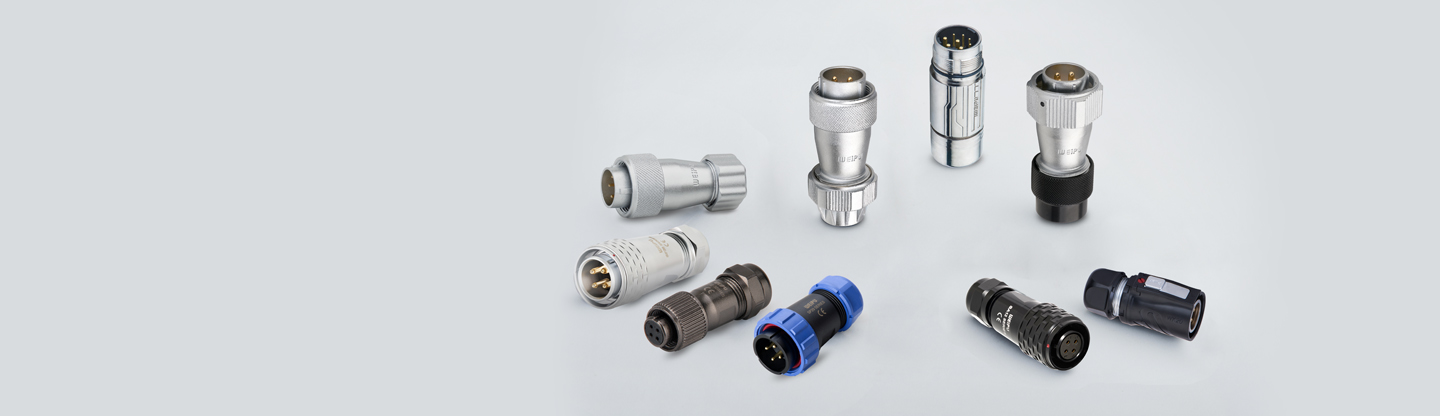
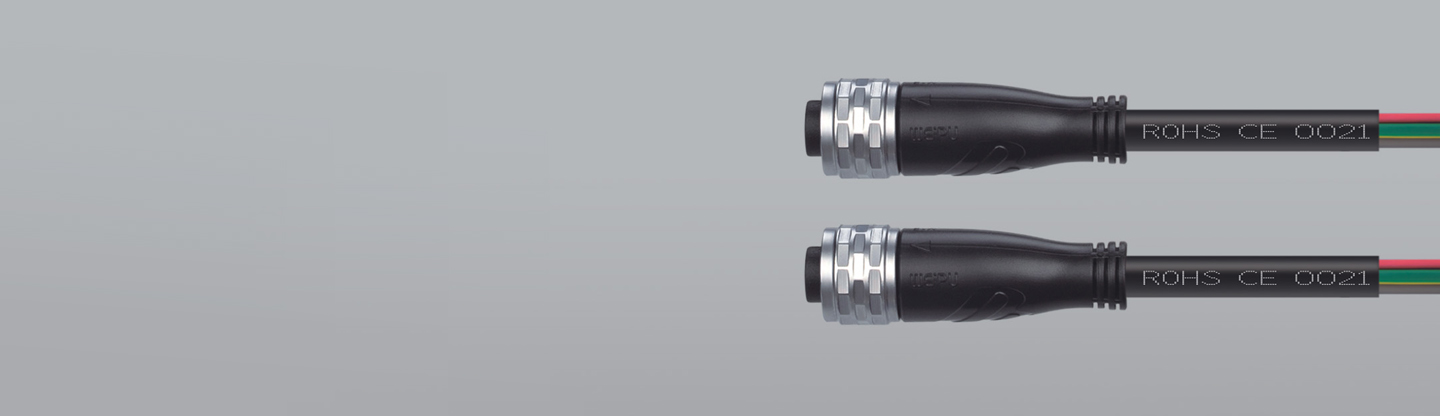
Circular connectors are extremely popular for industrial applications due to compact form, robust mechanical mating and good sealing capability. Subtypes include M8, M12, M23 and larger MIL-style connectors. They are used for sensors, actuators, Ethernet (M12 D-code), and power distribution in factory automation.
Heavy‑duty (rectangular) connectors
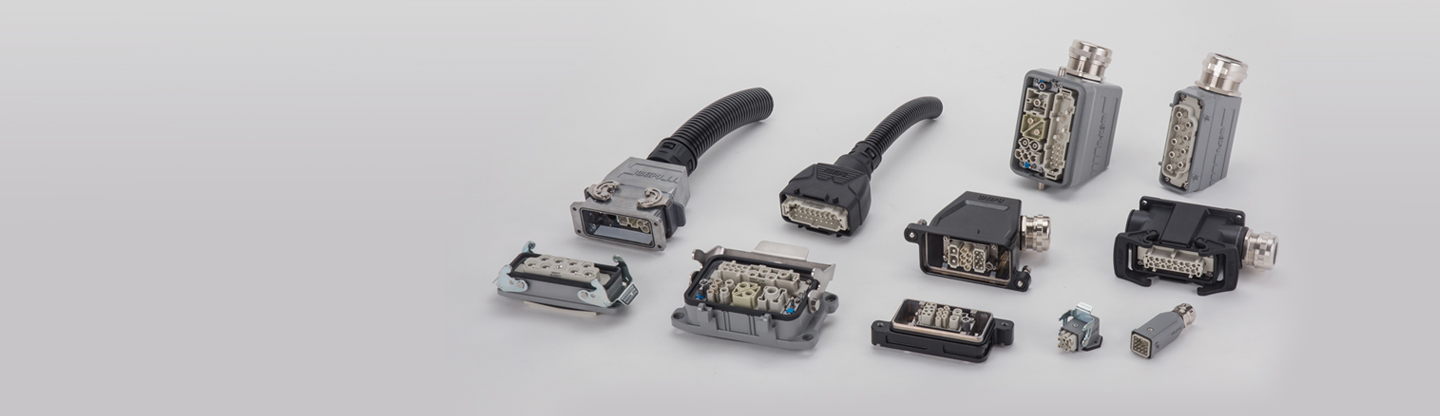
Heavy-duty rectangular connectors provide high pin density and strong mechanical latching mechanisms. They suit harsh environments where vibration and shock are present—common in construction equipment, locomotives and heavy machinery.
CEE / Industrial power connectors
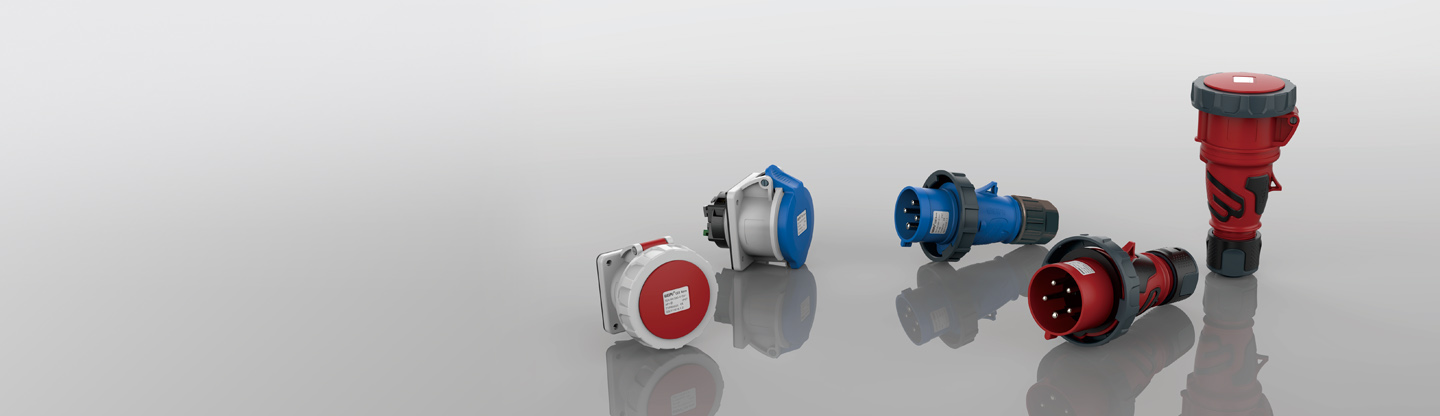
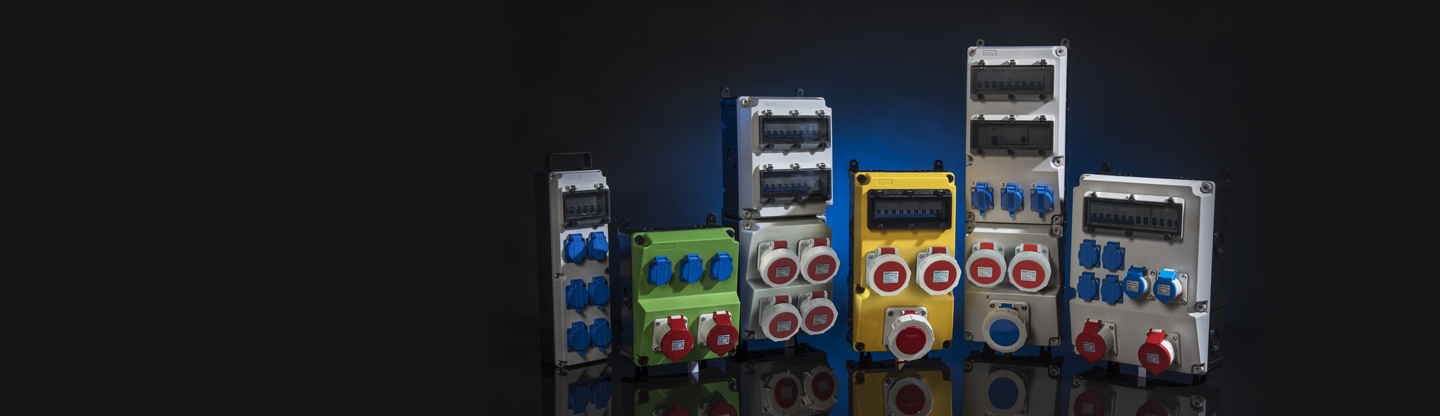
CEE connectors (often called IEC/EN 60309 plugs and sockets) are standardized for industrial power distribution—single- and three-phase—with options for IP44 to IP67 sealing. They are widely used in temporary power, industrial workshops and outdoor power distribution.
PCB and board-to-board connectors
Board-level connectors include pin headers, card-edge and board-to-board mezzanine connectors. They are crucial inside equipment, enabling modular designs and facilitating manufacturing and serviceability.
Wire-to-wire and wire-to-board connectors
These small-to-medium power connectors are common in control cabinets, sensors and actuators. They vary by locking method (latch, screw, push-in) and by environmental protection (sealed vs unsealed).
Power connectors (high-current)
High-current connectors are engineered for heavy power distribution. WEIPU offers high-current solutions—up to 800A—suitable for EV charging, power cabinets and renewable-energy converters. These connectors require careful consideration of contact resistance, cooling and derating with temperature.
Signal and data connectors (coaxial, Ethernet)
Signal connectors include coaxial types (BNC, TNC), RJ45 (industrial variants) and robust M12 Ethernet connectors. For industrial Ethernet and IIoT connectivity, M12 D-coded and X-coded connectors are common for Cat5e/Cat6 equivalents in harsh areas.
Fiber-optic connectors
Fiber connectors (LC, SC, ST and ruggedized variants) provide high-bandwidth, immunity to electromagnetic interference and are used in control networks and inter-rack links in industrial facilities.
Medical and sterilizable connectors
Medical-grade connectors must withstand sterilization processes (autoclave at 134°C for many cycles) and have biocompatible materials. WEIPU’s medical solutions include autoclave-resistant designs and relevant material selection to meet such demanding requirements.
How to choose the right industrial connector
Key selection criteria
Decide by prioritizing: electrical (voltage, current, signal integrity), mechanical (mating cycles, locking), environmental (IP rating, temperature range), regulatory (industry certifications), and lifecycle (availability, service and supply chain). Typical checklist items include contact material (silver/nickel/gold plating), wire gauge compatibility, and shielding for EMC-sensitive applications.
Comparing IP ratings and ingress protection
Ingress Protection (IP) codes quantify dust and water resistance. Common industrial targets: IP67 (temporary immersion), IP68 (continuous immersion) and IP69K (high-pressure, high-temperature washdown). For food processing or outdoor equipment requiring sanitization, IP69K is often mandated. See the IP code reference at IEC/ISO IP Code.
Standards and interoperability
Confirm connector compatibility with system standards—e.g., IEC 60309 for shore power/industrial plugs, IEC 61076 series for M12 connectors, and industry-specific norms like IATF 16949 for automotive. For general connector technology and classifications, the Electrical connector summary can be a useful starting point.
Practical comparisons and examples
Quick comparison table: common families
| Type | Typical use | IP capability | Current range | Key benefit |
|---|---|---|---|---|
| Circular (M8/M12/M23) | Sensors, actuators, fieldbus, Ethernet | IP67–IP69K | 1A–40A | Compact, sealed, standardized |
| Heavy-duty (rectangular) | Power & signal in harsh machines | IP65–IP68 | Up to 200A (varies) | High pin density, rugged |
| CEE (IEC 60309) | Industrial power distribution | IP44–IP67 | 16A–125A (typ.) | Standardized power interconnect |
| High-current power | EV charging, power systems | IP54–IP69K | 50A–800A | Low resistive loss, thermal design |
| Fiber optic | High-speed data links | IP20–IP68 (ruggedized) | Not applicable (optical) | High bandwidth, EMI immunity |
Application examples and best practice
- Food & beverage washdown: use IP69K-rated circular or sealed heavy-duty connectors with corrosion-resistant materials. WEIPU provides IP69K solutions suited for hygienic washdowns.
- Rail/Transit: select connectors compliant with rail industry specifications (vibration, fire-safety, EMC). WEIPU’s IRIS certification demonstrates competence for rail applications.
- Medical devices: choose autoclave-resistant medical connectors rated for 134°C cycles and biocompatible materials.
Maintenance, lifecycle and supply considerations
Connector lifecycle and spares
Plan for mating cycle fatigue, contact wear and supply continuity. For mission-critical systems, specify connectors with high mating cycles and maintain a spare-parts inventory. WEIPU’s one-stop production and large capacity (annual capacity of 55 million units) support long-term supply stability.
Test, validation and environmental qualification
Require test reports for salt spray, thermal cycling, vibration and contact resistance. For climate and washdown applications, ask for IP, salt-spray (ASTM B117) and full environmental qualification data. Many purchasers also demand certificates tied to manufacturing quality systems such as IATF 16949 and IRIS.
OEM/ODM and customization
If a standard connector does not meet a design’s mechanical, electrical or regulatory needs, consider customized solutions. WEIPU’s independent R&D and vertically integrated manufacturing enable prototypes in 7–15 days and rapid OEM/ODM turnarounds with 24-hour response support.
Conclusion
Understanding the variety of industrial connectors—circular, heavy-duty, CEE, board-level, high-current, signal and fiber—helps engineers and procurement professionals match design requirements to real-world environmental and regulatory constraints. Evaluate electrical, mechanical, environmental and certification requirements early in the design process. For projects needing high-reliability, rapid prototyping and global supply continuity, WEIPU (founded 1996) offers deep experience, IRIS and IATF 16949 certifications, IP69K-rated solutions, and high-current designs up to 800A. With an 80,000 m² facility, 55 million-unit annual capacity, and more than 70,000 specifications served to 30,000+ customers in 130 countries, WEIPU is positioned to support mission-critical connectivity in medical, renewable energy and smart factories.
Frequently Asked Questions (FAQs)
Q1: What does IP69K mean and when do I need it?
IP69K is a high ingress-protection level indicating dust-tight construction and protection against high-pressure, high-temperature washdowns. It is required in food processing, pharmaceutical and some outdoor washing scenarios where sanitary high-pressure cleaning is routine. Reference: IP Code (IEC).
Q2: How do I select between circular M12 and rectangular heavy-duty connectors?
Use M12 for sensors, actuators and fieldbus where compactness and quick field wiring are essential. Choose heavy-duty rectangular connectors when you need higher pin counts, mixed-signal/power in one shell, and extreme mechanical robustness.
Q3: Are custom connectors expensive and how fast can prototypes be made?
Customization adds tooling and engineering cost but may reduce lifetime system costs by solving fit, sealing or performance challenges. WEIPU offers prototypes in 7–15 days and OEM/ODM services with a 24-hour rapid response to accelerate development cycles.
Q4: Which standards should I reference for industrial plug & socket applications?
IEC 60309 covers many industrial power plugs and sockets; for ingress and environmental protection, see IEC 60529 (IP Code). For automotive and rail sectors, IATF 16949 and IRIS (rail) certifications are commonly required. See IEC 60309 and IATF 16949 for more information.
Contact WEIPU for tailored guidance: Email salse01@weipu-group.com or call +86-020-80501102.
References: Electrical connector overview (Wikipedia), IEC/EN 60309 summary (Wikipedia), IP Code explanation (Wikipedia), IATF 16949 information (IATF Global Oversight).
For mission-critical connector solutions and rapid prototypes, contact WEIPU today.
Top 10 heavy duty connector manufacturers and suppliers
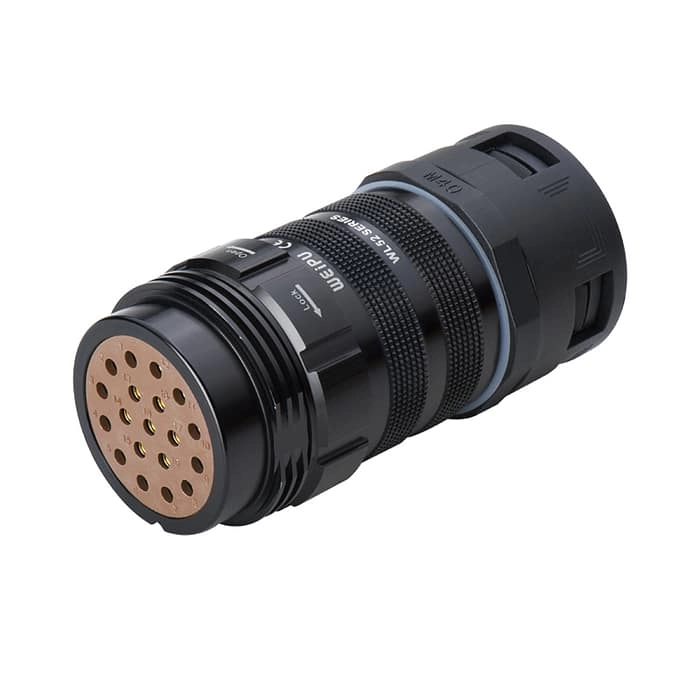
WL52K19TAD Female Contact Connector (M40 x1.5 Hose Adapter) — IP67 Industrial Solution
Top 10 industrial plugs manufacturers and suppliers
Top 10 electrical connectors manufacturers and suppliers
Resources
What types of modules are available for WEIPU heavy-duty connectors?
We offer a full range of functional modules, including power modules (5A-200A), signal modules (2-50 pins), network modules (supporting 10Gbps high-speed transmission), and pneumatic modules (compatible with standard air pipe specifications), covering most industrial connection scenarios.
Are WEIPU’s IP-rated connectors compatible with global equipment?
Yes, all WEIPU waterproof connectors comply with international standards (IEC 60529) and are designed to be compatible with global Industry 4.0 equipment, supporting seamless integration.
Can WEIPU provide customized IP-rated solutions?
Absolutely—WEIPU offers customized sealing and structural designs to meet special IP rating requirements (e.g., specialized IP68 solutions for deep submersion projects), tailored to specific industry scenarios.
How to match WEIPU connectors with the required IP rating?
First, clarify the water exposure conditions of your application (e.g., rain, submersion, high-pressure cleaning) to determine the required IP grade, then select the corresponding WEIPU series (e.g., IP67 for outdoor use, IP69K for heavy industry).
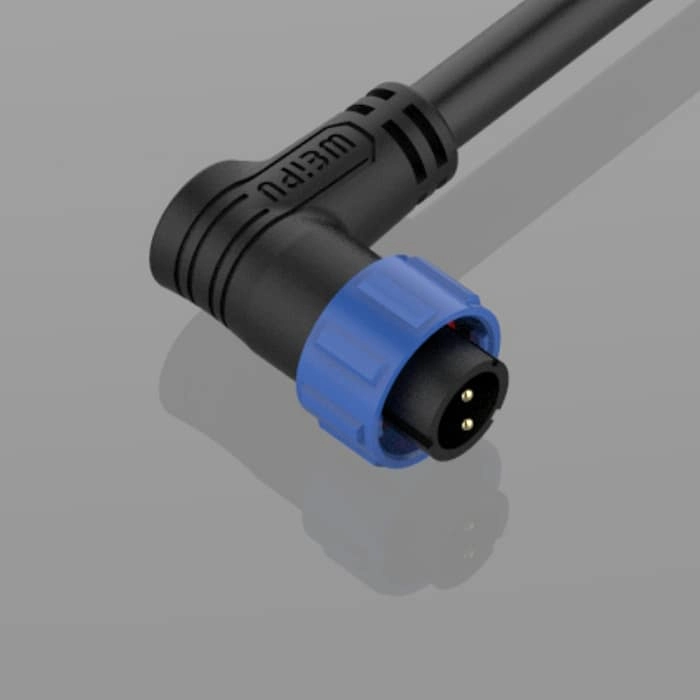
SY1324 Single-Ended Cordsets
Mate with SY1311,SY1312,SY1321,SY1324
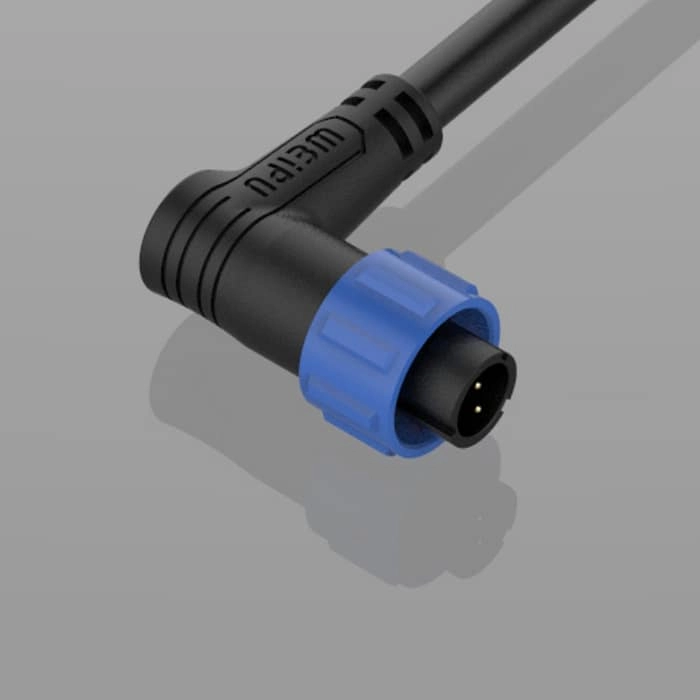
SY1124 Single-Ended Cordsets
Mate with SY1111,SY1112,SY1121,SY1124
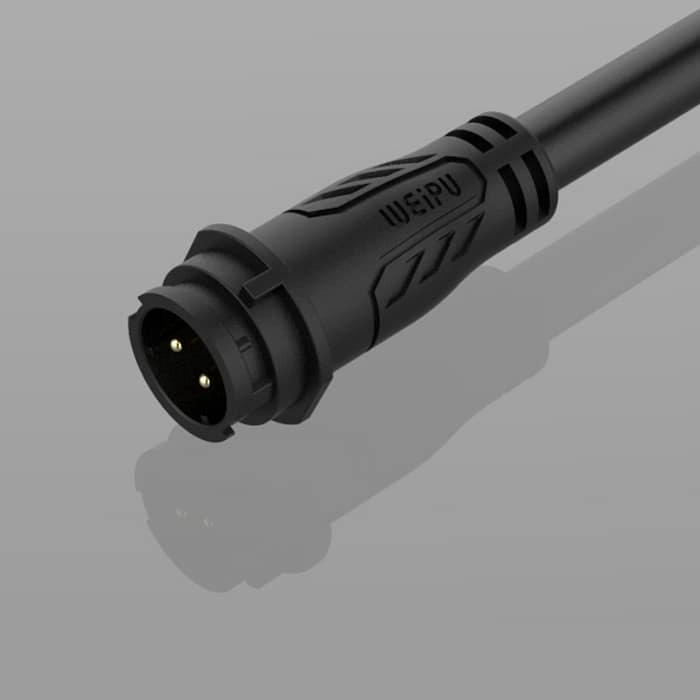
SY1321 Single-Ended Cordsets
Mate with SY1311,SY1312,SY1321,SY1324
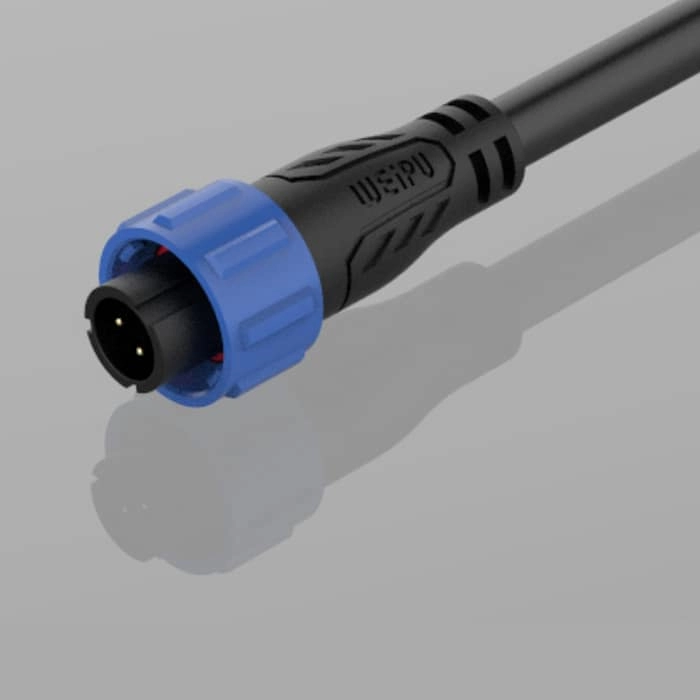
SY1120 Single-Ended Cordsets
Mate with SY1111,SY1112,SY1121,SY1124
Get in Touch
Request Related Resources about Industrial Connections & Solutions
If you require technical details, product guides, or specific recommendations from a premier connector manufacturing corporation, please send us your request.
We provide expert support for custom electrical connectors, offering OEM/ODM customization and dedicated distributor cooperation assistance.
Weipu Building, No. 111, Baihua Road, Liwan District, Guangzhou, Guangdong China
© 2026 WEIPU. All Rights Reserved.
Whatsapp: +8618102298073
WEIPU
WEIPU
WEIPU
WEIPU